
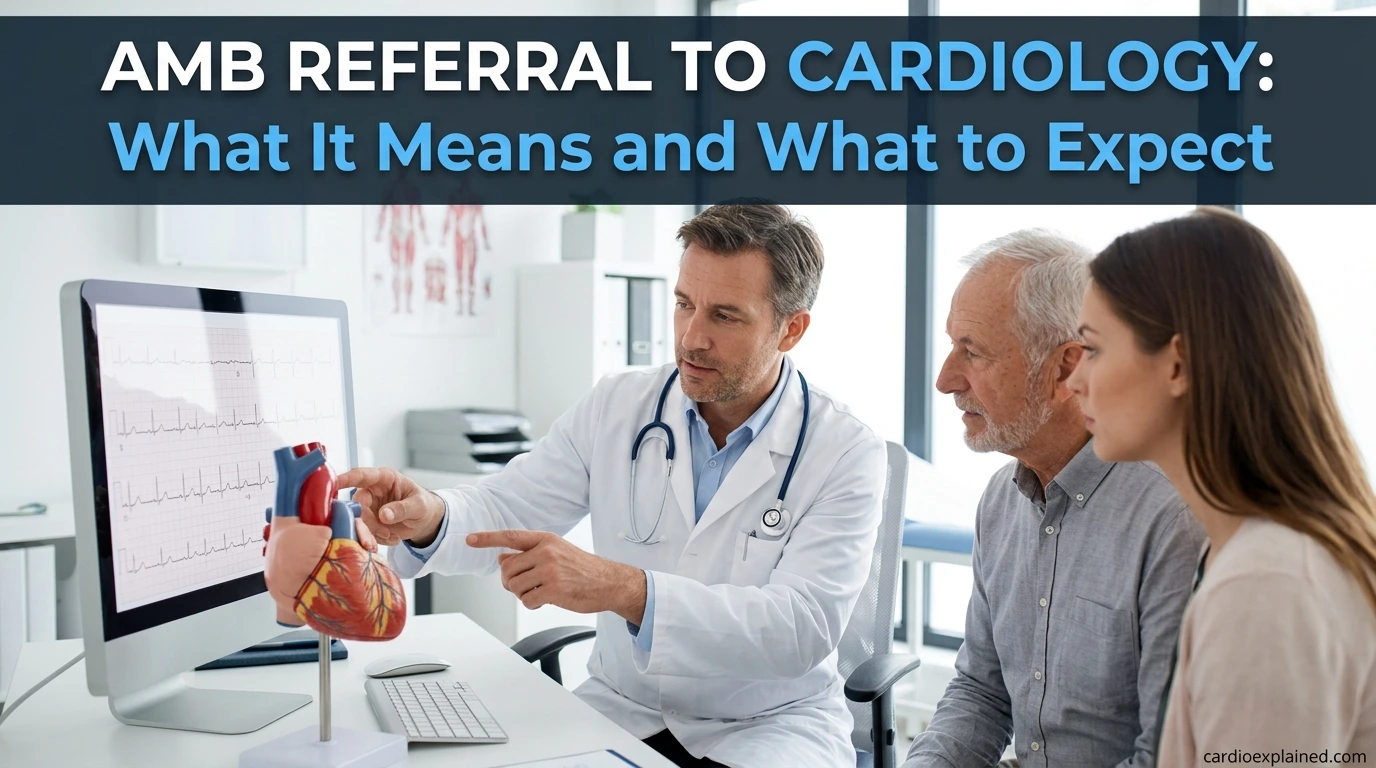
Amb referral to cardiology is a request for a heart specialist visit in an outpatient setting. It helps patients get expert heart care without staying in a hospital. Doctors use it when heart symptoms, test results, or risk factors need a closer look.
Have you seen a note that says “AMB referral to cardiology” and felt confused?
Many people notice this term in a health record. They often wonder what it means. An amb referral to cardiology usually means your doctor wants a heart specialist to review your care.
This step does not always mean something is wrong. In many cases, it helps rule out problems early. A cardiologist can check symptoms, review tests, and suggest next steps. You may have questions about appointments, heart tests, and specialist clinics. Knowing what to expect can help you feel calmer and more prepared.
❤️ Understanding an Amb Referral to Cardiology
An ambulatory referral means a referral for outpatient care. Outpatient care happens without a hospital stay.
When a doctor sends an amb referral to cardiology, they want a cardiologist to review your heart health. A cardiologist is a doctor who treats heart and blood vessel conditions.
Doctors may make this referral for many reasons:
- ✅ Chest pain
- ✅ Heart palpitations, or skipped heartbeats
- ✅ Shortness of breath
- ✅ High blood pressure
- ✅ Abnormal test results
- ✅ Family history of heart disease
The referral helps connect you with the right specialist.
Why Your Doctor May Recommend a Heart Specialist
Primary care doctors treat many health issues. Sometimes they need a specialist’s opinion.
A cardiologist may help if symptoms continue. They may also help if tests show something unusual.
For example, a patient may report chest discomfort during walks. The primary doctor may order basic tests first. If concerns remain, the patient may see a cardiologist.
This process follows common medical practice. Groups like the American Heart Association and American College of Cardiology support early evaluation when heart risks exist.
🩺 What Happens After the Referral?

Many patients feel nervous before their first visit. That feeling is very common.
After the referral, the specialist’s office may contact you. Sometimes you need to call and schedule the visit yourself.
Bring these items to your appointment:
- 📋 Insurance information
- 📋 Medication list
- 📋 Recent test results
- 📋 Questions for the doctor
The cardiologist will ask about symptoms and health history.
Common Heart Tests You May Receive
Some patients need additional testing.
| Test | What It Does | What You Can Expect |
| EKG | Checks heart rhythm | Small stickers on the chest |
| Echocardiogram | Uses sound waves to view the heart | Painless ultrasound exam |
| Stress Test | Shows heart function during activity | Walking on a treadmill |
| Heart Monitor | Records heart rhythm over time | Wear a small device |
These tests help doctors understand how your heart works.
How Long Does the Process Take?
Timing varies by clinic.
Some patients get appointments within days. Others may wait several weeks.
Urgent symptoms often receive faster scheduling.
📋 Conditions a Cardiologist May Evaluate
A cardiologist looks at many heart-related concerns.
Some common conditions include:
- ✅ High blood pressure
- ✅ Heart rhythm problems
- ✅ Heart valve issues
- ✅ Coronary artery disease
- ✅ Heart failure
- ✅ High cholesterol
Coronary artery disease means narrowed heart arteries. These arteries supply blood to the heart.
Heart failure does not mean the heart stops. It means the heart does not pump as well as it should.
When Symptoms Need Quick Attention
Some symptoms need prompt medical care.
Seek emergency help if you have:
- ⚠️ Severe chest pain
- ⚠️ Trouble breathing
- ⚠️ Fainting
- ⚠️ Signs of stroke
Do not wait for a routine specialist visit during emergencies.
⏱️ Finding Cardiology Care and Specialist Clinics
Many large health systems offer cardiology services across several locations.
People often search for heart specialists in different communities. One well-known network is the cardiology program at Henry Ford Health.
Henry Ford Cardiology Doctors
Patients often look for experienced cardiologists near home.
Large health systems usually have doctors with different interests. Some focus on heart rhythm issues. Others focus on heart imaging or heart failure care.
When choosing a doctor, consider:
- ✅ Location
- ✅ Insurance coverage
- ✅ Appointment availability
- ✅ Area of expertise
Best Cardiologist at Henry Ford Hospital
There is no single doctor who is best for everyone.
The right cardiologist depends on your needs. A doctor who treats rhythm problems may differ from one who treats valve disease.
Patient reviews and referrals may help. Your primary doctor can also guide you.
Henry Ford Cardiology West Bloomfield
Many patients seek heart care in West Bloomfield.
This location offers access to cardiology services and testing. Available services may vary over time.
Henry Ford Cardiology Macomb
Macomb-area patients often look for local heart care options.
Many cardiology clinics aim to provide testing, follow-up visits, and ongoing management close to home.
❤️ Specialty Programs and Training
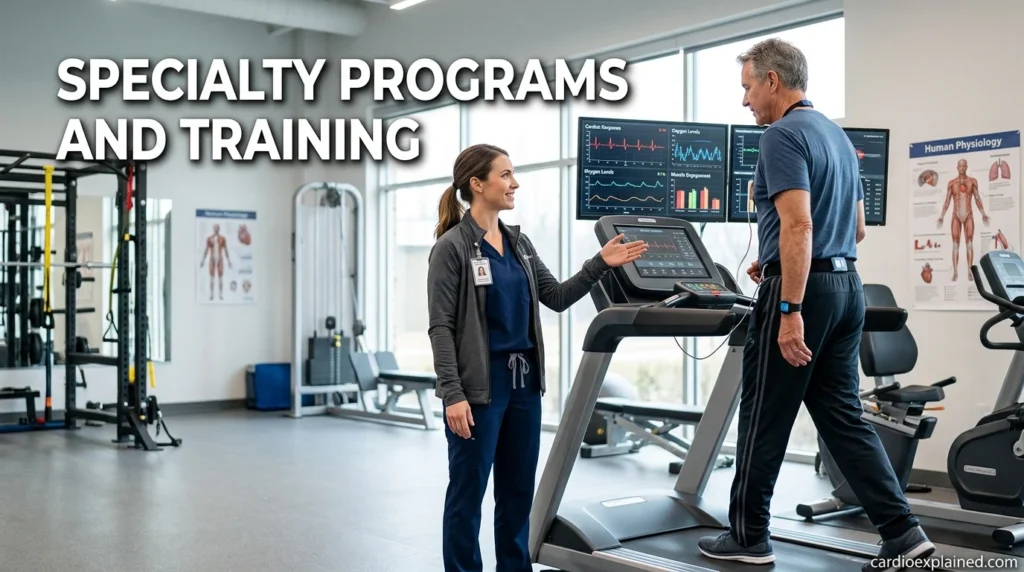
Heart care involves more than office visits.
Many centers offer advanced programs and physician training.
Henry Ford Cardiology Jackson
Patients in Jackson may have access to local cardiology services through regional clinics and affiliated programs.
Local care can reduce travel time. It may also improve follow-up visits.
Henry Ford Cardiology Grand Blanc
Grand Blanc patients often seek nearby heart evaluations and testing.
Community locations help patients receive care closer to where they live.
Henry Ford Cardiology Fellows
Fellows are doctors receiving advanced specialty training.
They already completed medical school and residency.
A fellow works under experienced cardiologists. This approach supports learning and patient care.
Teaching hospitals often include fellows on the care team.
Henry Ford Cardiology Brownstown MI
Brownstown-area patients may search for nearby cardiology appointments and testing.
Many health systems expand services into local communities. This helps improve access to care.
✅ How to Prepare for Your Cardiology Visit
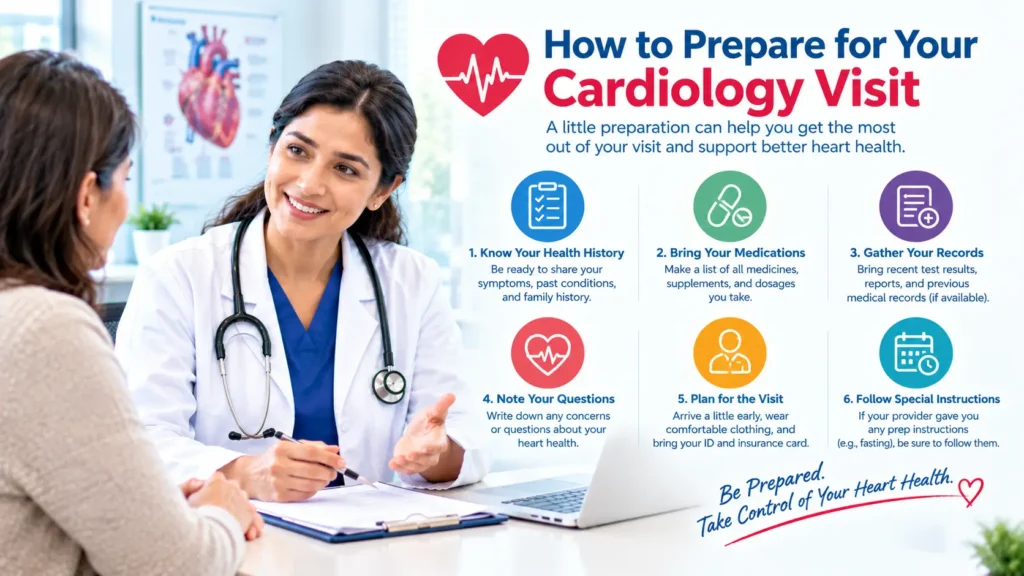
Good preparation can make the visit easier.
Before your appointment:
- Write down your symptoms.
- Note when symptoms started.
- List all medications.
- Gather past test results.
- Bring family medical history.
Questions You May Want to Ask
Consider asking:
- What may cause my symptoms?
- Do I need more tests?
- What lifestyle changes may help?
- When should I return?
- What warning signs should I watch for?
These questions can help you understand your care plan.
A Real-Life Example
A 58-year-old patient noticed shortness of breath while climbing stairs.
The primary doctor ordered basic testing. Results suggested more evaluation. The patient received an amb referral to cardiology and completed a stress test. The specialist found risk factors and recommended treatment and follow-up care.
Another patient felt frequent skipped heartbeats.
A cardiologist reviewed symptoms and ordered a heart monitor. The test helped explain the symptoms and guide future care.
These examples show how referrals may help identify concerns early.
Frequently Asked Questions
Q: Does an amb referral to cardiology mean I have heart disease?
A: No. An amb referral to cardiology does not automatically mean heart disease. Doctors often use referrals to gather more information and rule out serious problems.
Q: Who are Henry Ford Cardiology doctors?
A: Henry Ford Cardiology doctors are heart specialists within the Henry Ford Health system. They may focus on different areas of heart care, depending on training and experience.
Q: How do I find the best cardiologist at Henry Ford Hospital?
A: The best choice depends on your needs. Consider expertise, location, insurance coverage, and recommendations from your doctor.
Q: What services are available at Henry Ford Cardiology West Bloomfield?
A: Services may include heart consultations, testing, and follow-up care. Specific services can vary by location and provider.
Q: What is the role of Henry Ford cardiology Fellows?
A: Fellows are physicians receiving advanced heart-care training. They work with experienced cardiologists and help support patient care.
Q: Are Henry Ford Cardiology Macomb, Jackson, Grand Blanc, and Brownstown locations available for local care?
A: Many patients seek care through these community locations. Services and provider availability may change, so checking directly with the clinic is helpful.
Conclusion
An amb referral to cardiology is a common step in heart care. It helps connect patients with specialists who can review symptoms and test results. Many referrals happen to gather more information, not because of a serious diagnosis.
Knowing what to expect can ease stress before your visit. Bring your medical information, ask questions, and follow your doctor’s guidance. Early evaluation may help identify concerns sooner and support better heart health. Talk to a cardiologist if you have any heart concerns.