
A heart health check is a medical assessment that helps you understand your cardiovascular health and identify risk factors for heart disease.
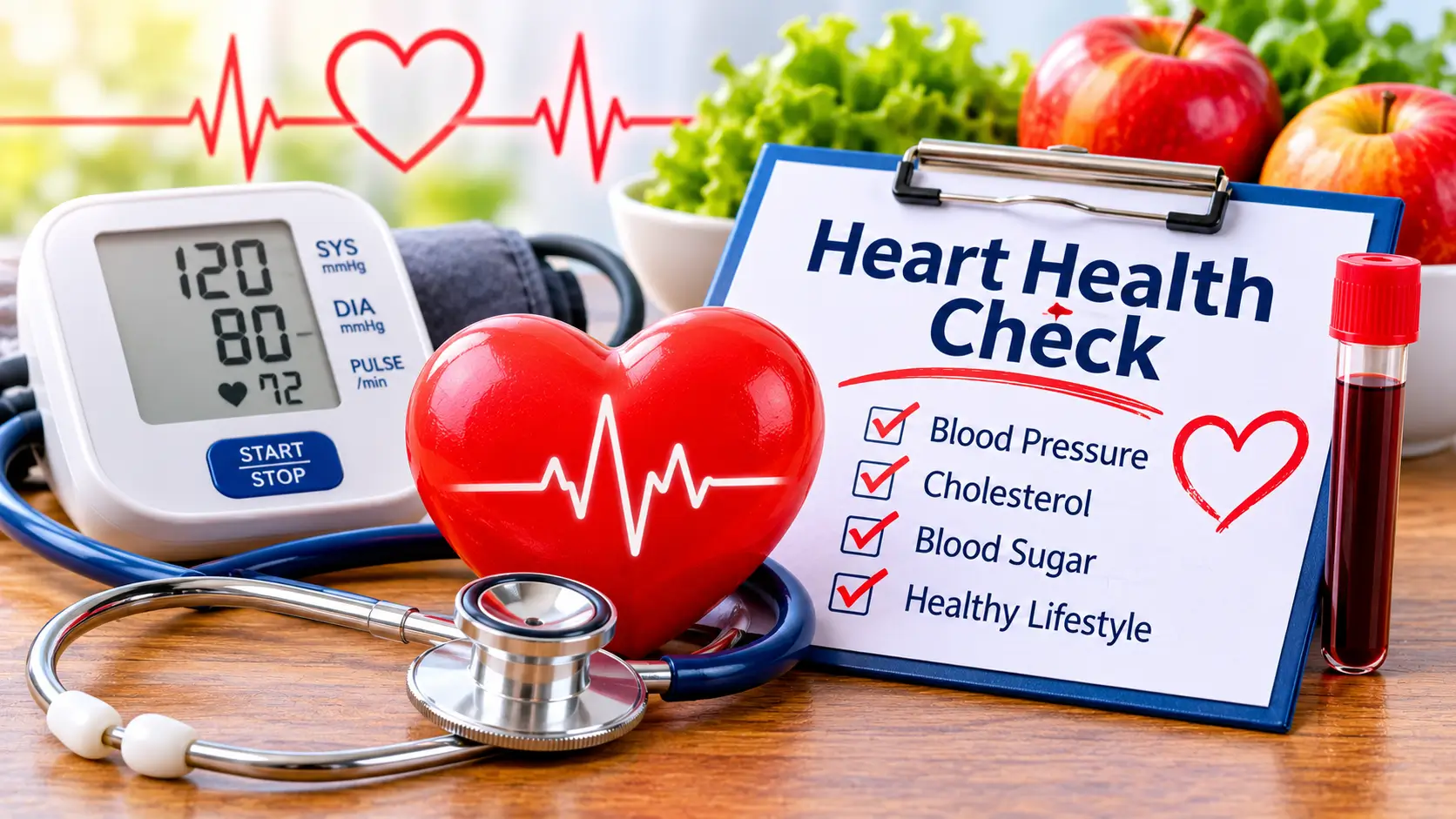
It may include blood pressure measurement, cholesterol and blood sugar tests, a review of your medical history, and an assessment of lifestyle habits.
The tests you need depend on your age, symptoms, family history, and personal risk factors.
Your heart works continuously to pump blood and deliver oxygen throughout your body. Keeping it healthy involves more than paying attention to symptoms. Some conditions that affect the heart, including high blood pressure and high cholesterol, can develop without noticeable warning signs.
A regular heart health check can help identify these problems early and give you a clearer picture of your cardiovascular risk. It can also help your healthcare professional decide whether you need lifestyle changes, medication, or further medical testing.
This guide explains what a heart health check includes, which tests may be recommended, how often you may need screening, and how to understand common results. It also covers the difference between routine screening and diagnostic testing, so you can make informed decisions about your health.
What Is a Heart Health Check?
A heart health check is a preventive assessment of your heart and blood vessels. It helps identify factors that may increase your risk of developing cardiovascular disease.
A healthcare professional may review:
- Blood pressure
- Total cholesterol and LDL cholesterol
- HDL cholesterol and triglycerides
- Blood sugar levels
- Body weight and waist measurement
- Smoking and tobacco use
- Physical activity and eating habits
- Personal and family medical history
Not everyone needs every available heart test. A healthcare professional selects the appropriate checks based on your health history, age, symptoms, and risk factors.
Why Is a Heart Health Check Important?
Heart disease can develop gradually. Some of its major risk factors do not cause obvious symptoms in their early stages.
For example, you may have high blood pressure or unhealthy cholesterol levels without feeling unwell. A preventive assessment can help identify these issues before they contribute to more serious problems.
A heart health check can help you:
- Identify high blood pressure.
- Check cholesterol levels.
- Screen for diabetes or elevated blood sugar when appropriate.
- Understand your risk of heart attack and stroke.
- Review family history and lifestyle factors.
- Discuss preventive steps with a healthcare professional.
- Determine whether further testing is necessary.
According to the CDC, high blood pressure, high cholesterol, and smoking are important risk factors for heart disease. Age, family history, and other health conditions can also affect cardiovascular risk.
CDC+1
What Tests Are Included in a Heart Health Check?
The tests included in your assessment depend on your individual needs. The following are common checks used to evaluate cardiovascular health.
1. Blood Pressure Measurement
Blood pressure measurement is one of the most common parts of a heart health check.
It measures the force of blood against the walls of your arteries. High blood pressure can increase the risk of heart attack, stroke, and other cardiovascular problems.
A blood pressure reading contains two numbers:
- Systolic pressure: The top number, which measures pressure when your heart beats.
- Diastolic pressure: The bottom number, which measures pressure between heartbeats.
A reading below 120/80 mm Hg is generally considered normal for adults. A single high reading does not necessarily mean you have hypertension. Your healthcare professional may recommend repeat measurements or home monitoring.
The American Heart Association recommends regular blood pressure checks, even when you feel healthy.
American Heart Association
2. Cholesterol Blood Test
A cholesterol test, also known as a lipid profile, measures different types of fats in your blood.
High levels of certain blood lipids can contribute to plaque buildup in the arteries. This may increase the risk of cardiovascular disease.
A lipid profile commonly measures:
| Test | What it measures |
| Total cholesterol | The overall amount of cholesterol in your blood |
| LDL cholesterol | Often called bad cholesterol because high levels can contribute to artery plaque |
| HDL cholesterol | Helps transport cholesterol away from the arteries |
| Triglycerides | A type of fat used by your body for energy |
Your healthcare professional considers these results alongside other risk factors. A cholesterol result should not be interpreted in isolation.
Depending on the test and your medical situation, fasting may or may not be required. Follow the instructions provided by your healthcare professional.
3. Blood Sugar Test
Blood sugar testing helps identify diabetes or prediabetes, which can increase cardiovascular risk.
Two common tests include:
Fasting blood glucose: Measures blood sugar after you have avoided food and drinks other than water for the instructed period.
HbA1c test: Measures your average blood sugar level over approximately the previous two to three months.
Your healthcare professional may recommend one or both tests based on your age, weight, medical history, and other risk factors.
4. Body Weight and Waist Measurement
Weight, height, and waist circumference can provide additional information about your health.
A healthcare professional may calculate your body mass index (BMI), which compares your weight with your height. Waist measurement can also help assess abdominal fat.
These measurements do not diagnose heart disease. They are considered alongside blood pressure, cholesterol, blood sugar, and other health information.
5. Medical and Family History Review
A heart health assessment is not limited to physical measurements and laboratory tests. Your medical and family history also matters.
Your healthcare professional may ask about:
- Previous heart disease or stroke
- High blood pressure
- Diabetes or high blood sugar
- High cholesterol
- Smoking or tobacco use
- Physical activity and eating habits
- Current medicines and supplements
- Close relatives with early heart disease
- Symptoms such as chest discomfort or breathlessness
This information helps determine whether you need routine screening or a more detailed cardiovascular assessment.
Are ECG, Echocardiograms, and Stress Tests Necessary?
Not everyone needs advanced heart tests during a routine checkup. These tests are generally used when symptoms, medical history, or examination findings provide a reason.
Electrocardiogram (ECG or EKG)
An ECG records the electrical activity of your heart. It can help healthcare professionals investigate irregular heart rhythms and certain other heart-related problems.
An ECG may be recommended if you have symptoms such as palpitations, chest discomfort, or unexplained fainting.
However, a normal ECG does not rule out every heart condition. The U.S. Preventive Services Task Force recommends against routine ECG screening for cardiovascular disease in adults without symptoms who are at low risk.
United States Preventive Services Taskforce+1
Echocardiogram
An echocardiogram uses ultrasound waves to create images of your heart.
It can help assess:
- Heart structure
- Heart valve function
- Heart chamber size
- Pumping function
- Movement of the heart muscle
A healthcare professional may recommend this test when there is a reason to investigate a suspected structural or functional heart problem.
Exercise Stress Test
An exercise stress test monitors your heart while you exercise, usually on a treadmill or stationary bicycle.
It may help investigate certain symptoms or suspected heart conditions. It is not a necessary screening test for every healthy adult.
Coronary CT Scan
A coronary CT scan uses imaging technology to examine the heart and coronary arteries. Certain types of scans can help assess calcium buildup or investigate possible coronary artery disease.
This test is generally considered when a healthcare professional believes the additional information could help guide medical decisions.
How Often Should You Get a Heart Health Check?
The frequency of cardiovascular screening depends on your health and personal risk factors. People with high blood pressure, diabetes, abnormal cholesterol, or existing cardiovascular disease may need more frequent monitoring.
The American Heart Association provides the following general screening guidance for adults:
| Health check | General guidance |
| Blood pressure | At least once a year if normal and below 120/80 mm Hg |
| Cholesterol | Every 4–6 years for adults at normal risk |
| Weight and BMI | During regular healthcare visits |
| Blood glucose | Screening frequency depends on age and risk factors |
| Lifestyle habits | Discuss during regular healthcare visits |
These are general recommendations, not a personal medical schedule. Your healthcare professional may recommend different intervals depending on your health.
American Heart Association
Who Should Consider a Heart Health Check?
Adults can discuss cardiovascular screening during routine healthcare visits. A more detailed assessment may be especially useful if you:
- I have high blood pressure.
- Have high LDL cholesterol.
- Have diabetes or prediabetes.
- Smoke or use tobacco.
- Are physically inactive.
- Have a close relative with early heart disease.
- Have previously experienced a heart attack or stroke.
- Have symptoms that may be related to a heart condition.
People who already have cardiovascular disease may need a personalized monitoring plan rather than a general screening schedule.
How to Prepare for a Heart Health Check
Preparing for your appointment can help make the assessment more useful.
- List your medicines: Include prescription medicines, over-the-counter products, and supplements.
- Bring previous test results: Earlier blood pressure and cholesterol readings can help show changes over time.
- Know your family history: Mention close relatives who have experienced early heart disease or stroke.
- Write down symptoms: Record when symptoms occur and how long they last.
- Ask about fasting: Some blood tests may require preparation, while others do not.
- Prepare questions: Ask what your results mean and whether you need follow-up testing.
Do not stop prescribed medication or change its dose before testing unless your healthcare professional advises you to.
How to Maintain Good Heart Health Between Checkups
A heart health check can help identify risk factors, but everyday habits also play an important role in cardiovascular health.
Eat a Balanced Diet
Choose a variety of vegetables, fruits, whole grains, beans, nuts, and seeds. Include suitable sources of protein and limit excessive salt, added sugar, and highly processed foods.
Stay Physically Active
Regular physical activity supports cardiovascular fitness and overall health.
For most adults, the American Heart Association recommends at least 150 minutes of moderate-intensity activity or 75 minutes of vigorous activity each week. You can combine different activities, such as walking, cycling, and swimming.
Start gradually if you are not used to exercising. Ask a healthcare professional for advice if you have a known heart condition or symptoms during activity.
Avoid Smoking and Tobacco
Smoking can damage blood vessels and increase the risk of heart disease. Avoid tobacco products and seek professional support if you want to quit.
Maintain a Healthy Weight
A healthy weight can support blood pressure, blood sugar, and cholesterol management. Focus on sustainable eating and activity habits rather than extreme diets.
Get Enough Sleep
Most adults need around seven to nine hours of sleep each night. A consistent sleep schedule can support general health.
Manage Stress
Ongoing stress can affect daily habits and overall well-being. Regular physical activity, relaxation techniques, social support, and sufficient sleep may help you manage stress.
When Should You Seek Medical Help?
A routine heart health check is not a substitute for emergency medical care.
Seek emergency medical attention if you experience:
- Chest pain, pressure, squeezing, or discomfort
- Severe or sudden shortness of breath
- Fainting or sudden collapse
- Sudden weakness or numbness, particularly on one side of the body
- Sudden difficulty speaking or understanding speech
These symptoms may indicate a heart attack, stroke, or another serious condition. Do not wait for a routine appointment or scheduled heart test.
Frequently Asked Questions
1. What is included in a basic heart health check?
A basic assessment may include blood pressure measurement, cholesterol testing, blood sugar screening when appropriate, weight measurement, and a review of your medical and family history. Additional tests depend on your symptoms and cardiovascular risk factors.
2. Can I check my heart health at home?
You can monitor certain health measurements at home, particularly blood pressure, weight, and physical activity. However, these checks cannot fully assess your cardiovascular health or rule out heart disease. Discuss unusual readings or concerning symptoms with a healthcare professional.
3. Does a normal ECG mean my heart is healthy?
Not necessarily. An ECG records the electrical activity of your heart, but it cannot detect every possible heart condition. A normal result does not rule out all coronary artery disease or future cardiovascular risk.
4. Which blood tests are useful for checking heart health?
A lipid profile measures cholesterol and triglycerides, while blood glucose and HbA1c tests help assess diabetes risk. Other blood tests may be recommended depending on your symptoms and medical history.
5. At what age should you start heart health checks?
Adults can discuss cardiovascular risk assessment during routine healthcare visits. Cholesterol screening is commonly recommended from early adulthood, while blood pressure and diabetes screening schedules depend on individual risk and local guidelines.
6. Do healthy people need regular heart checkups?
Yes. People who feel healthy can still have high blood pressure, abnormal cholesterol, or elevated blood sugar. Routine preventive healthcare can help identify these risk factors before symptoms develop.
7. Is a treadmill stress test necessary for everyone?
No. A treadmill stress test is not a routine requirement for every healthy adult. A healthcare professional may recommend it when symptoms, medical history, or examination findings suggest that further assessment is needed.
8. Can a heart health check detect heart disease?
A heart health check can identify important cardiovascular risk factors and may help detect certain problems. However, routine screening does not diagnose every type of heart disease. Additional diagnostic tests may be necessary when symptoms or clinical findings suggest a heart condition.
Key Takeaway
A heart health check helps you understand your cardiovascular risk through blood pressure measurements, cholesterol and blood sugar tests, and a review of your medical history. Regular preventive assessments can identify important risk factors, even when you feel healthy.
The most suitable screening plan depends on your age, symptoms, family history, and overall health. Work with a healthcare professional to understand your results and decide whether further testing is necessary.