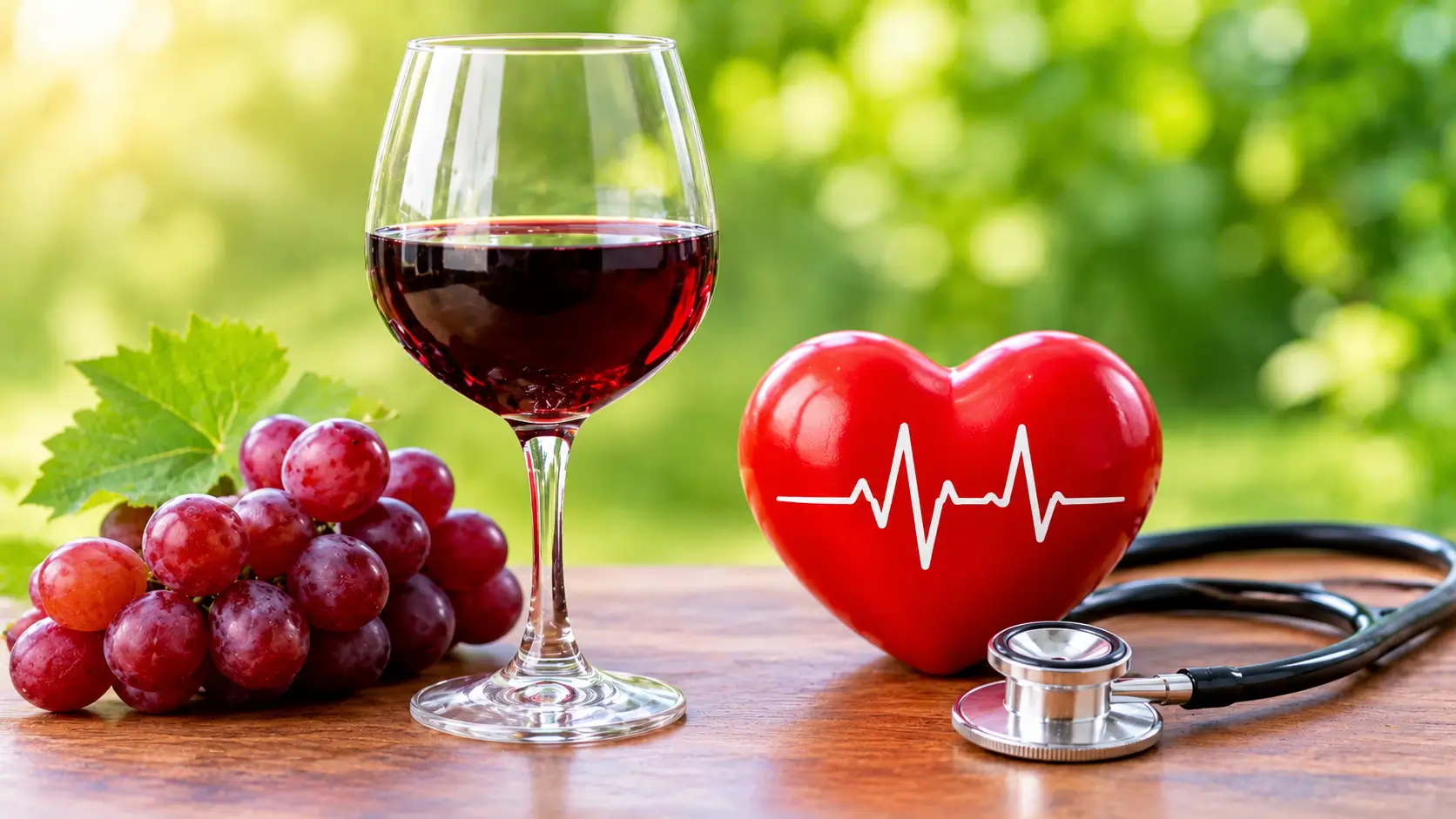

Red wine has not been proven to protect the heart. The American Heart Association says alcohol does not improve heart health, and the World Health Organization says no amount is beneficial.
Compounds like resveratrol come from grapes, so you can get them without the alcohol.
For decades, a nightly glass of red wine was treated as a small act of self-care for the heart. Magazines repeated it, doctors sometimes nodded along, and many people built it into their routines.
The story has changed. Large reviews now point out that the original findings came from observational studies, which can mislead. Federal advice shifted again in 2026. Meanwhile, researchers keep studying the plant compounds in red wine, which might behave differently once the alcohol is removed.
This article follows the idea from its origin to the present. It looks at what is actually in a glass of red wine, what trials found, and what the risks are. It also covers who should avoid alcohol entirely and how to get grape compounds in other ways. This is general information, so talk to your doctor about your own situation.
How Red Wine Earned Its Reputation
The “French paradox” is the usual starting point. Researchers noticed in the 1980s that people in France had relatively low rates of coronary heart disease despite high-fat diets, and red wine was proposed as one possible reason.
Many later studies seemed to agree. Research suggested that people who drink regular, limited amounts, including red wine, seem to have no added risk, or perhaps a lower risk, of coronary artery disease and stroke. But the same source adds a caution: the lower risk may be linked to other factors.
That caution is the key. The idea that light drinking, especially of red wine, protects the heart comes largely from observational studies, which are vulnerable to bias. People who drink small amounts regularly often differ from non-drinkers in income, diet, exercise, and social life.
What Current Guidance Says
The American Heart Association
The AHA says alcohol does not protect heart health, and that benefits seen in older studies likely reflected lifestyle differences rather than alcohol itself. It links alcohol use to higher blood pressure, higher triglycerides, irregular rhythms such as atrial fibrillation, and greater risk of stroke and heart failure, especially as intake rises.
The AHA and the National Heart, Lung, and Blood Institute say people should not start drinking just to prevent heart disease.
The World Health Organization
The WHO takes the position that no amount of alcohol is considered beneficial to health. Other health authorities likewise say even low levels of drinking can raise risks, including for certain cancers.
The 2026 U.S. Dietary Guidelines
This is the newest development. The 2025–2030 Dietary Guidelines for Americans were released on January 7, 2026. They dropped the earlier daily limits of one drink for women and two for men, and instead say to consume less alcohol for better health. They do not set daily limits, and the American Association for the Study of Liver Diseases raised concern about removing the numbers.
For readers, “drink less” is broad. It does not mean wine has become heart-healthy. It means the government’s message is to cut down, not to add alcohol for benefit.
What Is Actually in the Glass?
Red wine contains alcohol, water, a little sugar, and plant compounds from grape skins called polyphenols. Resveratrol, one polyphenol, comes from the skin of the grapes used to make wine, and the amount in wine can vary widely.
In lab and some human studies, these compounds have shown effects on blood vessels and inflammation. Some research suggests resveratrol may make blood clots and inflammation less likely, but other studies found that it does not protect against heart disease.
What Trials Found
Resveratrol Supplements
If resveratrol were the secret, pills should work. A systematic review of trials found that resveratrol supplements did not improve measures linked to heart risk, including blood pressure, blood glucose, cholesterol, or C-reactive protein.
The authors pooled 10 trials, which were relatively small, and the study looked at lab results rather than actual heart disease. Mayo Clinic adds that the body may not absorb most of the resveratrol in supplements.
One widely repeated estimate says you would have to drink a huge volume of wine to match a trial dose. One report quoting doctors put it at 500 to 2,000 liters of red wine a day for a gram of resveratrol. Estimates vary, but the point stands: a glass of wine delivers only a small amount.
Red Wine Polyphenols and Blood Pressure
Results here are modest. A 2020 meta-analysis found a small average drop in systolic blood pressure of about 2.6 mmHg with red wine polyphenols, and a somewhat larger drop in studies of pure resveratrol. A change that small may matter little for an individual, and it does not show fewer heart attacks.
Dealcoholized Red Wine
A more interesting finding comes from removing the alcohol. A crossover trial gave participants red wine, dealcoholized red wine, or gin for four weeks each. Blood pressure fell significantly after the dealcoholized red wine, and the change tracked with a rise in plasma nitric oxide.
The authors suggested it could be useful for low to moderate hypertension, but this was one short trial, so more research is needed.
The Other Side of the Ledger
Alcohol carries documented risks that sit alongside any possible benefit:
- Blood pressure and rhythm. Higher blood pressure, higher triglycerides, and atrial fibrillation are among the heart-related effects the AHA links to alcohol.
- Cancer. Research has linked alcohol with at least seven types of cancer.
- Liver and other diseases. Documented effects include fatty liver disease and cirrhosis, along with heart disease, including cardiomyopathy and stroke.
- Dependence. Some people who drink have trouble stopping.
- Larger pours than you think. A standard glass of wine is 5 ounces at about 12% alcohol. One physician quoted in a news report said many people fill a glass to around 10 ounces, which means they may be drinking two or more standard drinks.
If You Already Drink Red Wine
Nothing here suggests that someone who enjoys an occasional glass should panic. A few practical points:
- Measure a standard pour at home, so you know what a “glass” is
- Keep amounts small and include alcohol-free days
- Drink with food, and alternate with water
- Avoid heavy drinking in a single session
- Skip alcohol before driving or when taking interacting medicines
- Ask your doctor whether alcohol suits your blood pressure, rhythm, liver, and medicines
Who Should Avoid It Altogether
Alcohol is a poor fit for people who:
- Are pregnant or trying to conceive
- Have atrial fibrillation, cardiomyopathy, heart failure, or poorly controlled high blood pressure, unless their doctor says otherwise
- Have liver disease or a history of alcohol problems
- Take medicines that interact with alcohol, including some blood thinners, sedatives, and diabetes medicines
- Are under the legal drinking age
Many people avoid alcohol for religious, personal, or health reasons, and nothing is lost for the heart by doing so.
Getting Grape Compounds Without Alcohol
If polyphenols are the draw, you have other routes:
- Whole grapes, berries, and nuts. Mayo Clinic notes that eating grapes or drinking grape juice is a way to get resveratrol without alcohol, and that peanuts, blueberries, and cranberries have some too. Whole fruit also brings fiber.
- Grape juice in small amounts. It is high in sugar, so whole fruit is usually the better choice.
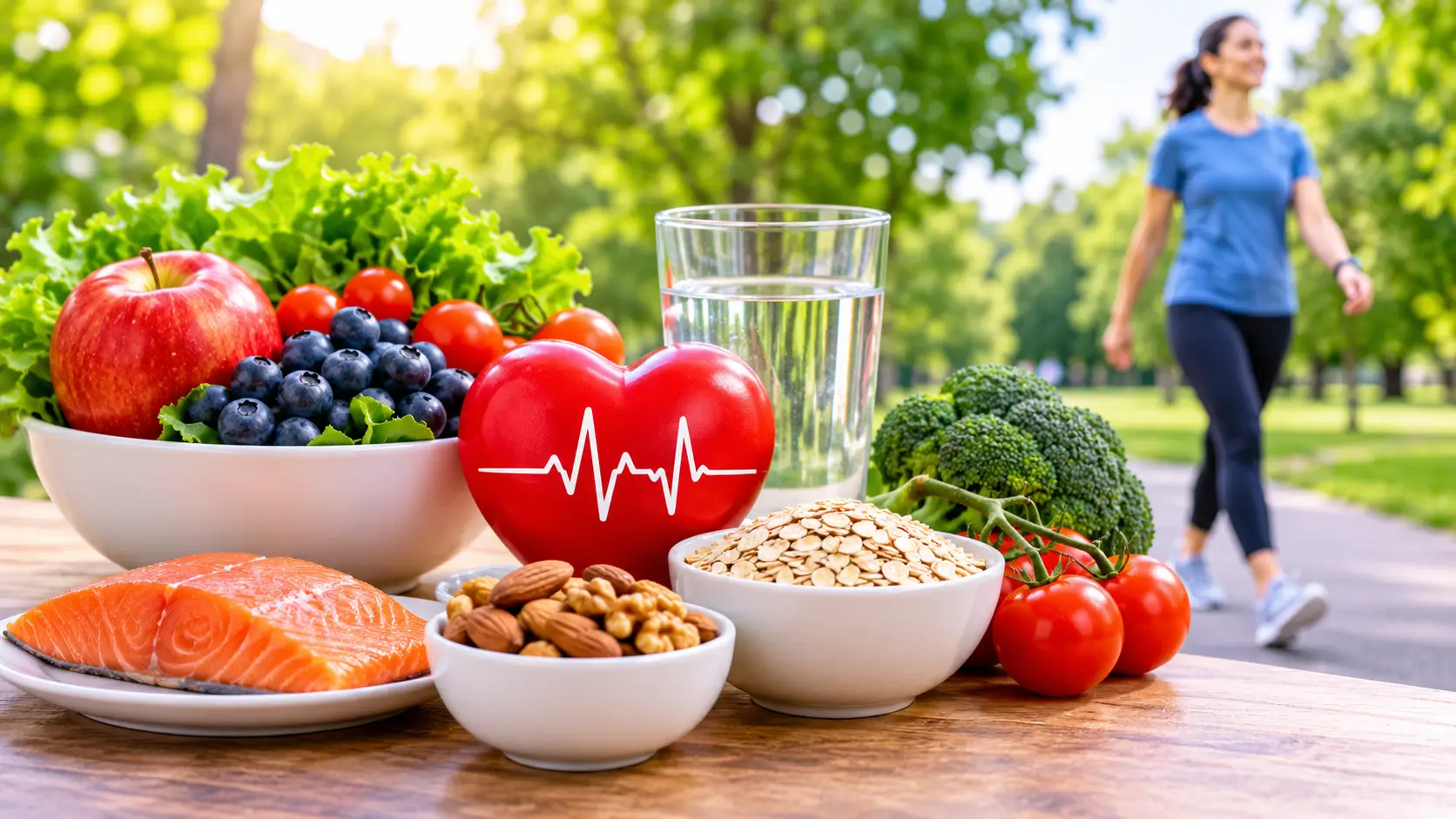
- A pattern, not a pill. The Mediterranean-style way of eating centers on vegetables, legumes, whole grains, fish, nuts, and olive oil. That pattern, not wine, is where most of the heart benefit comes from.
- Alcohol-free wine. The small trial above is interesting, but treat it as unproven and watch the sugar content on labels.
Frequently Asked Questions
Is red wine good for your heart?
Not in a way that has been proven. Older studies linked light drinking with lower heart risk, but those findings may reflect lifestyle differences. The American Heart Association says alcohol does not protect heart health, and it advises against starting to drink for the heart.
Does red wine lower cholesterol or blood pressure?
Not reliably. Small studies suggest red wine polyphenols may lower systolic pressure slightly, but the effect is small. Alcohol itself can raise blood pressure and triglycerides. Diet, activity, weight control, and prescribed medicines remain the main tools.
Are resveratrol supplements worth taking?
Evidence does not support them. A review of randomized trials found no improvement in blood pressure, blood sugar, cholesterol, or inflammation markers. Mayo Clinic notes the body may absorb little of the supplement, and side effects are possible. Ask your doctor first.
What do the 2026 dietary guidelines say about alcohol?
The 2025–2030 guidelines, released January 7, 2026, advise consuming less alcohol for better health. They dropped the earlier numeric daily limits, which some medical groups criticized. They do not say alcohol benefits the heart.
Is non-alcoholic red wine healthier for the heart?
It removes the alcohol, and one short trial found lower blood pressure with dealcoholized red wine. But evidence is limited, and products can contain added sugar. Treat it as a drink choice, not a heart treatment.
Is one glass of red wine a day safe?
There is no universal answer. Some people tolerate it, but any level carries some risk, and the effects depend on your blood pressure, heart rhythm, liver, medicines, and family history. Ask your doctor, and remember that a home pour is often larger than a standard glass.
Key Takeaway
Red wine has not been shown to protect the heart. The reputation grew from observational studies that may reflect other habits, and current guidance from the American Heart Association and the WHO says alcohol offers no proven heart benefit. The 2026 U.S. Dietary Guidelines point toward drinking less.
Grape compounds like resveratrol can be found in fruit, and supplements have not performed well in trials. If you drink, keep it modest and check with your doctor, especially if you have high blood pressure, an irregular rhythm, or take medicines.
If you do not drink, there is no heart reason to start. For chest pain or severe breathlessness, call your local emergency number.