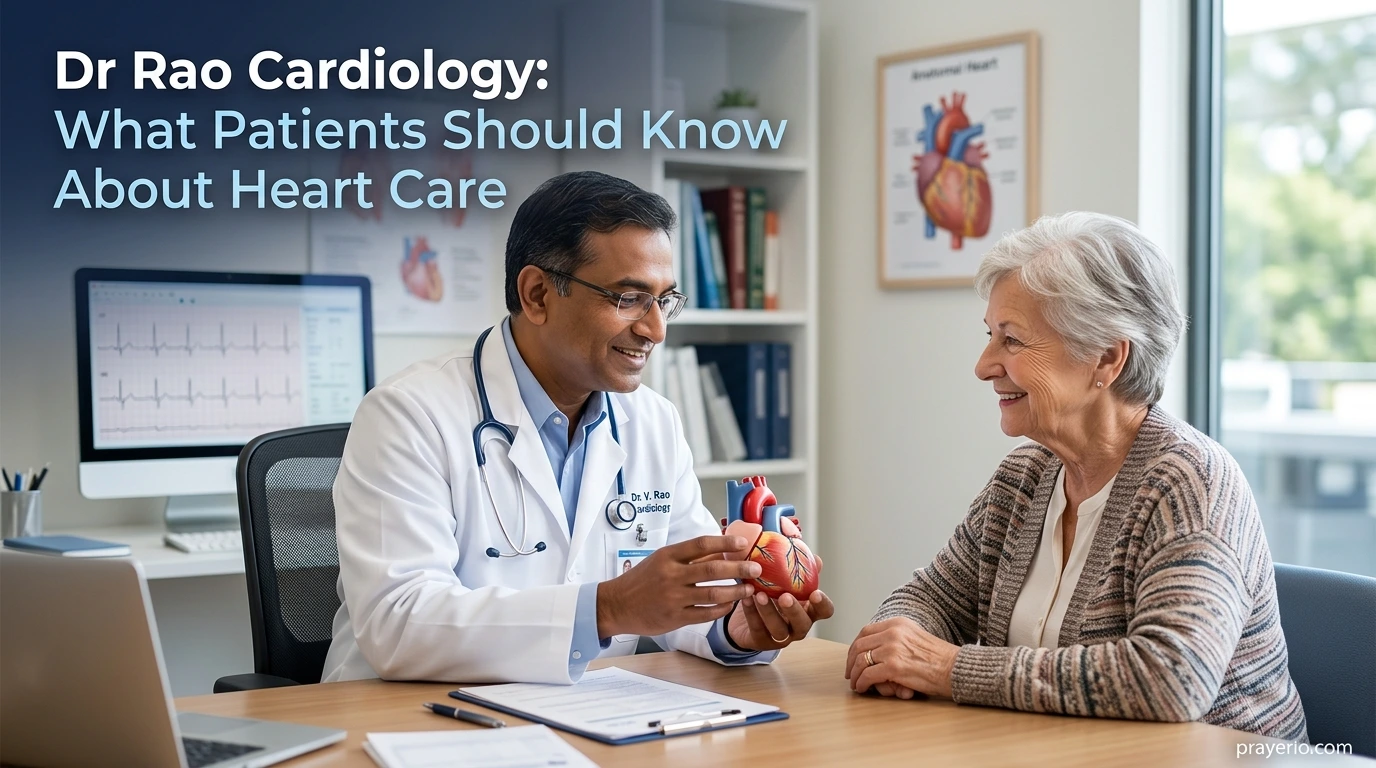

Dr Rao cardiology refers to heart care provided by a cardiologist named Dr. Rao or a cardiology practice linked to that name. It focuses on finding, treating, and managing heart and blood vessel problems. Doctors use heart tests, exams, and treatment plans to help patients stay healthy and lower heart risks.
Have you ever felt chest discomfort and wondered what it means? Maybe a loved one has heart disease and needs expert care. Heart health can feel scary at first. Good information can make things easier.
When people search for dr rao cardiology, they often want to learn about heart doctors, tests, and treatment choices. They may also want to know what happens during a visit. Understanding the basics can help you feel more prepared. Heart care involves more than treating illness. It also helps prevent future problems. With the right guidance, many people can manage heart conditions and enjoy active lives.
❤️ Understanding Dr Rao Cardiology and Heart Care
Cardiology is the branch of medicine that focuses on the heart and blood vessels. A cardiologist is a doctor who studies and treats heart conditions.
Many people visit a cardiologist for:
- ❤️ Chest pain
- ❤️ High blood pressure
- ❤️ Irregular heartbeats
- ❤️ Shortness of breath
- ❤️ High cholesterol
- ❤️ Family history of heart disease
A heart doctor looks for signs of disease. They also help prevent future problems.
The goal of dr rao cardiology services is often to support heart health through testing, education, and treatment plans that fit each patient.
What Is a Cardiology Doctor?
A cardiology doctor is a physician who specializes in heart care. They complete medical school and extra training in cardiology.
These doctors help diagnose and manage conditions such as:
- ❤️ Coronary artery disease, which affects blood flow
- ❤️ Heart failure, when the heart pumps less effectively
- ❤️ Heart rhythm problems
- ❤️ Heart valve disease
Many patients feel nervous before their first visit. This feeling is common. Most appointments begin with questions about symptoms, health history, and lifestyle habits.
What Is a General Cardiology Fellowship?
A general cardiology fellowship is advanced medical training. Doctors enter this program after finishing internal medicine training.
During fellowship, doctors learn how to:
- ❤️ Read heart tests
- ❤️ Diagnose heart conditions
- ❤️ Manage heart disease
- ❤️ Care for patients in clinics and hospitals
This training helps prepare doctors for independent heart care practice.
🩺 Common Cardiology Tests and What They Show
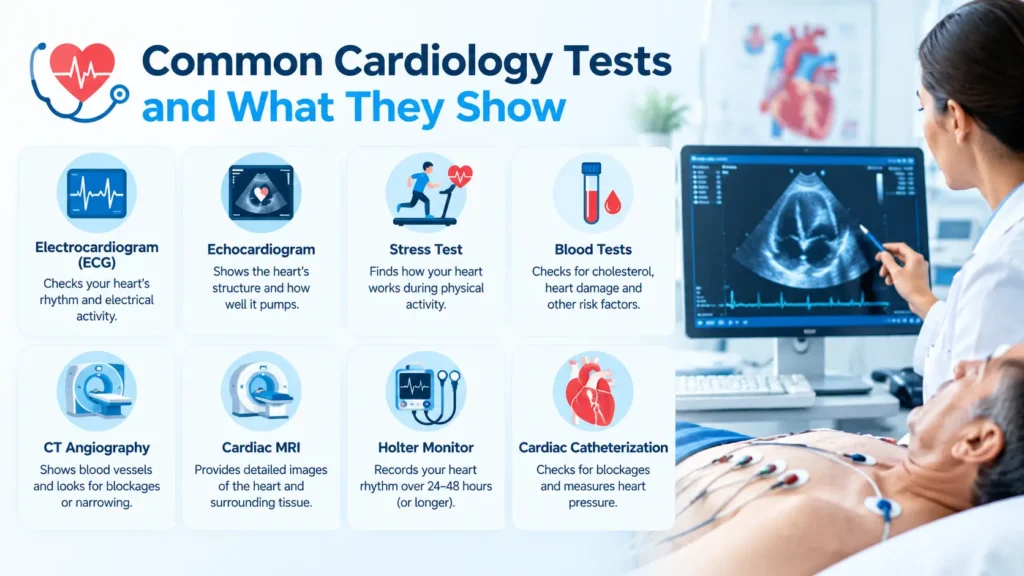
Heart tests help doctors understand how well the heart works. These tests often guide treatment decisions.
| Test | Purpose | What It Shows |
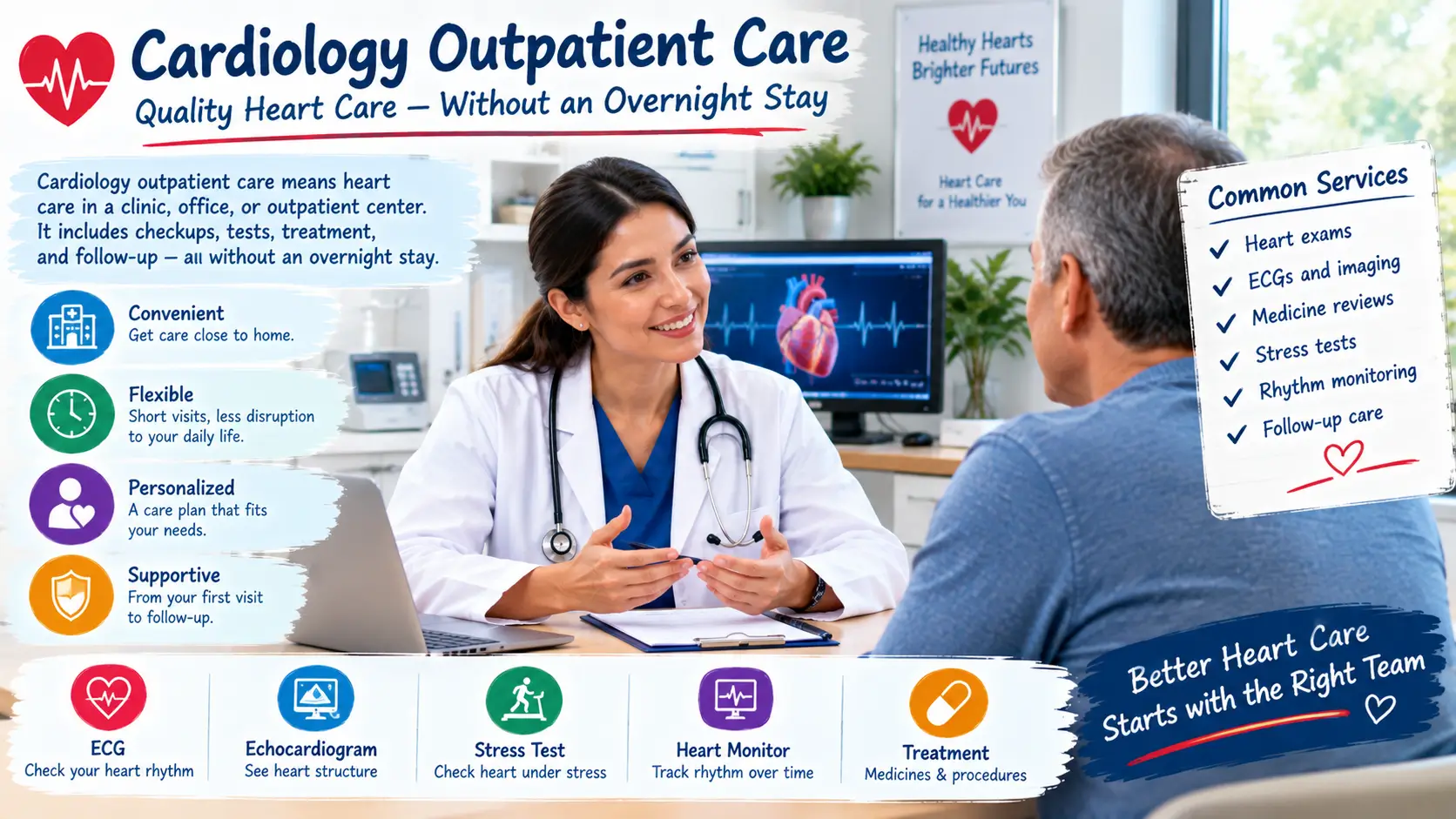
| ECG or EKG | Records heart signals | Heart rhythm problems |
| Echocardiogram | Uses sound waves | Heart structure and pumping |
| Stress Test | Checks heart during activity | Blood flow issues |
| Holter Monitor | Records rhythm for days | Irregular heartbeats |
ECG or EKG
An electrocardiogram records electrical signals from the heart. Small sensors attach to the skin. The test is quick and painless.
Echocardiogram
An echocardiogram uses sound waves to create heart images. It helps doctors see valves, chambers, and pumping strength.
Stress Testing
A stress test checks how the heart responds to exercise. Some people walk on a treadmill. Others receive medicine that mimics exercise effects.
Heart Monitoring
A Holter monitor records heart activity over time. Patients wear a small device while doing daily activities.
The results from these tests help guide treatment decisions in many cases.
📋 Cardiology Treatment Options
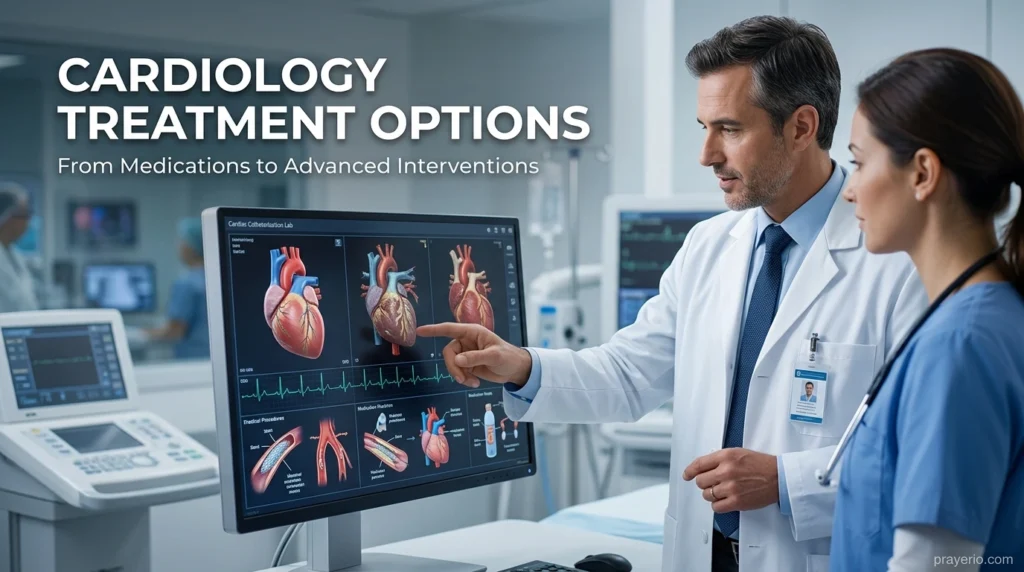
Heart treatment depends on the condition and the patient’s needs. Doctors often start with the least invasive option.
Common cardiology treatment methods include:
- 📋 Lifestyle changes
- 📋 Medicines
- 📋 Procedures
- 📋 Ongoing monitoring
Lifestyle Changes
Healthy habits support heart function.
Examples include:
- 📋 Eating more fruits and vegetables
- 📋 Staying active
- 📋 Managing stress
- 📋 Avoiding tobacco
- 📋 Getting enough sleep
Medicines
Doctors may prescribe medicines to:
- 📋 Lower blood pressure
- 📋 Control cholesterol
- 📋 Prevent blood clots
- 📋 Manage heart rhythm issues
Patients should take medicines exactly as directed.
Procedures
Some heart problems need procedures.
Examples include:
| Procedure | Purpose | Common Use |
| Angioplasty | Opens blocked arteries | Reduced blood flow |
| Stent Placement | Keeps arteries open | Artery blockage |
| Pacemaker | Helps control rhythm | Slow heartbeat |
| Catheter Ablation | Treats rhythm issues | Certain arrhythmias |
Ablation means removing tiny areas that cause abnormal heart signals.
The American Heart Association and the American College of Cardiology provide guidance that helps doctors choose treatments based on evidence and patient needs.
⏱️ Types of Cardiologists and Their Roles
Not all cardiologists do the same work. Different specialists focus on different heart problems.
The Three Main Types of Cardiologists
| Type | Focus Area | Typical Patients |
| General Cardiologist | Overall heart care | Most heart patients |
| Interventional Cardiologist | Catheter procedures | Blocked arteries |
| Electrophysiologist | Heart rhythm care | Arrhythmia patients |
General Cardiologist
A general cardiologist diagnoses and manages many heart conditions. They often coordinate long-term care.
Interventional Cardiologist
These specialists perform procedures through thin tubes called catheters. They often treat narrowed arteries.
Electrophysiologist
An electrophysiologist focuses on heart rhythm disorders. They may perform specialized rhythm procedures.
Many patients begin with a general cardiologist. They may later see a specialist if needed.
✅ Cardiology Departments, Education, and Career Paths
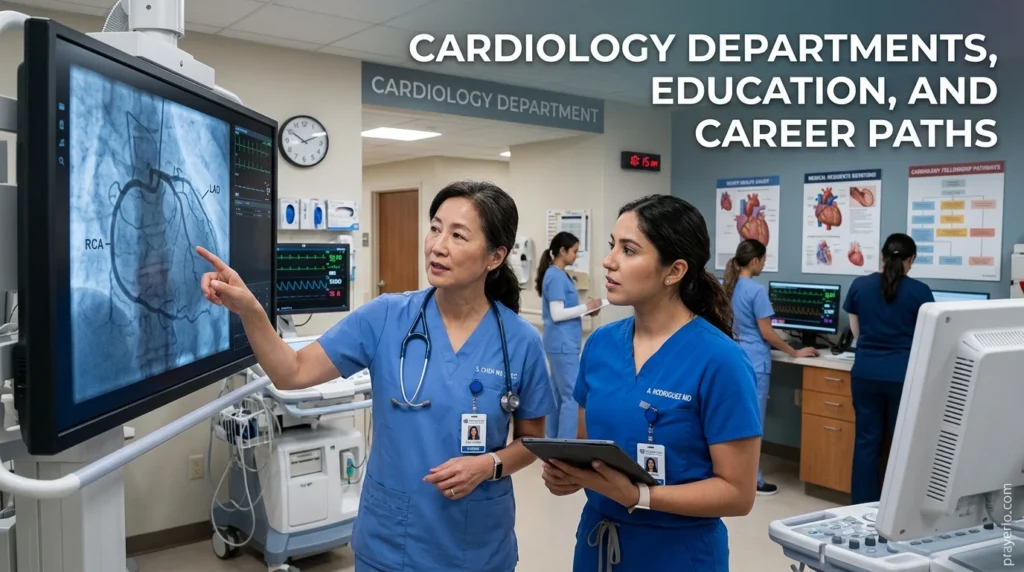
A cardiology department is a hospital or clinic section focused on heart care.
These departments often provide:
- ✅ Heart testing
- ✅ Outpatient visits
- ✅ Emergency heart care
- ✅ Follow-up treatment
- ✅ Patient education
Doctors, nurses, technicians, and support staff work together to help patients.
Stanford General Cardiology
Many large academic centers offer general cardiology programs. One well-known example is the general cardiology program at Stanford Medicine.
Academic centers often combine:
- ✅ Patient care
- ✅ Medical education
- ✅ Research
- ✅ Advanced testing
These programs help train future heart specialists while caring for patients.
General Cardiology Salary
Many students wonder about career opportunities in cardiology.
Salary can vary based on:
- ✅ Experience
- ✅ Location
- ✅ Practice type
- ✅ Specialty focus
| Career Stage | Typical Trend |
| Fellowship Training | Lower earnings during training |
| Early Career | Higher earnings after certification |
| Experienced Cardiologist | Often higher compensation |
| Specialized Cardiologist | May earn more depending on specialty |
Actual income differs by employer, region, and workload.
A Real-World Example
Consider a patient named John. He notices shortness of breath while climbing stairs.
His cardiologist orders an ECG and echocardiogram. The tests help identify the cause. After lifestyle changes and treatment, John feels better during daily activities.
Another patient, Maria, has a strong family history of heart disease. She visits a cardiologist even though she feels healthy.
Her doctor reviews risk factors and recommends preventive steps. Early action may help reduce future problems.
These examples show why regular heart care matters.
❓ Frequently Asked Questions
Q: What is a cardiology doctor?
A: A cardiology doctor is a physician who specializes in heart and blood vessel care. They diagnose, monitor, and treat many heart conditions. They also help patients lower future heart risks.
Q: What is a general cardiology fellowship?
A: A general cardiology fellowship is advanced training after internal medicine residency. Doctors learn heart testing, diagnosis, and treatment during this period. The program prepares them for cardiology practice.
Q: What are common cardiology tests?
A: Common tests include ECGs, echocardiograms, stress tests, and heart monitors. These tests help doctors understand heart function and rhythm. Most are safe and widely used.
Q: What are the three types of cardiologists?
A: The three common types are general cardiologists, interventional cardiologists, and electrophysiologists. Each focuses on different aspects of heart care. Patients may see one or more specialists.
Q: What does a cardiology department do?
A: A cardiology department provides heart-related services. These may include testing, treatment, prevention, and follow-up care. Teams work together to support patients.
Q: How can dr rao cardiology help patients?
A: Dr rao cardiology services may help patients understand symptoms, receive testing, and create treatment plans. The goal is to support heart health and ongoing care. Individual recommendations depend on each person’s needs.
Conclusion
Heart care plays an important role in overall health. Understanding heart doctors, tests, and treatment options can reduce worry and improve confidence. Dr rao cardiology often represents a patient-centered approach that focuses on diagnosis, prevention, and long-term care. Regular checkups, healthy habits, and timely testing may help detect issues early. Many heart conditions respond well to proper management and follow-up. Talk to a cardiologist if you have any heart concerns. Early attention can make a meaningful difference for your health and peace of mind.