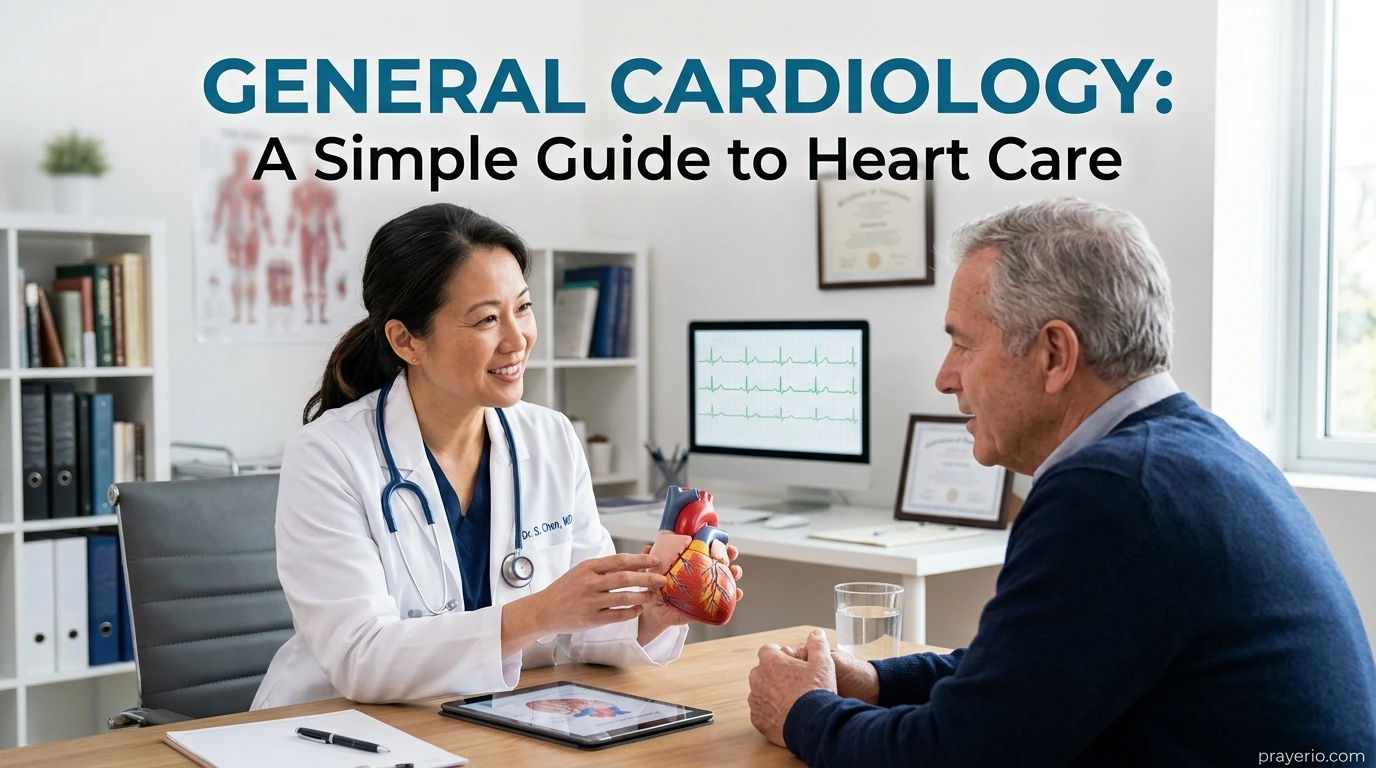

General cardiology is the branch of medicine that focuses on heart and blood vessel health. It helps find, prevent, and treat many heart problems. Doctors use general cardiology to check heart function, manage risk factors, and support long-term heart health.
Have you ever felt a fast heartbeat and wondered why?
Many people think about their heart only when something feels wrong. Yet heart health matters every day. General cardiology helps doctors care for the heart and blood vessels before small issues become bigger problems.
Heart disease remains a leading health concern in the United States. Regular heart care can help lower risks and improve quality of life. A cardiologist can check symptoms, order tests, and suggest treatments that fit your needs.
Whether you are a patient, caregiver, or student, learning about heart care can help you make informed choices. Understanding the basics can also make doctor visits feel less stressful and more useful.
❤️ Understanding General Cardiology
General cardiology focuses on the diagnosis, treatment, and prevention of heart conditions.
A cardiologist is a doctor who specializes in heart health. These doctors study the heart, blood vessels, and blood flow.
Many people ask, “What is a cardiology doctor?” The answer is simple. A cardiology doctor is a heart specialist. They help people with heart-related concerns and risks.
General cardiologists often care for people with:
- ❤️ High blood pressure
- ❤️ High cholesterol
- ❤️ Chest pain
- ❤️ Irregular heartbeat
- ❤️ Heart failure
- ❤️ Coronary artery disease, which affects blood flow to the heart
They also help people reduce future heart risks.
When Should You See a Cardiologist?
You may benefit from a heart evaluation if you have:
- 📋 Chest discomfort
- 📋 Shortness of breath
- 📋 Dizziness
- 📋 A strong family history of heart disease
- 📋 High blood pressure that remains uncontrolled
Your primary care doctor may also refer you to a cardiologist.
A Common Patient Experience
Many patients feel nervous before their first visit.
One patient worried about occasional chest tightness. After testing, the doctor found no major heart disease. The visit provided peace of mind and a plan for better heart health.
🩺 Heart Conditions and Cardiology Treatment
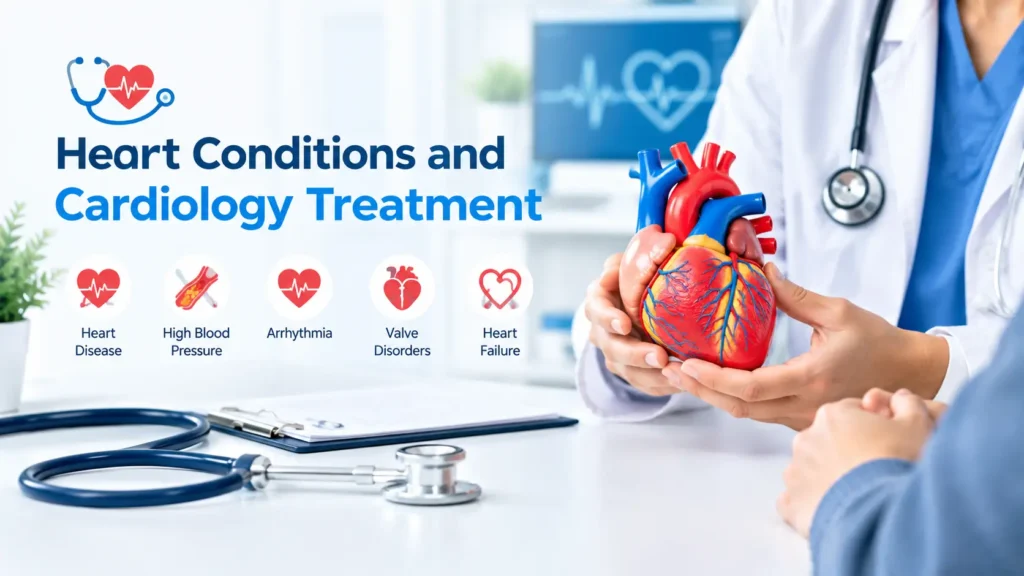
Cardiology treatment depends on the person’s condition, symptoms, and risk factors.
Doctors often start with lifestyle changes and medicines.
Lifestyle Changes
Healthy habits support heart health.
Doctors may suggest:
- ✅ Eating more fruits and vegetables
- ✅ Limiting foods high in salt
- ✅ Staying active
- ✅ Getting enough sleep
- ✅ Avoiding tobacco products
Even small changes can help over time.
Medicines
Medicines may help control:
- Blood pressure
- Cholesterol
- Heart rhythm problems
- Blood clot risk
Your doctor explains how and when to take them.
Procedures and Advanced Care
Some people need procedures.
Examples include:
| Procedure | Purpose | Typical Use |
| Angioplasty | Opens blocked arteries | Reduced blood flow |
| Pacemaker | Helps control heart rhythm | Slow heartbeat |
| Cardiac catheterization | Examines heart vessels | Diagnosis and treatment |
Doctors choose treatment based on test results and symptoms.
Heart Care Guidelines
Many cardiologists follow recommendations from organizations such as the American Heart Association and the American College of Cardiology.
These guidelines support safe and effective care.
📋 Cardiology Tests and Heart Checkups
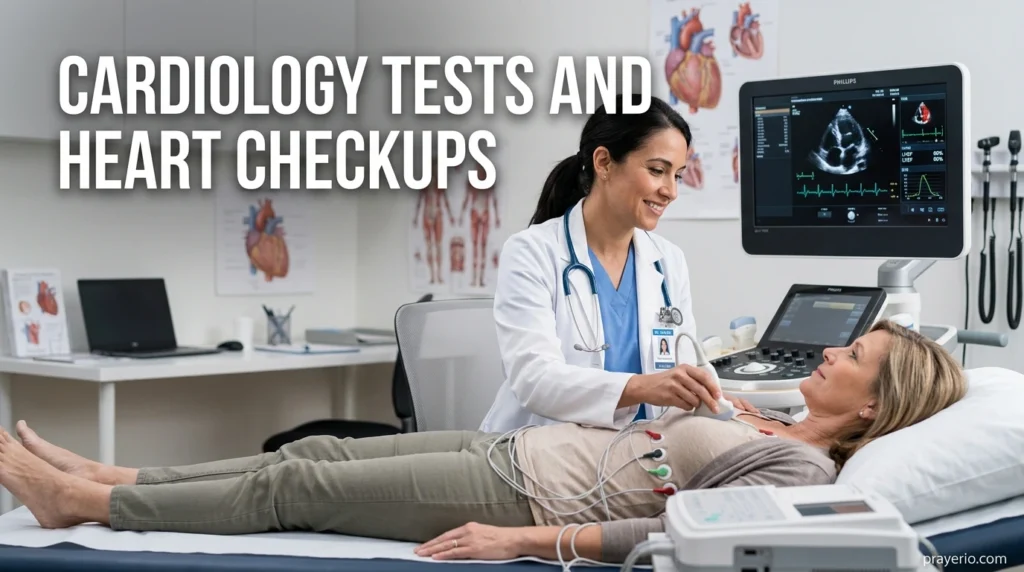
Doctors use several tests to learn how the heart works.
These tests help identify problems and guide treatment decisions.
Common Cardiology Tests
| Test | What It Does | What Patients Experience |
| Electrocardiogram (ECG) | Records heart signals | Sensors on the skin |
| Echocardiogram | Uses sound waves to view the heart | No needles |
| Stress test | Checks the heart during activity | Walking or exercise |
| Holter monitor | Records heart rhythm over time | Wearable device |
An ECG records the heart’s electrical activity.
An echocardiogram uses sound waves to create heart images.
A stress test shows how the heart responds to exercise.
What Happens During a Visit?
A typical appointment may include:
- Review of symptoms
- Blood pressure check
- Physical examination
- Discussion of family history
- Test recommendations if needed
Many visits are straightforward and painless.
Another Real-Life Example
A caregiver brought her father for a routine checkup.
He felt healthy but had high blood pressure. Testing helped identify risks early. His doctor adjusted treatment and encouraged lifestyle changes.
❤️ Types of Cardiologists and the Cardiology Department
Not all cardiologists do the same work.
Different specialists focus on different heart needs.
What Are the Three Types of Cardiologists?
| Type | Main Focus | Typical Patients |
| General cardiologist | Overall heart care | Most heart patients |
| Interventional cardiologist | Catheter-based procedures | Blocked arteries |
| Electrophysiologist | Heart rhythm disorders | Irregular heartbeat |
A general cardiologist manages many common heart conditions.
An interventional cardiologist performs procedures that help open blocked arteries.
An electrophysiologist treats heart rhythm problems.
What Is a Cardiology Department?
A cardiology department is the heart care section of a hospital or clinic.
It may include:
- 🩺 Cardiologists
- 🩺 Nurses
- 🩺 Imaging specialists
- 🩺 Rehabilitation teams
These professionals work together to support patient care.
How Team-Based Care Helps
Heart care often involves several experts.
This teamwork can improve communication and treatment planning.
⏱️ Training, Fellowship, Salary, and Leading Programs
Becoming a cardiologist takes many years of education and training.
General Cardiology Fellowship
A general cardiology fellowship is advanced medical training after residency.
During fellowship, doctors learn to:
- 📋 Interpret heart tests
- 📋 Manage heart disease
- 📋 Perform specialized procedures
- 📋 Care for complex patients
Most fellows work closely with experienced cardiologists.
General Cardiology Salary
Salary can vary by location, experience, and practice setting.
The table below shows broad estimates.
| Role | Estimated Annual Salary Range |
| Cardiology fellow | $70,000–$95,000 |
| General cardiologist | $300,000–$500,000+ |
Actual earnings may differ.
Private practice, academic centers, and hospitals may offer different compensation.
Stanford General Cardiology
Stanford Health Care is known for heart care, research, and physician training.
Programs like Stanford General Cardiology help train future specialists and support patient care. Academic centers also help advance research and treatment methods.
Why Training Matters
Heart care continues to evolve.
Ongoing education helps cardiologists stay current with new evidence and best practices.
✅ Keeping Your Heart Healthy

Good heart habits support long-term wellness.
Many heart risks improve with healthy choices.
Daily Heart Health Tips
- ✅ Stay physically active
- ✅ Eat balanced meals
- ✅ Manage stress
- ✅ Keep medical appointments
- ✅ Take medicines as prescribed
- ✅ Know your blood pressure numbers
Risk Factors to Watch
Some risk factors include:
- High blood pressure
- High cholesterol
- Diabetes
- Smoking
- Obesity
- Family history of heart disease
Talk with your doctor about your personal risk.
Preventive Care Matters
Many heart problems develop slowly.
Regular checkups may help identify concerns before symptoms appear.
Frequently Asked Questions
Q: What is a cardiology doctor?
A: A cardiology doctor is a physician who specializes in heart and blood vessel health. They diagnose, treat, and help prevent many heart conditions. They may also order tests and manage long-term care.
Q: What is a general cardiology fellowship?
A: A general cardiology fellowship is advanced training for doctors after residency. It focuses on heart disease, testing, and patient care. Fellows work under experienced specialists while gaining skills.
Q: What is the average general cardiology salary?
A: General cardiology salary varies by experience, location, and employer. Many practicing cardiologists earn high incomes because of their specialized training. Actual pay differs among settings.
Q: What cardiology tests are most common?
A: Common tests include ECGs, echocardiograms, stress tests, and Holter monitors. These tests help doctors evaluate heart function and rhythm. Most are noninvasive.
Q: What are the three types of cardiologists?
A: The three common categories are general cardiologists, interventional cardiologists, and electrophysiologists. Each focuses on different aspects of heart care. They often work together.
Q: What does general cardiology focus on?
A: General cardiology focuses on preventing, diagnosing, and treating heart and blood vessel conditions. It often serves as the first step in specialty heart care. Many patients receive ongoing care from a general cardiologist.
Conclusion
General cardiology plays an important role in protecting heart health. Cardiologists help diagnose problems, guide treatment, and support prevention. Common tools include heart exams, lifestyle advice, medicines, and specialized testing.
Understanding heart care can make medical visits feel less intimidating. Small daily habits may also help lower future risks. If symptoms arise or risk factors increase, early evaluation can be helpful.
Talk to a cardiologist if you have any heart concerns. The right guidance can support better long-term health and peace of mind.