

The best heart health gifts support habits that protect the heart. Good picks include a validated upper-arm blood pressure monitor, walking shoes or a step tracker, a low-sodium cookbook, olive oil and unsalted nuts, or a CPR class.
Skip heart supplements and alcohol, and ask first if the person has a heart condition.
Heart health gifts sit in a tricky spot. You want to show you care. You do not want to hand someone a lecture in a gift bag.
The good news is that the best options are practical, and many cost little. Research points to the same basics again and again: regular movement, less sodium, more plants, and knowing your numbers. A smart gift makes one of those things easier.
Some gifts also look healthy but are not. Heart supplements, “wellness” baskets full of salty snacks, and wine all fall in that group.
This guide covers gifts that track heart numbers, help someone move more, make heart-healthy eating easier, and prepare people for emergencies. It also explains which gifts to skip and what to do if your loved one already has heart disease.
How to Choose the Right Gift
Three quick questions narrow things down:
- What does this person actually need? A person with high blood pressure may want a monitor. A person who sits all day may want a walking buddy and good shoes.
- Do they have a heart condition? If so, ask them or a family member before you buy. Their care team may have specific rules for exercise, food, and fluids.
- Will they use it? A gift that gathers dust helps no one. Match the gift to something they already enjoy.
Gifts for Tracking Heart Numbers
A Home Blood Pressure Monitor
High blood pressure often causes no symptoms, so a monitor can be a quiet lifesaver. The American Heart Association (AHA) recommends home monitoring for people diagnosed with high blood pressure. It helps their health care team see whether treatment is working.
Buy the right type. The AHA recommends an automatic, cuff-style monitor for the upper arm. It does not recommend wrist or finger monitors, which give less reliable readings.
Look for a validated device. The U.S. Blood Pressure Validated Device Listing at validatebp.org lists monitors tested to U.S. criteria. Many devices sold online have never been validated.
Cuff size matters too. Measure around the upper arm and pick a monitor that comes with the correct cuff size. A poor fit can give wrong numbers.
Tip: Include a gift receipt. Suggest that your loved one bring the monitor to their next appointment so the clinic can check its accuracy.
A Smartwatch or Fitness Tracker
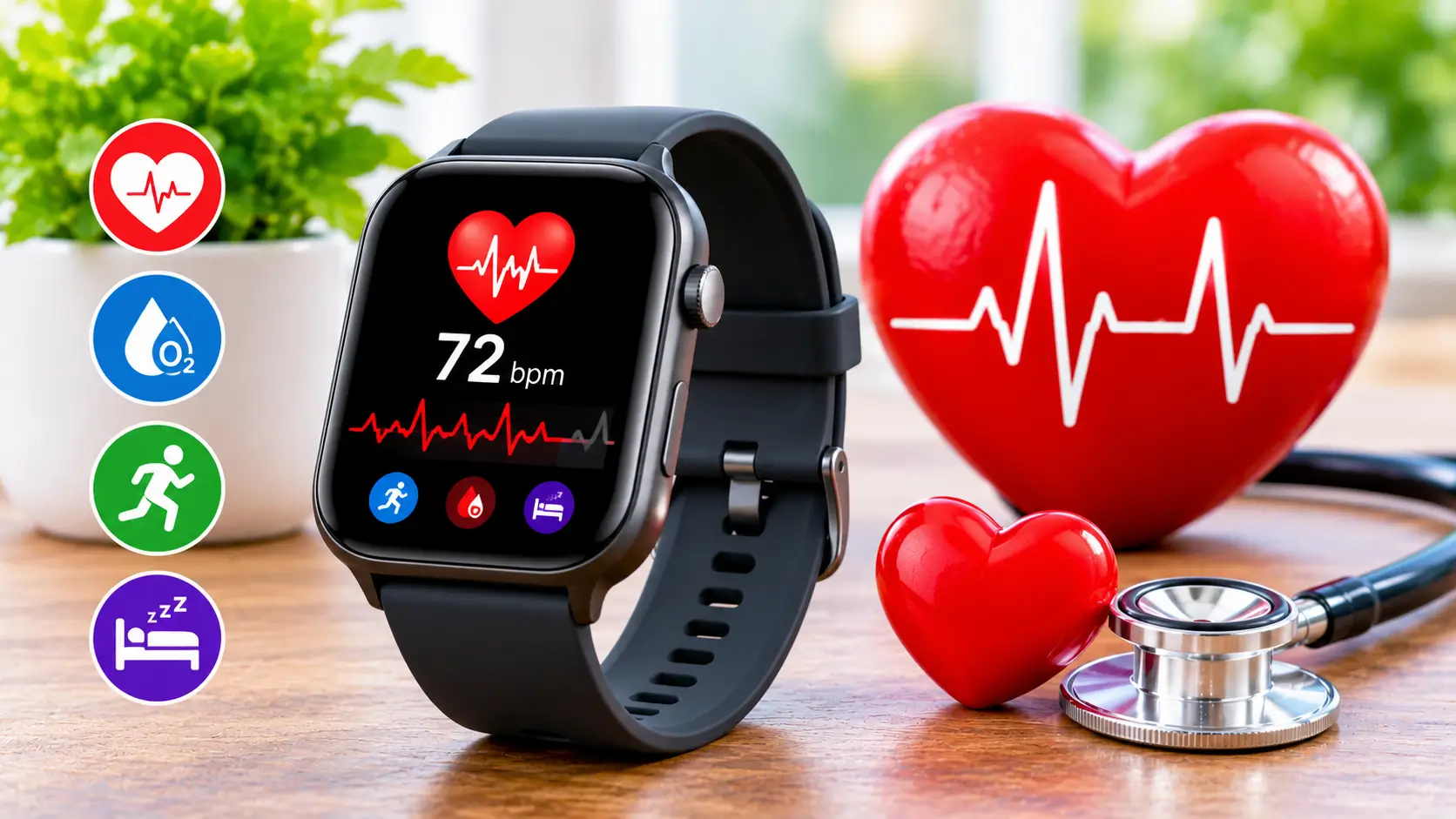
Wearables can encourage steps, active minutes, and regular movement. That is the main benefit. Treat the heart features with care.
Some watches have an ECG feature. It checks for atrial fibrillation (AFib), a common irregular heart rhythm. But the FDA noted that the data is not intended for diagnosis, and the feature is not recommended for people with other known arrhythmias. The maker also states that the app is not meant for emergencies such as a suspected heart attack.
So a watch makes a fine motivation tool, not a heart monitor you can trust to catch everything. Anyone with chest pain should call emergency services instead of checking a watch.
Gifts for Moving More
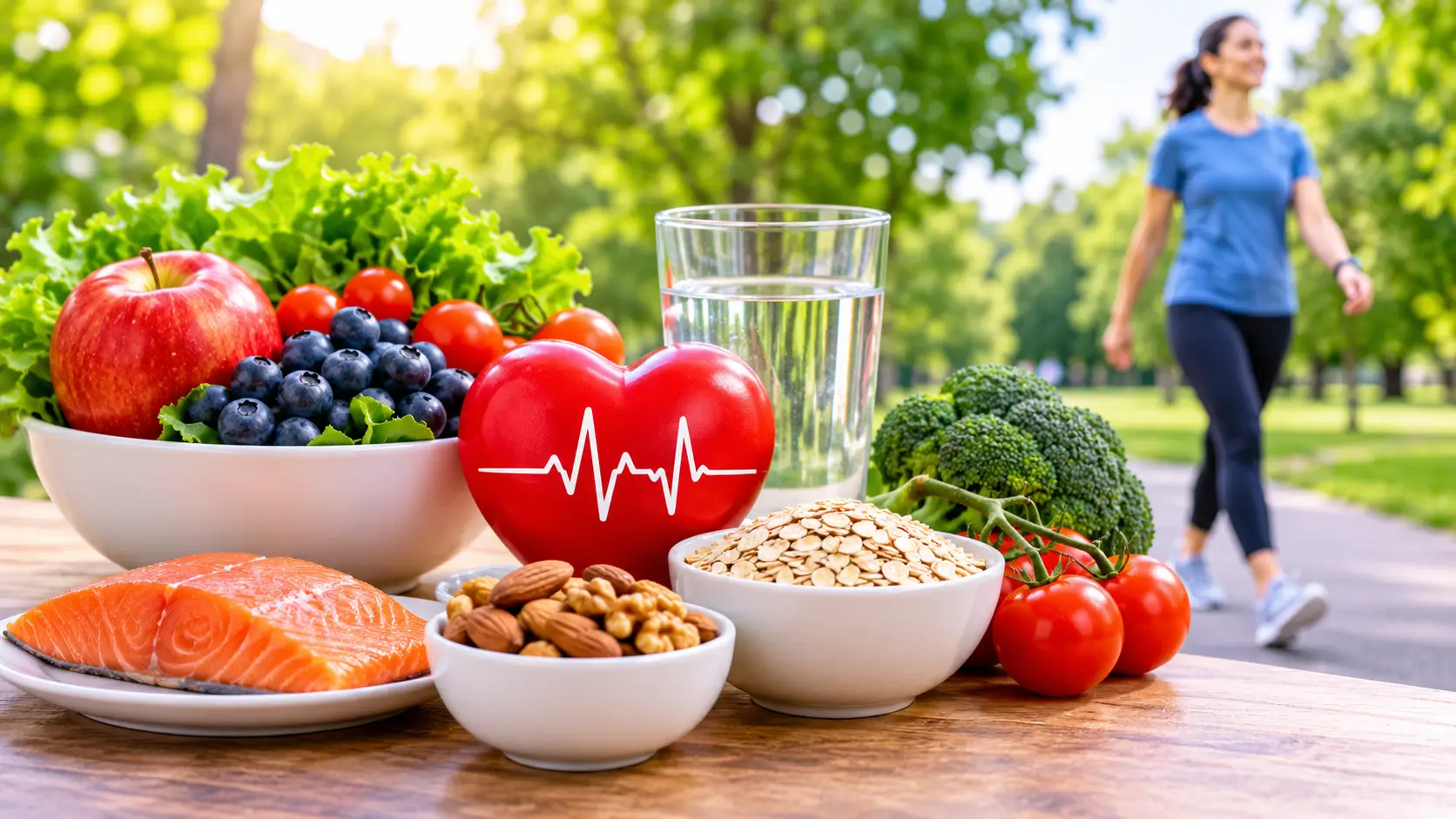
The AHA recommends adults get at least 150 minutes of moderate aerobic activity per week, or 75 minutes of vigorous activity, or a mix of both. It also suggests muscle-strengthening activity on at least two days a week, and less time sitting. Brisk walking counts as moderate activity.
Gift ideas that fit:
- Comfortable walking shoes. The simplest tool for the easiest exercise.
- A step counter or basic tracker. A simple model often works as well as an expensive one.
- Resistance bands or light hand weights. These suit strength work at home.
- A class pass or gym membership. Choose something the person already likes, such as swimming, dance, or yoga.
- A walking date. A promise to walk together each week costs nothing and works well.
Tip: Do not give exercise gear as a hint about weight. Frame it around fun and energy.
Safety: Someone with known heart disease, chest pain, or dizziness should get medical clearance before they start a new exercise plan.
Gifts for Heart-Healthy Eating
Food gifts work best when they make healthy cooking easier. Two things deserve special attention: sodium and fats.
A Low-Sodium or Mediterranean Cookbook
The AHA recommends no more than 2,300 mg of sodium a day, moving toward an ideal limit of 1,500 mg for most adults. Packaged, prepared, and restaurant foods supply more than 70% of the sodium Americans eat. A cookbook that teaches flavor without salt can change daily habits.
Salt-Free Spices and Herbs
The AHA points out that spices and herbs offer rich, flavorful alternatives to salt. A set of salt-free blends makes a low-cost gift. Check the label, since some blends hide added salt.
Olive Oil
Olive oil is a popular heart health gift, and the research behind it is decent. In a Harvard study that followed more than 90,000 adults for decades, people who ate more than 7 grams (about half a tablespoon) of olive oil a day had a 19% lower risk of cardiovascular death than people who rarely or never ate it.
The benefit also showed up when olive oil replaced margarine, butter, mayonnaise, and dairy fat.
Keep the limits in mind. This was an observational study, so it shows an association, not proof of cause. Olive oil also carries calories, about 120 per tablespoon. The idea is to swap it for less healthy fats, not to add extra.
Extra virgin olive oil is also a good pick. Harvard Health notes that no definitive study has compared refined and extra virgin olive oil for preventing heart disease, though extra virgin has more polyphenols. A good bottle makes a nice gift either way, but it will not protect anyone’s heart on its own.
Unsalted Nuts
Nuts are often part of heart-healthy eating patterns. A large Spanish trial found fewer heart attacks, strokes, and heart-related deaths in people following a Mediterranean diet with added nuts or olive oil than in a low-fat diet group.
The study was retracted and republished in 2018 after randomization problems at some sites, and the corrected analysis gave essentially unchanged results. Choose unsalted nuts, and keep portions in mind.
A Fresh Fruit and Vegetable Basket
Fresh produce beats most gift baskets. It adds fiber and potassium and contains no added salt.
Gifts for Emergencies
A CPR Class
This gift can save a life, and it fits almost anyone. Immediate CPR can double or even triple a person’s chance of surviving cardiac arrest, and anyone can learn it without a medical background.
The need is real. About 70% of out-of-hospital cardiac arrests happen at home, so the person you help may be someone you love. Fewer than half of people who collapse outside a hospital get CPR from a bystander, and the main reason is lack of training.
A full class teaches more than the basics. It covers when to add breaths, how to use an AED, and how to help children and infants. Consider booking one for a family member or a group of friends.
Quick Comparison
| Gift | Best for | Watch out for |
| Upper-arm blood pressure monitor | People with or at risk of high blood pressure | Validation and cuff size |
| Fitness tracker | People who need motivation to move | Not a diagnostic tool |
| Walking shoes | Almost anyone | Fit and comfort |
| Low-sodium cookbook | People who cook at home | Check their diet plan first |
| Olive oil | People who use butter often | Calories add up |
| Unsalted nuts | Snackers | Portion size |
| CPR class | Families and friends | None, just schedule it |
Gifts to Skip or Think Twice About
Heart Supplements
A bottle labeled “heart formula” looks like a safe gift. It is not always. The AHA could not recommend omega-3 fish oil supplements to prevent cardiovascular disease in people who do not already have it. The U.S. The Preventive Services Task Force found the evidence insufficient for multivitamins and most single nutrients.
Some products carry real risk. For example, the FDA treats red yeast rice products with substantial monacolin K as unapproved drugs, and they can cause statin-like side effects. Supplements can also interact with heart medicines. Let people choose these with their doctor.
Wine or Other Alcohol
Alcohol is a common gift, but it is not a health gift. The AHA says that if you don’t drink, don’t start, and it does not recommend alcohol for health benefits. No research has proved a cause-and-effect link between drinking and better heart health.
Salty or Processed Gift Baskets
Cured meats, canned soups, and salty snacks add up fast. These foods are major sources of sodium, and cold cuts, canned soups, breads, and pizza appear on the AHA’s “salty six” list.
Wrist or Finger Blood Pressure Monitors
These are easy to find, but the AHA does not recommend them because they give less reliable readings.
Anything That Feels Like a Judgment
A scale or diet book as a surprise can sting. Offer support, not criticism.
If Your Loved One Has a Heart Condition
Ask before you buy. A person with heart failure may have fluid limits. Someone recovering from a heart attack may have exercise limits. A person on blood thinners may need to avoid certain foods or products.
Practical help often means more than a product. Offer a ride to appointments, cook a low-sodium meal together, or take a walk at the pace their doctor approves. People with medical conditions or special dietary needs should follow the advice of a qualified health care professional.
Gifts do not replace medical care. Seek emergency help right away for chest pain or pressure, severe shortness of breath, fainting, or sudden weakness or trouble speaking.
Frequently Asked Questions
What is a good gift for someone with heart disease?
Ask what they need first. Useful options include a validated upper-arm blood pressure monitor, comfortable walking shoes, a low-sodium cookbook, or help with meals and rides. Check food and exercise gifts against their care team’s advice. Time spent together often matters more than anything you can wrap.
Is a blood pressure monitor a good gift?
Yes, for the right person. The AHA recommends home monitoring for people with high blood pressure. Choose an automatic upper-arm model that is validated, with the correct cuff size. Avoid wrist and finger devices. Suggest that the person bring the monitor to a clinic visit so staff can check its accuracy.
Are smartwatches good for heart health?
They can help you move more, which supports heart health. The ECG feature on some watches can flag AFib, but the FDA notes it is not for diagnosis. It also does not detect a heart attack. If you have symptoms, call a doctor or emergency services instead of relying on a watch.
Is olive oil a good heart health gift?
It can be a nice one. Observational research links higher olive oil intake with lower cardiovascular risk, especially when it replaces butter or margarine. It is not a cure, and it has calories. Pair a bottle with a note about swapping it in for less healthy fats.
Should I give heart supplements as a gift?
Usually not. Evidence that supplements prevent heart attacks or strokes in healthy people is weak, and some products carry risks or interact with medicines. If someone wants a supplement, they should talk to their doctor or pharmacist first and choose it themselves.
What gift helps someone recovering from a heart attack?
Ask them and their care team. Practical help often works best: low-sodium meals that follow their plan, rides to appointments, company on approved walks, or help learning to use a home blood pressure monitor. Avoid gifts that push intense exercise or strict diets without their doctor’s approval.
Key Takeaway
The best heart health gifts make healthy habits easier. A validated upper-arm blood pressure monitor, walking shoes, salt-free spices, a good cookbook, olive oil, and a CPR class all fit that goal. A fitness tracker can motivate movement, but it cannot diagnose a heart problem.
Skip heart supplements, alcohol, and salty gift baskets. If your loved one has a heart condition, ask first and follow their care team’s advice. A thoughtful gift supports their health. It does not replace medical care.