
Heart health supplements are products such as fish oil, magnesium, and CoQ10 that people take to support the heart and blood vessels.
For most healthy adults, research has not shown that they lower the risk of heart attack or stroke. A few may help in specific situations, so check with a healthcare professional first.
Walk into any pharmacy and you will find shelves of heart health supplements. The labels promise “cardiovascular support,” “healthy cholesterol,” or “a stronger heart.” These claims sound reassuring. But a label is not proof, and supplements are not tested the way medicines are.
Heart disease remains a leading cause of death worldwide, so it makes sense to want an extra layer of protection.
The trouble is that many large studies of popular supplements have found little or no drop in heart attacks or strokes. Some products also carry real risks, especially for people who take prescription medicines.
This article explains what the research says about the most common heart health supplements.
It separates correcting a deficiency, improving a lab number, and lowering the chance of heart disease, because these are not the same thing.
It also covers safety, supplement quality, and the daily habits that have much stronger evidence behind them.
What Are Heart Health Supplements?
Heart health supplements are vitamins, minerals, fatty acids, herbs, and other compounds sold to support the heart. They come as pills, capsules, powders, and gummies.
In the United States, supplements are regulated as a category of food, not as drugs. The FDA does not approve them for safety or effectiveness before they are sold. Companies can say a product “supports heart health” without proving it prevents disease. A supplement cannot legally claim to treat or cure a disease.
This means quality and strength can vary from one brand to another.
Do Heart Health Supplements Work?
The honest answer is: it depends on the supplement and the person.
Three different goals often get mixed together:
- Correcting a deficiency. If your blood level of a nutrient is low, a supplement can bring it back to normal. This is a real benefit, but it only applies to people who are actually low.
- Improving a biomarker. Some supplements nudge a number, such as blood pressure or triglycerides. A better number does not always mean fewer heart attacks.
- Reducing cardiovascular events. This is the goal that matters most, and it is the hardest to prove. It requires large, long trials that track heart attacks, strokes, and deaths.
Many supplements have shown small changes in biomarkers. Far fewer have been shown to reduce actual events.
Major medical groups, including the American Heart Association, generally advise getting nutrients from food rather than pills. The U.S. Preventive Services Task Force has also said there is not enough evidence to recommend multivitamins for preventing heart disease. It recommends against beta-carotene and vitamin E for that purpose.
Common Heart Health Supplements and What Research Shows
Fish Oil (Omega-3 Fatty Acids)
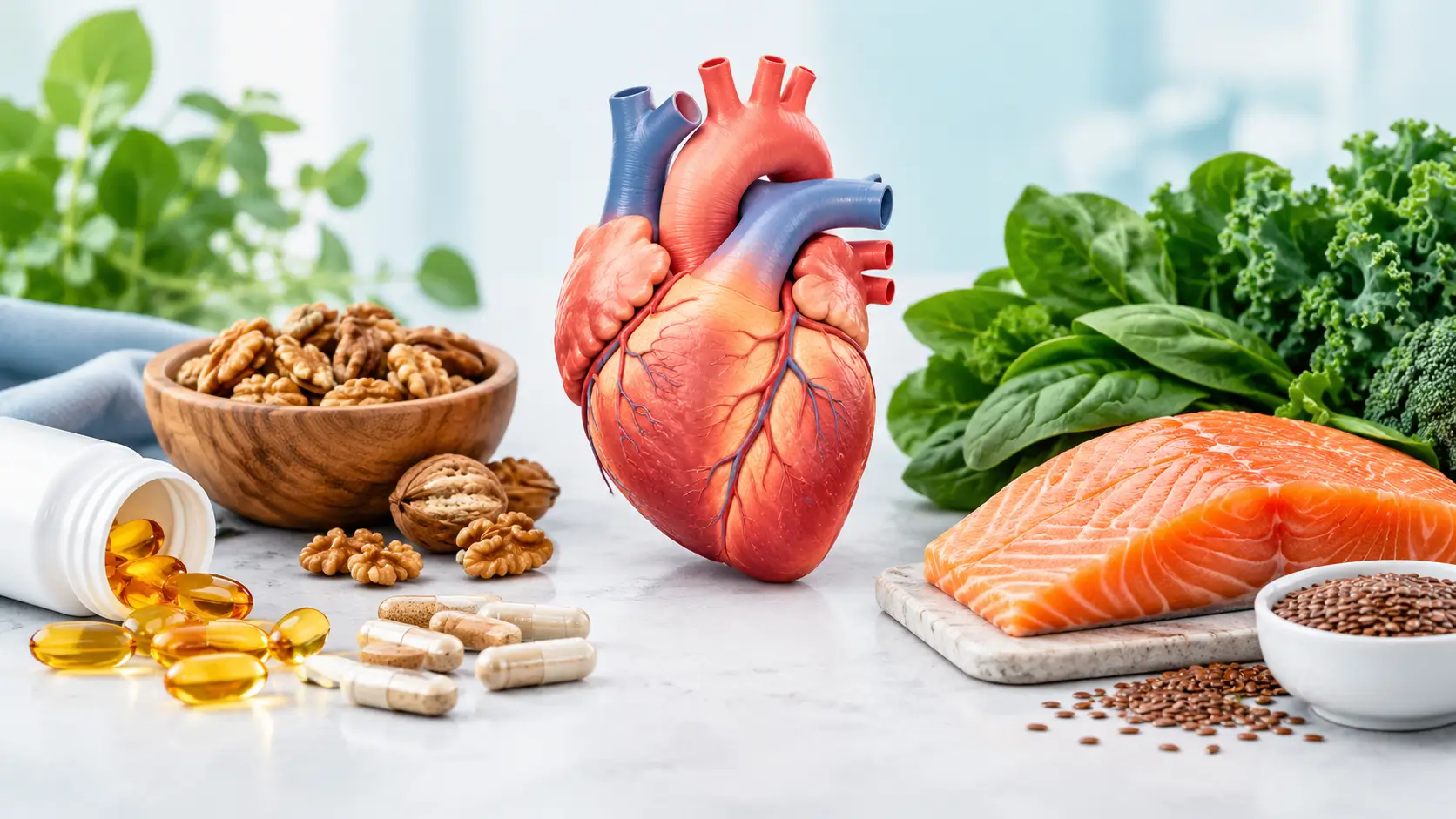
Fish oil contains omega-3 fats called EPA and DHA. These fats are found naturally in fatty fish like salmon, sardines, and trout.
Eating fish regularly is linked with better heart health. Pills are a different story. Large trials of over-the-counter fish oil in general populations, including VITAL and ASCEND, did not show a clear drop in major cardiovascular events.
There are some exceptions:
- Very high triglycerides. Prescription omega-3 medicines can lower very high triglycerides. These are drugs, not store-bought capsules.
- High-risk patients. In the REDUCE-IT trial, a purified prescription form of EPA (icosapent ethyl) lowered events in people with high triglycerides who already took statins. A different trial using a mix of EPA and DHA did not show the same benefit. So the results are not the same for every omega-3 product.
Safety notes: Some analyses link omega-3 supplements to a higher risk of atrial fibrillation, an irregular heartbeat. This seems more likely at higher doses. People who take blood thinners should ask their doctor before starting fish oil.
Magnesium
Magnesium helps nerves, muscles, and the heart rhythm work normally. Low magnesium levels are linked with higher blood pressure and some rhythm problems.
Some trials suggest magnesium supplements may lower blood pressure by a small amount. Whether they reduce heart attacks or strokes has not been shown. If your level is already normal, extra magnesium may do little.
Safety notes: Too much magnesium from supplements can cause diarrhea and cramping. People with kidney disease can build up magnesium to dangerous levels and should ask a doctor first. Magnesium can also interact with some antibiotics and other medicines.
Coenzyme Q10 (CoQ10)
Your body makes CoQ10, and cells use it to produce energy. Levels may drop with age and with statin use.
Some small trials in people with heart failure have suggested benefits, including one called Q-SYMBIO. But the evidence is limited and it does not replace standard heart failure treatment. Some people take CoQ10 for statin-related muscle aches. Study results on that are mixed.
Safety notes: CoQ10 may reduce the effect of the blood thinner warfarin. Anyone taking warfarin should talk to their doctor before using it.
Vitamin D and Calcium
Vitamin D is important for bones. Observational studies link low vitamin D with more heart disease. But in the large VITAL trial, vitamin D supplements did not reduce major cardiovascular events in a general group of adults.
Calcium supplements have raised questions in some studies about a possible link to heart problems. The evidence is mixed. Calcium from food has not raised the same concern. If you need calcium or vitamin D for bone health, a doctor can check your levels and suggest what fits you.
Multivitamins and Antioxidants (Vitamins C and E, Beta-Carotene)
Antioxidants sound protective, since inflammation and damage to cells play a role in artery disease. But trials have not backed this up.
- A long study of male physicians found that a daily multivitamin did not reduce major cardiovascular events.
- Vitamin E and vitamin C have not been shown to prevent heart disease.
- Beta-carotene supplements raised the risk of lung cancer in smokers.
For these products, food is the better source. Fruits, vegetables, nuts, and whole grains contain many nutrients that work together.
B Vitamins and Folic Acid
High levels of homocysteine, an amino acid in the blood, have been linked to heart disease. Folic acid and other B vitamins lower homocysteine.
But trials found that lowering it this way did not reduce heart attacks or strokes. This is a clear example of a biomarker improving without a matching drop in events.
Niacin (Vitamin B3)
High-dose niacin can raise HDL (“good”) cholesterol and lower triglycerides. Even so, trials that added niacin to statin treatment did not show fewer cardiovascular events, and side effects like flushing and liver problems were more common.
High-dose niacin is not a simple supplement. It should only be used under a doctor’s care.
Red Yeast Rice
Red yeast rice is made by fermenting rice with a type of yeast. It can contain monacolin K, which is chemically the same as the statin drug lovastatin.
That is why it can lower LDL cholesterol. It is also why it carries statin-like risks, such as muscle problems and liver effects.
The amount of active ingredient varies widely between products. Some products have also been found contaminated with citrinin, a toxin that can harm the kidneys.
Do not combine red yeast rice with a statin. Do not use it as a substitute for prescribed medicine without talking to your doctor.
Plant Sterols and Stanols
These plant compounds block some cholesterol absorption in the gut. They can lower LDL cholesterol by a modest amount when taken regularly. Studies have not shown that they reduce heart attacks or strokes. They are found in some fortified foods and supplements.
Soluble Fiber (Psyllium)
Soluble fiber binds to cholesterol in the gut and can lower LDL cholesterol modestly. Fiber from oats, beans, fruit, and vegetables does the same job.
Psyllium supplements can help people who struggle to get enough fiber from food. Drink plenty of water with them, and ask your pharmacist about timing if you take other medicines.
Garlic
Garlic supplements may lower blood pressure and cholesterol slightly in some studies. The effects are small. Garlic can also add to the effect of blood thinners.
Potassium
Potassium helps balance sodium and supports healthy blood pressure. Most people are better off getting it from foods like beans, potatoes, bananas, and leafy greens. Potassium supplements and potassium-based salt substitutes can be dangerous for people with kidney disease or those who take certain blood pressure medicines, such as ACE inhibitors, ARBs, or potassium-sparing diuretics.
Who Should Be Careful With Heart Health Supplements?
Talk to a doctor or pharmacist before using any supplement if you:
- Take prescription medicines, especially blood thinners, statins, or blood pressure drugs
- Have kidney or liver disease
- Have an irregular heartbeat or heart failure
- Are pregnant or breastfeeding
- Are planning surgery, since some supplements affect bleeding
“Natural” does not mean harmless. Supplements can act like drugs in the body, and interactions are real.
Never stop a prescribed heart medicine and switch to a supplement without medical advice. No supplement has been shown to replace treatments like statins, blood pressure medicine, or blood thinners.
How to Choose a Quality Supplement
Because the FDA does not approve supplements before sale, you have to be a careful shopper.
- Look for third-party testing. Seals from groups like USP or NSF show that a lab checked the product for ingredients and contaminants. This does not prove the supplement works.
- Read the full ingredient list. Check the amount of each active ingredient and any added extras.
- Be wary of big promises. Claims like “cleans your arteries” or “reverses heart disease” are red flags.
- Bring the bottle to your appointment. Your pharmacist or doctor can check for interactions.
- Do not exceed the label dose. More is not better, and some nutrients are harmful at high doses.
What Has Stronger Evidence Than Supplements
The habits with the best proof for protecting the heart are not sold in bottles:
- Eating a heart-healthy diet. Patterns rich in vegetables, fruit, whole grains, legumes, nuts, and fish, with less sodium, added sugar, and processed meat, are linked with lower risk.
- Being physically active. Health agencies recommend at least 150 minutes of moderate activity each week for most adults, with approval from a doctor if you have a heart condition.
- Not smoking. Quitting is one of the biggest steps you can take for your arteries.
- Managing blood pressure, cholesterol, and blood sugar. For some people, this means medicine.
- Keeping a healthy weight, sleeping well, and managing stress.
If you are worried about your heart, these are the areas to work on first. A supplement can only add a little on top.
When to Talk to a Doctor
Ask your healthcare provider about supplements if you have heart disease, high cholesterol, high blood pressure, diabetes, or a family history of early heart disease. They can check your levels, review your medicines, and tell you whether a supplement is worth trying.
Get emergency help right away if you have chest pain or pressure, severe shortness of breath, fainting, or signs of a stroke such as face drooping, arm weakness, or trouble speaking. Call your local emergency number. Do not wait to see if a supplement helps.
Frequently Asked Questions
What is the best supplement for heart health?
There is no single best supplement for everyone. For most healthy adults, no supplement has been proven to prevent heart attacks or strokes. The right choice depends on your health, your lab results, and your medicines.
A doctor can tell you whether you have a deficiency or a condition that a specific supplement may help.
Is fish oil good for your heart?
Eating fish is linked with better heart health. Over-the-counter fish oil pills have not shown a clear benefit for preventing heart attacks in most people. Prescription omega-3 medicines can help in certain cases, such as very high triglycerides. Fish oil may also raise the risk of atrial fibrillation in some people.
Can supplements lower cholesterol?
Some can lower LDL cholesterol a little. Plant sterols, psyllium fiber, and red yeast rice are examples. But lowering a number does not always mean fewer heart attacks. Red yeast rice acts like a statin and can cause similar side effects. Ask your doctor before using it.
Are heart health supplements safe to take with medication?
Not always. Fish oil, garlic, and vitamin K can affect blood thinners. CoQ10 may weaken warfarin. Potassium can be risky with some blood pressure drugs.
Always tell your doctor or pharmacist about every supplement you take, including herbs.
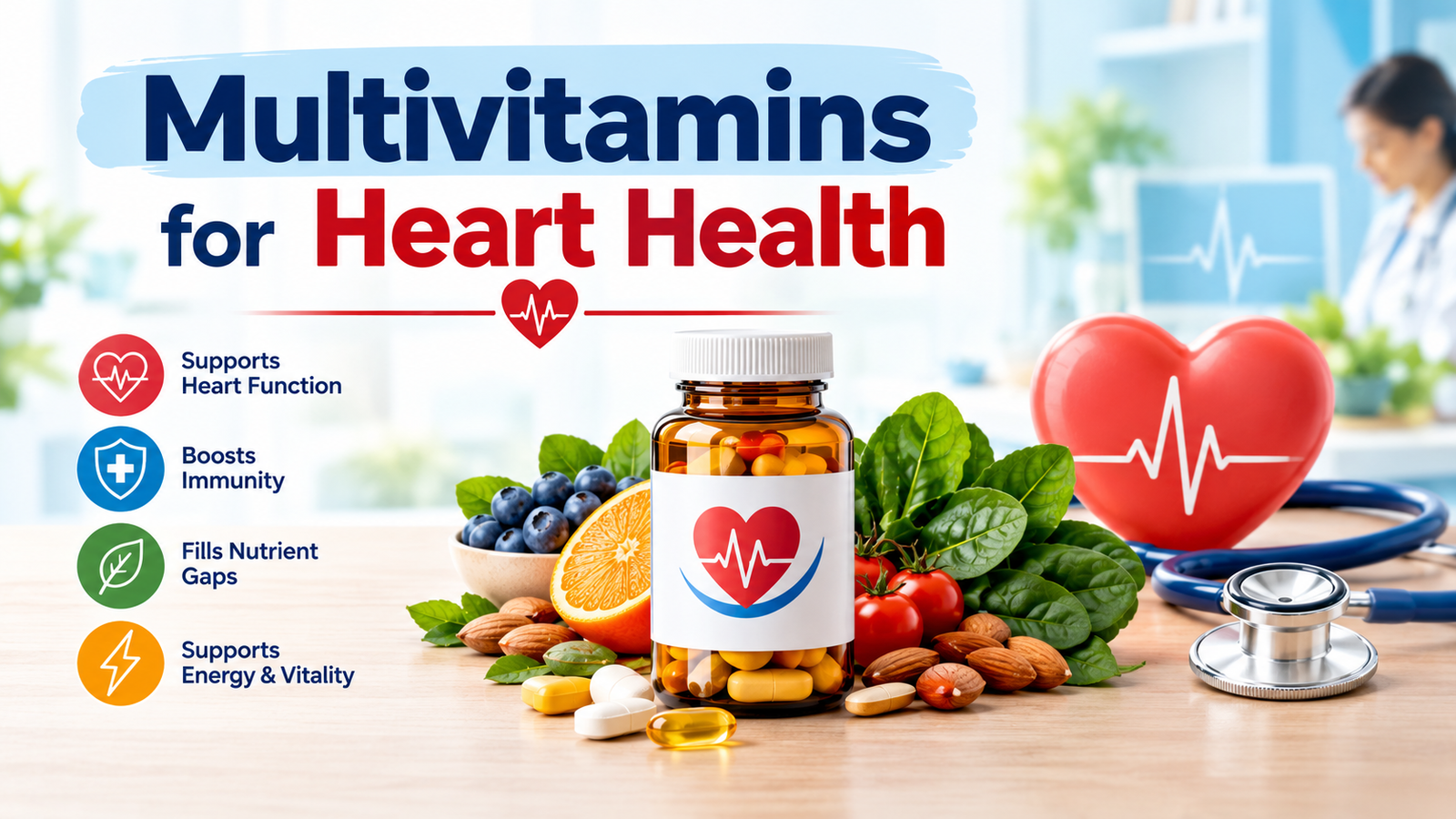
Do I need a multivitamin for heart health?
Most people do not. A large trial of a daily multivitamin found no reduction in major cardiovascular events.
A balanced diet usually supplies what you need. A multivitamin may help people with diet gaps, certain medical conditions, or higher needs, but a doctor can guide that choice.
Can supplements replace heart medication?
No. Supplements have not been shown to replace prescribed treatments for heart disease, high blood pressure, or high cholesterol.
Stopping your medicine can be dangerous. If you want to add a supplement, talk to your doctor first and keep taking your medicine as directed.
Key Takeaway
Most heart health supplements have not been proven to prevent heart attacks or strokes in healthy people.
A few can help in specific cases, such as fixing a deficiency or treating very high triglycerides under medical care. Others carry risks, especially when mixed with medicine.
Food, exercise, not smoking, and controlling blood pressure and cholesterol have far stronger evidence. If you are thinking about a supplement, check with your doctor or pharmacist first.