
Red wine has not been proven to protect your heart. Older studies linked light drinking to lower heart disease, but newer research questions that link. Alcohol raises blood pressure and the risk of several cancers, so no one should start drinking for heart benefits.
For years, headlines suggested a glass of red wine each evening was good for the heart. The idea even has a name: the French paradox. People noticed that the French ate rich food yet had fairly low rates of heart disease, and wine got much of the credit.
Today the picture looks different. Many of those early studies were observational, so they could not prove cause and effect. Newer work points out flaws in how they were designed. If you are searching for red wine heart health answers, this guide sorts the facts from the folklore.
You will learn what red wine contains, what research suggests, where the evidence breaks down, and how alcohol affects blood pressure and rhythm. You will also see which heart-friendly habits have far stronger proof. This article is educational and does not replace advice from your own clinician.
Why Red Wine Got a Heart-Healthy Reputation
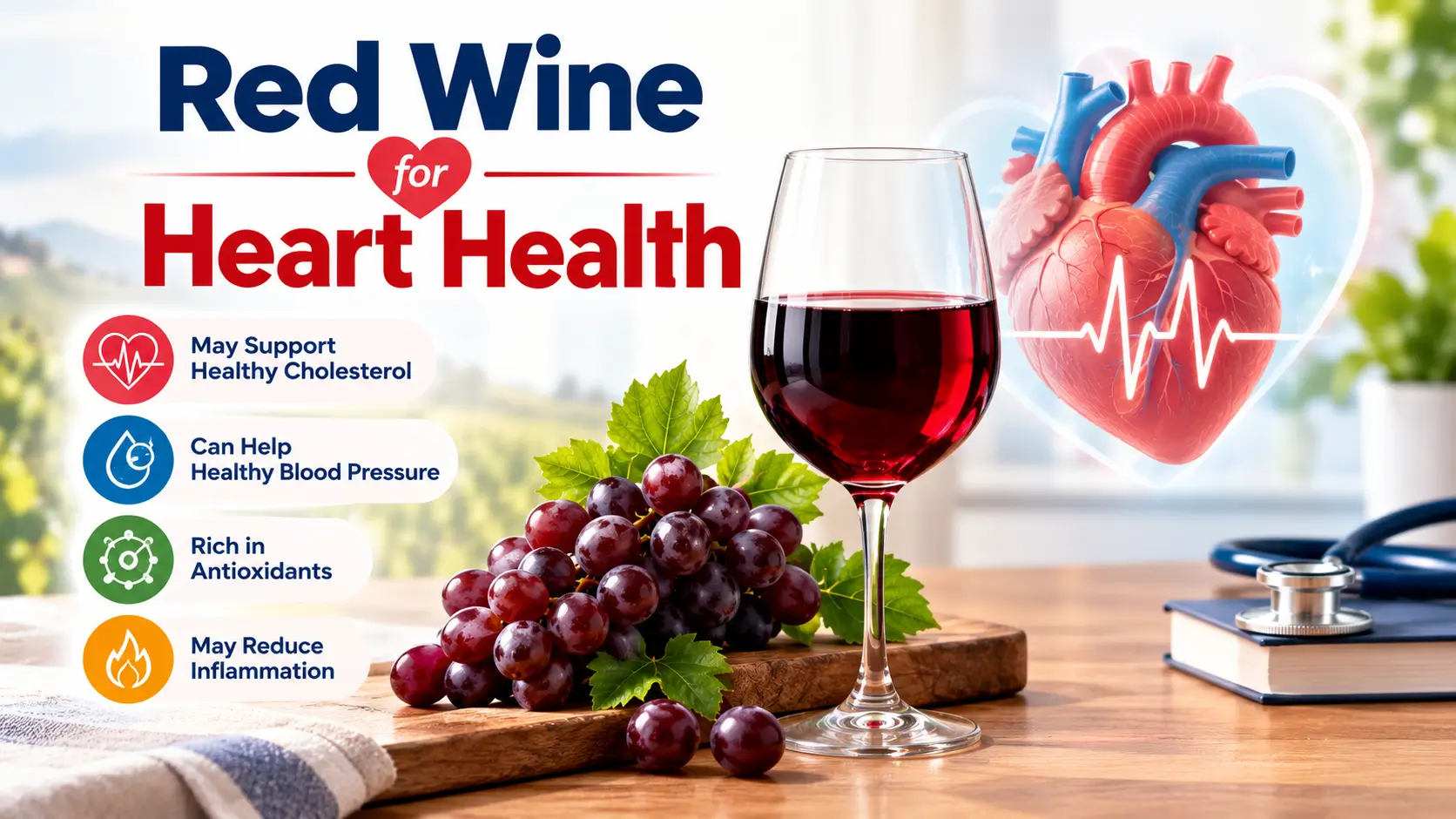
Red wine contains polyphenols, plant compounds found in grape skins. One of them, resveratrol, drew attention because it showed protective effects in lab and animal studies. These compounds act as antioxidants and may reduce inflammation in cells.
Some large population studies also found that light drinkers had fewer heart attacks than non-drinkers. Together, these findings built the story that red wine was a uniquely healthy drink.
What the Research Actually Shows
The problem with observational studies
People who drink lightly often differ from people who do not drink. They may earn more, exercise more, eat better, and see doctors more often.
Some “non-drinkers” in older studies were former drinkers who quit because of illness, which made the non-drinking group look unhealthier than it really was.
Resveratrol in humans
Lab results have not translated well to people. The amount of resveratrol in a glass of wine is small compared with the doses used in animal experiments. Human trials of resveratrol supplements have not shown clear protection against heart attacks or stroke.
Genetic studies
Some studies use genetic variants that make people drink less or more. These designs reduce the influence of lifestyle differences. They have generally found that lower alcohol intake is linked with better cardiovascular health, not worse.
Official positions
The American Heart Association says that no one should start drinking alcohol, or drink more often, to gain health benefits.
The World Health Organization has stated that no level of alcohol use is completely free of health risk. Many dietary guidelines advise limiting alcohol and do not recommend it as a health strategy.
How Alcohol Can Affect the Heart
- Blood pressure: Regular drinking can raise blood pressure, a major driver of heart attack and stroke.
- Heart rhythm: Alcohol can trigger atrial fibrillation, an irregular rhythm that raises stroke risk. Some people notice episodes after even moderate drinking.
- Heart muscle: Heavy, long-term drinking can weaken the heart, a condition called alcoholic cardiomyopathy.
- Triglycerides: Alcohol can push these blood fats higher, especially in people already prone to high levels.
- Weight: Wine adds calories, and extra weight strains the heart and affects blood sugar.
- Cancer risk: Alcohol raises the risk of several cancers, including breast cancer, even at low intake.
Does “Moderate Drinking” Change the Picture?
Moderate drinking is usually defined as up to one drink a day for women and up to two for men in U.S. guidance. One drink means about 5 ounces of wine. These numbers are upper limits for people who already drink, not targets or recommendations.
Some studies still suggest a small cardiovascular advantage for light drinkers, but the evidence is inconsistent. Any possible benefit must be weighed against cancer risk, accidents, and liver damage. For many people, the balance does not favor drinking.
Who Should Avoid Alcohol Altogether
Ask a clinician about alcohol, and likely avoid it, if you:
- Are pregnant or trying to conceive
- Have atrial fibrillation or other rhythm problems
- Have cardiomyopathy or heart failure
- Have high blood pressure that is hard to control
- Have liver disease or a history of alcohol use disorder
- Take medicines that interact with alcohol, such as some blood thinners, sedatives, or diabetes drugs
- Have a strong family history of certain cancers
What About Non-Alcoholic Red Wine and Grape Juice?
Dealcoholized wine keeps some polyphenols. Small studies suggest it may lower blood pressure slightly, but the evidence is limited and the trials are short.
Grape juice also contains polyphenols, but it is high in sugar. Whole grapes, berries, and other fruits give similar plant compounds along with fiber.
Better-Proven Ways to Support Your Heart
These habits have far stronger evidence than any drink:
- Eat plenty of vegetables, fruit, whole grains, beans, nuts, and fish
- Limit sodium, processed meat, and added sugar
- Aim for at least 150 minutes of moderate activity each week
- Avoid tobacco in every form
- Keep a healthy weight and get enough sleep
- Manage stress
- Check blood pressure, cholesterol, and blood sugar regularly, and follow treatment plans
A pattern such as the Mediterranean diet has real proof behind it. Wine is optional in that pattern, and the benefits appear tied to the foods, not the alcohol.
If You Already Drink Red Wine
You do not need to panic, but you should be honest about intake.
- Keep within recommended limits, or drink less.
- Avoid binge drinking, which is especially hard on the heart.
- Take alcohol-free days.
- Do not drink to treat stress or poor sleep.
- Tell your clinician how much you drink so they can judge your risk.
When to Seek Medical Help
Call your local emergency number for chest pain or pressure, pain spreading to the arm, jaw, or back, sudden severe breathlessness, fainting, or stroke signs such as face drooping, arm weakness, or slurred speech. See a clinician if you notice a racing or irregular heartbeat after drinking.
Frequently Asked Questions
Is a glass of red wine a day good for your heart?
Evidence does not support that. Some older studies hinted at benefit, but they had design flaws. Health bodies advise against starting alcohol for heart protection because risks like cancer and high blood pressure may outweigh any small gain.
Does red wine lower cholesterol?
Not reliably. Alcohol may slightly raise HDL cholesterol, but higher HDL from drinking has not been shown to prevent heart attacks. It can also raise triglycerides. Diet, exercise, and medicines such as statins have better proof.
Is red wine better than white wine or beer for the heart?
No type of alcohol has been shown to be clearly protective. Differences in older studies often reflected lifestyle habits of the drinkers. The alcohol itself carries risk regardless of the drink.
Can red wine raise blood pressure?
Yes, regular and heavy drinking can. Cutting back often lowers readings, sometimes within weeks. If you take blood pressure medicine, ask your clinician how alcohol may interact with it.
Is resveratrol a good heart supplement?
Evidence is weak. Strong results come from lab and animal studies, while human trials have not shown fewer heart attacks or strokes. Supplements can also interact with medicines, so speak to a pharmacist first.
Is non-alcoholic red wine good for the heart?
It may offer a small blood pressure benefit in short studies, but research is limited. Check labels for added sugar, and remember that fruits and vegetables supply similar plant compounds.
How much red wine is safe with heart disease?
There is no universal safe amount. Many people with heart conditions are advised to avoid alcohol or limit it strictly. Your cardiologist can give guidance that fits your diagnosis and medicines.
Key Takeaway
Red wine has not been proven to protect the heart. Early excitement came from observational studies and lab research that later evidence did not confirm. Alcohol can raise blood pressure, disturb heart rhythm, and increase cancer risk.
Nobody should start drinking for cardiovascular benefit. Food, exercise, not smoking, and medical care offer far stronger protection. If you drink, keep it low and talk with your clinician.