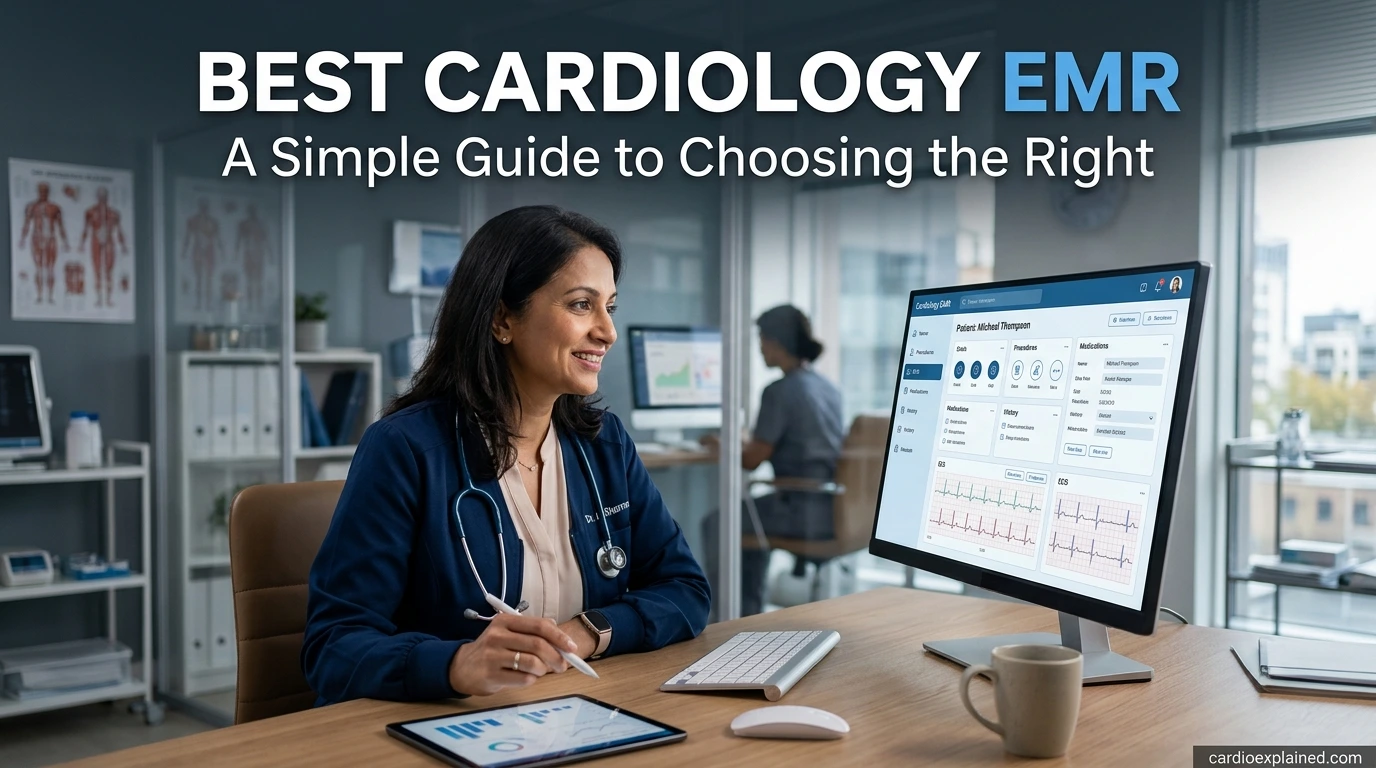

The best cardiology EMR helps heart doctors keep patient records in one safe place. It supports faster visits, better care, and easier follow-up. A good system also helps doctors review test results, manage treatment plans, and spend more time with patients.
Many people feel nervous before a heart visit. They want clear answers and good care. Behind every visit, doctors also need the right tools. The best cardiology EMR helps them stay organized and make smart decisions. It stores health records, test results, and care plans in one place. This helps doctors work faster and avoid mistakes. Patients also enjoy smoother visits and better follow-up care. Families can feel more confident when records stay complete and easy to find. Heart care often needs many visits over time. A good EMR supports that journey. It helps doctors track changes and share information safely. Choosing the right system matters for clinics, doctors, and every patient who depends on quality heart care.
❤️ What Is the Best Cardiology EMR?
A cardiology EMR is an electronic medical record made for heart doctors. It stores patient health information in digital form. It also includes tools that support heart care.
The best cardiology EMR fits the daily work of a heart clinic. It helps doctors record visits, review test results, and create treatment plans. It also keeps records safe and easy to access.
General EMR systems work for many medical fields. Cardiology EMRs include extra tools for heart care. These features save time and improve patient visits.
Why Heart Doctors Need a Special EMR
Heart care involves many tests and long-term treatment. Doctors often review years of health records. They also compare test results over time.
A cardiology EMR helps doctors:
- 🩺 Store heart test results in one place
- 🩺 Track blood pressure over many visits
- 🩺 Review ECG reports quickly
- 🩺 Manage medications safely
- 🩺 Plan follow-up appointments
- 🩺 Share records with other care teams
This support helps doctors focus on patients instead of paperwork.
Common Features
Most high-quality cardiology EMRs include helpful tools.
| Feature | How It Helps |
| Patient records | Stores health history safely |
| ECG support | Reviews heart rhythm tests quickly |
| Imaging access | Opens heart scan reports |
| Medication lists | Tracks current medicines |
| Appointment tools | Helps manage follow-up visits |
| Billing support | Makes office work easier |
Some systems also connect with hospitals and labs. This allows doctors to receive new results without delays.
A Real-Life Example
James, age 67, visited a heart clinic after chest pain. His doctor opened one digital record. Blood tests, ECG results, medicines, and past visits appeared together. The doctor found a small change quickly. That helped James receive care without repeating several tests.
Stories like this show why many clinics invest in a cardiology-specific EMR.
🩺 Why Choosing the Best Cardiology EMR Matters
Heart care often lasts many years. Patients may visit several doctors during that time. Good records help everyone stay informed.
The best cardiology EMR supports safe, organized, and steady care. It also reduces delays during busy clinic days.
Better Care for Patients
Doctors make decisions using many pieces of information.
These may include:
- ❤️ Blood pressure readings
- ❤️ ECG reports
- ❤️ Heart ultrasound results
- ❤️ Medicine history
- ❤️ Family history
When everything stays together, doctors spend less time searching for information.
Patients also receive faster answers.
Better Workflow for Clinics
A busy cardiology office handles many tasks every day.
Staff members schedule visits. Nurses collect patient information. Doctors review tests. Billing teams prepare insurance claims.
A good EMR keeps these steps connected.
Many clinics notice:
- 📋 Less paperwork
- 📋 Fewer missing records
- 📋 Faster chart updates
- 📋 Better communication
- 📋 Easier follow-up scheduling
This creates a smoother experience for both staff and patients.
Supports Long-Term Heart Care
Many heart conditions need regular checkups.
These include:
- High blood pressure
- Heart failure
- Heart rhythm problems
- Coronary artery disease
- High cholesterol
Doctors compare new information with older records. Digital charts make this process much easier.
Follows Trusted Medical Standards
Many cardiologists follow guidance from the American Heart Association (AHA) and the American College of Cardiology (ACC). These groups support organized, accurate medical records as part of quality heart care.
An EMR does not replace a doctor’s judgment. It supports better decisions with complete information.
📋 Signs That a Cardiology Clinic Uses a High-Quality EMR
Patients often wonder if technology affects their care. In many cases, it does.
A modern EMR helps doctors spend more time talking with patients. It also reduces repeated questions and missing records.
You Spend Less Time Filling Out Forms
Many clinics ask patients to complete forms before the visit.
The system may already remember:
- ✅ Past medicines
- ✅ Allergies
- ✅ Previous visits
- ✅ Insurance details
This saves time at check-in.
Test Results Arrive Faster
Heart doctors often order:
- ECG tests
- Echocardiograms, also called heart ultrasound tests
- Stress tests
- Blood work
A connected EMR gathers these results into one chart. Doctors can review them sooner.
Follow-Up Visits Stay Organized
Maria lives with heart failure. She visits her cardiologist every few months.
Her doctor reviews weight changes, blood pressure, medicines, and past notes before each visit. The EMR shows this information in one place. Maria feels more confident because her care stays organized.
Patients Can Stay Connected
Many EMRs include patient portals.
These secure online accounts may allow patients to:
- 📱 View test results
- 📱 Request appointments
- 📱 Ask simple questions
- 📱 Refill medicines
- 📱 Read visit summaries
This keeps patients involved in their own care.
Doctors Spend More Time Looking at Patients
Nobody enjoys watching a doctor search through paper files.
Good EMRs organize information clearly. Doctors often spend less time looking for records and more time discussing health concerns.
That creates a better experience for everyone.
⏱️ How Doctors Check Heart Health Using a Cardiology EMR
Heart doctors use many tests to learn how your heart works. A good EMR keeps these results together. This makes it easier to compare old and new information.
The best cardiology EMR helps doctors review test results quickly. It also supports safe decisions during every visit.
Common Heart Tests
Doctors may recommend one or more of these tests.
| Test | Purpose | What It Shows |
| ECG (electrocardiogram) | Checks heart rhythm | Fast or uneven heartbeat |
| Echocardiogram | Uses sound waves | Heart size and pumping strength |
| Stress test | Checks the heart during activity | Blood flow during exercise |
| Blood tests | Looks for heart-related markers | Risk or heart damage |
| Cardiac CT or MRI | Creates detailed heart images | Heart structure and blood vessels |
The EMR stores these results in one chart. Doctors can compare them over time.
Tracking Changes Over Time
Many heart problems change slowly.
For example, a doctor may compare:
- 📋 Blood pressure from past visits
- 📋 Heart rhythm reports
- 📋 Cholesterol levels
- 📋 Weight changes
- 📋 Medicine updates
This full picture helps guide treatment.
A Patient Story
Robert had an irregular heartbeat. His doctor reviewed ECG reports from three years. The EMR showed small changes over time. The doctor adjusted Robert’s treatment plan before the condition became worse.
❤️ Treatment and Daily Care With the Best Cardiology EMR
Heart treatment depends on each person. Some people only need healthy lifestyle changes. Others need medicines or procedures.
The best cardiology EMR helps doctors manage every step safely.
Managing Medicines
Heart patients often take several medicines.
The EMR helps doctors:
- 🩺 Check medicine lists
- 🩺 Watch for possible drug interactions
- 🩺 Update doses
- 🩺 Print easy-to-read instructions
This lowers the chance of medication mistakes.
Building a Personal Care Plan
Every patient has different needs.
A care plan may include:
- Healthy eating
- Daily exercise
- Blood pressure checks
- Weight tracking
- Follow-up visits
The EMR keeps these plans easy to review.
Helping During Procedures
Some patients need procedures such as:
- Cardiac catheterization
- Pacemaker placement
- Heart valve treatment
The EMR stores reports before and after each procedure. Doctors can review them during future visits.
Teamwork Improves Care
Heart care often includes:
- Cardiologists
- Primary care doctors
- Nurses
- Pharmacists
- Imaging specialists
A shared EMR helps everyone review the same information. This supports better communication and fewer delays.
✅ Healthy Habits That Support Heart Care

Technology helps doctors. Healthy choices help patients.
Even the best cardiology EMR works best when patients stay involved in their own care.
Everyday Heart-Healthy Habits
Simple habits make a difference.
- ❤️ Eat more fruits and vegetables.
- ❤️ Choose whole grains.
- ❤️ Stay active most days.
- ❤️ Keep a healthy weight.
- ❤️ Stop smoking if you smoke.
- ❤️ Limit foods high in salt.
- ❤️ Take medicines as directed.
- ❤️ Sleep well each night.
Small steps can lead to lasting changes.
Keep Up With Follow-Up Visits
Many heart problems need regular care.
Do not skip appointments because you feel well. Many heart conditions show few symptoms at first.
Regular visits help doctors:
- Check progress
- Adjust medicines
- Review test results
- Answer questions
Stay Involved
Many patient portals allow you to:
- 📱 Read visit notes
- 📱 Review test results
- 📱 Request prescription refills
- 📱 Send simple messages
- 📱 Schedule appointments
These tools help you stay informed about your health.
⚠️ When Should You See a Heart Doctor?
Some heart symptoms need prompt medical care.
Call your healthcare provider if you notice:
- ⚠️ Chest pain
- ⚠️ Shortness of breath
- ⚠️ Fast or uneven heartbeat
- ⚠️ Swelling in your legs
- ⚠️ Frequent dizziness
- ⚠️ Fainting
Seek emergency care right away for severe chest pain, trouble breathing, or signs of a possible heart attack or stroke.
Do Not Ignore Small Changes
Many patients wait because symptoms seem mild.
David noticed short walks became harder. He finally visited a cardiologist. Tests found an early heart problem. Early treatment helped him stay active.
Listening to your body can make a real difference.
❓ Frequently Asked Questions
❓ Q: What is the best cardiology EMR?
A: There is no single best choice for every clinic. The best cardiology EMR matches a practice’s size, workflow, and patient needs. Good systems support heart-specific testing, treatment planning, and secure record keeping.
❓ Q: Why do cardiologists use a special EMR?
A: Heart care often involves many tests and long-term follow-up. A cardiology EMR keeps this information together. This helps doctors make informed decisions more quickly.
❓ Q: Can patients see their heart records online?
A: Yes, many clinics offer secure patient portals. These let patients review test results, appointments, medicines, and visit summaries.
❓ Q: Is a cardiology EMR safe?
A: Yes. Most systems use security features that protect patient information. Clinics also follow privacy rules to keep records secure.
❓ Q: Does an EMR replace my cardiologist?
A: No. An EMR is a tool that supports care. Your cardiologist still reviews your symptoms, tests, and treatment options.
❓ Q: Can a cardiology EMR reduce repeat testing?
A: In many cases, yes. When doctors can quickly review past results, they may avoid repeating tests that remain useful and current.
❓ Q: How do I know if my clinic uses a modern EMR?
A: Many clinics offer online scheduling, patient portals, electronic prescriptions, and quick access to test results. These features often show that the clinic uses a modern electronic record system.
Conclusion
Choosing the best cardiology EMR helps doctors deliver organized, connected, and patient-focused heart care. It keeps health records, test results, and treatment plans in one secure place. This supports faster decisions and smoother follow-up visits. Patients also benefit from better communication and easier access to their health information.
While technology improves care, regular checkups and healthy habits remain just as important. If you have heart concerns or notice new symptoms, talk to a licensed cardiologist. Early care may help protect your heart and support a healthier future.