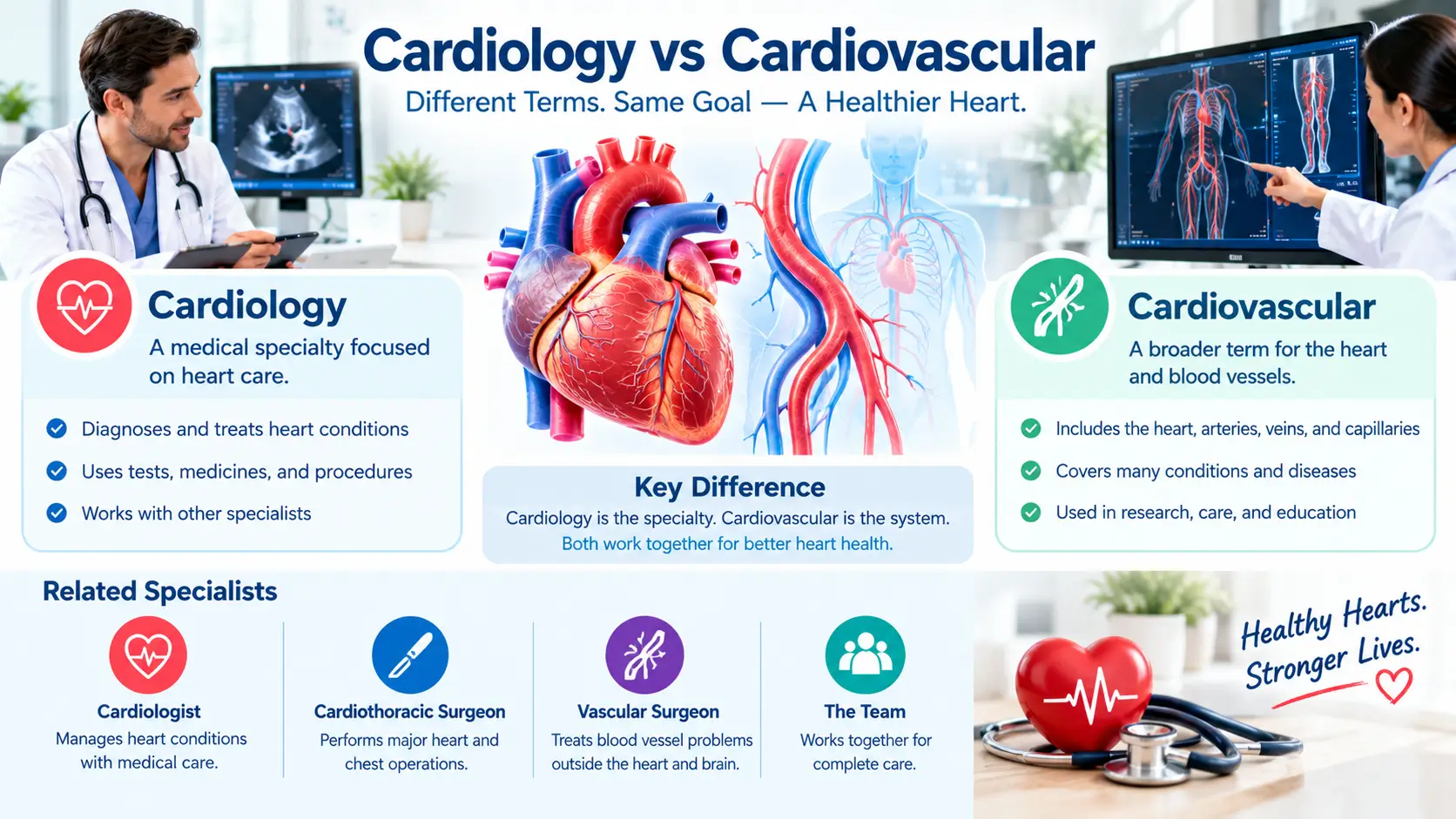


Cardiology doctors are heart specialists who help prevent, find, and treat heart problems. They check how your heart works and guide you toward better heart health. They use tests, medicines, and lifestyle advice to support healthy hearts.
Have you ever felt chest pain or a racing heartbeat? Many people wonder if their heart is healthy. Cardiology doctors help people understand heart problems and find the right care. They work with patients of all ages. They also help prevent future heart disease. Learning about heart care can help you make smart choices for yourself and your family.
❤️ What Does a Heart Specialist Do?

A heart specialist is called a cardiologist. This doctor studies the heart and blood vessels. Blood vessels carry blood through your body.
These doctors help with many health concerns, including:
- 🩺 High blood pressure
- 🩺 Chest pain
- 🩺 Heart rhythm problems
- 🩺 High cholesterol
- 🩺 Heart failure
Heart failure means the heart cannot pump blood well.
Some people see a specialist after symptoms appear. Others visit because of family history.
Many patients feel nervous before their first visit. Most appointments are simple and helpful.
Common Heart Tests
Doctors use tests to learn how your heart works.
| Test | What It Checks | What Happens |
| EKG | Heart rhythm | Sticky pads record heart signals |
| Stress test | Heart during activity | You walk while monitored |
| Echocardiogram | Heart structure | Sound waves create images |
| Blood test | Risk factors | A small blood sample is taken |
An EKG records your heart’s electrical signals. It is quick and painless.
An echocardiogram uses sound waves to create heart pictures.
The American Heart Association supports early heart risk checks.
🩺 When Should You See Cardiology Doctors?

You may not need emergency care for every symptom. Still, some signs deserve attention.
See cardiology doctors if you notice:
- ⚠️ Chest discomfort
- ⚠️ Shortness of breath
- ⚠️ Fast or uneven heartbeat
- ⚠️ Swelling in the legs
- ⚠️ Fainting spells
Family history also matters. Heart disease can run in families.
High blood pressure often has no symptoms. Regular checkups can help.
A primary care doctor may refer you to a specialist. This happens often.
Who Has a Higher Risk?
Some factors may raise heart disease risk.
These include:
- ✅ Smoking
- ✅ Diabetes
- ✅ Obesity
- ✅ High cholesterol
- ✅ Lack of exercise
Diabetes means high blood sugar levels. It can damage blood vessels over time.
The American College of Cardiology offers guidelines for heart care.
📋 What Happens During Your First Visit?
Many people worry before their appointment. Knowing what to expect can help.
The doctor will ask about your health history. They may ask about family history too.
Expect questions about:
- Your symptoms
- Your medicines
- Your diet
- Your activity level
- Your sleep habits
The doctor checks blood pressure and heart sounds.
They may order tests if needed. Not everyone needs every test.
A patient with chest discomfort may receive an EKG. Another patient may only need lifestyle advice.
Bring a list of medicines to your visit. This saves time.
Questions You Can Ask
Good questions help you understand your care.
Consider asking:
- What may cause my symptoms?
- Do I need tests?
- What lifestyle changes can help?
- When should I return?
Clear communication supports better health decisions.
⏱️ Different Types of Heart Specialists
Not all heart doctors do the same work.
Some focus on specific areas of heart health.
| Specialist Type | Focus Area | Main Treatments |
| General cardiologist | Overall heart health | Tests and medicines |
| Electrophysiologist | Heart rhythm issues | Rhythm treatments |
| Interventional cardiologist | Blocked arteries | Catheter procedures |
| Heart failure specialist | Weak heart function | Advanced care plans |
An arrhythmia is an abnormal heartbeat. An electrophysiologist treats these conditions.
A catheter is a thin tube placed inside blood vessels.
In some cases, doctors use cardiac catheterization. This test checks blood flow in the heart.
Many hospitals use team care. Different experts work together for patients.
Cardiology doctors often coordinate care with primary doctors and surgeons.
Can Lifestyle Changes Help?
Healthy habits support heart health.
Try these steps:
- Eat more fruits and vegetables.
- Move your body each day.
- Avoid smoking.
- Sleep enough each night.
- Manage stress in healthy ways.
Small changes can add up over time.
❤️ Preventing Heart Disease and Staying Healthy

Prevention is an important part of heart care.
Many heart problems develop slowly over years.
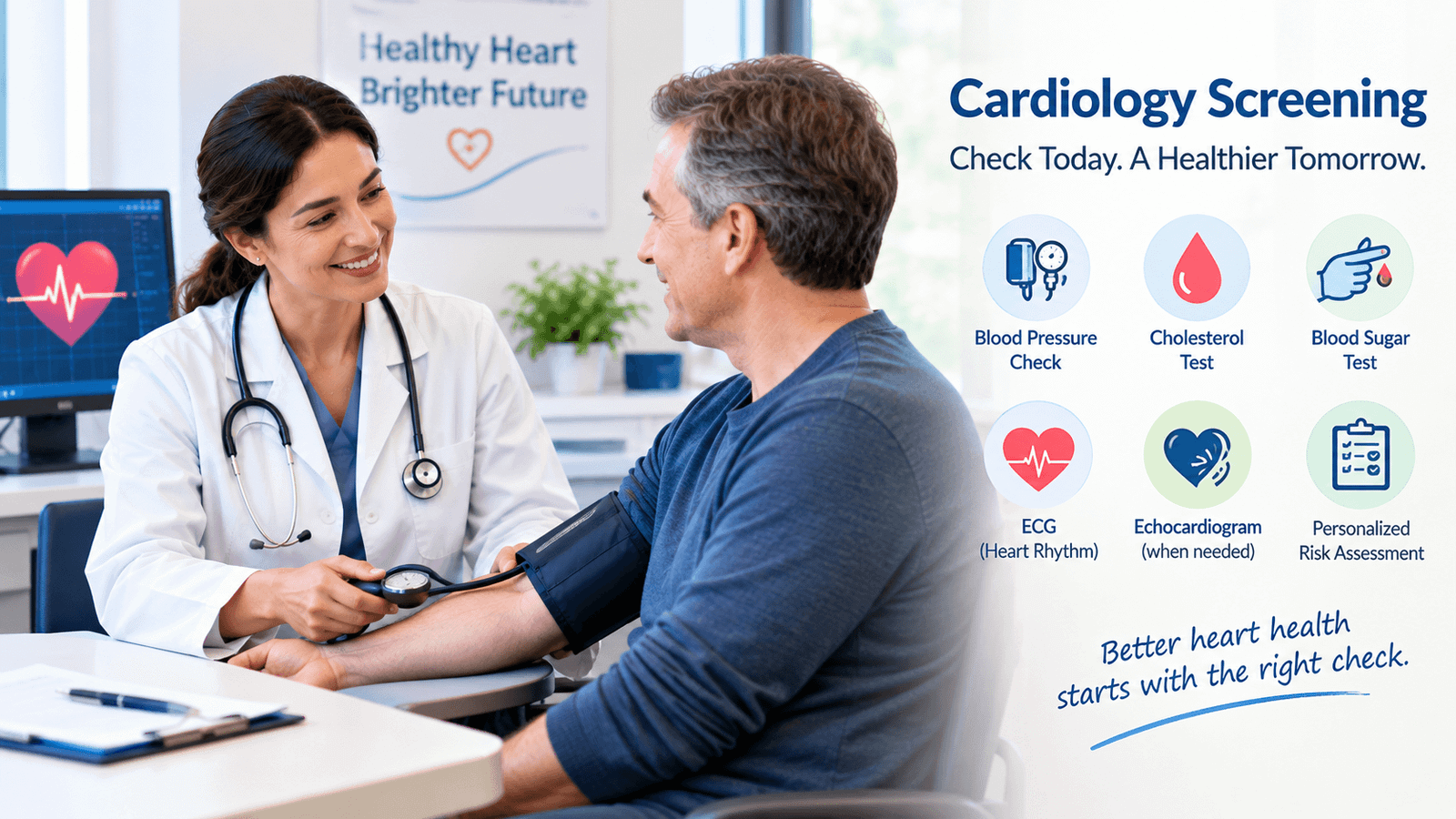
Doctors often recommend regular screenings.
Screenings may include:
- Blood pressure checks
- Cholesterol testing
- Blood sugar testing
Cholesterol is a waxy substance in the blood. High levels may raise heart disease risk.
Exercise helps keep the heart strong. Even walking can help.
A healthy diet supports better blood flow. Limiting salt may lower blood pressure.
Many patients improve heart health through daily habits. Small steps matter.
One patient felt tired during simple walks. After treatment and lifestyle changes, daily activities became easier.
Another patient worried about a family history of heart disease. Early testing provided peace of mind.
Heart symptoms do not always mean serious disease. Still, new symptoms deserve medical attention.
Regular care may lower risks over time.
FAQ
Q: What is the difference between a cardiologist and a heart surgeon?
A: They have different roles. A cardiologist treats heart conditions without surgery. A heart surgeon performs operations when needed.
Q: Do I need a referral before seeing a heart specialist?
A: It depends on your insurance plan. Some plans require referrals. Others allow direct appointments.
Q: Can heart disease happen without symptoms?
A: Yes. Some heart conditions develop quietly. Regular checkups may help find problems early.
Q: How often should adults get heart screenings?
A: It depends on age and risk factors. Your doctor can suggest the right schedule. Regular visits support prevention.
Q: Are cardiology doctors only for older adults?
A: No. Cardiology doctors care for adults of many ages. Younger people with risk factors may also need care.
Q: Can exercise improve heart health?
A: Yes. Regular activity supports heart strength and blood flow. Always ask your doctor about safe exercise levels.
Conclusion
Heart health affects daily life and long-term wellness. Early care and healthy habits can make a difference. Understanding symptoms and risk factors helps people make informed choices.
Cardiology doctors support prevention, testing, and treatment when needed. Talk to a cardiologist if you have any heart concerns.
Medically reviewed for accuracy. Always consult a licensed cardiologist for personal advice.