

A cardiology clinic helps people prevent, find, and manage heart problems. Doctors and care teams check heart health using exams and tests. Early care may lower risks and support a healthier life.
Have you ever felt chest discomfort and wondered what it means? Many people worry when heart symptoms appear. A cardiology clinic gives support, answers, and care for heart concerns. Some people visit for symptoms.
Others go for regular checkups because of family history. Knowing what happens during a visit can ease fear. Learning about heart care also helps you make smart choices. From tests to treatment plans, heart doctors guide patients every step of the way.
❤️ Understanding Heart Care and Specialists
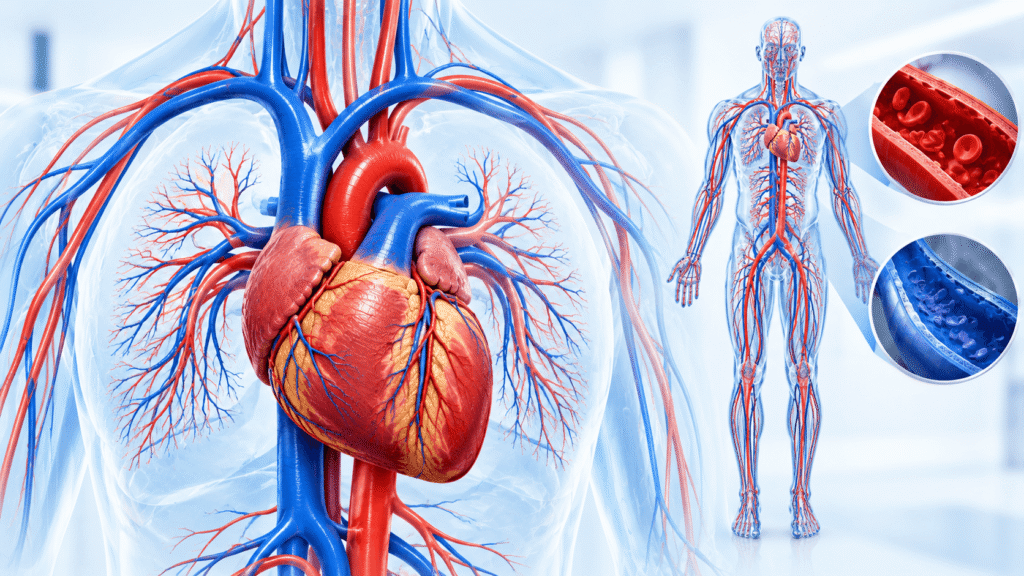
Your heart works every second of the day. It moves blood through your body. Healthy blood flow gives organs oxygen and nutrients.
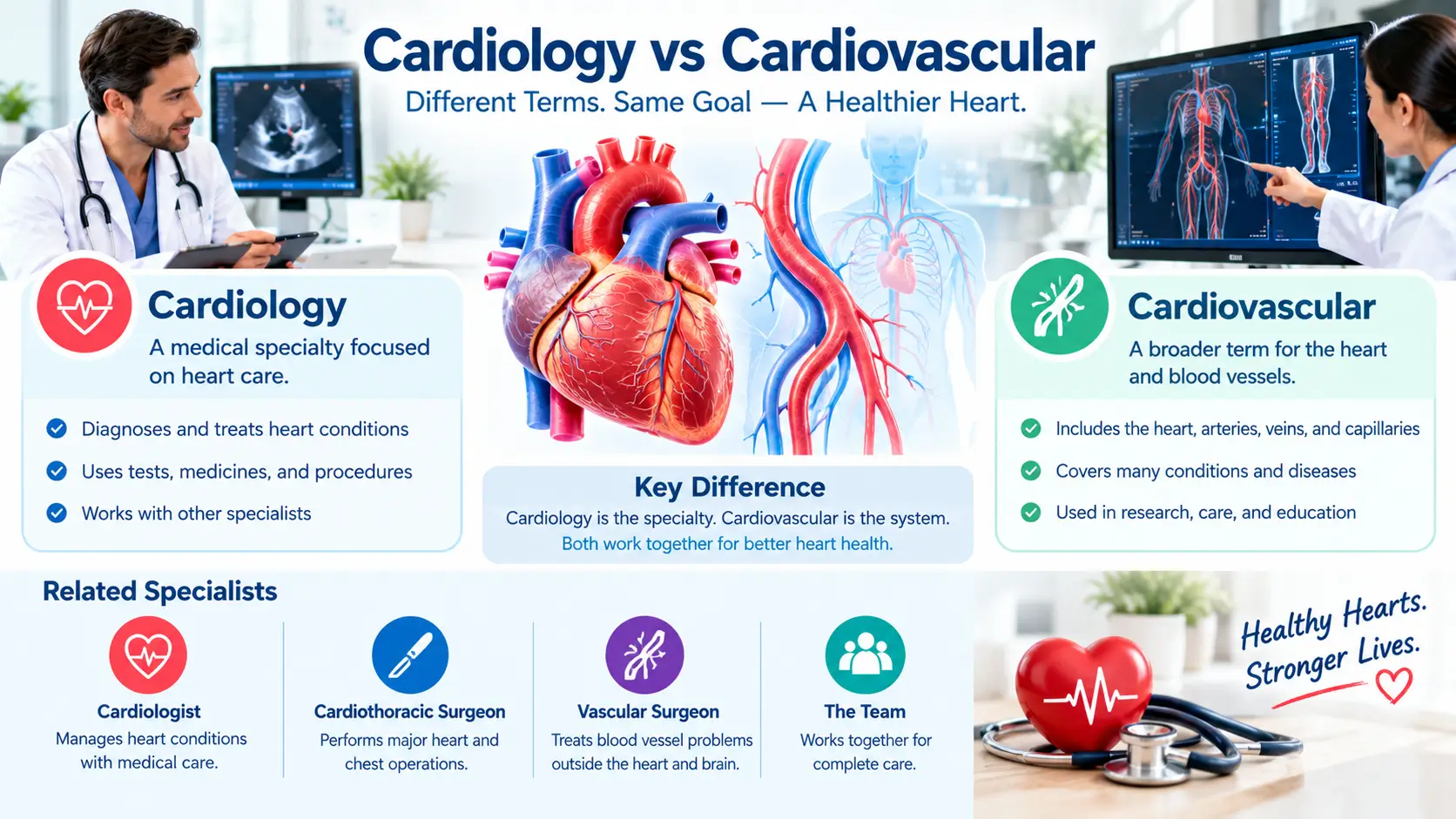
Heart doctors are called cardiologists. They study diseases of the heart and blood vessels.
People visit heart specialists for many reasons. Some have symptoms. Others want to prevent future problems.
Common reasons for visits include:
- ❤️ Chest pain or pressure
- ❤️ Shortness of breath
- ❤️ Fast or irregular heartbeat
- ❤️ High blood pressure
- ❤️ Family history of heart disease
Heart disease remains common in the United States. Early care may help reduce risks.
Many patients feel nervous before their first visit. That feeling is very common. Most visits involve simple questions and exams.
🩺 What Happens at a Cardiology Clinic?

A visit often starts with your health history. The doctor asks about symptoms and family history.
You may discuss:
- 🩺 Medicines you take
- 🩺 Daily habits
- 🩺 Past illnesses
- 🩺 Exercise levels
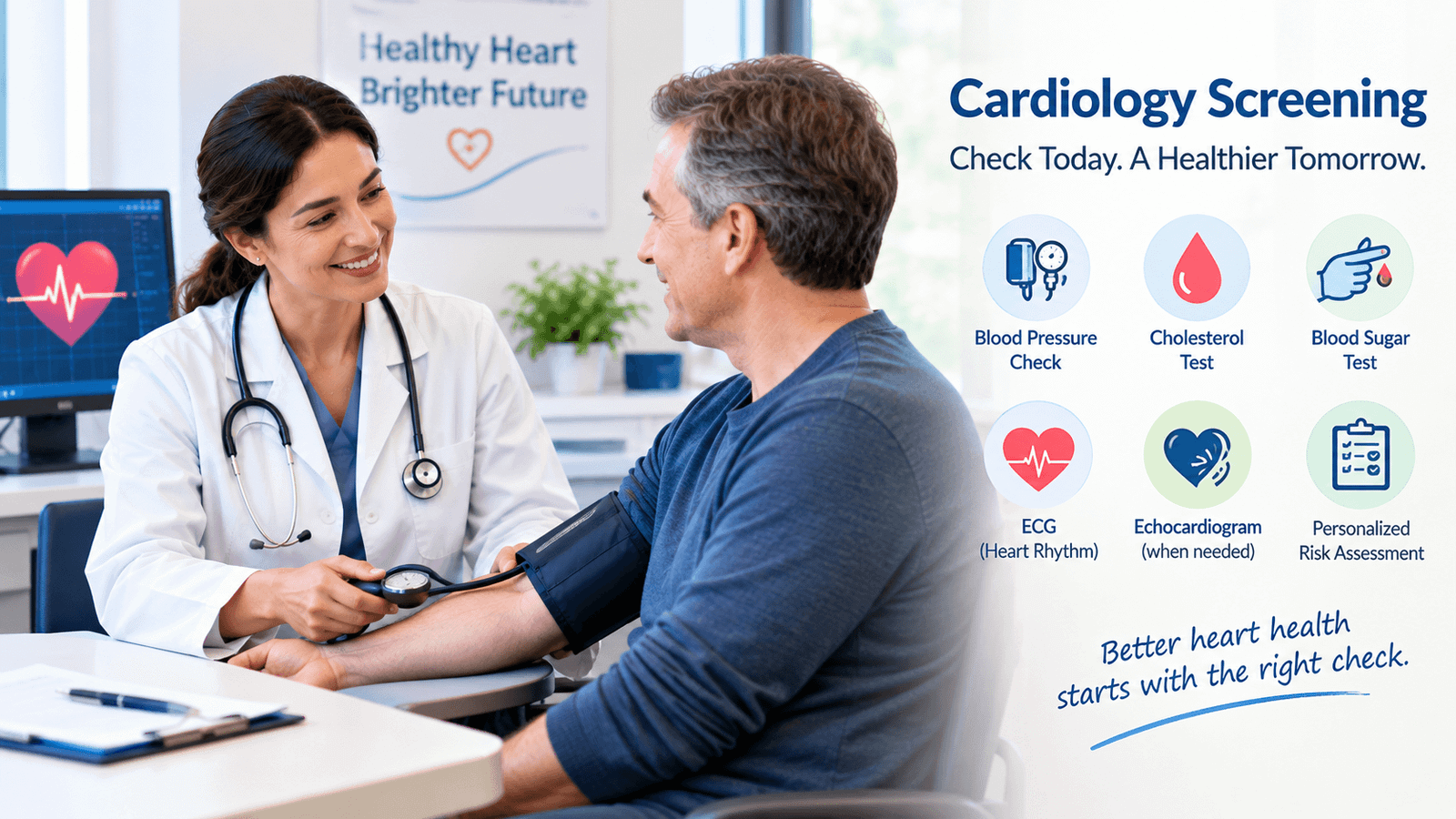
The doctor checks your blood pressure and heart rate. They may listen to your heart using a stethoscope.
Some visits include tests. These tests help doctors learn more about heart function.
Many people fear heart tests. Most tests do not hurt. Care teams explain each step clearly.
Common Heart Tests
| Test | What It Checks | What You May Feel |
| ECG or EKG | Heart rhythm | Sticky patches on skin |
| Echocardiogram | Heart structure | Gel and ultrasound wand |
| Stress test | Heart during activity | Walking on a treadmill |
| Blood test | Cholesterol and markers | Small needle pinch |
An ECG records heart signals. It shows how the heart beats.
An echocardiogram uses sound waves. It creates pictures of the heart.
A stress test checks your heart during exercise. Doctors watch how it responds.
📋 Signs You Should See a Heart Doctor
Some symptoms need medical attention. Early care often leads to better outcomes.
Talk with a doctor if you notice:
- 📋 Chest pain during activity
- 📋 Dizziness or fainting
- 📋 Swollen legs or feet
- 📋 Ongoing shortness of breath
- 📋 Unusual tiredness
Not every symptom means heart disease. Still, doctors should check new symptoms.
People with diabetes may need regular heart checks. High blood pressure also raises risk.
Smoking can damage blood vessels over time. Extra weight may increase heart strain.
Family history matters too. Heart disease sometimes runs in families.
Heart Disease Risk Factors
Risk factors increase your chance of disease. Some risks cannot change. Others can improve with healthy habits.
Examples include:
- ⚠️ Age
- ⚠️ Family history
- ⚠️ Smoking
- ⚠️ High cholesterol
- ⚠️ Lack of exercise
Cholesterol is a fatty substance in blood. High levels may narrow arteries.
Arteries are blood vessels carrying oxygen-rich blood. Narrow arteries may limit blood flow.
⏱️ Preventive Care and Healthy Living
Prevention helps protect heart health. Small steps often create lasting changes.
Doctors often recommend:
- ⏱️ Regular exercise
- ⏱️ Healthy meals
- ⏱️ Better sleep
- ⏱️ Stress control
- ⏱️ Quitting smoking
Adults should stay active most days. Walking counts as exercise.
Foods rich in fruits and vegetables support heart health. Whole grains also help.
Too much salt may raise blood pressure. Reading food labels can help.
Stress affects the body in many ways. Relaxation methods may lower stress.
Some people use breathing exercises. Others enjoy hobbies or nature walks.
Many patients struggle with lifestyle changes. Small goals often feel easier to maintain.
Guidelines Doctors Follow
Heart specialists often follow advice from the American Heart Association. They also use guidance from the American College of Cardiology.
These groups study research and update care practices. Doctors use these guidelines to support safe treatment.
✅ Treatment Options for Heart Conditions

Heart treatment depends on the problem. Each person receives an individual plan.
Some people need lifestyle changes only. Others may need medicine or procedures.
Common treatments include:
- ✅ Blood pressure medicines
- ✅ Cholesterol medicines
- ✅ Diet changes
- ✅ Exercise plans
Doctors may suggest regular follow-up visits. Ongoing care tracks progress over time.
A cardiology clinic may also coordinate care with other doctors. Teamwork often improves patient support.
Procedures You May Hear About
Some patients need special procedures. Doctors explain benefits and risks carefully.
| Procedure | Purpose | Basic Description |
| Cardiac catheterization | Check arteries | Thin tube enters a vessel |
| Angioplasty | Open blocked arteries | Small balloon widens artery |
| Pacemaker placement | Control heart rhythm | Small device helps heartbeat |
Cardiac catheterization uses a thin tube. It helps doctors study blood flow.
Angioplasty may improve blood movement. Doctors sometimes place a small mesh tube.
That tube is called a stent. It helps keep arteries open.
A pacemaker supports heart rhythm. It sends small electrical signals.
❤️ Building Confidence Before Your First Visit
Preparing ahead makes visits easier. Bring a list of medicines.
Write down symptoms before your appointment. Note when they happen.
Bring records if possible. Previous tests can help doctors.
Questions to ask include:
- ❤️ What tests do I need?
- ❤️ What do my symptoms mean?
- ❤️ How can I lower my risk?
- ❤️ Should I change my diet?
Many patients feel calmer after meeting a specialist. Clear answers often reduce worry.
Caregivers also play an important role. They help patients remember instructions.
Heart care works best as a team effort. Patients and doctors share decisions together.
FAQ
Q: When should someone visit a heart specialist?
A: You should visit if symptoms concern you. Chest pain, dizziness, or shortness of breath may need evaluation. People with strong family history may also benefit from care.
Q: Do heart tests hurt?
A: No, most heart tests do not hurt. Many tests involve sensors or imaging. Blood tests may cause a brief pinch.
Q: What should I bring to my first appointment?
A: Bring medicine lists and medical records. Write down symptoms and questions. This information helps doctors understand your health.
Q: Can lifestyle changes improve heart health?
A: Yes, healthy habits often support heart function. Exercise, diet, and sleep all matter. Doctors may suggest changes based on your needs.
Q: How do I choose a good cardiology clinic?
A: Look for experienced doctors and clear communication. Check patient reviews and insurance coverage. A cardiology clinic should make you feel informed and supported.
Q: Does high blood pressure affect the heart?
A: Yes, high blood pressure can strain the heart. Treatment may lower risks over time. Regular checkups help track changes.
Conclusion
Heart health matters at every age. Early care and healthy habits support long-term wellness. Understanding tests and treatment can ease worry. A cardiology clinic offers guidance, monitoring, and support for many heart concerns. Talk to a cardiologist if you have any heart concerns.
Medically reviewed for accuracy. Always consult a licensed cardiologist for personal advice.