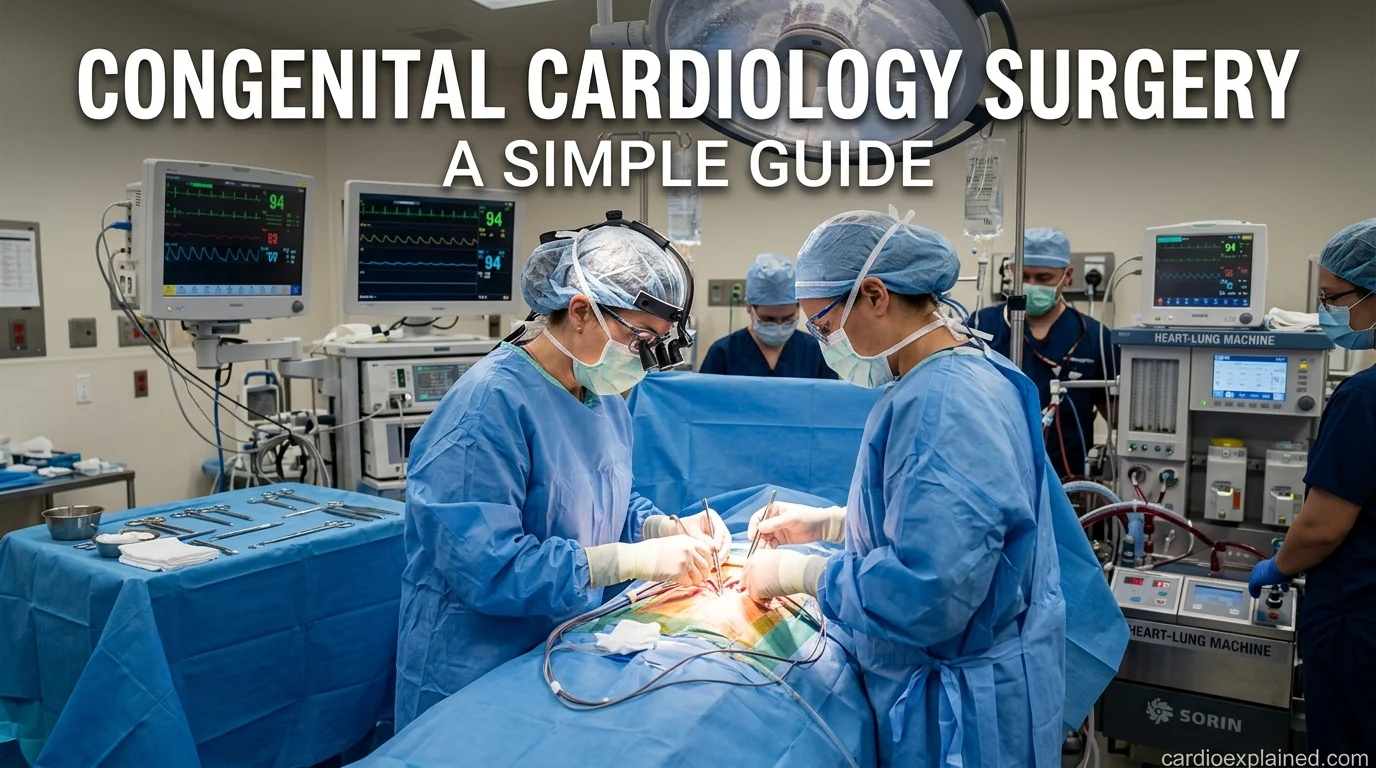

Congenital cardiology surgery treats heart problems present at birth. It helps the heart work better and supports healthy growth. Doctors choose the safest surgery based on each person’s heart condition, age, and overall health.
Have you ever wondered why some babies need heart surgery soon after birth? Many families feel scared when they first hear this news. Those feelings are normal. Learning about congenital cardiology surgery can make the journey less confusing and help you feel more prepared.
Some heart problems begin before birth. These conditions change how the heart forms or pumps blood. Today, doctors can treat many of these problems with safe and proven surgery. Many children grow up to attend school, play sports, and enjoy active lives after treatment.
Parents, caregivers, students, and patients often have many questions. They want to know why surgery is needed, what recovery looks like, and what life may be like later. Simple facts and trusted advice can make these questions easier to understand. This guide explains each step in clear language and shares examples that many families experience during their care.
❤️ What Is Congenital Cardiology Surgery?
Congenital cardiology surgery treats heart defects that are present before birth. A heart defect means the heart did not form in the usual way during pregnancy. Some defects are small and never need surgery. Others need treatment soon after birth or later during childhood.
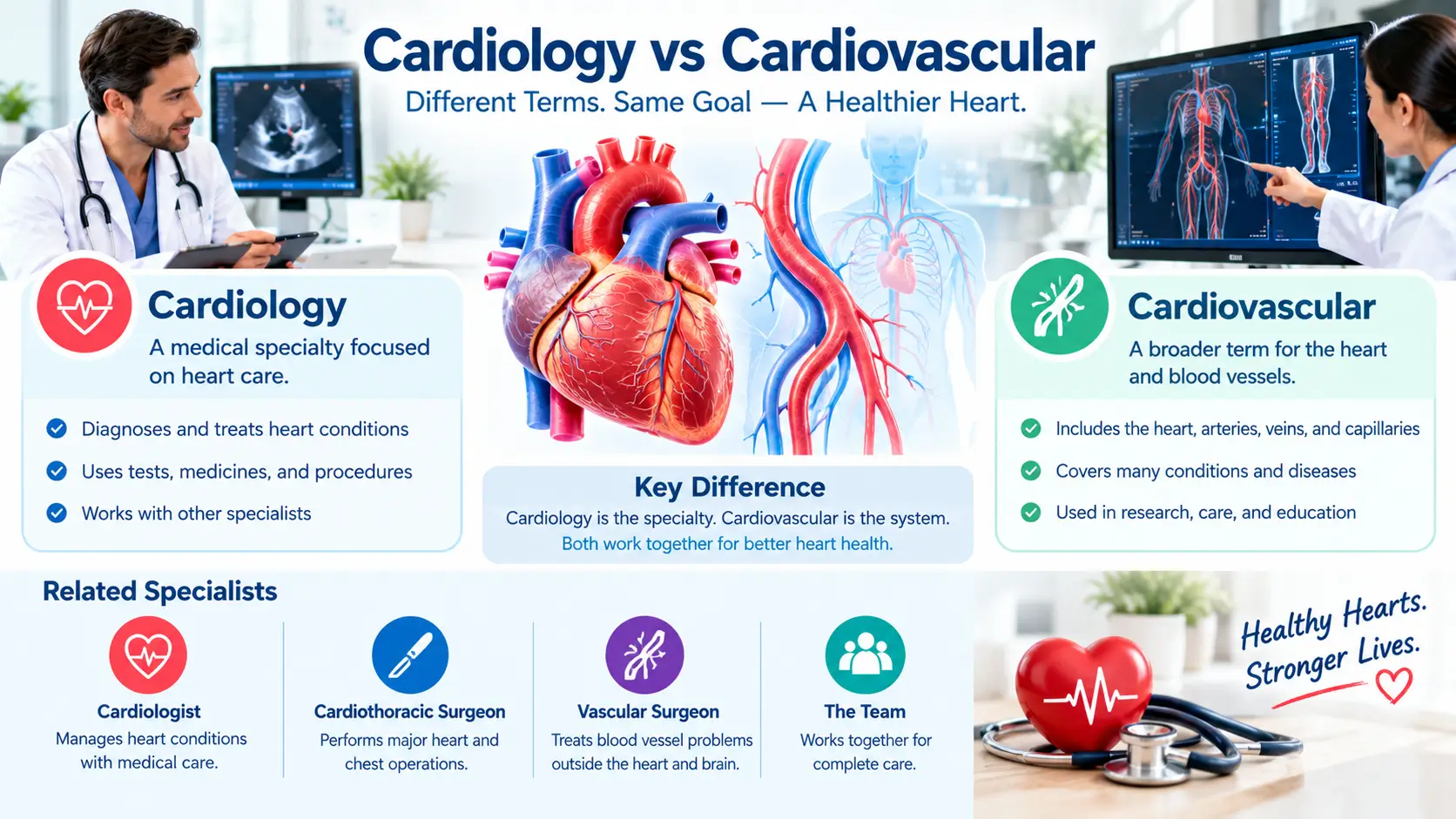
Doctors who care for these patients work as a team. The team may include:
- 🩺 A pediatric cardiologist who checks heart health.
- 🩺 A heart surgeon who performs the operation.
- 🩺 Heart nurses who provide daily care.
- 🩺 Anesthesia doctors who keep patients asleep during surgery.
- 🩺 Therapists who help during recovery.
The goal of surgery is simple. Doctors want the heart to move blood through the body as well as possible. Better blood flow helps organs receive the oxygen they need.
Some operations fix the heart completely. Other surgeries improve blood flow until another procedure becomes the best choice.
Common Heart Defects That May Need Surgery
Several birth defects may require surgery.
These include:
- A hole between the upper heart chambers.
- A hole between the lower heart chambers.
- Narrow heart valves.
- Narrow blood vessels.
- Heart chambers that did not develop normally.
- Problems with the large blood vessels leaving the heart.
Every child has a different condition. Doctors create a care plan that fits each patient.
Real-Life Example
Many parents notice their newborn becomes tired during feeding. The baby may breathe fast and gain weight slowly. After several heart tests, doctors find a heart defect. Surgery helps improve blood flow, and feeding becomes much easier during recovery.
This story is common in many children’s hospitals across the United States. Early treatment often leads to better growth and development.
🩺 Why Do Congenital Heart Defects Happen?
Parents often wonder if they caused the problem. In many cases, the answer is no.
Most congenital heart defects develop while the baby grows during pregnancy. Doctors cannot always find one exact cause.
Several factors may increase the chance of a heart defect.
Family History
Some heart defects run in families. A child may have a higher chance if close relatives have similar conditions.
Genetic Conditions
Some babies have changes in their genes. Genes are small pieces of information that guide body growth. Certain genetic conditions may affect heart development.
Health During Pregnancy
Some health conditions during pregnancy may increase risk.
Examples include:
- Diabetes that is not well controlled.
- Certain infections.
- Some medicines taken during pregnancy.
- Smoking or heavy alcohol use.
Doctors review these factors carefully, but many families never find one clear reason.
Heart Development Before Birth
The baby’s heart starts forming very early in pregnancy. Small changes during this time may affect how the heart develops.
Most parents never know this happens before birth. Modern ultrasound exams sometimes find these problems before delivery.
A Family Story
One couple learned about their baby’s heart defect during a routine pregnancy scan. They met heart specialists before birth and planned delivery at a hospital with children’s heart surgeons. Their baby received surgery within days and recovered well with close medical care.
Planning ahead often helps families feel calmer and more prepared.
Can Heart Defects Be Prevented?
Doctors cannot prevent every congenital heart defect.
Still, healthy habits may lower some risks.
These include:
- ✅ Getting regular prenatal care.
- ✅ Taking prenatal vitamins with folic acid.
- ✅ Managing diabetes carefully.
- ✅ Avoiding tobacco and alcohol.
- ✅ Asking a doctor before taking new medicines.
Healthy choices support both mother and baby, even though they cannot prevent every heart condition.
❤️ Signs and Symptoms to Watch For
Heart defects affect each person differently. Some babies show signs soon after birth. Others may not develop symptoms until later.
Parents should know what changes deserve medical attention.
Babies
Common signs include:
- 👶 Fast breathing.
- 👶 Poor feeding.
- 👶 Sweating during feeding.
- 👶 Slow weight gain.
- 👶 Blue lips or skin.
- 👶 Sleeping more than usual.
These signs may appear together or one at a time.
Children
Older children may have different symptoms.
They may experience:
- Tiring quickly during play.
- Trouble keeping up with friends.
- Chest discomfort.
- Fast heartbeat.
- Frequent lung infections.
- Feeling dizzy.
Some children have very mild symptoms. Doctors may discover the heart problem during a routine checkup after hearing an unusual heart sound called a murmur. A murmur is an extra sound made as blood moves through the heart. Many murmurs are harmless, but some need more testing.
Adults With Congenital Heart Defects
Some people reach adulthood before learning they have a heart defect.
Possible signs include:
- Shortness of breath.
- Low energy.
- Swollen legs.
- Irregular heartbeat.
- Trouble exercising.
Adults with birth heart defects often receive care from doctors who specialize in congenital heart disease.
Real-Life Example
A ten-year-old boy enjoyed school but became tired during soccer practice. His parents thought he simply disliked running. After a doctor’s visit, testing found a heart defect that needed surgery. After treatment and recovery, he slowly returned to sports with his doctor’s approval.
Stories like this remind families that early medical care can make a big difference.
📋 How Doctors Diagnose Heart Problems
Doctors first learn about your symptoms. They also review your health history and family history. After that, they choose the right tests. These tests help the team decide if congenital cardiology surgery is the best treatment.
Many patients feel nervous before testing. Most heart tests do not hurt. Nurses explain each step and answer questions along the way.
Physical Exam
The visit often starts with a simple exam.
The doctor may:
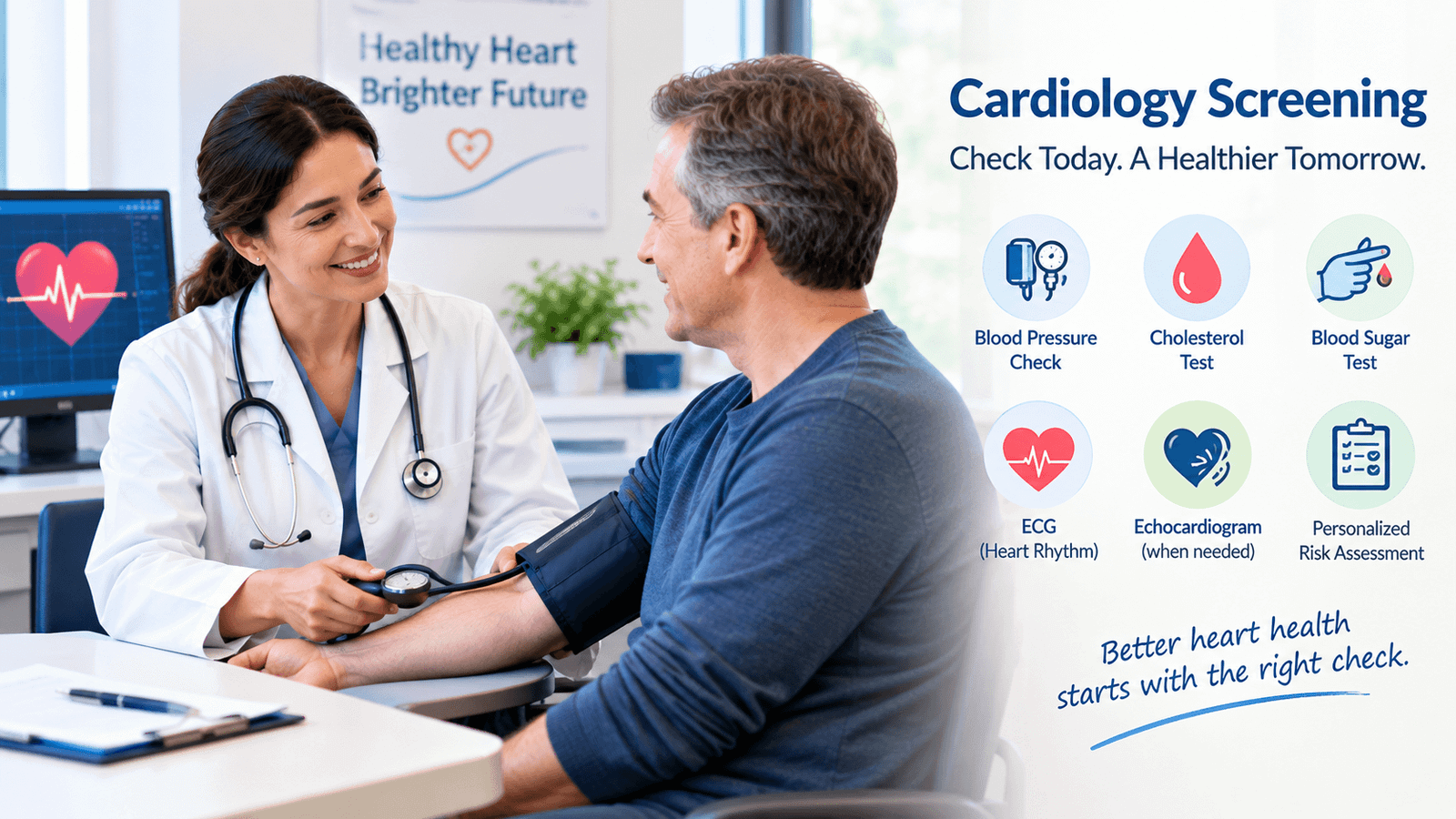
- ✅ Listen to the heart with a stethoscope.
- ✅ Check blood pressure.
- ✅ Measure oxygen levels.
- ✅ Look for swelling or blue skin.
- ✅ Check growth in babies and children.
These findings help guide the next steps.
Echocardiogram
An echocardiogram is one of the most important heart tests.
It uses sound waves to create moving pictures of the heart. The test shows:
| Test | What It Shows | Does It Hurt? |
| Echocardiogram | Heart chambers, valves, and blood flow | No |
| Electrocardiogram (ECG) | Heart rhythm and electrical signals | No |
| Chest X-ray | Heart size and lungs | No |
| Cardiac MRI | Detailed heart pictures | No |
| Cardiac CT | Blood vessels and heart structure | No |
Doctors often rely on the echocardiogram because it gives detailed information without radiation.
Electrocardiogram (ECG)
An ECG records the heart’s electrical activity.
Small sticky patches attach to the chest, arms, and legs. The test takes only a few minutes.
Doctors use it to check:
- ❤️ Heart rhythm.
- ❤️ Signs of heart strain.
- ❤️ Changes after surgery.
Cardiac MRI and CT Scan
Some patients need more detailed pictures.
A cardiac MRI uses magnets instead of X-rays. It creates clear images of the heart and blood vessels.
A CT scan uses X-rays to create detailed pictures. Doctors may choose it when they need fast results.
Cardiac Catheterization
Some patients need cardiac catheterization before surgery.
A thin tube enters a blood vessel and moves toward the heart. Doctors can measure blood pressure inside the heart and study blood flow.
Some heart problems can even be treated during this procedure without open-heart surgery.
Real-World Example
A newborn had low oxygen levels after birth. An echocardiogram quickly showed a serious heart defect. The heart team planned surgery within days. Early testing helped the baby receive the right care without delay.
Following National Guidelines
Many heart centers follow guidance from organizations such as the American Heart Association (AHA) and the American College of Cardiology (ACC). These groups support careful testing before surgery. Their guidance helps doctors choose the safest treatment for each patient.
🩺 Treatment Options for Congenital Heart Defects
Every patient has a unique heart condition. Doctors build a treatment plan that fits the person’s age, symptoms, and heart structure.
For many people, congenital cardiology surgery offers the best chance for better heart function. Others may only need medicine or regular checkups.
Watching the Condition
Some small heart defects close on their own.
Doctors may recommend:
- ✅ Regular heart exams.
- ✅ Follow-up imaging.
- ✅ Healthy growth checks.
- ✅ Activity guidance.
This approach avoids surgery when it is not needed.
Medicines
Medicine cannot repair every heart defect.
Still, medicine may help by:
- Lowering extra fluid.
- Helping the heart pump better.
- Controlling blood pressure.
- Keeping the heartbeat steady.
Doctors may also use medicine before or after surgery.
Catheter-Based Procedures
Some defects do not need open-heart surgery.
Instead, doctors place small devices through a catheter.
This method may:
- Close small holes.
- Open narrow valves.
- Widen narrowed blood vessels.
Recovery is often shorter than with surgery.
When Surgery Becomes the Best Choice
Some heart defects need surgery to improve blood flow or repair heart structures.
The surgical team explains:
- The reason for surgery.
- The expected benefits.
- Possible risks.
- Recovery time.
- Long-term follow-up.
Families have time to ask questions before the operation whenever possible.
Types of Surgery
Doctors choose different operations based on the heart defect.
Some surgeries:
- Repair holes in the heart.
- Replace or repair heart valves.
- Rebuild blood vessels.
- Create better blood flow.
- Correct complex heart defects.
Some children need only one operation. Others need several surgeries as they grow.
Life After Surgery
Recovery takes time.
Many patients spend several days in the hospital. Nurses watch heart rate, breathing, and healing closely.
Parents often notice:
- Better feeding.
- More energy.
- Improved weight gain.
- Easier breathing.
These changes may happen slowly over several weeks.
A Patient Story
A six-month-old girl struggled to gain weight. Doctors recommended surgery after several heart tests. Her parents worried about the operation, but the heart team explained every step. Months later, she smiled more, gained weight, and reached new milestones.
Stories like this remind families that treatment often brings hope along with healing.
✅ Healthy Living After Heart Surgery

Many people enjoy full and active lives after treatment. Healthy habits help protect the heart for years to come.
Even after successful surgery, regular follow-up visits remain important.
Keep Regular Checkups
Heart care does not end after leaving the hospital.
Doctors watch for:
- ❤️ Heart growth.
- ❤️ Valve function.
- ❤️ Heart rhythm.
- ❤️ Overall health.
Some patients need yearly visits. Others return more often.
Stay Active
Exercise helps many people stay healthy.
Doctors recommend activities that match each person’s condition.
Children often return to:
- Playing outside.
- Riding bikes.
- School sports.
- Swimming.
The heart doctor decides when each activity is safe.
Eat Heart-Healthy Foods
Good nutrition supports recovery and lifelong health.
Choose foods like:
- 🥗 Fruits.
- 🥗 Vegetables.
- 🥗 Whole grains.
- 🥗 Lean meats.
- 🥗 Fish.
- 🥗 Low-fat dairy.
Limit foods high in salt and added sugar.
Protect Against Infection
Some patients need extra care before dental work.
Certain heart conditions increase the risk of heart infection. This infection is called infective endocarditis. It happens when germs enter the bloodstream and reach the heart.
Your cardiologist may recommend antibiotics before some dental procedures if national guidelines support them.
Emotional Health Matters
Recovery affects the whole family.
Children may fear hospital visits. Parents may feel stress after surgery.
Simple steps may help:
- ✅ Talk openly about feelings.
- ✅ Join a support group.
- ✅ Ask questions during appointments.
- ✅ Celebrate each small improvement.
Many families feel more confident as time passes.
Looking Ahead
Most children continue growing, learning, and enjoying everyday life. Many adults with repaired heart defects work, travel, and raise families.
Good medical care, healthy habits, and regular follow-up visits support the best possible future.
⚠️ When to See a Doctor
Regular heart checkups help keep patients healthy. Still, some symptoms need medical care right away. Never ignore warning signs, especially after heart surgery.
Call your cardiologist if you notice new symptoms or changes that concern you.
Signs That Need Medical Attention
Seek medical care if you or your child has:
- ⚠️ Trouble breathing that gets worse.
- ⚠️ Blue lips, fingers, or toes.
- ⚠️ Chest pain that does not improve.
- ⚠️ Fainting or passing out.
- ⚠️ Fast or irregular heartbeat.
- ⚠️ Swelling in the legs, feet, or belly.
- ⚠️ Fever after heart surgery.
- ⚠️ Redness or drainage from the surgical wound.
Babies need quick care if they stop feeding well, become very sleepy, or have trouble gaining weight.
Follow-Up Visits Matter
Even after a successful operation, heart care continues.
Your doctor may schedule visits to:
- Check heart function.
- Review medicines.
- Watch growth and development.
- Answer new questions.
- Plan future care if needed.
Many adults who had heart surgery as children continue seeing a heart specialist throughout life. These visits help find small changes before they become larger problems.
A Real-Life Example
A teenager had heart surgery as a baby. He felt healthy for many years. During a routine visit, his cardiologist found a valve problem before symptoms appeared. Early treatment helped him avoid more serious complications.
Regular care often makes a big difference, even when you feel well.
Frequently Asked Questions
❓ Q: What is congenital cardiology surgery?
A: Congenital cardiology surgery is surgery that repairs or improves heart defects present at birth. The goal is to help the heart pump blood more effectively. The type of surgery depends on the heart condition. Your heart team explains the best option for each patient.
❓ Q: Is congenital heart surgery safe?
A: Modern congenital heart surgery is safer than ever. Skilled heart teams use advanced equipment and careful planning. Every surgery has risks, but many children and adults recover well. Your surgeon explains the benefits and possible risks before treatment.
❓ Q: Can a child live a normal life after heart surgery?
A: Yes, many children grow into healthy and active adults. They often attend school, play with friends, and enjoy sports when their doctor approves. Regular follow-up visits help protect long-term heart health.
❓ Q: Will every congenital heart defect need surgery?
A: No. Some heart defects are small and only need regular checkups. Others improve without surgery. Your cardiologist recommends treatment based on the size and type of the defect.
❓ Q: How long does recovery take after surgery?
A: Recovery is different for every patient. Some people feel better within weeks, while others need several months. The care team gives detailed instructions for healing, activity, and follow-up appointments.
❓ Q: Can adults have surgery for a heart defect present since birth?
A: Yes. Some heart defects are first found during adulthood. Others need another repair later in life. Adult congenital heart specialists can recommend the best treatment plan.
❓ Q: Where should someone receive congenital heart surgery?
A: Large hospitals with experienced pediatric or adult congenital heart programs often provide the best care. These centers have surgeons, cardiologists, nurses, and other specialists who work together. Choosing an experienced heart team can improve care before, during, and after surgery.
Conclusion
Learning about congenital cardiology surgery can help families feel more prepared and less afraid. Many heart defects present at birth can be treated with today’s medical care. Early diagnosis, the right treatment, and regular follow-up visits support better heart health over time.
Every patient has a different journey. Some need only monitoring, while others benefit from surgery. A trusted heart team will explain each step and answer your questions with care.
If you or someone you love has concerns about a heart condition, talk to a cardiologist. Early care can make a meaningful difference.