
Sports cardiology is a heart care specialty for active people and athletes. It helps find heart concerns, guides safe exercise, and supports healthy sports participation. Doctors use it to check heart health before, during, and after athletic activity.
Have you ever wondered if your heart can keep up with sports? Maybe you run races, play soccer, or cheer for a child athlete. Many people want to stay active but worry about heart health.
Sports cardiology helps answer those questions. This growing field focuses on heart care for athletes and active people. It can help find hidden heart problems and guide safe training. It also helps people return to sports after illness or treatment.
Whether you are a student, parent, patient, or caregiver, learning about heart health in sports can bring peace of mind. A healthy heart supports both performance and long-term wellness.
❤️ What Is Sports Cardiology?
Sports cardiology is a branch of heart medicine that focuses on exercise and athletics. Doctors in this field care for people who play sports at any level.
Some patients are professional athletes. Others enjoy weekend walks or local sports leagues.
A sports heart doctor looks at how exercise affects the heart. The doctor also checks whether a heart condition may affect sports safety.
Who May Benefit?
People often seek care if they:
- ✅ Have chest pain during exercise
- ✅ Feel dizzy while playing sports
- ✅ Notice a racing heartbeat
- ✅ Have a family history of heart disease
- ✅ Need clearance for sports participation
- ✅ Want advice about safe training
Many patients feel nervous before their first visit. After testing, many learn their hearts are healthy and strong.
How Is It Different From General Cardiology?
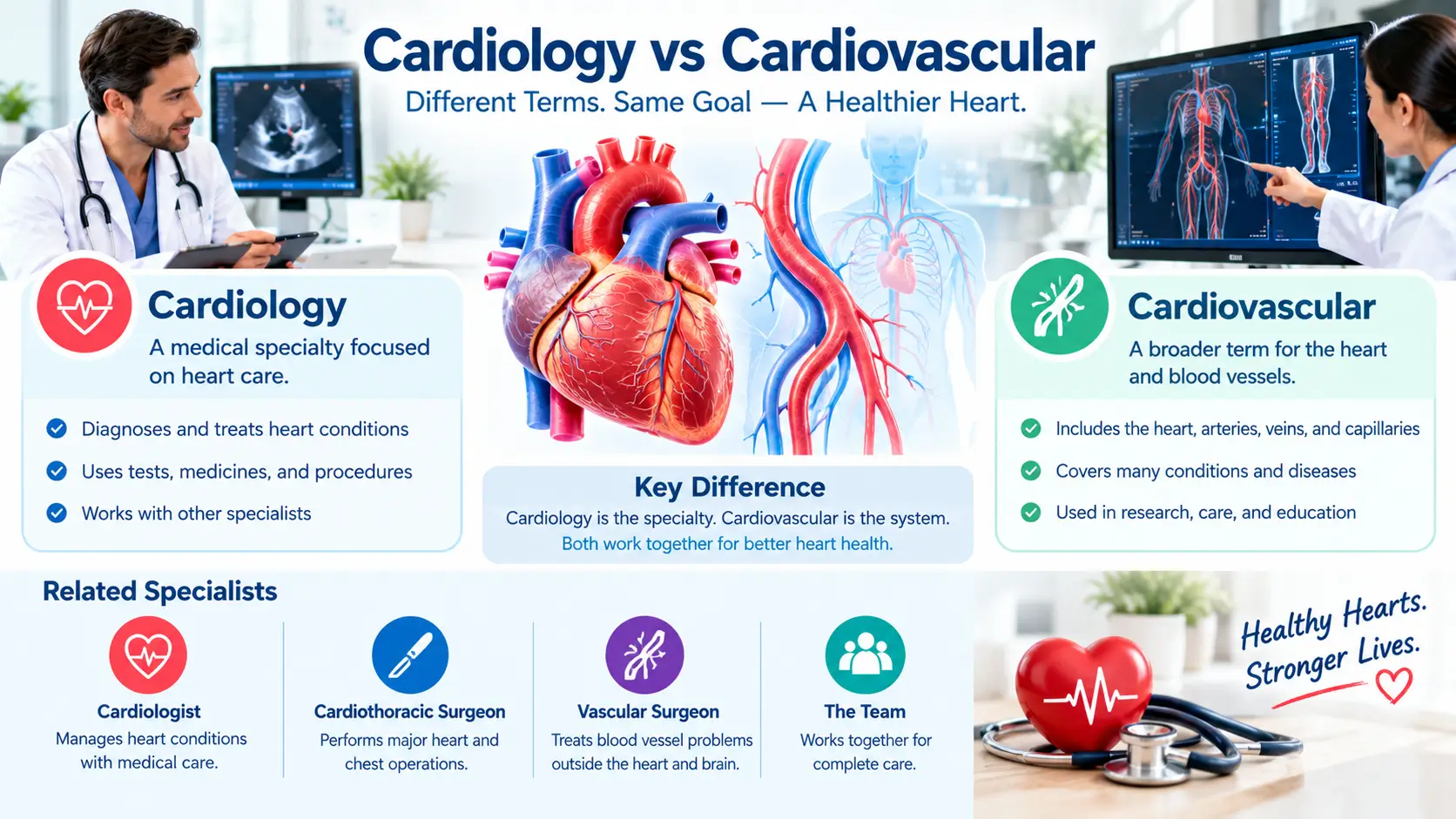
General heart doctors treat many heart conditions.
Sports heart specialists focus on exercise-related concerns. They understand how training changes the body. They also know how to tell normal athletic changes from possible problems.
🩺 Tests and Exams Used for Athletes
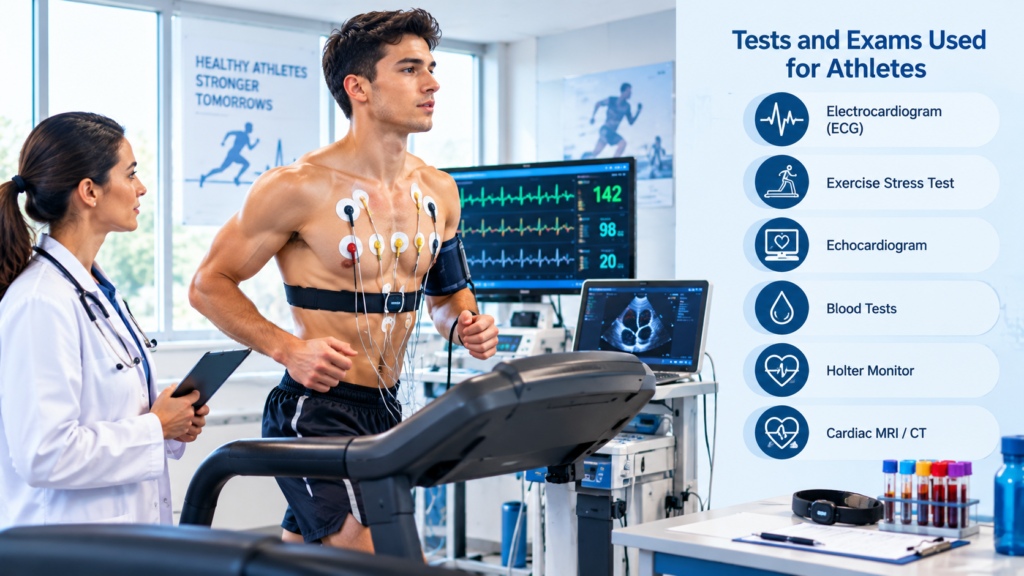
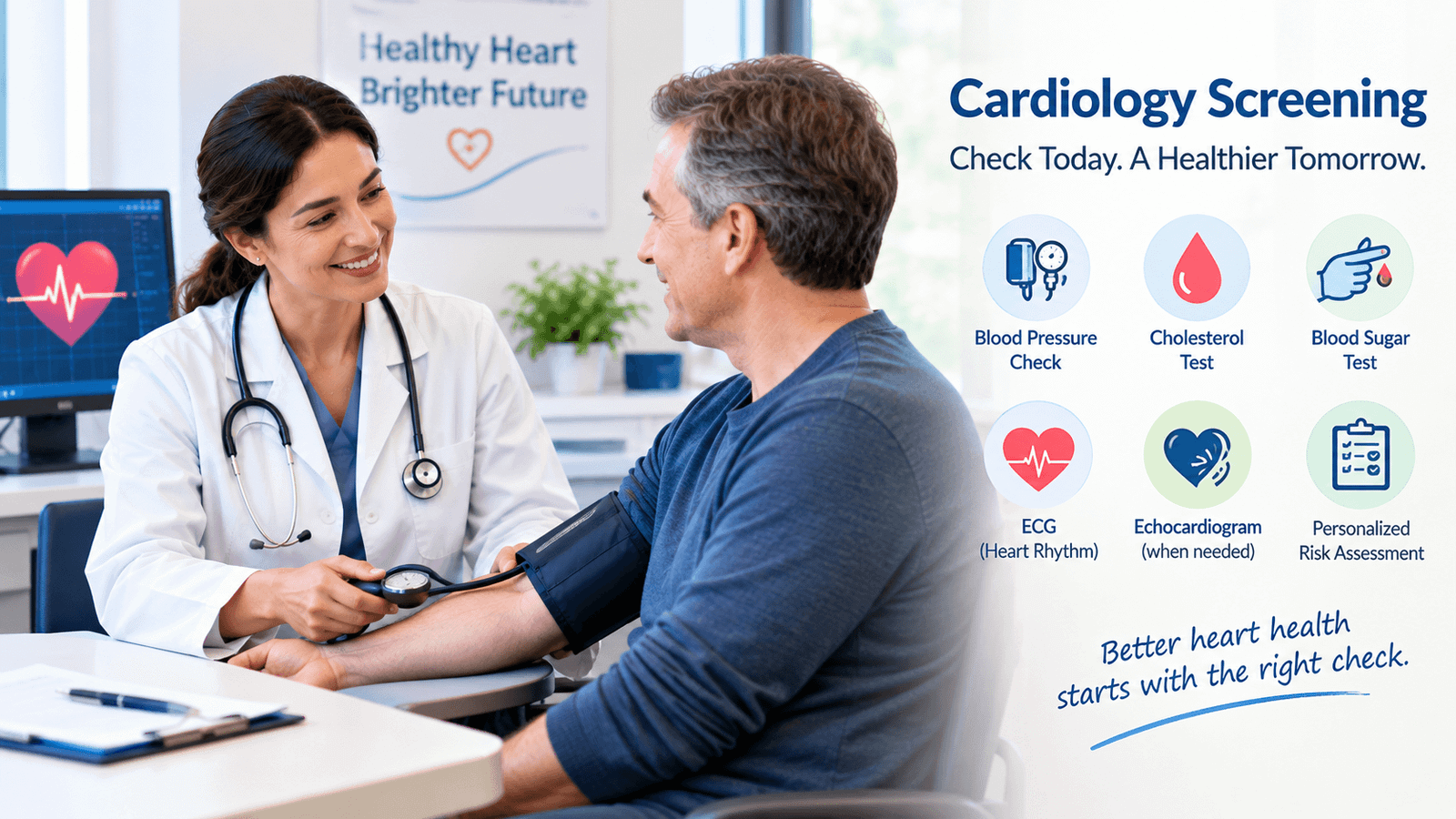
Doctors use several tools to check heart health.
These tests follow common standards from the American Heart Association (AHA) and the American College of Cardiology (ACC).
Electrocardiogram (ECG)
An ECG records the heart’s electrical signals.
The test is quick and painless. Small stickers attach to the skin.
Echocardiogram
An echocardiogram uses sound waves to create heart pictures.
Doctors use it to see heart size and function.
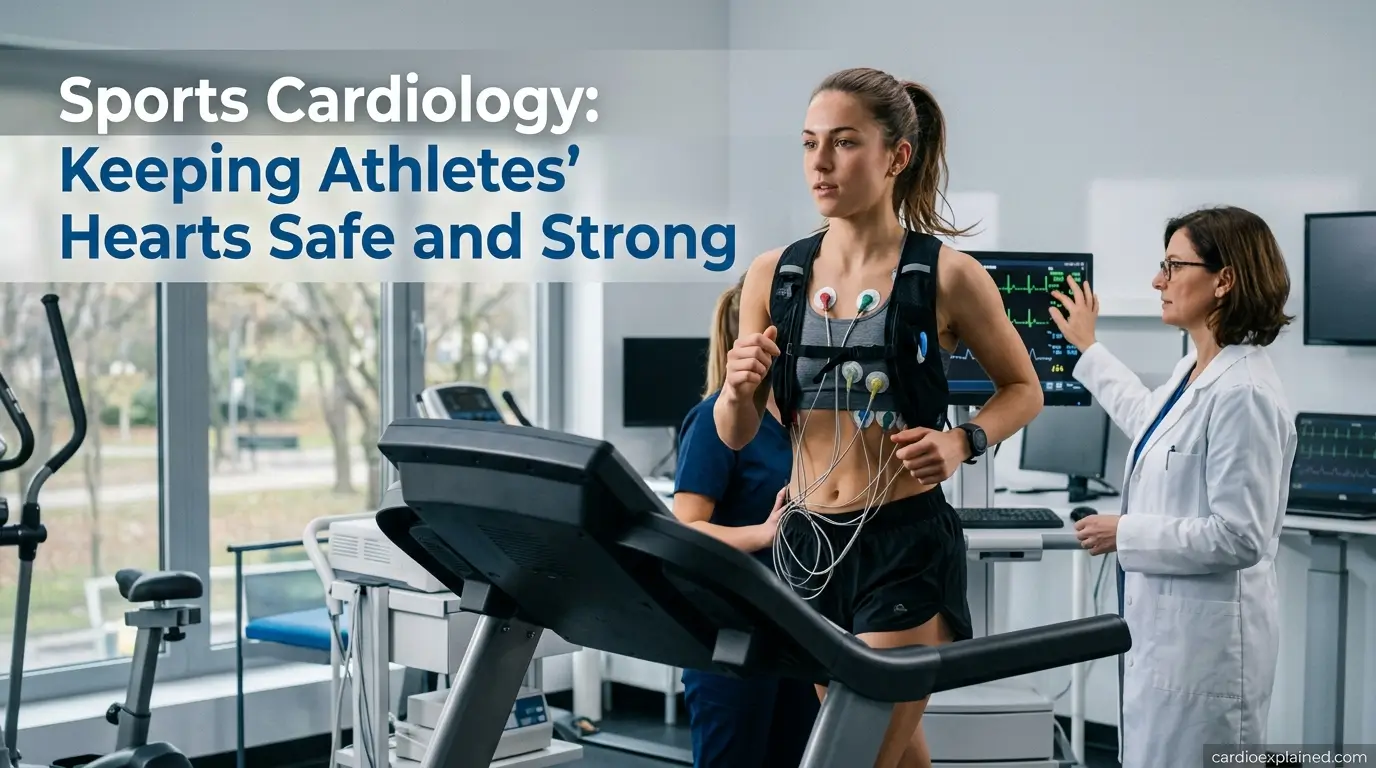
Exercise Stress Test
A stress test checks the heart during activity.
You walk or run on a treadmill while staff monitor your heart.
Heart Monitoring Devices
Some patients wear a small monitor.
The device records heart rhythm over time.
Common Tests and Their Purpose
| Test | What It Does | Typical Time |
| ECG | Records heart signals | 5–10 minutes |
| Echocardiogram | Creates heart images | 30–60 minutes |
| Stress Test | Checks heart during exercise | 15–45 minutes |
| Heart Monitor | Tracks rhythm over days | 24 hours or longer |
📋 Sports and Performance Cardiology: More Than Safety
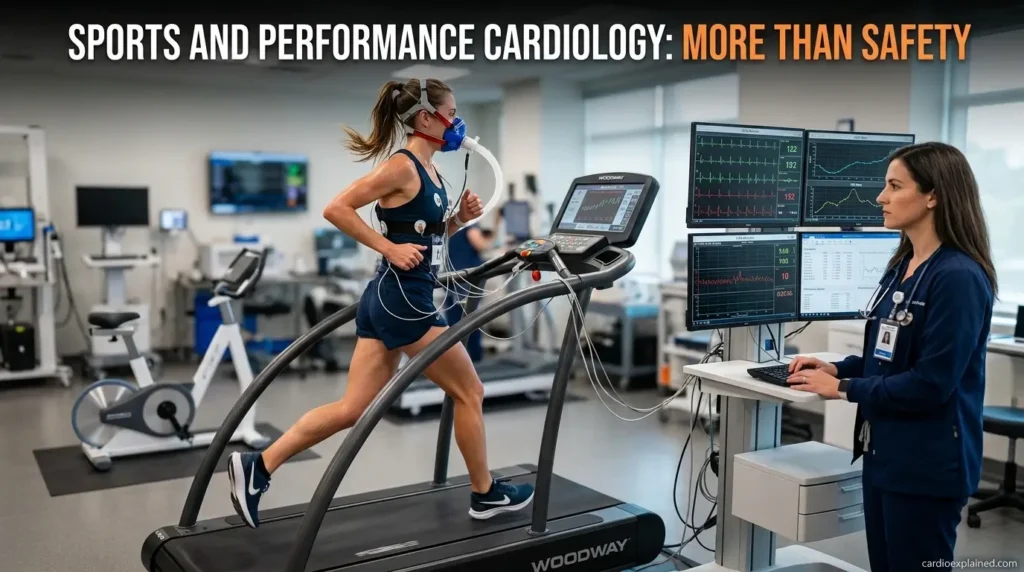
Many people hear the term sports and performance cardiology.
This area looks at both heart safety and athletic goals.
Doctors help athletes train wisely while protecting heart health.
Supporting Athletic Performance
A healthy heart can improve endurance and recovery.
Doctors may review:
- ✅ Training habits
- ✅ Recovery time
- ✅ Blood pressure
- ✅ Nutrition plans
- ✅ Exercise goals
The goal is not to push harder at any cost.
The goal is safe and healthy performance.
Real-Life Example
A college runner noticed unusual fatigue. She worried about her fitness.
Her doctor performed several tests. The results showed a mild heart issue that needed monitoring.
With guidance, she adjusted training and continued competing safely.
⏱️ When Should You See a Sports Heart Specialist?
Not every athlete needs special heart care.
Still, some signs deserve attention.
Warning Signs
Talk with a doctor if you experience:
- ⚠️ Chest discomfort during activity
- ⚠️ Fainting during exercise
- ⚠️ Severe shortness of breath
- ⚠️ Fast heartbeats that feel unusual
- ⚠️ A strong family history of sudden heart problems
Before Returning to Sports
Some people need heart evaluation after:
- Illness
- Heart surgery
- Heart inflammation
- Long periods without exercise
The doctor helps decide when activity is safe again.
Finding a Sports Cardiologist Near You
Many large hospitals now offer these services.
If you search for a sports cardiologist near me, look for centers with experience in athlete evaluations.
University hospitals and major heart centers often provide this care.
🏥 Leading Programs in the United States
Several respected centers have dedicated athlete heart programs.
MedStar Sports Cardiology
MedStar sports cardiology services support athletes across many levels.
These programs often provide testing, evaluations, and return-to-play guidance.
Patients may see specialists who work closely with trainers and sports medicine teams.
Johns Hopkins Sports Cardiology
Johns Hopkins sports cardiology programs also focus on athlete heart care.
Their teams often evaluate exercise-related symptoms and help athletes return safely to activity.
Sports Cardiology in Washington DC
People seeking sports cardiology in Washington DC have access to several respected medical centers.
The region offers programs connected to academic hospitals and sports medicine networks.
These centers often care for both competitive athletes and active adults.
🎓 Training, Fellowship, and Certification
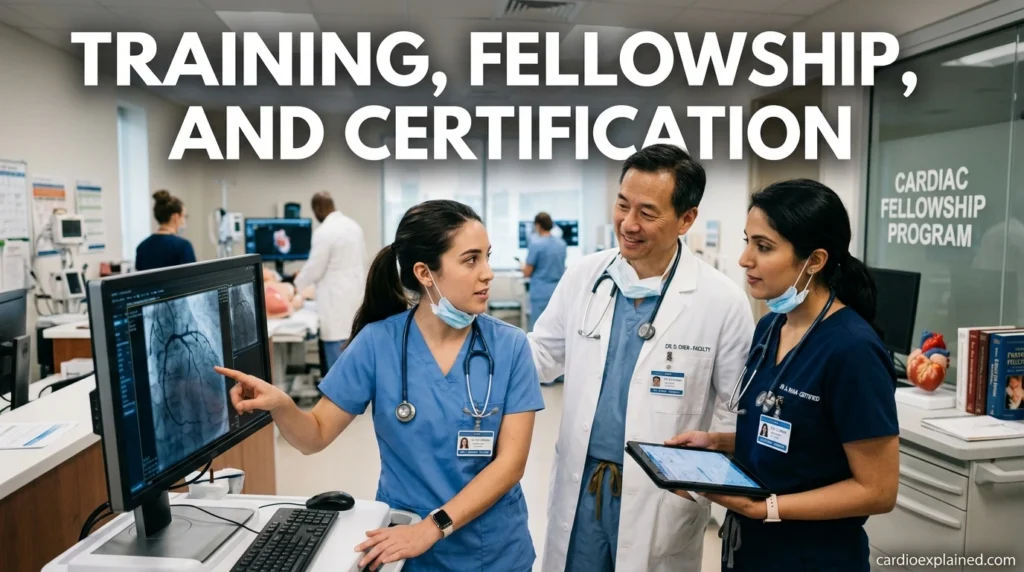
Heart doctors complete many years of education.
Some choose extra training focused on athletes.
Sports Cardiology Fellowship
A fellowship is advanced training after medical residency.
A Sports Cardiology fellowship gives doctors experience with athlete evaluations, exercise testing, and return-to-play decisions.
Fellowships often take place at major academic medical centers.
Sports Cardiology Certification
At this time, there is no single national board certification only for sports cardiology.
However, many specialists complete focused education, research, and fellowship training.
Patients can ask about:
- ✅ Fellowship experience
- ✅ Athlete care experience
- ✅ Research involvement
- ✅ Professional memberships
These details help show expertise in athlete heart health.
💰 Career Outlook and Sports Cardiologist Salary
Many students wonder about careers in this field.
Sports cardiology combines heart medicine with exercise science.
What Affects Income?
Salary may depend on:
- Location
- Experience
- Hospital system
- Academic work
- Research roles
Estimated Salary Range
| Career Level | Typical Annual Salary Range | Notes |
| Early Career | $250,000–$350,000 | Often hospital employed |
| Mid-Career | $350,000–$500,000 | More experience |
| Senior Specialist | $500,000+ | May include leadership roles |
Actual earnings vary widely.
A sports cardiologist salary may differ based on region and employer.
📋 What Happens During a Visit?
Many people expect a stressful appointment.
Most visits are simple and friendly.
First Steps
The doctor usually asks about:
- Exercise habits
- Symptoms
- Family history
- Medical history
Physical Examination
The doctor checks:
- Blood pressure
- Heart sounds
- Pulse
- General health
Additional Testing
Not everyone needs testing.
The doctor chooses tests based on your needs and symptoms.
A Common Patient Experience
A high school basketball player felt dizzy during practice.
His family worried about a serious problem.
After evaluation and testing, doctors found a treatable cause. He later returned to sports under medical guidance.
Stories like this show why early evaluation can help.
❓ Frequently Asked Questions
Q: Does sports cardiology only help professional athletes?
A: No. This specialty helps athletes of all levels. Active adults, students, and recreational athletes may benefit from care.
Q: Is a referral needed to see a sports cardiologist near me?
A: It depends on your insurance plan and clinic. Some centers accept direct appointments, while others may request a referral.
Q: What is sports cardiology certification?
A: Sports cardiology certification usually refers to advanced education and specialized training. Doctors often gain expertise through fellowships and athlete-focused experience.
Q: Are MedStar sports cardiology programs only for elite athletes?
A: No. Many programs care for both competitive athletes and active community members. Services often include testing, screening, and exercise guidance.
Q: What happens during a sports cardiology appointment?
A: The doctor reviews your health history and exercise habits. Testing may follow if symptoms or risk factors need further review.
Q: Can sports cardiology help after a heart condition?
A: Yes. In many cases, specialists help patients return to activity safely. The plan depends on each person’s health needs.
Conclusion
Sports cardiology helps athletes and active people understand their heart health. It supports safe exercise, proper evaluation, and informed training decisions. Doctors use proven tests to check for concerns and guide next steps.
Many people feel relieved after learning more about their heart. Early evaluation can answer questions and reduce worry. Whether you compete at a high level or enjoy daily walks, heart health matters.
Talk to a cardiologist if you have any heart concerns. The right guidance can help you stay active and confident.