
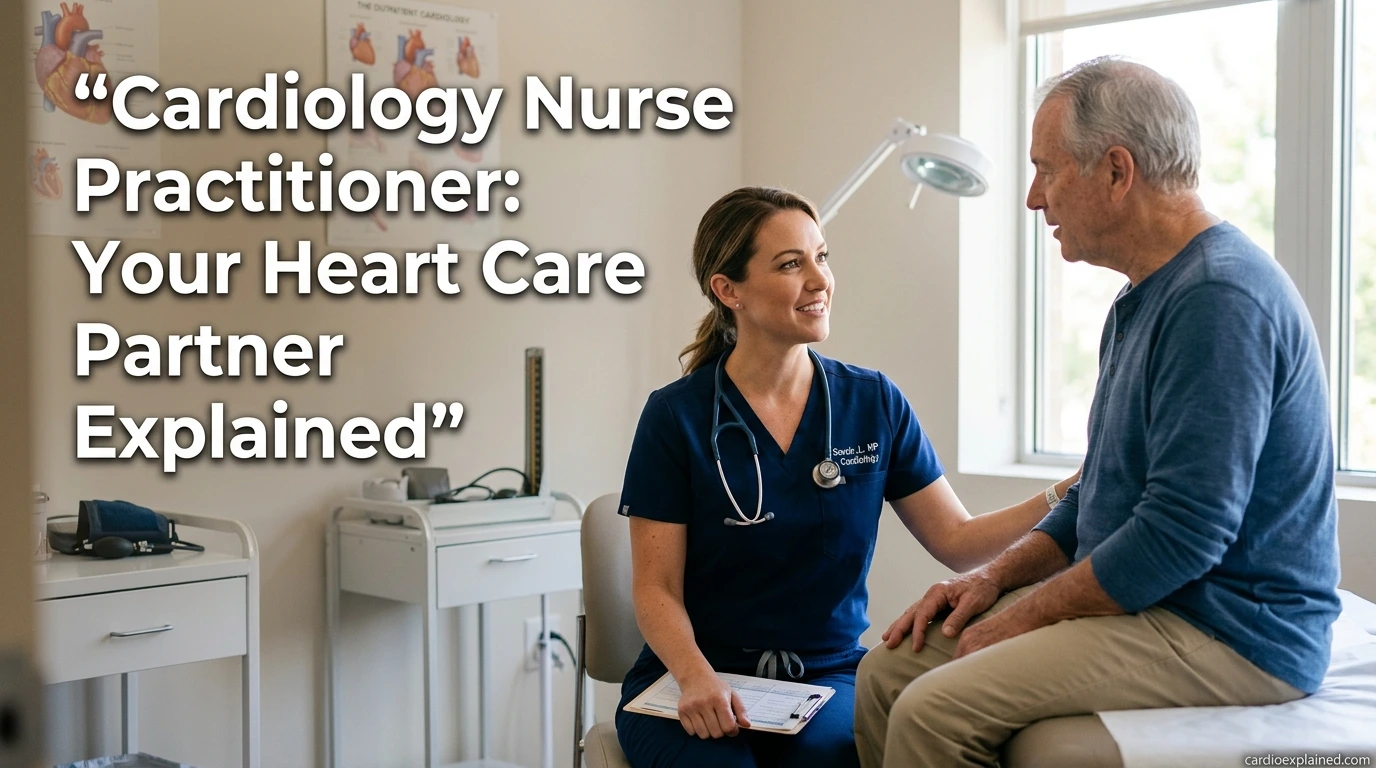

A cardiology nurse practitioner is an advanced practice nurse who helps care for people with heart and blood vessel problems. They examine patients, order tests, explain results, and build treatment plans with heart doctors. They also teach healthy habits that may help protect your heart over time.
Heart problems can feel scary. You may worry about chest pain, high blood pressure, or a new heart test. You may also wonder who will guide you through each step. A cardiology nurse practitioner often fills that role. They spend time listening, answering questions, and helping people understand their care. Many patients enjoy their clear and caring approach. Students also want to learn about this growing career. Families often ask what these providers do each day. Learning about their work can help you feel more prepared before your next heart visit.
❤️ What Does a Cardiology Nurse Practitioner Do?
A cardiology nurse practitioner works with people who have heart and blood vessel concerns. They often work beside cardiologists. A cardiologist is a doctor who treats heart disease.
Their daily work may include:
- 🩺 Check your health history.
- 🩺 Listen to your heart and lungs.
- 🩺 Order heart tests when needed.
- 🩺 Explain test results in simple words.
- 🩺 Prescribe medicines in many states.
- 🩺 Help build a care plan.
- 🩺 Teach healthy heart habits.
- 🩺 Follow your progress over time.
Many patients feel nervous before a first visit. One patient worried after a high blood pressure reading. The nurse practitioner explained each step calmly. The patient left feeling more confident about the treatment plan.
These providers care for many conditions. They may help people with:
- High blood pressure
- High cholesterol
- Heart failure
- Irregular heartbeat
- Chest pain
- Heart valve problems
- Recovery after a heart attack
They often order common tests, such as:
| Test | Purpose |
| Electrocardiogram (ECG) | Checks your heart’s electrical signals |
| Echocardiogram | Uses sound waves to show heart movement |
| Stress test | Shows how your heart works during activity |
| Blood tests | Look for signs of heart problems |
Many care plans follow guidance from the American Heart Association (AHA) and the American College of Cardiology (ACC).
📋 Education, School, and Certification
Becoming this type of provider takes several steps.
Cardiology Nurse Practitioner School
A student first becomes a registered nurse. Then they earn an advanced nursing degree. Many choose a Master of Science in Nursing or a Doctor of Nursing Practice.
Students learn about:
- ❤️ Heart diseases
- ❤️ Medicines
- ❤️ Patient care
- ❤️ Health exams
- ❤️ Medical ethics
Many schools also offer hands-on training in heart clinics.
Certification
There is no single national certification only for heart care. Most providers first earn national nurse practitioner certification in family, adult, or acute care.
Many later gain heart care experience through:
- Hospital training
- Heart clinics
- Continuing education
- Specialty courses
Employers often value both experience and ongoing learning.
Cardiology Nurse Practitioner Programs Near Me
Many universities across the United States offer nurse practitioner programs. Some schools also provide heart-focused clinical training. Local hospitals may partner with these schools. Check state nursing boards and accredited universities when comparing programs.
🩺 Where They Work and What Jobs Look Like
Heart care happens in many places.
Common work settings include:
- ❤️ Hospitals
- ❤️ Heart clinics
- ❤️ Medical offices
- ❤️ Emergency departments
- ❤️ Cardiac rehabilitation centers
- ❤️ Telehealth services
Cardiology Nurse Practitioner Jobs
Job demand continues to grow as more people need heart care. Older adults often need regular heart visits. Preventive care also helps increase demand.
Daily work may include:
- Seeing scheduled patients
- Reviewing test results
- Adjusting medicines
- Speaking with families
- Working with doctors and nurses
Many providers enjoy long-term patient relationships. They often watch patients improve over many years.
⏱️ Salary and Career Growth
Many students ask about pay before choosing this career.
Actual income depends on:
- Experience
- State
- Employer
- Extra training
- Work setting
| Work Setting | Typical Pay Trend |
| Hospital | Often higher |
| Private clinic | Moderate to high |
| Academic center | Moderate |
| Rural clinic | Varies by location |
National nurse practitioner salaries often reach six figures in many areas. Heart specialists may earn more because of their added experience. Pay changes over time, so current job listings give the best estimate.
Career growth also looks strong. The United States continues to need more advanced practice nurses.
✅ What Patients Can Expect During a Visit
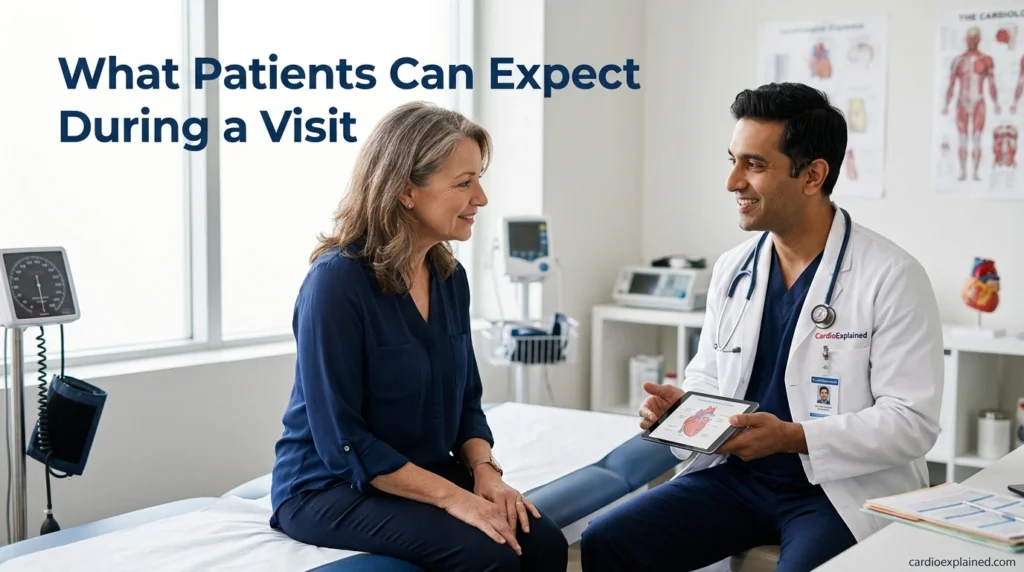
A first visit often feels easier than many people expect.
A visit may include:
- Review your health history.
- Check your blood pressure.
- Listen to your heart.
- Discuss your symptoms.
- Review medicines.
- Plan future care.
One caregiver brought an older parent after new swelling started. The nurse practitioner listened carefully. They ordered simple tests and explained every result. The family felt less worried because they understood the next steps.
Good heart care also includes healthy habits.
Your provider may suggest:
- ❤️ Eating more fruits and vegetables
- ❤️ Walking most days
- ❤️ Taking medicines as directed
- ❤️ Getting enough sleep
- ❤️ Avoiding tobacco
- ❤️ Managing stress
Small changes often help over time.
Finding Care Near Home
Many people search for a provider close to home. Ask your primary care doctor for a referral. Your health insurance company may also list local providers. Hospital websites often include provider directories.
Professional Associations
Many heart specialists stay current through professional groups. Nursing organizations and heart associations offer education, research updates, and conferences. These groups help providers learn new evidence and improve patient care.
Online Discussions
Some students visit online forums to read personal experiences. Discussion boards can share helpful stories about school or work. Still, personal opinions should never replace advice from licensed health professionals or accredited schools.
❓ Frequently Asked Questions
Q: Can a cardiology nurse practitioner prescribe medicine?
A: Yes, in many states they can. State laws differ, and some work closely with a supervising physician.
Q: What is the average cardiac nurse practitioner salary?
A: Salaries vary by state, experience, and workplace. Many experienced nurse practitioners earn strong incomes, especially in hospital settings.
Q: How long does cardiology nurse practitioner school take?
A: It often takes several years after becoming a registered nurse. The exact time depends on the degree and training path.
Q: How do I find a cardiology nurse practitioner near me?
A: Ask your primary care doctor or health insurance plan. Local hospitals also list heart specialists on their websites.
Q: Is there a cardiology nurse practitioner association?
A: There is no single national group only for this specialty. Many providers belong to nursing and heart care organizations for education and support.
Q: Should I trust advice about cardiology nurse practitioner careers on Reddit?
A: Online discussions may offer personal experiences. Always compare those opinions with accredited schools, employers, and professional organizations.
Final Thoughts
A cardiology nurse practitioner plays an important part in modern heart care. They examine patients, explain tests, and help build treatment plans with cardiologists. They also teach healthy habits that may support better heart health. Patients often value their time, kindness, and clear answers. Students can also find a rewarding career through this path. If you have heart concerns, talk with a cardiologist or another licensed heart care provider. Early guidance may help you understand your options and plan your next steps.