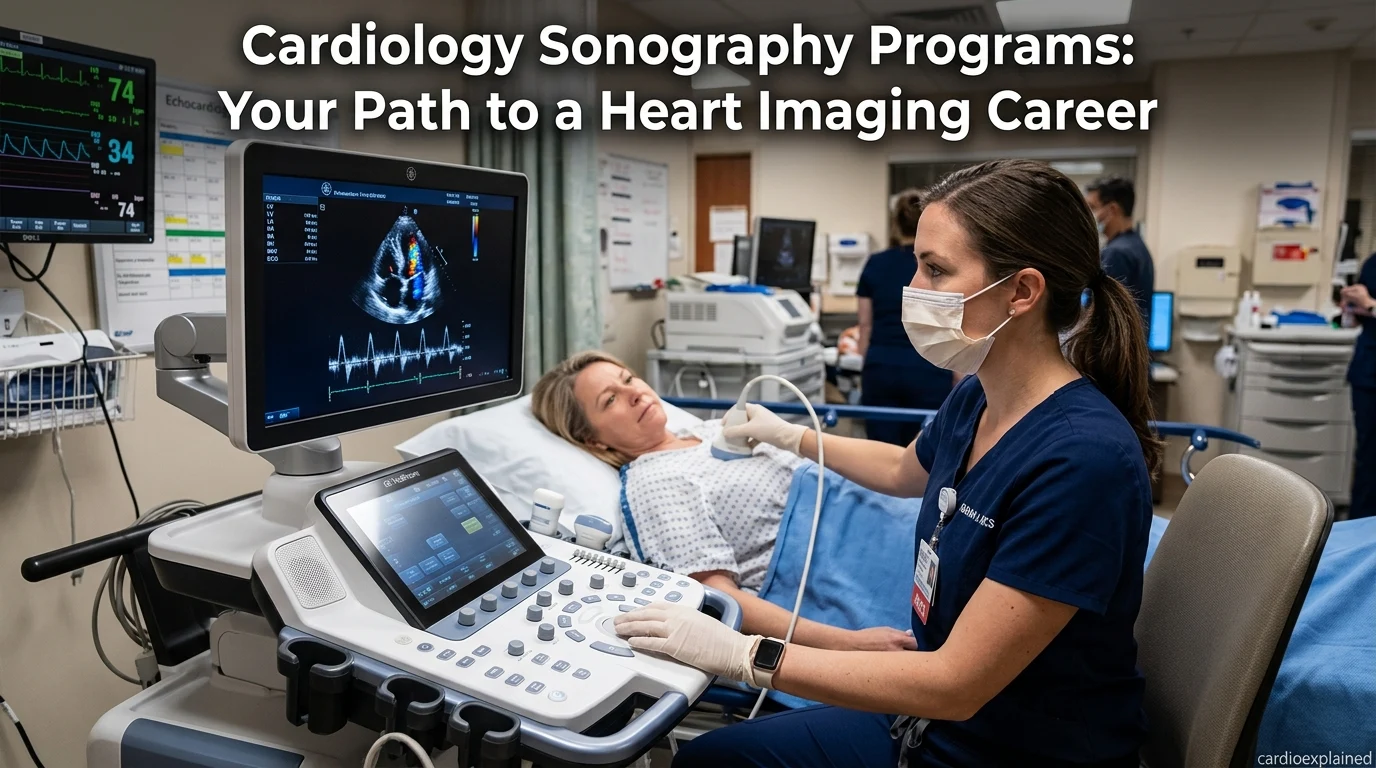
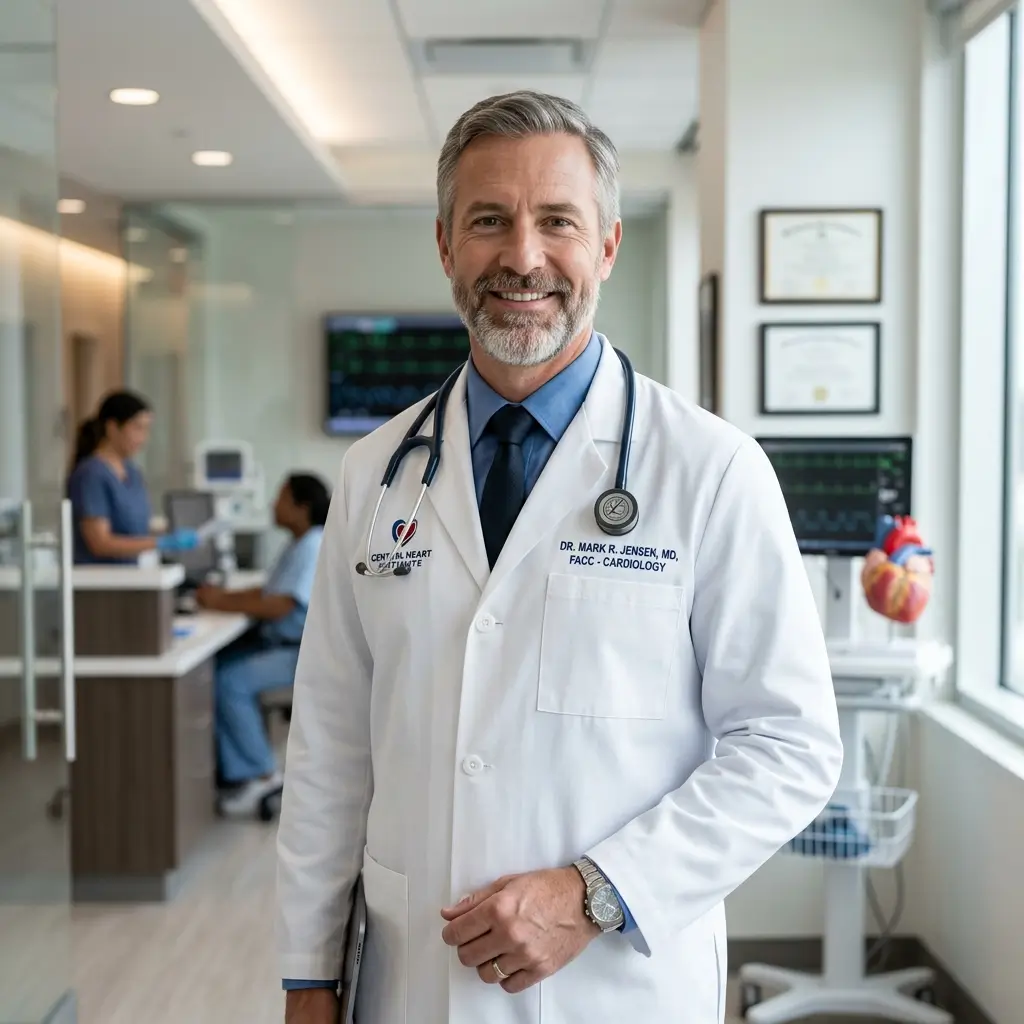
Cardiology sonography programs teach students how to create heart images using sound waves. These programs prepare graduates to help doctors find heart problems and track heart health. Many programs include classroom learning, hands-on training, and preparation for certification exams.
Have you ever wondered who creates the heart images doctors use? Those images often come from a cardiac sonographer. This healthcare worker uses special equipment to look at the heart.
Many people explore cardiology sonography programs because they want a healthcare career without medical school. These programs can lead to rewarding work that helps patients every day.
Students learn how the heart works. They also learn how to perform heart scans safely. Some programs take two years. Others may take longer. The right choice depends on your goals, schedule, and education level.
This field continues to grow as more people need heart care. A trained sonographer plays an important role in that care.
❤️ What Are Cardiology Sonography Programs?
Cardiology sonography programs train students to perform heart ultrasound exams. An ultrasound uses sound waves to create pictures inside the body.
When the exam focuses on the heart, it is often called an echocardiogram. This test shows how the heart moves and pumps blood.
Students usually learn:
- 📋 Heart anatomy, or heart structure
- 📋 Basic patient care
- 📋 Medical ethics and safety
- 📋 Ultrasound equipment use
- 📋 Image recording and review
- 📋 Clinical skills in healthcare settings
Many programs include supervised clinical training. Students work with real patients under guidance.
After graduation, many students seek professional certification. Employers often prefer certified candidates.
What Does a Cardiac Sonographer Do?
A cardiac sonographer performs heart imaging exams.
Daily tasks may include:
- ✅ Preparing patients for testing
- ✅ Taking heart ultrasound images
- ✅ Recording measurements
- ✅ Working with cardiologists
- ✅ Keeping patient records
The sonographer does not diagnose disease. The doctor reviews the images and makes medical decisions.
🩺 How Training Works
Most programs combine classroom learning with clinical experience.
Classroom Learning
Students study topics such as:
- Heart function
- Blood flow
- Ultrasound physics
- Patient communication
- Healthcare laws
Teachers often use models, videos, and practice equipment.
Clinical Training
Clinical training gives students real experience.
Students may:
- Observe experienced sonographers
- Practice scanning techniques
- Work with different patient groups
- Learn professional workplace skills
Many patients feel nervous before their first heart scan. Students learn how to explain the process and help patients feel comfortable.
Program Length
Program length varies.
| Program Type | Typical Length | Who It Fits |
| Certificate | 12–18 months | Healthcare workers seeking new skills |
| Associate Degree | About 2 years | New students entering the field |
| Bachelor’s Degree | About 4 years | Students seeking broader education |
📚 Accredited Cardiac Sonography Programs Matter
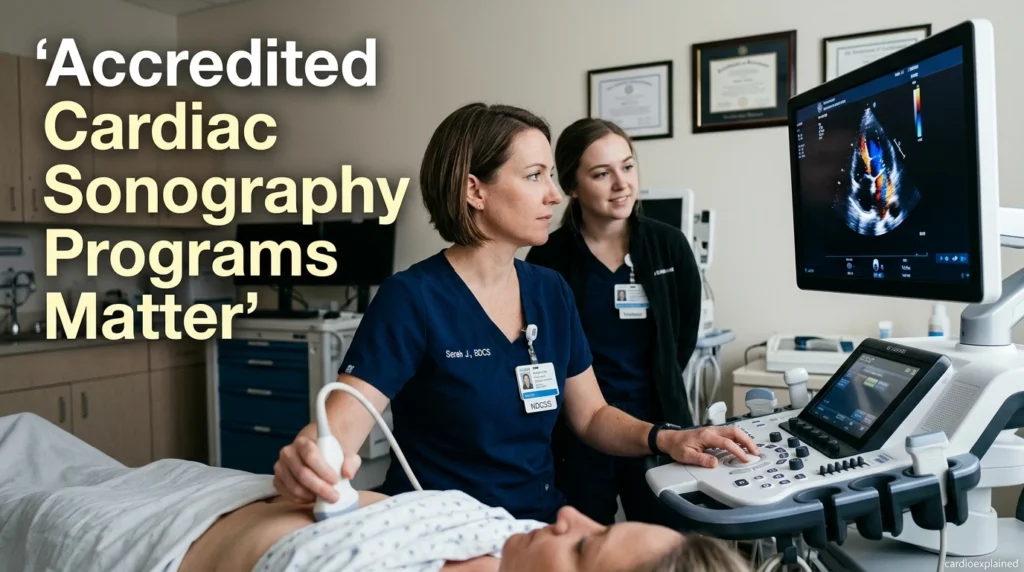
When choosing a school, accreditation is important.
Accreditation means an outside organization reviews the program. The review helps confirm quality standards.
Many employers prefer graduates from Accredited Cardiac Sonography Programs. Accreditation may also support certification eligibility.
Before applying, check:
- ✅ Accreditation status
- ✅ Clinical training opportunities
- ✅ Certification exam preparation
- ✅ Graduation rates
- ✅ Job placement support
A strong program helps students build confidence and practical skills.
Certification After Graduation
Many graduates pursue certification through recognized credentialing organizations.
Certification may help with:
- Better job opportunities
- Professional growth
- Employer confidence
Requirements vary by organization and state.
⏱️ Cardiology Sonography Programs Online
Many students need flexible learning options.
Some schools offer online courses for subjects like anatomy and medical terminology. Medical terminology means healthcare words used by professionals.
However, heart imaging requires hands-on practice.
For that reason, fully online training is rare. Most online options still require:
- Clinical rotations
- Lab sessions
- In-person scanning practice
Students should review program requirements carefully before enrolling.
Benefits of Online Learning
Online learning may offer:
- Flexible schedules
- Less travel time
- Access from different locations
- Easier balance with work or family life
Hands-on experience remains a key part of training.
❤️ Choosing the Right Program for Your Goals
Every student has different needs.
Think about these factors before choosing a school.
Location
Some students prefer nearby schools.
Others may relocate for a strong program.
People often search for cardiology sonography programs near me when starting their research. Local hospitals and colleges may offer useful options.
Cost
Tuition varies by school.
Ask about:
- Financial aid
- Scholarships
- Payment plans
Understanding total costs helps avoid surprises later.
Clinical Partnerships
Good programs often partner with hospitals and clinics.
These partnerships give students valuable patient experience.
Job Support
Career services may help with:
- Resume preparation
- Interview practice
- Job searches
Strong support can make the transition into work easier.
🌎 Programs in Different Locations

Students across the United States can find quality training options.
Cardiology Sonography Programs in California
California offers many healthcare training opportunities.
Large cities often have:
- Community colleges
- Universities
- Hospital-based programs
Because California has a large healthcare workforce, students may find many clinical training sites.
Research each school carefully. Compare accreditation, costs, and clinical experiences.
Johns Hopkins Cardiac Sonography Program
Many students recognize the name Johns Hopkins.
The Johns Hopkins Cardiac Sonography program is often discussed because of the institution’s strong healthcare reputation.
Program details may change over time. Always review the school’s current admissions information before applying.
UCSF Cardiac Sonography Program
Some students also search for the UCSF Cardiac Sonography program.
Healthcare education programs connected to major medical centers often attract interest because of their clinical environments.
Students should review current program information directly from the institution and compare it with other options.
International Searches
Some people search for cardiology sonography programs near Frankfurt am Main or Offenbach.
Those cities are in Germany. Training systems there may differ from U.S. programs.
If you plan to work in the United States, focus on programs that meet U.S. educational and certification expectations.
🩺 What Students Learn About Heart Testing
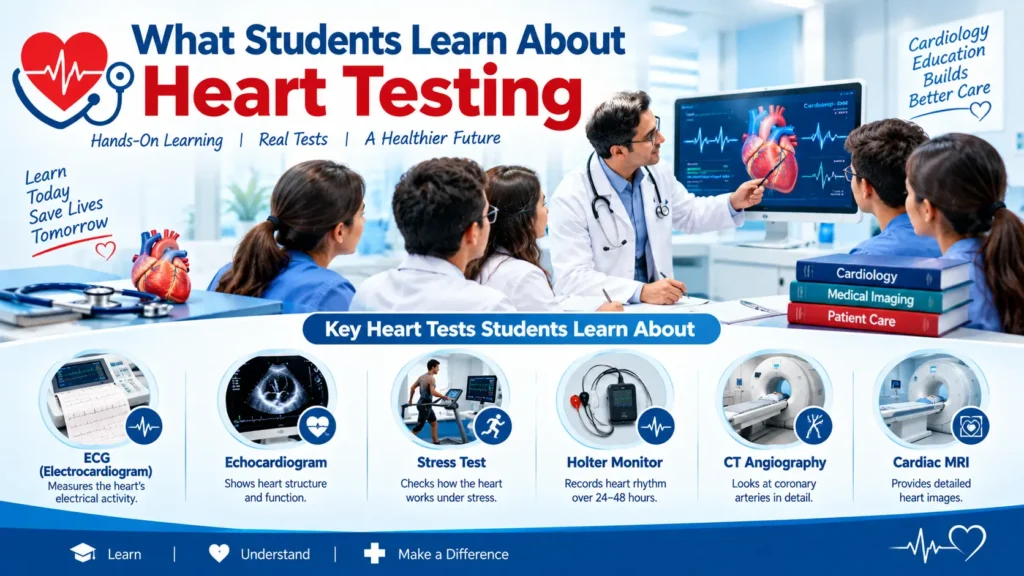
Cardiac sonographers support several types of heart exams.
The table below shows common tests.
| Test | Purpose | What It Shows |
| Echocardiogram | Heart imaging | Heart size and movement |
| Stress Echo | Heart during activity | Heart response to exercise |
| Doppler Study | Blood flow review | Flow direction and speed |
| Pediatric Echo | Children’s heart imaging | Heart structure in children |
These tests help doctors gather information about heart health.
The American Heart Association (AHA) and the American College of Cardiology (ACC) support evidence-based heart care. Evidence-based means care guided by research and clinical experience.
📋 Career Outlook and Salary Factors
Many students choose this field because healthcare careers remain in demand.
Salary varies based on:
- Experience
- Education
- Certification
- Location
- Employer type
Common Work Settings
Graduates may work in:
- Hospitals
- Heart clinics
- Imaging centers
- Medical offices
Some sonographers focus on adult patients.
Others work with children or specialized heart conditions.
A Real-World Example
A patient may arrive with shortness of breath.
The doctor orders an echocardiogram.
The sonographer performs the scan and captures images. The cardiologist then reviews the results.
In another case, a patient may need routine monitoring after heart surgery. Regular imaging helps the care team track recovery.
These examples show how sonographers support patient care every day.
❓ FAQ
Q: Are there cardiology sonography programs near Frankfurt am Main?
A: Yes. Germany has healthcare imaging education options. Program structures may differ from U.S. training models. Check local schools and healthcare institutions for current offerings.
Q: Can I find cardiology sonography programs near Offenbach?
A: Yes. Schools in and around the Frankfurt region may offer related imaging training. Requirements and credentials vary by country and institution.
Q: Are cardiology sonography programs online fully available?
A: Usually no. Most programs offer some online coursework. Students still need hands-on clinical training and scanning practice.
Q: How do I find cardiology sonography programs near me?
A: Start with accredited colleges, universities, and hospital-based programs. Compare accreditation, clinical opportunities, and certification preparation.
Q: What are Accredited Cardiac Sonography Programs?
A: These programs meet established educational standards. Accreditation may improve job prospects and support certification pathways.
Q: Is the Johns Hopkins Cardiac Sonography program a good choice?
A: It may be a strong option for some students. Review current admission requirements, costs, and clinical opportunities before deciding.
Conclusion
Choosing cardiology sonography programs can open the door to a meaningful healthcare career. Students learn how to create heart images, work with patients, and support cardiologists. Accreditation, clinical training, and certification preparation are important factors when comparing schools.
Many programs offer different schedules and learning formats. Take time to compare your options and career goals. A thoughtful choice can help you build a strong future in cardiac imaging.