
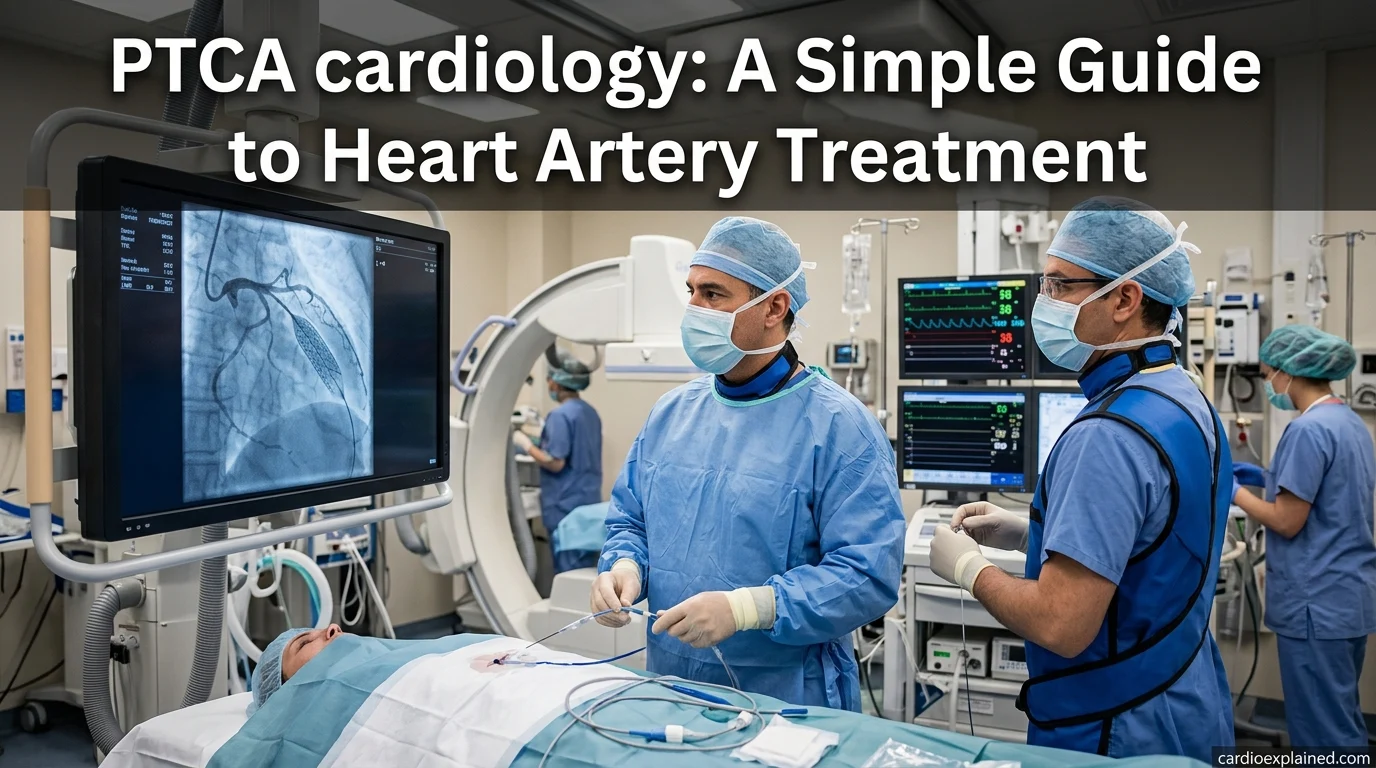

PTCA cardiology is a heart treatment that opens narrow or blocked arteries. It uses a small balloon to improve blood flow to the heart. Doctors use it to help many people with coronary artery disease.
Have you ever wondered what happens when heart arteries become narrow? Many people feel worried after hearing they need a heart procedure. PTCA cardiology is one option doctors may use to help restore blood flow.
This treatment focuses on the coronary arteries. These are the blood vessels that feed oxygen to the heart muscle. When these vessels become blocked, the heart may not get enough oxygen.
You will learn what this procedure does, why doctors recommend it, and what to expect. You will also learn about risks, recovery, and heart health habits.
Many patients feel nervous before their first heart visit. Knowing the basic steps can make the process feel easier. Your care team can answer questions about your own situation.
What is PTCA cardiology?
❤️ PTCA means percutaneous transluminal coronary angioplasty. It is a procedure that helps open a narrowed heart artery. The doctor uses a thin tube and a small balloon to widen the artery.
The term “percutaneous” means the doctor enters through the skin. “Transluminal” means moving through the inside space of a blood vessel. “Coronary” refers to the heart arteries.
During the procedure, the doctor guides a thin tube through a blood vessel. The doctor moves it toward the heart artery. A small balloon then expands inside the narrowed area.
This pushes plaque against the artery wall. Plaque is a buildup of fat and other materials. Opening the artery can improve blood flow.
Some patients also receive a stent. A stent is a small mesh tube that helps keep the artery open. Doctors choose treatment based on each person’s heart condition.
For example, a 62-year-old patient may feel chest pressure during activity. Tests may show a narrowed artery. The heart team may suggest this procedure to improve blood supply.
Doctors follow safety steps during treatment. The American Heart Association (AHA) and American College of Cardiology (ACC) provide guidance for heart care.
Why do people need this heart procedure?
❤️ Heart arteries can narrow for several reasons. The most common cause is coronary artery disease. This happens when plaque builds inside artery walls.
Plaque can reduce the space where blood flows. Over time, less oxygen may reach the heart muscle. Some people develop symptoms slowly. Others notice sudden problems.
Common risk factors include:
- High blood pressure
- High cholesterol levels
- Smoking
- Diabetes
- Lack of physical activity
- Family history of heart disease
- Older age
A heart attack may happen when a blood clot blocks blood flow. In some cases, doctors use PTCA cardiology during emergency care. The goal may be to reopen the artery quickly.
Doctors also consider a person’s symptoms and test results. Not every person with artery narrowing needs this procedure. Some people may improve with medicine and lifestyle changes.
A patient named Maria had shortness of breath during walks. Her doctor found signs of reduced heart blood flow. After more testing, her care team discussed possible treatment choices.
Doctors explain benefits and risks before any procedure. They also consider other health problems. This helps create a safer care plan.
Signs that may mean you need heart care
❤️ Heart symptoms can appear in different ways. Some people feel clear chest pain. Others notice mild changes.
Possible warning signs include:
- Chest pressure or discomfort
- Shortness of breath
- Tiredness during normal activities
- Pain that spreads to the arm, neck, or jaw
- Dizziness or weakness
Chest discomfort does not always mean a heart problem. Many conditions can cause similar symptoms. A doctor can help find the cause.
Some people ignore symptoms because they seem small. This can delay needed care. Early medical advice may help prevent serious problems.
A 55-year-old man may notice chest tightness while climbing stairs. He may think it comes from stress or aging. A medical check can help identify possible heart concerns.
Women may also have different symptoms. They may notice unusual tiredness, nausea, or breathing changes. Doctors look at the full picture before making decisions.
Never ignore sudden or severe heart symptoms. Quick medical care matters when warning signs appear.
How doctors check for heart artery problems
🩺 Doctors use several tests to understand heart health. These tests help show how well blood reaches the heart.
Common tests include:
| Test | Purpose |
| Electrocardiogram (ECG) | Records the heart’s electrical activity |
| Echocardiogram | Creates pictures of the heart |
| Stress test | Shows heart function during activity |
| Coronary angiography | Shows blocked heart arteries |
A coronary angiogram uses contrast dye and X-ray images. It helps doctors see areas with possible narrowing.
Doctors may also review blood tests. These tests can show cholesterol levels and other health signs. The care team combines results before suggesting treatment.
Many patients feel anxious before tests. A nurse can explain each step. Clear information often helps reduce fear.
For example, James needed heart testing after repeated chest discomfort. His doctor explained each test and discussed the results with him. This helped him feel more prepared.
Doctors follow recognized medical guidance from groups like the AHA and ACC. They use evidence, symptoms, and test results together.
Treatment choices and recovery after PTCA
❤️ Treatment depends on the location and severity of artery narrowing. Doctors may suggest medicine, lifestyle changes, procedures, or a mix.
Doctors use PTCA cardiology when opening a narrowed artery may improve blood flow. The procedure usually happens in a hospital setting.
Before treatment, doctors explain preparation steps. These may include:
- Reviewing medicines
- Checking health history
- Doing blood tests
- Discussing possible risks
During the procedure, the patient receives medicine to help with comfort. The doctor guides the tube into the artery. The balloon expands for a short time.
After treatment, many people return home within a short period. Recovery time varies by health condition and procedure details.
Doctors often recommend:
- Taking medicines as prescribed
- Keeping follow-up visits
- Slowly returning to activity
- Watching for new symptoms
A stent may require special medicines. These help lower the chance of blood clots. Patients should follow their doctor’s instructions.
A patient named Robert worried about recovery after his procedure. His care team gave him a simple activity plan. He slowly returned to normal routines.
Recovery looks different for every person. Your doctor can explain what fits your needs.
How to protect your heart after treatment

❤️ Healthy habits can support heart health. They may lower future heart risks.
Helpful steps include:
- Eating more fruits and vegetables
- Choosing healthy fats
- Staying active with doctor approval
- Managing stress
- Avoiding tobacco
- Keeping regular appointments
Small changes can make a difference. You do not need to change everything at once.
Heart health also includes managing conditions like diabetes and high blood pressure. Your doctor can help set safe goals.
Many people benefit from cardiac rehabilitation. This program helps patients recover after certain heart procedures. It may include exercise, education, and support.
PTCA cardiology can help improve blood flow, but long-term habits still matter. Heart care continues after the hospital visit.
Families can also support healthy choices. Cooking balanced meals and walking together may help. Support can make lifestyle changes easier.
When should you call a doctor?
⚠️ Contact a healthcare professional if you notice new heart symptoms. Do not wait if symptoms feel serious.
Seek urgent help for:
- Severe chest discomfort
- Trouble breathing
- Fainting
- Sudden weakness
- New symptoms after heart treatment
After a heart procedure, follow your care instructions. Call your doctor if you have concerns during recovery.
Some people worry about bothering their doctor. Heart teams expect questions. Early communication can help address problems sooner.
If you have risk factors for heart disease, regular visits matter. Your doctor can check changes over time.
Frequently Asked Questions
Q: Is PTCA cardiology the same as angioplasty?
A: Yes, PTCA is a type of coronary angioplasty. It uses a balloon to open a narrowed heart artery. Doctors may also place a stent during the procedure.
Q: How long does the PTCA procedure take?
A: The procedure often takes about one to two hours. The exact time depends on the heart condition and treatment needed.
Q: Is angioplasty safer than heart surgery?
A: In many cases, angioplasty is less invasive than open heart surgery. Doctors choose the best option based on each patient’s needs.
Q: Can a person return to normal life after angioplasty?
A: Many people return to normal activities after recovery. Follow-up care and healthy habits remain important.
Q: What happens after PTCA cardiology treatment?
A: Patients usually follow medicine plans and attend checkups. Doctors monitor heart health and recovery progress.
Q: Can blocked arteries happen again after treatment?
A: Yes, artery problems can return in some people. Healthy habits and medical care may help lower future risks.
Conclusion
PTCA cardiology is a procedure that can help improve blood flow through narrowed heart arteries. It uses a small balloon to open blocked areas.
Doctors use tests, health history, and guidelines to choose the right care. Healthy habits and follow-up visits remain important after treatment.
Many people feel more confident when they understand their options. Talk to a cardiologist if you have any heart concerns.
Medically reviewed for accuracy. Always consult a licensed cardiologist for personal advice.