
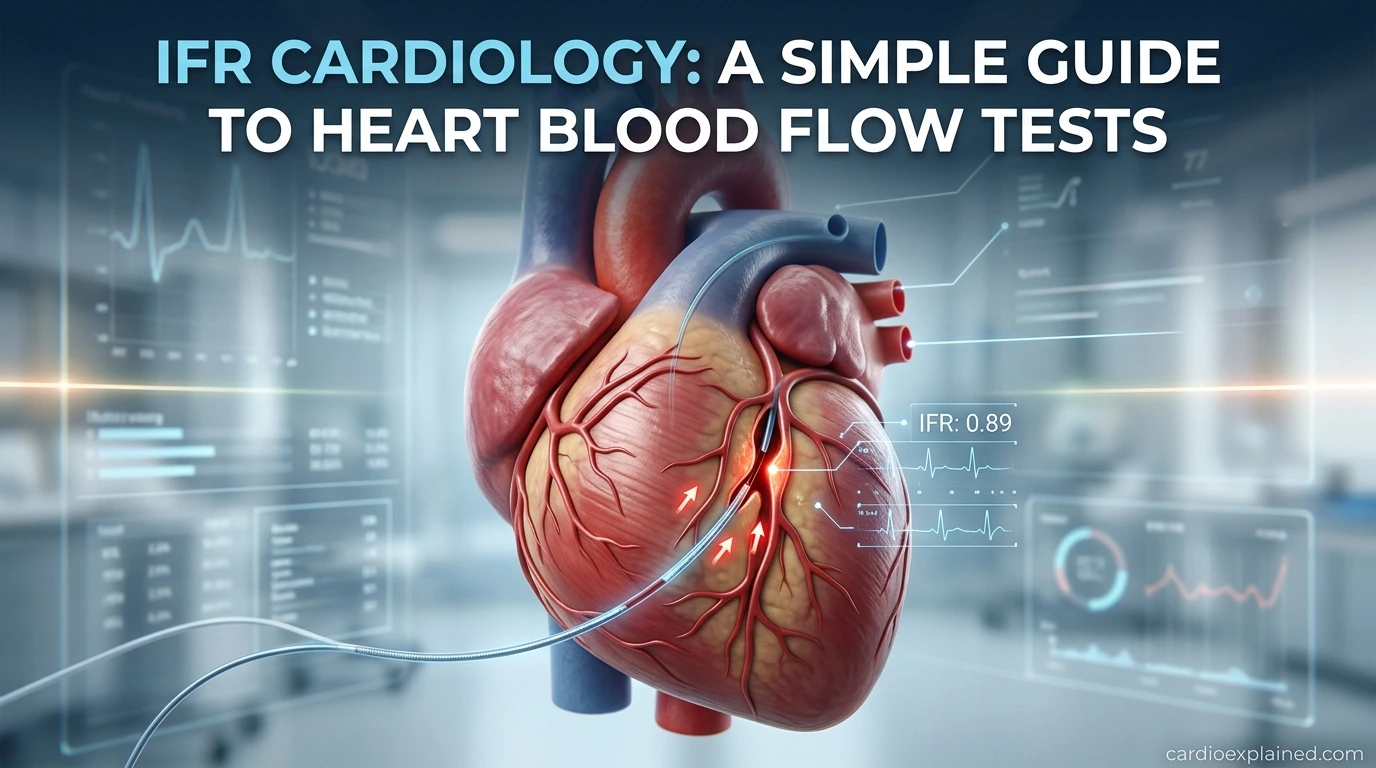

IFR cardiology is a heart test that measures blood flow through a narrowed heart artery. It helps doctors decide if a blockage needs treatment. Doctors use it during a heart catheter procedure to guide safe, informed care.
Many people hear about a heart blockage and feel scared. They wonder what comes next. They also want to avoid tests they do not need. That is where ifr cardiology may help. This method gives doctors more facts about blood flow inside your heart. It can help show if a narrowed artery truly limits blood flow. That information supports better treatment choices. Some people need a stent. Others may do well with medicine and healthy habits alone. Knowing the difference matters. Understanding this test also helps you ask better questions during your visit. You do not need a medical background to learn the basics. With simple facts, you can feel more prepared and more confident about your heart care.
❤️ What Is IFR Cardiology?
ifr cardiology refers to the use of the Instantaneous Wave-Free Ratio, also called iFR. This test measures blood flow inside a heart artery. It helps doctors learn if a narrowed artery limits blood supply.
Your heart needs steady blood flow every second. Fatty buildup can narrow an artery over time. This buildup is called plaque. A narrow artery may slow blood flow. Still, not every narrow artery causes a problem.
Doctors often perform iFR during cardiac catheterization. This procedure places a thin tube into a blood vessel. The tube travels to the heart. A tiny wire with a sensor then measures pressure inside the artery.
The test checks pressure during a calm part of the heartbeat. Blood flow stays naturally steady during that time. Because of this, the measurement gives useful information.
One helpful point stands out. Most patients do not need medicine to stress the heart during iFR. That can make the experience more comfortable.
Many patients feel nervous before their first catheter procedure. After learning what will happen, they often feel calmer. Knowing each step removes some fear.
The American Heart Association and the American College of Cardiology support using pressure-based tests when doctors evaluate certain heart artery blockages. These methods help match treatment to each person’s needs.
🩺 How Does It Work?
What Happens During the Test?
The doctor first numbs the skin. Then the doctor places a thin tube into an artery. This often happens through the wrist or groin.
Next, the doctor guides a special wire into the heart artery. The wire measures pressure before and after the narrowed area.
A computer compares those pressure readings. The result helps show if blood moves well through the artery.
Most people stay awake during the test. Medicine helps them relax. The test itself usually adds only a few minutes.
Why Doctors Choose This Method
Doctors want clear answers before placing a stent. A picture alone may not tell the full story.
A narrowing may look severe. Yet blood may still flow well. Another narrowing may appear smaller but reduce blood flow.
Pressure testing helps answer that question. It supports careful treatment choices instead of guessing.
📋 Symptoms That May Lead to Testing
Doctors do not order this test for everyone. They first look at your symptoms and other test results.
Common warning signs include:
- ❤️ Chest pain during activity
- ❤️ Pressure in the chest
- ❤️ Shortness of breath
- ❤️ Pain spreading to the arm, neck, or jaw
- ❤️ Unusual tiredness during exercise
Some people have no symptoms. Their doctor may find a possible blockage during another heart test.
For example, Mary, age 67, noticed chest tightness while walking her dog. Her stress test suggested a possible blockage. During catheterization, pressure testing showed good blood flow. Her doctor treated her with medicine instead of placing a stent.
Symptoms alone cannot confirm blocked arteries. Many other health problems can cause similar signs. Your doctor looks at the whole picture before making decisions.
Call emergency services right away for severe chest pain, fainting, or trouble breathing. Those signs need fast medical care.
⏱️ How Doctors Check Heart Arteries
Doctors often combine several tests before choosing treatment.
| Test | Purpose | What It Shows |
| Electrocardiogram (ECG) | Records heart signals | Heart rhythm changes |
| Stress test | Checks the heart during activity | Blood flow problems |
| Coronary angiogram | Uses dye and X-rays | Shows narrowed arteries |
| iFR test | Measures pressure | Shows if narrowing limits blood flow |
An angiogram shows the shape of the artery. Pressure testing shows how well blood moves through it.
Doctors often use both together. This gives a more complete picture.
Sometimes another test called FFR appears as an option. FFR stands for Fractional Flow Reserve. Like iFR, it measures pressure inside the artery. FFR usually requires medicine that increases blood flow. iFR often avoids that medicine.
Many patients prefer fewer medicines during testing. Still, both tests have strong medical support. Your doctor chooses the best option for your situation.
✅ Treatment Options After IFR Cardiology
After ifr cardiology, your doctor reviews the results with you. The findings guide the next step.
Medicine Alone
Many people do well with medicine.
Treatment may include:
- ❤️ Cholesterol-lowering medicine
- ❤️ Blood pressure medicine
- ❤️ Aspirin or other blood-thinning medicine, when appropriate
- ❤️ Diabetes treatment, if needed
Medicine helps lower future heart risks. It also supports healthier blood vessels.
Stent Placement
A stent is a tiny metal mesh tube. It helps keep an artery open.
Doctors may place a stent if blood flow drops enough to cause problems.
The decision depends on many factors. Symptoms matter. Test results matter. Your overall health matters.
Heart Surgery
Some people have several blocked arteries. Others have blockages in difficult places.
In those cases, bypass surgery may offer better results.
John, age 59, had chest pain for months. His pressure testing showed one blockage limited blood flow. His doctor placed one stent instead of treating several mild narrowings. John recovered well and returned to walking each morning.
Doctors follow established guidelines from groups such as the ACC and AHA when choosing treatment plans.
❤️ Healthy Habits That Protect Your Heart

Good heart care continues after testing.
Healthy choices lower future risk.
Try these steps:
- ❤️ Walk most days.
- ❤️ Eat more fruits and vegetables.
- ❤️ Choose whole grains.
- ❤️ Stop smoking if you smoke.
- ❤️ Sleep seven to nine hours.
- ❤️ Keep blood pressure under control.
- ❤️ Manage diabetes carefully.
- ❤️ Take medicines as directed.
Small changes add up over time.
Linda worried after learning about mild artery disease. She started walking with a neighbor each evening. She also improved her meals. Six months later, she felt stronger and enjoyed better blood pressure readings.
No healthy habit removes every risk. Together, they may lower your chance of future heart problems.
⚠️ When Should You See a Doctor?
Do not ignore ongoing chest discomfort.
Make an appointment if you notice:
- ⚠️ Chest pain during activity
- ⚠️ New shortness of breath
- ⚠️ Fast tiredness
- ⚠️ Pain that keeps returning
Seek emergency care right away for:
- ⚠️ Severe chest pain lasting several minutes
- ⚠️ Trouble breathing
- ⚠️ Fainting
- ⚠️ Sudden cold sweat with chest pain
Early care often leads to better results.
Your doctor may suggest more testing based on your symptoms, age, family history, and overall health.
Frequently Asked Questions
❓ Q: Is iFR better than FFR?
A: Neither test is always better. Both have strong medical support. iFR often avoids extra medicine during testing. Your doctor chooses the method that fits your needs.
❓ Q: Does ifr cardiology hurt?
A: Most people feel little pain. You may notice a small pinch when the doctor numbs the skin. Many patients stay comfortable during the procedure.
❓ Q: How long does the test take?
A: The pressure measurement usually takes only a few minutes. The full catheter procedure often lasts longer because it includes preparation and recovery.
❓ Q: Will I always need a stent after this test?
A: No. Many people do not need a stent. The test helps doctors decide if medicine alone may work well.
❓ Q: Is iFR safe?
A: Yes. Doctors have used this method for many patients. Like any heart procedure, small risks exist, but serious problems remain uncommon.
❓ Q: Can I go home the same day?
A: Many patients return home the same day. Your doctor will decide based on your health and any treatment you receive.
❓ Q: Who may benefit from ifr cardiology?
A: People with possible coronary artery disease may benefit. Your cardiologist decides if the test matches your symptoms and other findings.
Final Thoughts
Understanding ifr cardiology can make heart care feel less confusing. This test helps doctors learn if a narrowed artery truly limits blood flow. That information supports thoughtful treatment choices. Some people need a stent. Others may do well with medicine and healthy habits. Every case differs, so personal medical advice matters. Talk to a cardiologist if you have any heart concerns. Early care and good questions can help protect your heart for years ahead.