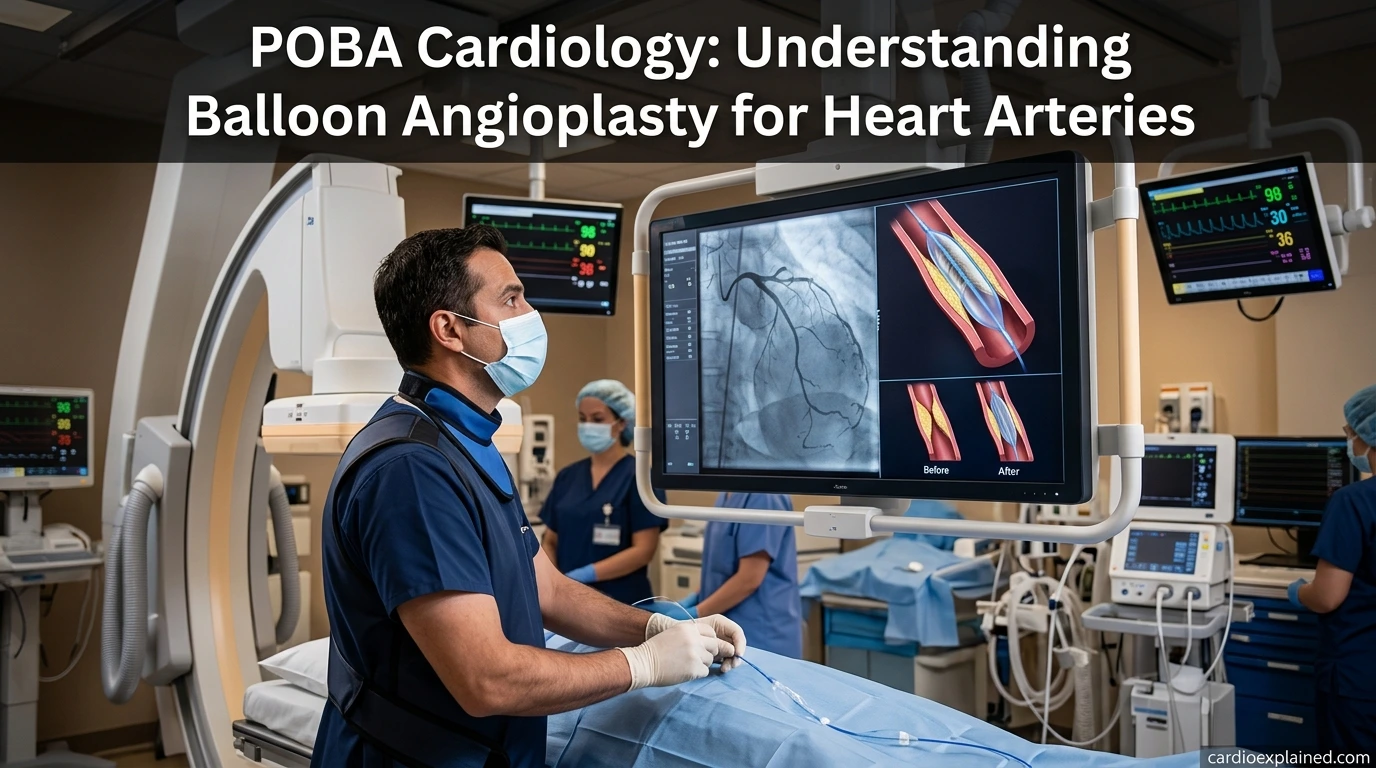

POBA cardiology is a heart care approach that uses a balloon to open blocked arteries. It helps improve blood flow when a heart artery becomes narrow. Doctors use this procedure to treat some cases of coronary artery disease.
❤️ What Is POBA Cardiology?
The heart needs a steady supply of blood and oxygen. The coronary arteries bring blood to the heart muscle. When these arteries become narrow, the heart may not get enough oxygen.
POBA means plain old balloon angioplasty. It is a type of heart procedure that uses a small balloon. The doctor places the balloon inside a narrow artery. The balloon expands and pushes plaque against the artery wall.
Plaque is a buildup of fat, cholesterol, and other materials. It can make arteries smaller over time. A smaller artery can limit blood flow.
POBA cardiology focuses on using balloon treatment without placing a stent. A stent is a small metal tube that helps keep an artery open. Some patients need a stent, but others may receive balloon treatment alone.
Doctors often use a thin tube called a catheter. They guide it through a blood vessel toward the heart. The doctor uses special images to see the artery during treatment.
How balloon angioplasty helps
The main goal is to improve blood flow. Better blood flow may reduce chest pain caused by poor oxygen supply. It may also help the heart work more comfortably.
A patient named Mark felt worried before his procedure. He had chest pressure during walks. His doctor explained each step and answered his questions. After treatment, Mark felt more confident about managing his heart health.
Doctors consider many factors before choosing treatment. They look at the location of the blockage. They also consider the patient’s overall health.
POBA may be used in certain situations. Doctors may choose it when a stent does not fit the patient’s needs. They also may use it in some emergency settings.
The American Heart Association (AHA) and the American College of Cardiology (ACC) provide guidance for heart care. Doctors follow medical evidence when choosing procedures.
🩺 Why Do Heart Arteries Become Narrow?
Heart artery narrowing usually happens because of coronary artery disease. This condition develops when plaque builds inside artery walls.
Several factors can raise the chance of artery problems. Some factors come from daily habits. Others come from family history or health conditions.
Common risk factors include:
- ❤️ High blood pressure
- ❤️ High cholesterol levels
- ❤️ Smoking or tobacco use
- ❤️ Diabetes
- ❤️ Lack of physical activity
- ❤️ Family history of heart disease
- ❤️ Older age
High blood pressure can put extra stress on artery walls. Over time, this stress may support plaque growth. High cholesterol can also add to plaque buildup.
Smoking can harm blood vessels. It can also reduce oxygen levels in the blood. Doctors often encourage patients to stop smoking for heart health.
Diabetes can affect blood vessels too. High blood sugar may damage the inner lining of arteries. Good diabetes care can help lower heart risks.
How blockages can affect the heart
A narrow artery may reduce blood flow during activity. The heart needs more oxygen when you exercise. A reduced blood supply can cause symptoms.
Some people notice chest discomfort first. Others may feel tired or short of breath. Some people have no clear warning signs.
A patient named Lisa learned about her risk after a routine visit. Her doctor found high cholesterol and discussed lifestyle changes. Lisa started walking more and followed her care plan.
Not every person with artery narrowing needs a procedure. Doctors often use medicines and lifestyle steps first. They decide based on symptoms and test results.
The choice of treatment depends on many details. These include the size of the blockage and the patient’s health goals.
⏱️ Symptoms and Signs That Need Attention
Heart artery problems can cause different symptoms. Some symptoms are mild. Others need quick medical attention.
A common symptom is chest pain or pressure. Many people describe it as squeezing, heaviness, or tightness. It may happen during activity or stress.
Other possible symptoms include:
- ❤️ Shortness of breath
- ❤️ Unusual tiredness
- ❤️ Dizziness
- ❤️ Pain in the arm, neck, jaw, or back
- ❤️ Feeling weak during activity
Women and older adults may have different symptoms. Some may have less typical signs. A doctor can help explain what symptoms mean.
When symptoms may become serious
Sudden chest discomfort can be a warning sign. It may need urgent medical care. Do not ignore severe or new heart symptoms.
Call emergency services if you have signs of a possible heart attack. These signs can include:
- Chest pressure that does not go away
- Trouble breathing
- Fainting
- Sudden severe weakness
A patient named Robert delayed care because he thought his chest discomfort was stress. His doctor later explained the importance of early attention. Quick medical advice can help prevent serious problems.
Symptoms alone cannot show the exact cause. Many conditions can create similar feelings. Doctors use tests to understand what is happening.
People with risk factors should talk with a healthcare professional. Regular visits can help find problems earlier.
📋 How Doctors Check Heart Arteries
Doctors use several tests to understand heart health. The right tests depend on symptoms and medical history.
A doctor usually starts with questions. They ask about symptoms, family history, and daily habits. They also check blood pressure and heart rate.
Common heart tests include:
| Test | Purpose | What happens |
| Electrocardiogram (ECG) | Checks heart signals | Small stickers record heart activity |
| Stress test | Checks heart response during activity | You exercise while doctors monitor you |
| Echocardiogram | Creates heart images | Sound waves show heart movement |
| Coronary angiogram | Shows artery blockages | Dye and X-rays create artery pictures |
A coronary angiogram can show where arteries are narrow. Doctors may use this test before deciding on treatment.
During an angiogram, the doctor places a catheter into a blood vessel. The patient may feel pressure but usually does not feel the catheter moving.
How doctors decide on treatment
Doctors review test results carefully. They consider symptoms, artery location, and overall health.
The team may discuss options such as:
- Medicines
- Lifestyle changes
- Balloon angioplasty
- Stent placement
- Other heart procedures
POBA cardiology decisions often depend on each patient’s needs. One person may benefit from balloon treatment. Another person may need a different approach.
Many patients feel nervous before their first heart test. Clear explanations can make the process easier. Asking questions helps patients feel prepared.
Doctors also follow safety standards during procedures. Hospitals use trained teams and careful monitoring.
🩺 Treatment Options and Heart Care Plans
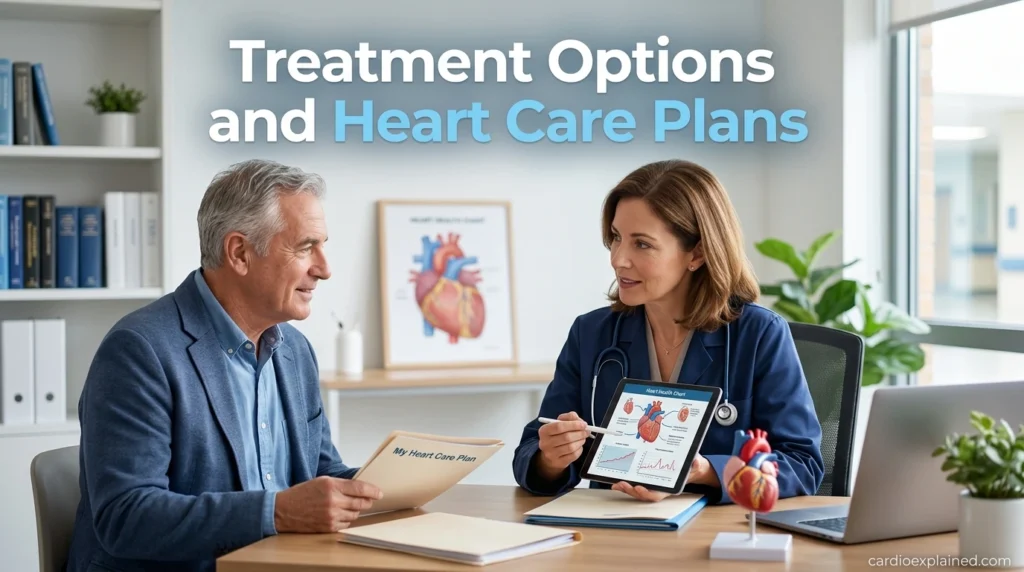
Treatment for narrowed heart arteries depends on the person. Doctors create plans based on medical needs and goals.
Medicines can help many patients. They may lower cholesterol, control blood pressure, or reduce heart strain.
Lifestyle changes also matter. Doctors often suggest:
- Eating more heart-friendly foods
- Moving the body regularly
- Managing stress
- Sleeping well
- Avoiding tobacco
Some patients need procedures to improve blood flow. Balloon angioplasty is one option. It uses a balloon to widen a narrow artery.
POBA procedure steps
The procedure usually follows these steps:
- The doctor gives medicine to keep you comfortable.
- The doctor places a catheter into a blood vessel.
- The doctor guides the catheter to the heart artery.
- The balloon expands inside the narrow area.
- The doctor removes the catheter after treatment.
Patients usually stay awake during the procedure. The team watches heart rhythm and vital signs.
POBA cardiology may be considered when a doctor believes balloon treatment fits the situation. The doctor explains possible benefits and risks before treatment.
Some patients may need follow-up care after angioplasty. Follow-up visits help doctors check progress. They also help adjust medicines and lifestyle plans.
A patient named Susan had many questions before her artery procedure. Her care team explained the plan in simple words. She felt more comfortable after understanding the process.
Every heart treatment choice requires a personal discussion. A cardiologist can explain which options may fit best.
✅ Prevention and Daily Heart Health Tips
Heart health starts with small steps. Daily choices can support stronger arteries and better overall wellness.
A heart-friendly lifestyle may include:
- ❤️ Eating vegetables, fruits, and whole grains
- ❤️ Choosing healthier fats
- ❤️ Staying active with safe exercise
- ❤️ Keeping regular doctor visits
- ❤️ Taking medicines as prescribed
Physical activity helps the heart pump blood better. Many adults benefit from regular movement. Your doctor can suggest activities that fit your health needs.
Food choices also play a role. Too much saturated fat and salt may affect heart health. A balanced eating plan can support healthy cholesterol levels.
Managing heart risk factors
Regular checks help find problems early. Doctors may monitor blood pressure, cholesterol, and blood sugar.
Stress management can also support heart wellness. Simple habits may include:
- Taking short walks
- Spending time with loved ones
- Practicing calm breathing
- Keeping a regular sleep schedule
People often think heart care only starts after a problem appears. Prevention can begin much earlier.
A person with a family history of heart disease may need closer monitoring. A doctor can help create a personal plan.
Healthy habits do not remove all risks. However, they can support better heart health. They can also work with medical treatments when needed.
⚠️ When to See a Doctor About Heart Concerns
You should talk with a doctor if you notice new heart-related symptoms. Early advice can help explain what is happening.
Schedule a medical visit for symptoms such as:
- New chest discomfort
- More shortness of breath than usual
- Unusual tiredness
- Changes during exercise
Do not wait if symptoms feel severe or sudden. Emergency care may be needed for serious warning signs.
Questions to ask your cardiologist
Many people feel unsure during heart visits. Writing questions down can help.
You may ask:
- What do my test results mean?
- What treatments may help me?
- What lifestyle changes should I make?
- What warning signs should I watch for?
Good communication helps you take part in your care. Your doctor can explain choices in clear language.
Doctors may discuss POBA cardiology when balloon treatment could be an option. They will review your condition before making recommendations.
Heart care is personal. Two people with similar symptoms may need different plans. A cardiologist can help guide those decisions.
Frequently Asked Questions
Q: Is POBA cardiology still used today?
A: Yes, doctors still use balloon angioplasty in selected cases. The choice depends on the artery problem and patient needs. Many treatments today may include stents or other options. A cardiologist can explain the best approach.
Q: Is balloon angioplasty the same as getting a stent?
A: No, balloon angioplasty and stents are different treatments. Balloon angioplasty uses a balloon to open a narrow area. A stent adds a small support tube to help keep the artery open.
Q: How long does balloon angioplasty recovery take?
A: Recovery time varies from person to person. Many people return to normal activities after their doctor gives approval. Follow-up care helps support safe recovery.
Q: Can heart artery blockages return after treatment?
A: Yes, artery narrowing can happen again in some cases. Healthy habits and medical follow-up may lower future risks. Your doctor can help monitor your heart health.
Q: What happens during a coronary angiogram?
A: A coronary angiogram uses imaging to view heart arteries. The doctor uses dye and X-rays to find narrow areas. The test helps guide treatment decisions.
Q: Does POBA cardiology treat all heart problems?
A: No, it does not treat every heart condition. Doctors choose treatments based on the specific heart issue. Other medicines or procedures may be needed.
Q: Should I ask my doctor about POBA cardiology?
A: Yes, you can discuss it with your cardiologist. Your doctor can explain whether balloon treatment may fit your situation. Personal medical advice depends on your health history and tests.
Conclusion
Heart artery problems can feel scary, but clear information helps. POBA cardiology uses balloon treatment to improve blood flow in some patients. Doctors use tests, medical history, and guidelines to choose care.
Healthy habits and regular visits can support your heart. Pay attention to warning signs and seek help when needed. Talk to a cardiologist if you have any heart concerns.
Medically reviewed for accuracy. Always consult a licensed cardiologist for personal advice.