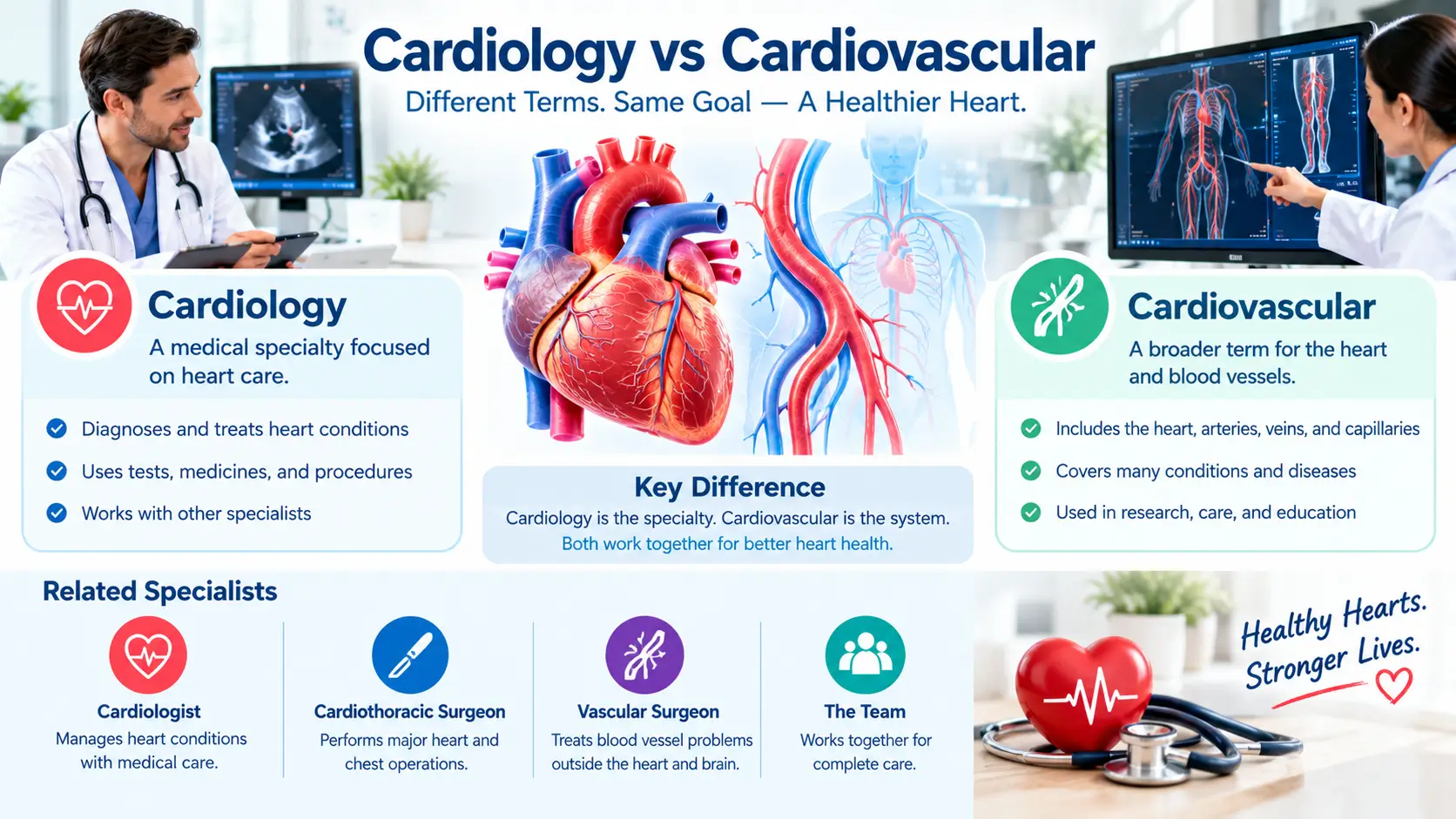
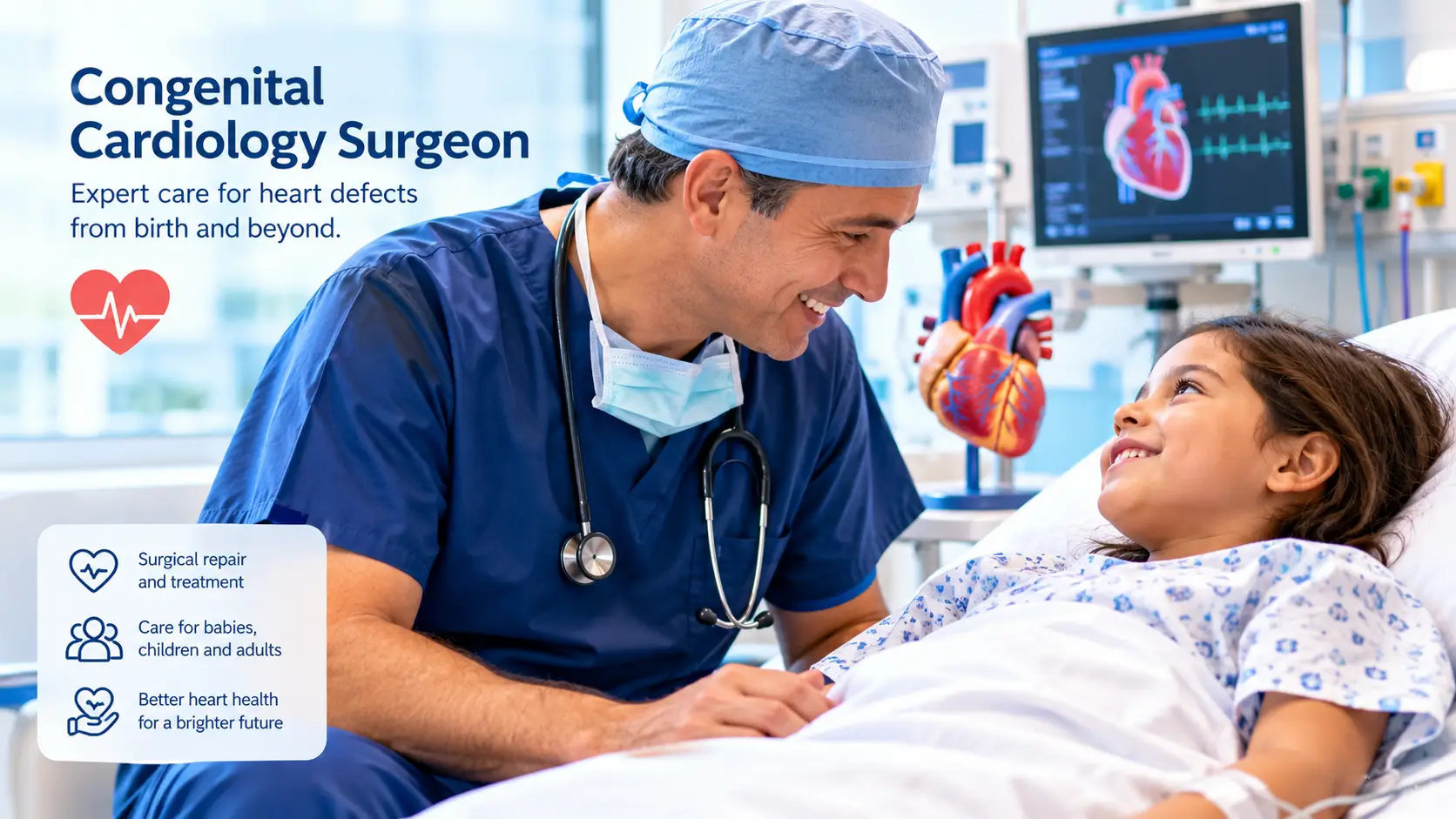

A congenital cardiology surgeon is a heart surgeon trained to treat heart problems present from birth. These surgeons repair or improve heart structure and blood flow. They may care for babies, children, and adults with congenital heart disease.
What Does a Congenital Cardiology Surgeon Do? 🩺
A heart can develop with a different shape before birth. This can change how blood moves through the heart. Some changes cause no major problems. Others may need close care or surgery.
A congenital cardiology surgeon treats these heart conditions with special surgical skills. The surgeon works with cardiologists, nurses, anesthesiologists, and other heart specialists. This team plans care around the patient’s age and heart needs.
Congenital heart disease means a heart problem that starts before birth. Some people find the problem during pregnancy. Others learn about it after birth or many years later.
Surgery may repair a hole, improve blood flow, or fix a heart valve. In some cases, surgery may help the heart work better. The exact plan depends on the heart problem and the patient’s health.
Children and adults may need different care
A baby may need care soon after birth. A child may need surgery later as the heart grows. Some adults also need care for a heart condition found during childhood.
Many patients feel scared before heart surgery. Parents often have many questions about risk, recovery, and daily life. A heart team can explain each step in simple terms.
A congenital cardiology surgeon may also care for patients who had earlier heart surgery. Some repaired hearts need long-term checks. A patient may need more than one procedure over time.
The surgeon does not work alone. The care team may include a pediatric cardiologist for children. Adults may see an adult congenital cardiologist for long-term heart care.
Why Do Congenital Heart Problems Happen?
Congenital heart problems start while the heart develops before birth. Doctors often cannot find one clear cause. Several factors may play a role.
Genes can affect how the heart forms. A gene is a small part of your body’s instructions. Changes in genes can sometimes affect heart development.
Some heart conditions also occur with certain genetic syndromes. Family history can provide useful information for the care team. Still, many children with heart defects have no known family history.
Other factors may also affect fetal heart development. These can include certain health problems during pregnancy. Some medicines, infections, or other exposures may also matter.
Doctors do not blame parents when a baby has a heart defect. Most families did not cause the condition. The goal is to understand the heart problem and plan safe care.
Common types of congenital heart disease
Congenital heart disease includes many different conditions. Some are simple, while others are more complex.
Common examples include:
- Atrial septal defect, or a hole between the upper heart chambers.
- Ventricular septal defect, or a hole between the lower heart chambers.
- Tetralogy of Fallot, a group of four heart changes.
- Coarctation of the aorta, which narrows a major blood vessel.
- Transposition of the great arteries, which changes major blood flow paths.
- Heart valve defects that change how blood moves.
A congenital cardiology surgeon may treat one or more of these conditions. Treatment depends on the type and severity of the defect.
For example, a small heart hole may close on its own. Another hole may cause symptoms or strain on the heart. A doctor may then suggest regular checks, medicine, a procedure, or surgery.
Signs and Symptoms to Watch For ⚠️
Symptoms can vary widely. Some people have no clear signs for many years. Others show signs soon after birth.
Babies with serious heart problems may have trouble feeding. They may also breathe fast or gain weight slowly. Blue or gray skin can signal low oxygen and needs urgent medical care.
Older children may become tired during play. They may have shortness of breath or poor weight gain. Some children may also have fainting or chest discomfort.
Adults with congenital heart disease may notice changes over time. They may have less energy than usual. Swelling, fast heartbeats, or breathing trouble can also occur.
Symptoms do not always mean a person needs surgery. Many other health problems can cause similar signs. A doctor must review the full picture.
A simple patient example
Imagine a child who becomes tired after a short walk. The parents may first notice slow growth or heavy breathing. A pediatric cardiologist may order heart tests.
The results may show a heart defect present since birth. The care team can then discuss whether the child needs observation, medicine, or surgery.
Another person may reach adulthood after childhood heart surgery. Years later, they may develop new symptoms. An adult congenital heart specialist can review the old repair and current heart function.
These examples show why follow-up matters. A repaired heart can still need regular care.
How Doctors Check Congenital Heart Problems 📋
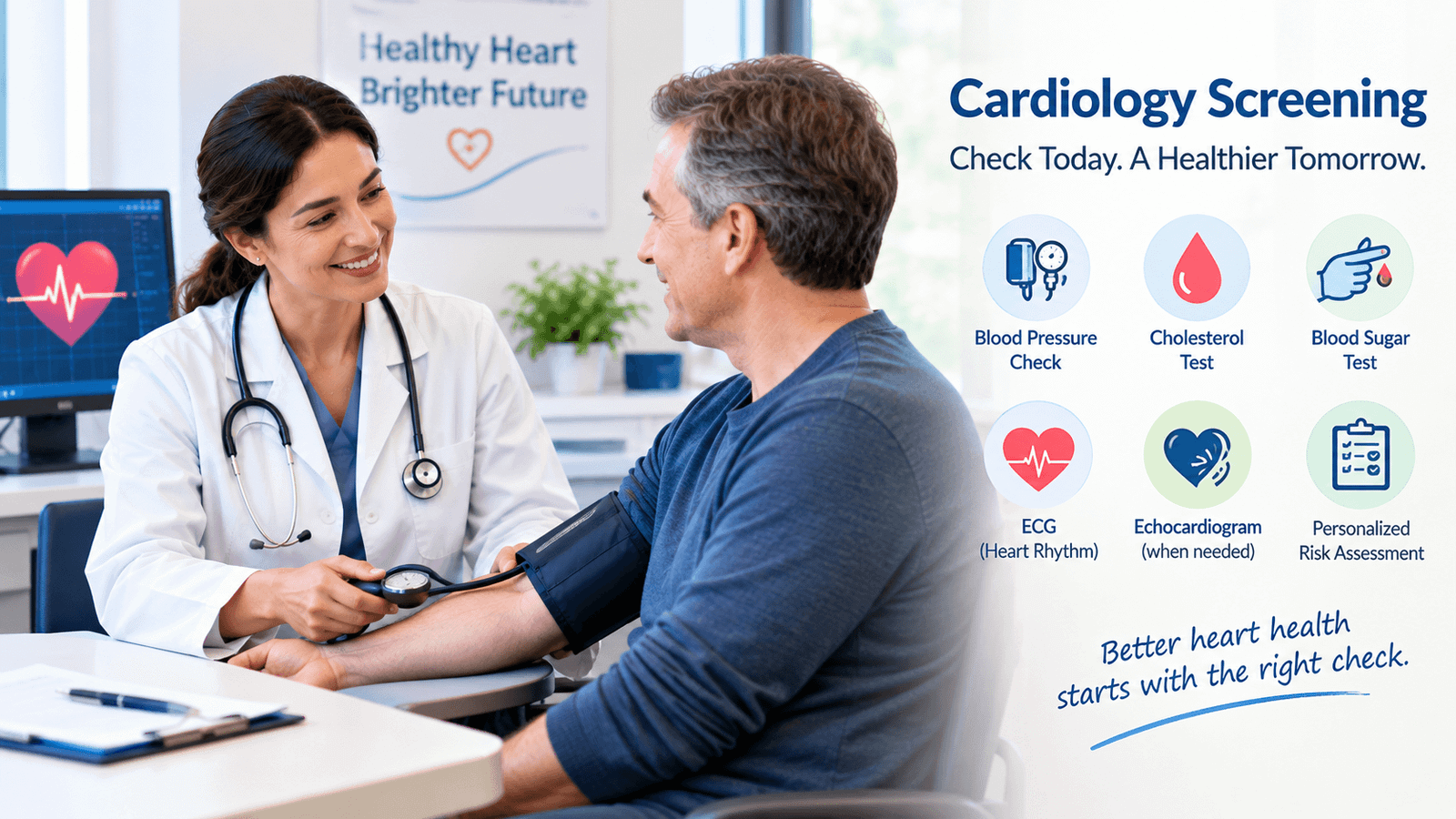
Doctors start with a health history and physical exam. They may ask about symptoms, family history, and past heart treatment.
The doctor may listen to the heart with a stethoscope. They may check blood pressure, oxygen level, breathing, and growth. These basic checks can guide the next steps.
Common heart tests
An echocardiogram uses sound waves to create pictures of the heart. It can show heart chambers, valves, and blood flow.
An electrocardiogram, or ECG, records the heart’s electrical activity. It can help show an abnormal heart rhythm.
A chest X-ray can show the size and shape of the heart and lungs. Doctors may use it when they need more information.
Cardiac MRI uses magnets to create detailed heart pictures. It can help doctors study complex heart structure.
A cardiac catheterization uses a thin tube inside a blood vessel. Doctors can use it to measure pressure or study blood flow.
Doctors choose tests based on the patient’s age and condition. Not every patient needs every test.
Before surgery
If surgery may help, the team reviews all test results. The surgeon explains the planned procedure and possible risks.
Parents may meet several team members before a child’s surgery. Adults may also meet anesthesia and heart care teams. These visits give patients time to ask questions.
A congenital cardiac surgery fellowship can provide advanced training for surgeons. Such training focuses on complex heart surgery for children and patients with congenital heart disease.
Treatment Options and Heart Surgery
Treatment depends on the heart defect. Some patients need only regular checks. Others need medicine, a catheter procedure, or surgery.
Medicine may help control symptoms or support heart function. It may also help manage blood pressure or abnormal heart rhythms. Doctors choose medicines based on each patient’s needs.
Some defects can be treated through a catheter. This approach uses a thin tube rather than open surgery. It may close certain holes or improve blood flow in selected patients.
Surgery may be needed when a structural problem needs repair. The surgeon may close a hole, repair a valve, or rebuild part of the heart. Some patients may need more complex operations.
Choosing a surgical team
Families often ask how to find a congenital cardiology surgeon. Start with the patient’s cardiologist or primary doctor. They can help identify a team with relevant experience.
Patients may also ask about the hospital’s heart program. Questions can include:
- How often does the team treat this heart condition?
- Which specialists will care for the patient?
- What recovery should the family expect?
- What follow-up will happen after surgery?
- What other treatment choices may exist?
Experience with a specific heart condition can matter. A complex case may need several specialists working together.
A second opinion can also help families understand their choices. This does not mean the first doctor gave poor advice. It can give patients another chance to ask questions.
Families can bring medical records, test results, and medicine lists. Writing questions before the visit can also make the visit easier. Clear information can help families understand the care plan.
What recovery may involve
Recovery depends on the procedure and the patient’s health. A child may stay in the hospital for monitoring after surgery. Adults may also need close care before going home.
The care team watches breathing, heart rhythm, blood pressure, and other signs. The patient may need medicine during recovery.
Many families feel nervous during this time. Nurses and doctors can explain what each monitor does. They can also explain when the patient may return to normal activities.
Prevention, Follow-Up, and Daily Heart Care ❤️
Most congenital heart defects cannot be prevented. They often begin before birth and may have no clear cause.
Still, good health care can support heart health. Pregnant people should attend regular prenatal visits. They should also discuss medicines and health conditions with their care team.
Children with congenital heart disease need follow-up based on their condition. Adults with repaired heart defects may also need lifelong heart checks.
Healthy habits matter
A heart-healthy routine may include:
- Eating a balanced diet.
- Staying active as advised by the care team.
- Avoiding tobacco and nicotine.
- Taking prescribed medicines as directed.
- Keeping scheduled heart visits.
- Learning the warning signs of heart problems.
Activity plans can differ between patients. Some people can exercise normally. Others need limits because of their heart condition.
AHA and ACC guidance can help clinicians plan care for many heart conditions. Your own care team can explain how those guidelines apply to your situation.
A patient example
A teenager may have had heart surgery as a baby. They may feel healthy and want to join sports at school. Their cardiologist may review their heart tests first.
The doctor may then explain which activities are safe. This helps the patient stay active while respecting their heart needs.
Long-term care does not mean a person cannot live a full life. It means the heart team watches for changes and supports healthy choices.
When Should You See a Doctor? ⚠️
Talk with a doctor if you notice new or worsening heart symptoms. This includes unusual shortness of breath, fainting, or swelling.
Children may need evaluation for poor growth, tiring during feeds, or breathing problems. Blue or gray skin can need urgent medical attention.
Adults with known congenital heart disease should keep planned visits. New chest pain, fainting, or severe breathing trouble needs prompt medical care.
Emergency warning signs
Call emergency services for severe symptoms such as:
- Severe trouble breathing.
- Fainting or loss of consciousness.
- New severe chest pain.
- Blue or gray skin with serious breathing trouble.
- Sudden severe weakness or confusion.
Do not wait for a routine appointment during a medical emergency. Emergency teams can assess the patient right away.
A congenital cardiology surgeon may become part of care when surgery could help. Your cardiologist can explain whether a surgical opinion makes sense.
Finding an adult congenital cardiologist near you may also help with long-term care. This can be especially useful for adults who had heart surgery as children.
Frequently Asked Questions
Q: What is a congenital heart surgeon called?
A: A congenital heart surgeon treats heart defects present from birth. The surgeon may care for babies, children, or adults. Some surgeons focus mainly on pediatric heart surgery.
Q: How much does a congenital heart surgeon earn?
A: Salary can vary by location, experience, employer, and training. Public salary data may group congenital surgeons with other heart surgeons. For that reason, one national number may not describe every surgeon.
Q: What is a congenital cardiac surgery fellowship?
A: It is advanced training focused on surgery for congenital heart conditions. Training may include complex procedures for infants, children, and other patients. The exact training path can vary by program.
Q: Is a pediatric cardiothoracic surgeon the same as a congenital surgeon?
A: The terms can overlap, but they do not always mean the same thing. Pediatric cardiothoracic surgeons treat heart and chest conditions in children. Congenital surgeons focus on heart defects present from birth.
Q: Can adults see a congenital heart specialist?
A: Yes. Adults with congenital heart disease may need long-term care. An adult congenital cardiologist can help manage repaired or unrepaired heart conditions.
Q: Where can I find congenital heart surgery?
A: Large heart centers may offer specialized congenital surgery programs. Your cardiologist can help you find a suitable center. Ask about experience with your specific heart condition.
Q: Does NYU offer congenital heart care?
A: NYU has pediatric cardiology services and heart care programs. Services and specialists can change over time. Check the health system’s current information before making care plans.
Conclusion
A congenital cardiology surgeon treats heart problems that begin before birth. These specialists may repair holes, valves, blood vessels, and other heart changes.
Care can start during infancy or many years later. Some patients need surgery, while others need monitoring or other treatment. Each heart condition needs an individual care plan.
Good follow-up can help doctors watch heart function over time. Healthy habits can also support overall heart health. Families should ask questions and understand the care plan.
If you or your child has a congenital heart condition, talk with your heart care team. A congenital cardiology surgeon may help when surgery is part of the plan.
Medically reviewed for accuracy. Always consult a licensed cardiologist for personal advice.