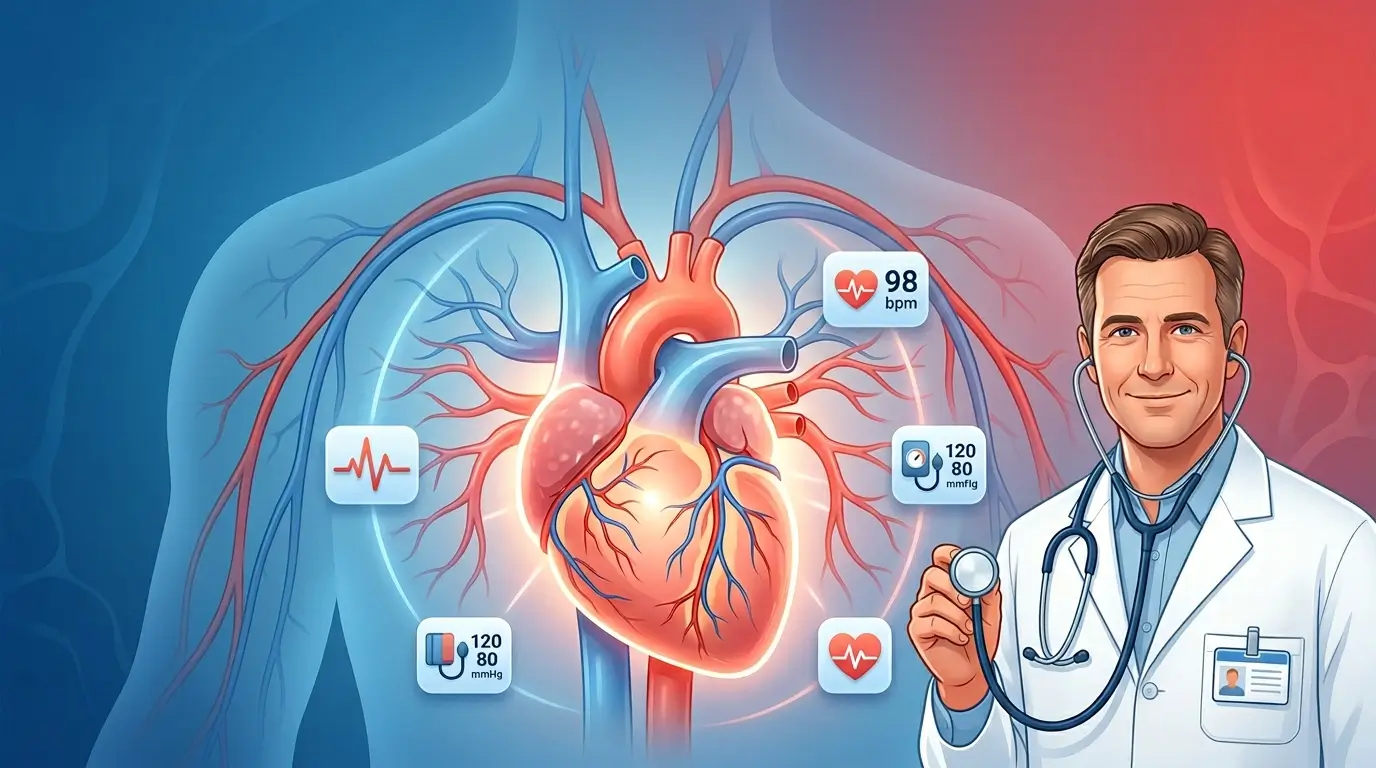

Cardiology is the branch of medicine that focuses on the heart and blood vessels. It helps doctors find, treat, and manage heart-related conditions. Cardiologists use tests, medicines, and procedures to help keep your heart healthy and working well.
Have you ever felt your heart race and wondered if it was normal? Many people have questions about their heart health. The heart works every second of every day. It pumps blood and oxygen throughout the body.
That is why learning what is cardiology can help you better understand your health. Heart disease affects millions of Americans each year. Heart specialists help people prevent problems and manage existing conditions.
Whether you are a patient, caregiver, or student, knowing how cardiology works can make medical visits less stressful. It can also help you spot warning signs early and seek care when needed.
❤️ What Is Cardiology?
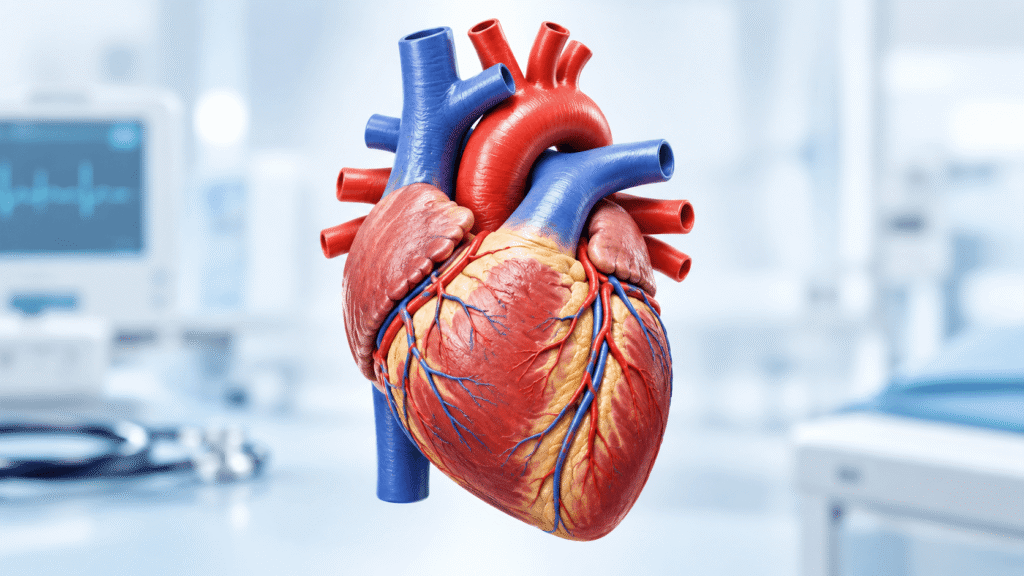
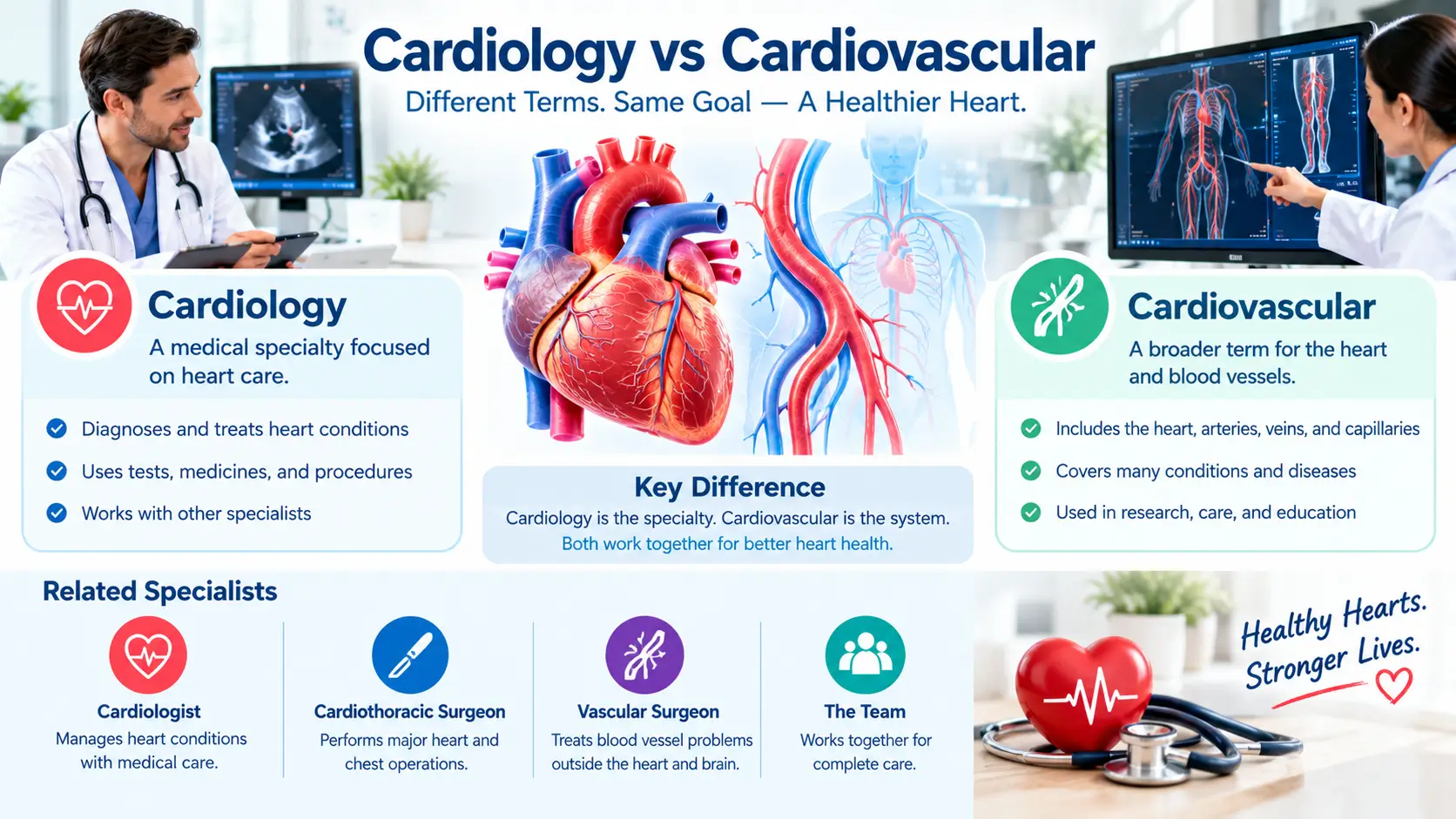
Cardiology is a medical specialty that focuses on the heart and blood vessels. Doctors who work in this field are called cardiologists.
These specialists diagnose and treat conditions that affect the cardiovascular system. The cardiovascular system includes:
- ❤️ The heart
- ❤️ Arteries
- ❤️ Veins
- ❤️ Blood vessels
Cardiology covers many areas of care. A cardiologist may help with:
- High blood pressure
- Heart rhythm problems
- Heart failure
- Heart attacks
- Coronary artery disease
- Heart valve problems
Many people see a cardiologist after a referral from their primary doctor.
Why Is Cardiology Important?
Your heart delivers oxygen-rich blood to every part of your body. If the heart does not work properly, many organs can suffer.
Cardiology helps:
- Find heart problems early
- Reduce health risks
- Improve quality of life
- Prevent serious complications
🩺 What Does a Cardiologist Do?

A cardiologist is a doctor who specializes in heart health. They examine patients, order tests, and create treatment plans.
During a visit, a cardiologist may:
- Review your medical history
- Ask about symptoms
- Check blood pressure
- Listen to your heart
- Recommend testing
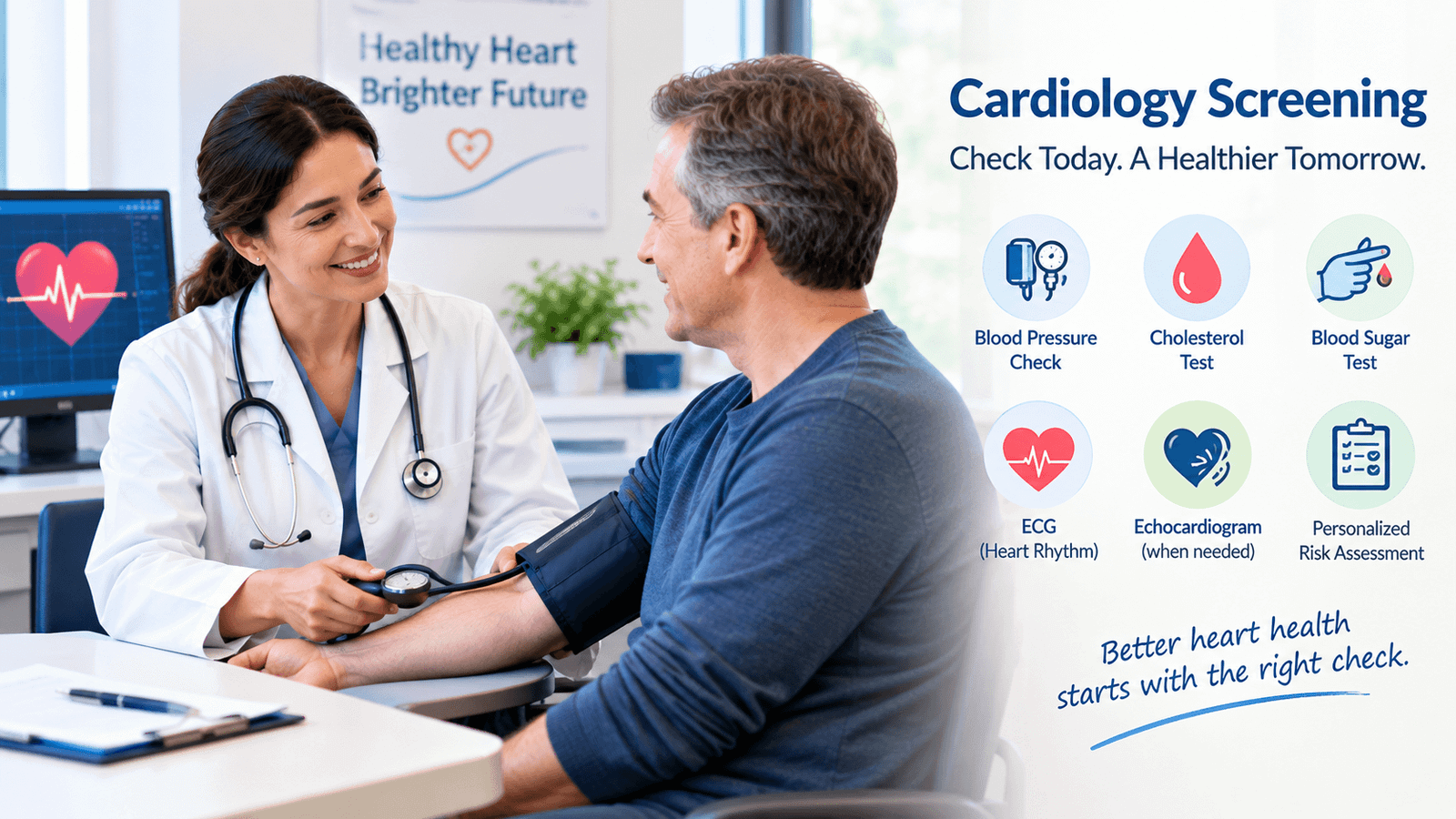
Common Heart Tests
| Test | Purpose |
| Electrocardiogram (ECG or EKG) | Records heart electrical activity |
| Echocardiogram | Uses sound waves to show heart structure |
| Stress Test | Checks heart function during activity |
| Holter Monitor | Tracks heart rhythm over time |
| Cardiac CT Scan | Creates detailed heart images |
The American Heart Association (AHA) and the American College of Cardiology (ACC) support many of these standard tests.
A Real-World Example
Many patients feel nervous before their first heart visit. For example, a person may notice chest discomfort while walking. Their doctor may send them to a cardiologist for testing. The specialist can then determine whether the symptoms relate to the heart.
📋 Common Symptoms That May Need Cardiology Care
People often visit a heart specialist because of certain symptoms. These symptoms do not always mean heart disease. Still, they deserve attention.
Common warning signs include:
- Chest pain
- Shortness of breath
- Fast heartbeat
- Slow heartbeat
- Dizziness
- Fainting
- Swelling in the legs
- Unusual fatigue
When Should You Seek Medical Help?
Contact a healthcare professional if symptoms continue or worsen.
Seek emergency care if you have:
- Severe chest pain
- Trouble breathing
- Sudden weakness
- Signs of a heart attack
Early treatment can make a major difference.
🏥 Understanding the Cardiology Department in a Hospital
Most hospitals have a cardiology department. This area focuses on heart-related care.
The cardiology department may include:
- Cardiologists
- Heart surgeons
- Nurses
- Imaging specialists
- Rehabilitation teams
These professionals work together to support patients.
Services Often Found in a Cardiology Department
- Heart testing
- Emergency heart care
- Cardiac imaging
- Heart monitoring
- Preventive care
- Rehabilitation programs
A hospital cardiology department helps patients from diagnosis through recovery.
What Happens During a Cardiology Appointment?
A cardiology appointment often begins with questions about your symptoms and health history.
The doctor may ask:
- When symptoms started
- How often they occur
- Family heart history
- Current medications
They may then perform an examination and order tests.
Many patients worry before their first appointment. Most visits are simple and focused on gathering information.
❤️ Branches of Cardiology
Cardiology has several specialized areas. Each branch focuses on different heart conditions.
General Cardiology
General cardiologists diagnose and manage common heart conditions.
They often treat:
- High blood pressure
- High cholesterol
- Stable heart disease
Interventional Cardiology
These specialists perform procedures using thin tubes called catheters.
Common procedures include:
- Angioplasty
- Stent placement
These treatments help open blocked arteries.
Electrophysiology
Electrophysiologists focus on heart rhythm disorders.
They treat:
- Atrial fibrillation
- Irregular heartbeats
- Electrical system problems
Heart Failure Cardiology
These doctors care for people whose hearts do not pump effectively.
They help patients manage symptoms and improve daily life.
Pediatric Cardiology
Pediatric cardiologists treat babies, children, and teens with heart conditions.
✅ What Are the Three Types of Cardiologists?
People often ask about the three main types of cardiologists. While there are many subspecialties, three common categories include:
| Type | Main Focus | Common Work |
| General Cardiologist | Overall heart care | Diagnosis and long-term management |
| Interventional Cardiologist | Artery procedures | Stents and catheter treatments |
| Electrophysiologist | Heart rhythm issues | Managing irregular heartbeats |
Each specialist plays a unique role in patient care.
⏱️ Cardiology Treatments and Care Options

Cardiology treatment depends on the condition. Every patient has different needs.
Lifestyle Changes
Doctors often recommend healthy habits first.
These may include:
- Eating heart-friendly foods
- Exercising regularly
- Quitting smoking
- Managing stress
- Maintaining a healthy weight
Medicines
Some patients need medication to manage heart conditions.
Examples include medicines for:
- Blood pressure
- Cholesterol
- Heart rhythm control
- Blood clot prevention
Medical Procedures
When needed, doctors may recommend procedures.
Examples include:
- Angioplasty
- Stent placement
- Pacemaker implantation
Surgery
Some serious conditions require surgery.
Possible surgeries include:
- Bypass surgery
- Valve repair
- Valve replacement
Treatment plans vary based on the patient’s condition and overall health.
⚠️ Common Heart Conditions Treated by Cardiologists
Cardiologists care for many different diseases.
Coronary Artery Disease
This condition develops when arteries become narrow.
Reduced blood flow can cause chest pain and heart attacks.
Heart Failure
Heart failure means the heart cannot pump blood as efficiently as it should.
It does not mean the heart has stopped working.
Arrhythmias
Arrhythmias are abnormal heart rhythms.
The heartbeat may become too fast, too slow, or irregular.
Heart Valve Disease
Heart valves help blood move correctly through the heart.
Damaged valves can affect blood flow.
High Blood Pressure
High blood pressure forces the heart to work harder.
Managing it can lower the risk of future complications.
💼 What Is Cardiology Salary?
Many students wonder about careers in cardiology.
Cardiologists usually complete:
- College education
- Medical school
- Internal medicine training
- Cardiology fellowship training
This path can take more than ten years after high school.
Salary varies based on:
- Experience
- Location
- Specialty
- Practice type
| Career Stage | Typical Salary Range |
| Early Career | Higher than many medical specialties |
| Experienced Cardiologist | Often among the highest-paid physicians |
| Specialized Cardiologist | May earn more depending on expertise |
Actual salaries differ by employer and region.
❤️ How to Keep Your Heart Healthy
Many heart problems can be reduced through healthy habits.
Try these steps:
- Eat fruits and vegetables daily
- Stay physically active
- Limit processed foods
- Avoid tobacco products
- Get enough sleep
- Manage stress
- Keep medical appointments
Regular checkups help doctors identify risks early.
Another Real-Life Example
A patient with high blood pressure may feel completely normal. During a routine visit, a doctor may discover the problem. Early treatment can help prevent future heart issues.
Frequently Asked Questions
Q: What is cardiology appointment?
A: A cardiology appointment is a visit with a heart specialist. The doctor reviews symptoms, examines you, and may order tests. Most appointments focus on understanding your heart health and creating a care plan.
Q: What is a cardiology department?
A: A cardiology department is the hospital section dedicated to heart care. It includes specialists, nurses, testing services, and treatment programs. Patients receive diagnosis, treatment, and follow-up care there.
Q: What symptoms may require a cardiologist visit?
A: Common symptoms include chest pain, shortness of breath, dizziness, swelling, and irregular heartbeats. These symptoms do not always mean heart disease. A doctor can determine the cause.
Q: Are all cardiologists the same?
A: No. Different cardiologists have different specialties. Some focus on diagnosis, while others perform procedures or treat rhythm disorders.
Q: Can a cardiologist help prevent heart disease?
A: Yes. Cardiologists often help patients reduce risk factors. They may recommend lifestyle changes, medicines, and regular monitoring.
Q: Do I need a referral to see a cardiologist?
A: It depends on your insurance plan and healthcare system. Many people receive referrals from primary care doctors. Some plans allow direct appointments.
Conclusion
Understanding what is cardiology helps you make informed health decisions. Cardiology focuses on the heart and blood vessels. Cardiologists diagnose conditions, recommend treatments, and help prevent future problems.
Heart symptoms should never be ignored. Early evaluation can help identify concerns before they become serious. Healthy habits, regular checkups, and proper medical care all support long-term heart health.
Talk to a cardiologist if you have any heart concerns. Taking action today may help protect your heart for years to come.
Medically reviewed for accuracy. Always consult a licensed cardiologist for personal advice.