
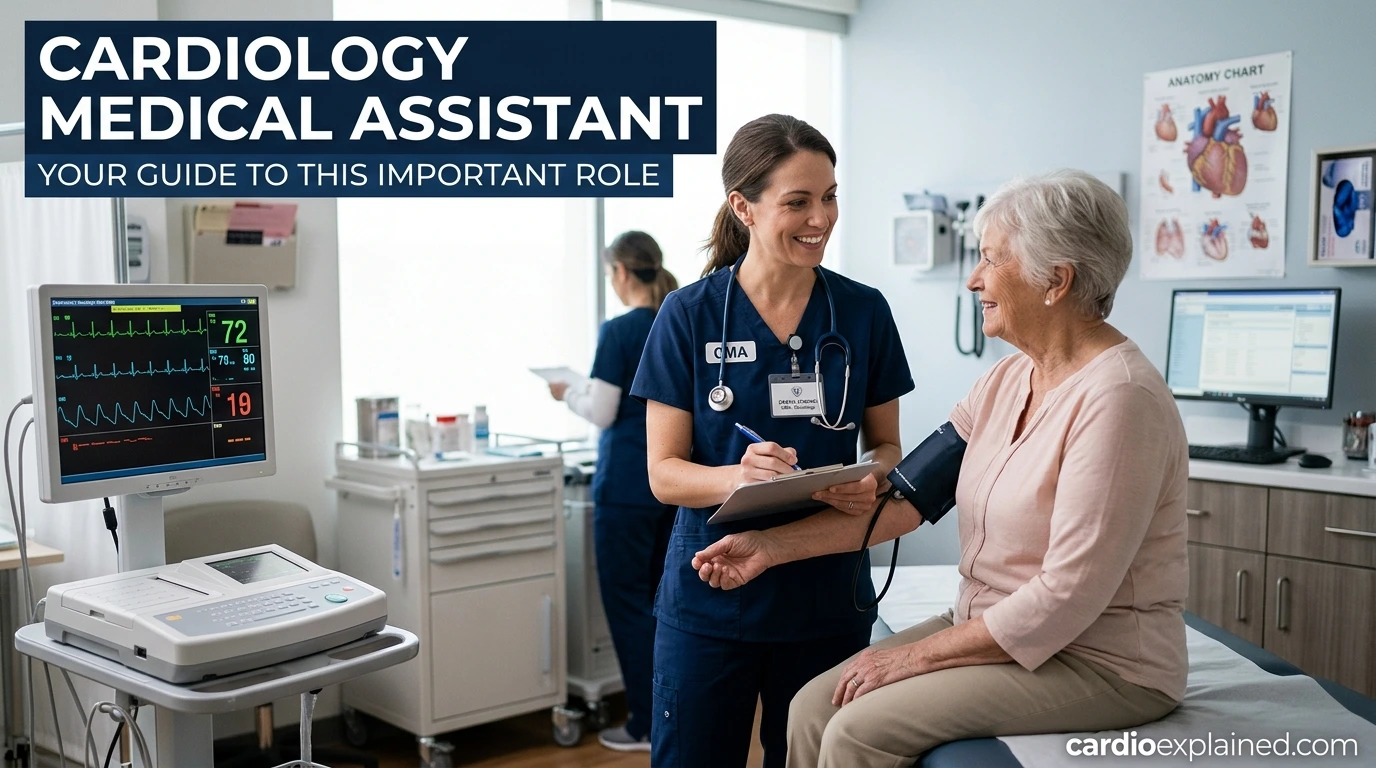

A cardiology medical assistant is a trained healthcare worker who helps heart doctors care for patients. They support clinic visits, prepare patients for tests, and keep daily care running smoothly. Their work helps patients feel informed, safe, and ready for treatment.
Have you ever wondered who helps you before the heart doctor enters the room? Many people meet a friendly healthcare worker first. That person often answers questions, checks vital signs, and helps you feel calm. A cardiology medical assistant plays that helpful role in many heart clinics across the United States.
Heart care can feel scary at first. A caring team makes each visit easier. Medical assistants help patients, families, and doctors work together. They explain simple steps and prepare people for common tests. They also help keep records accurate and appointments organized. Knowing what they do can help you feel more confident before your next visit. Students may also learn if this career matches their goals. No matter your reason, understanding this role can make heart care easier to follow.
❤️ What Is a Cardiology Medical Assistant?
A cardiology medical assistant works in a heart doctor’s office or clinic. They support cardiologists, who are doctors treating heart problems. They also help nurses and other healthcare workers.
This job mixes patient care with office work. Every day brings different tasks. Some duties involve helping patients. Others keep the clinic running well.
Daily Duties
A cardiology medical assistant may:
- 🩺 Welcome patients and guide them to exam rooms.
- 🩺 Check blood pressure, pulse, weight, and temperature.
- 🩺 Ask about current symptoms.
- 🩺 Update medical records.
- 🩺 Prepare exam rooms before each visit.
- 🩺 Help doctors during simple procedures.
- 🩺 Schedule follow-up visits.
- 🩺 Answer phone calls and patient questions.
- 🩺 Explain basic care instructions after appointments.
Many patients feel nervous during their first heart visit. A friendly assistant often helps ease those worries. Simple words and a calm voice can make a big difference.
Where They Work
Most work in:
- Private cardiology offices
- Heart clinics
- Hospital outpatient centers
- Specialty medical practices
Some also work in larger hospitals. Their duties may change based on the workplace.
How They Help Patients
Patients often spend more time with a medical assistant than expected. The assistant gathers health information before the doctor arrives. This helps the visit move faster.
For example, an older adult may feel worried about chest discomfort. The assistant listens carefully, checks vital signs, and alerts the doctor if needed. That quick action helps the healthcare team respond faster.
🩺 Education, Training, and Skills Needed
People enter this career through medical assistant training programs. Many programs take about one year. Some lead to a certificate. Others offer an associate degree.
Many employers also prefer national certification. Certification shows extra knowledge and skills.
Common certifications include:
- Certified Medical Assistant (CMA)
- Registered Medical Assistant (RMA)
- National Certified Medical Assistant (NCMA)
Training often includes:
- Patient care
- Medical records
- Heart health basics
- Infection prevention
- Medical ethics
- Office procedures
Skills That Matter
A successful cardiology medical assistant needs both people skills and technical skills.
Important qualities include:
- ✅ Kind communication
- ✅ Careful attention to detail
- ✅ Good organization
- ✅ Teamwork
- ✅ Time management
- ✅ Calm behavior under pressure
They also learn how to perform common heart-related tasks safely.
Heart Care Knowledge
Heart clinics often care for people with:
- High blood pressure
- Irregular heartbeat
- Chest pain
- Heart failure
- High cholesterol
Medical assistants do not diagnose these conditions. Instead, they gather information that helps the doctor make decisions.
The American Heart Association (AHA) encourages regular blood pressure checks and healthy lifestyle habits. Heart clinics often follow guidance from the AHA and the American College of Cardiology (ACC) during patient care.
📋 Common Heart Tests a Cardiology Medical Assistant Helps Prepare
Heart clinics perform several common tests. Medical assistants often prepare patients before these tests begin.
They explain simple instructions and answer basic questions. They also help patients stay comfortable.
| Test | Purpose | What the Patient May Experience |
| Electrocardiogram (ECG or EKG) | Checks the heart’s electrical signals | Sticky patches attach to the chest. The test does not hurt. |
| Blood Pressure Check | Measures blood pressure | A cuff squeezes the arm for a short time. |
| Pulse Oximeter | Measures oxygen level | A small clip sits on one finger. |
| Weight Measurement | Tracks fluid changes and health | The patient stands on a scale. |
Understanding an ECG
An electrocardiogram, also called an ECG or EKG, records the heart’s electrical activity. Electrical activity means the tiny signals that control each heartbeat.
The test usually takes only a few minutes.
The assistant cleans the skin before placing small sensors on the chest. The patient lies still while the machine records the heartbeat.
Helping Patients Feel Comfortable
Many people worry before heart testing.
One middle-aged patient feared an ECG would hurt. The assistant explained every step using simple words. After the test, the patient said it was much easier than expected.
Small moments like this build trust between patients and the healthcare team.
⏱️ Why This Role Matters in Heart Care
Heart clinics stay busy every day. Doctors often see many patients. Medical assistants help every visit stay organized.
Without them, patients could wait much longer.
Better Patient Experience
Patients often appreciate someone who answers simple questions.
Medical assistants may explain:
- How to prepare for testing
- When to take paperwork
- Where to go next
- What happens during the visit
These simple answers lower stress.
Better Teamwork
Doctors depend on accurate information.
If a patient’s blood pressure changes, the assistant records it carefully. The doctor then reviews the results before making treatment decisions.
Accurate records help avoid mistakes.
Helping During Follow-Up Care
Heart care often continues for months or years.
After one appointment, patients may need:
- Future visits
- Blood tests
- Imaging appointments
- Medicine reviews
The assistant helps organize these steps.
One patient with high blood pressure visited every three months. The same assistant greeted him each visit. That familiar face helped him feel relaxed and comfortable discussing new concerns.
The healthcare team works together to provide safe care. Every member has an important role. The cardiology medical assistant helps connect patients with doctors while making each visit smoother and easier to understand.
📋 How Doctors Check Heart Problems
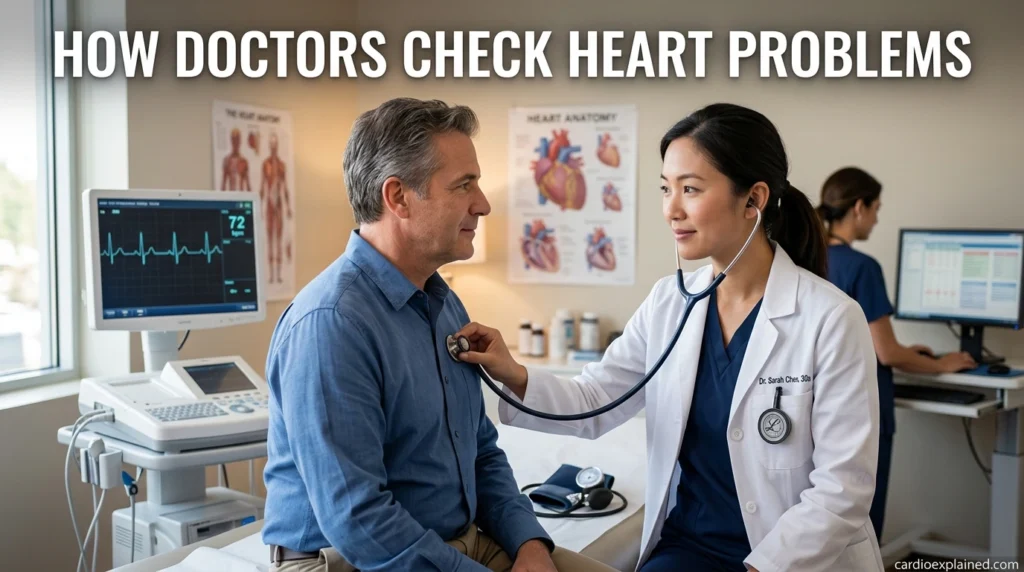
Doctors use your symptoms, health history, and test results together. No single test gives every answer. The healthcare team looks at the full picture before making a diagnosis.
A cardiology medical assistant helps prepare patients and keeps information organized. This support helps the doctor focus on your care.
Health History
The visit often starts with questions about your health.
The assistant may ask about:
- 🩺 Chest pain
- 🩺 Shortness of breath
- 🩺 Fast or uneven heartbeat
- 🩺 Dizziness
- 🩺 Family history of heart disease
- 🩺 Current medicines
Answer each question honestly. Small details can help your doctor.
Physical Exam
Next, the doctor performs a physical exam.
The doctor may:
- Listen to your heart.
- Listen to your lungs.
- Check your blood pressure.
- Look for swelling in your legs.
- Review your weight.
These simple steps give useful clues.
Common Heart Tests
Some patients need more testing.
| Test | Why Doctors Use It | What It Shows |
| ECG (EKG) | Checks heart rhythm | Shows electrical activity |
| Echocardiogram | Uses sound waves | Shows heart structure and movement |
| Stress Test | Watches the heart during exercise or medicine | Shows how the heart works under stress |
| Blood Tests | Looks for health markers | Helps find possible heart problems |
An echocardiogram uses sound waves to create heart pictures. It does not use surgery.
A stress test checks how your heart works during activity. Some people walk on a treadmill. Others receive medicine that acts like exercise.
Many heart clinics follow guidance from the American Heart Association (AHA) and the American College of Cardiology (ACC). These groups share trusted recommendations based on research.
✅ Treatment and Daily Management
Heart treatment depends on the person’s condition. Doctors create care plans that match each patient’s needs.
The cardiology medical assistant helps patients understand their next steps. They also help schedule future visits and tests.
Medicines
Many people take medicine to help their hearts.
Medicine may help:
- Lower blood pressure
- Control heart rhythm
- Lower cholesterol
- Reduce strain on the heart
Take medicine exactly as your doctor directs.
Never stop medicine without medical advice.
Lifestyle Changes
Healthy habits often support medical treatment.
Your doctor may suggest:
- ❤️ Eat more fruits and vegetables.
- ❤️ Choose whole grains.
- ❤️ Limit salty foods.
- ❤️ Stay active most days.
- ❤️ Keep a healthy weight.
- ❤️ Avoid smoking.
- ❤️ Sleep well each night.
Small changes can add up over time.
Follow-Up Visits
Regular visits help doctors watch your progress.
During follow-up visits, the healthcare team may:
- Review symptoms.
- Check blood pressure.
- Update medicines.
- Discuss new concerns.
- Plan future care.
One patient started treatment for high blood pressure. After several visits, healthy habits and regular checkups helped improve blood pressure numbers. The care team monitored progress step by step.
❤️ Tips for Better Heart Health
Healthy choices help protect your heart at every age.
You do not need to change everything at once. Start with one small goal.
Eat Heart-Friendly Foods
Choose foods that support heart health.
Good choices include:
- 🥗 Fresh fruits
- 🥗 Vegetables
- 🥗 Beans
- 🥗 Fish
- 🥗 Nuts
- 🥗 Whole grains
Try to limit foods high in added sugar, salt, and unhealthy fats.
Stay Active
Exercise helps your heart grow stronger.
Many adults can aim for regular physical activity after talking with their doctor.
Walking is a simple place to start.
Know Your Numbers
Keep track of:
- Blood pressure
- Cholesterol
- Blood sugar
- Weight
These numbers help doctors understand your heart health.
Manage Stress
Long-term stress may affect your body.
Helpful ideas include:
- Deep breathing
- Gentle exercise
- Reading
- Talking with loved ones
- Spending time outdoors
Even a few quiet minutes each day may help.
⚠️ When to See a Doctor
Some heart symptoms need medical attention.
Do not ignore warning signs.
Schedule a Medical Visit If You Notice
- ⚠️ Chest discomfort that returns
- ⚠️ Shortness of breath
- ⚠️ Fast or uneven heartbeat
- ⚠️ Swelling in your legs
- ⚠️ Ongoing tiredness
- ⚠️ High blood pressure readings
These symptoms may have many causes. Your doctor can find the reason.
Get Emergency Help Right Away
Call 911 if you have:
- Severe chest pain
- Trouble breathing
- Fainting
- Sudden weakness on one side
- Trouble speaking
Quick treatment can save lives.
Many patients wait because they hope symptoms disappear. Early care often leads to better outcomes.
❓ Frequently Asked Questions
Q: Can a cardiology medical assistant diagnose heart disease?
A: No. A cardiology medical assistant cannot diagnose heart disease. They collect health information, prepare patients, and support the doctor. The cardiologist reviews your symptoms, tests, and medical history before making a diagnosis.
Q: Does a cardiology medical assistant perform an ECG?
A: Yes, many do. They often prepare patients and place the sensors for an ECG. The doctor reviews the test results and explains what they mean.
Q: Do I need to prepare before my heart appointment?
A: Yes. Bring a list of your medicines, health records, and questions. Wear comfortable clothing if testing is planned. Follow any instructions your clinic gives before your visit.
Q: Is working as a cardiology medical assistant a good career?
A: Yes, many people enjoy this career. It offers daily patient contact and teamwork. It also provides opportunities to learn more about heart care.
Q: How long does an ECG take?
A: An ECG usually takes only a few minutes. The test is painless and does not use needles. Most people finish the test quickly.
Q: Can healthy young adults still develop heart problems?
A: Yes. Heart problems can affect adults of any age, though risk often increases over time. Regular checkups and healthy habits help protect your heart.
Q: How can I help my family member during heart treatment?
A: You can attend appointments, take notes, and encourage healthy habits. Offer support without pressure. Small acts of kindness often make a big difference.
Conclusion
Heart care works best when every team member does their part. The cardiology medical assistant helps patients feel welcome, prepared, and informed before seeing the doctor. They support testing, keep records accurate, and help clinics run smoothly.
Learning about this role can make your next heart visit feel less stressful. It can also help students understand an important healthcare career. If you or someone you love has heart concerns, talk with a cardiologist. Early care and regular checkups may help protect your heart.
Medically reviewed for accuracy. Always consult a licensed cardiologist for personal advice.