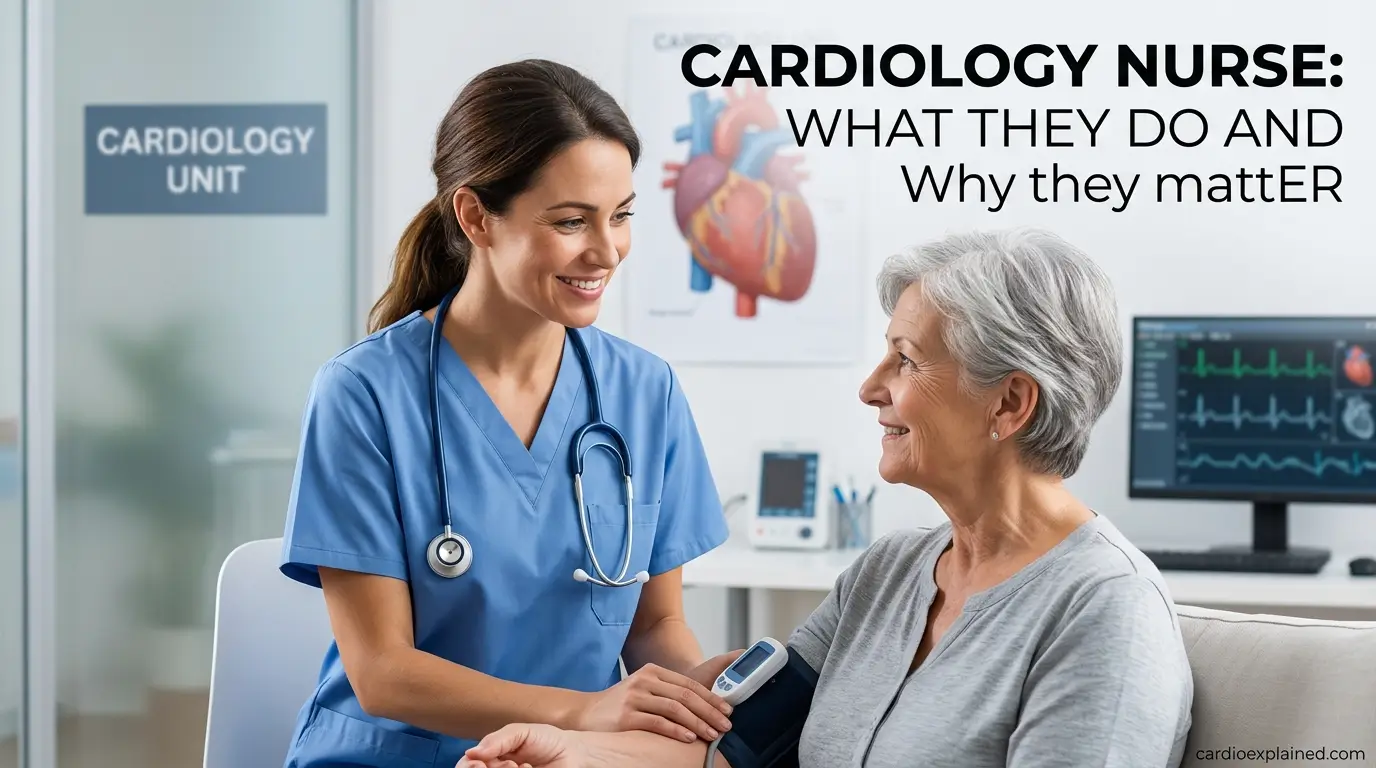

A cardiology nurse is a registered nurse who cares for people with heart and blood vessel conditions. They help patients before, during, and after heart tests and treatments. They also teach healthy heart habits and support patients through recovery.
Have you ever wondered who helps heart patients day after day?
Many people meet a cardiology nurse during a hospital stay or clinic visit. These nurses play a key role in heart care. They work closely with doctors, patients, and families. They help people understand their heart health and feel more at ease.
Heart problems can feel scary. A caring nurse can make a big difference. Some patients need help after a heart attack. Others need support before a heart test. Nurses guide them through each step.
You will learn what these nurses do, where they work, how they train, and what career paths they may choose.
❤️ What Does a Cardiology Nurse Do?
A cardiology nurse focuses on heart and blood vessel health.
They care for patients with conditions such as:
- ❤️ Heart failure
- ❤️ High blood pressure
- ❤️ Heart rhythm problems
- ❤️ Coronary artery disease
- ❤️ Recovery after heart surgery
Many patients feel nervous before their first heart test. A nurse often explains what will happen. This support can lower stress and build confidence.
Daily Responsibilities
Cardiac nurse responsibilities and daily activities may include:
- 📋 Checking blood pressure
- 📋 Monitoring heart rate
- 📋 Giving medicines
- 📋 Watching for warning signs
- 📋 Teaching healthy habits
- 📋 Updating medical records
- 📋 Talking with family members
A nurse may also help during heart procedures. They watch patients closely and report concerns quickly.
Working With the Heart Care Team
Heart care often involves many professionals.
A nurse may work with:
- Doctors
- Nurse practitioners
- Medical assistants
- Physical therapists
- Dietitians
Good teamwork helps patients receive safe care.
🩺 Heart Tests and Treatments They Support
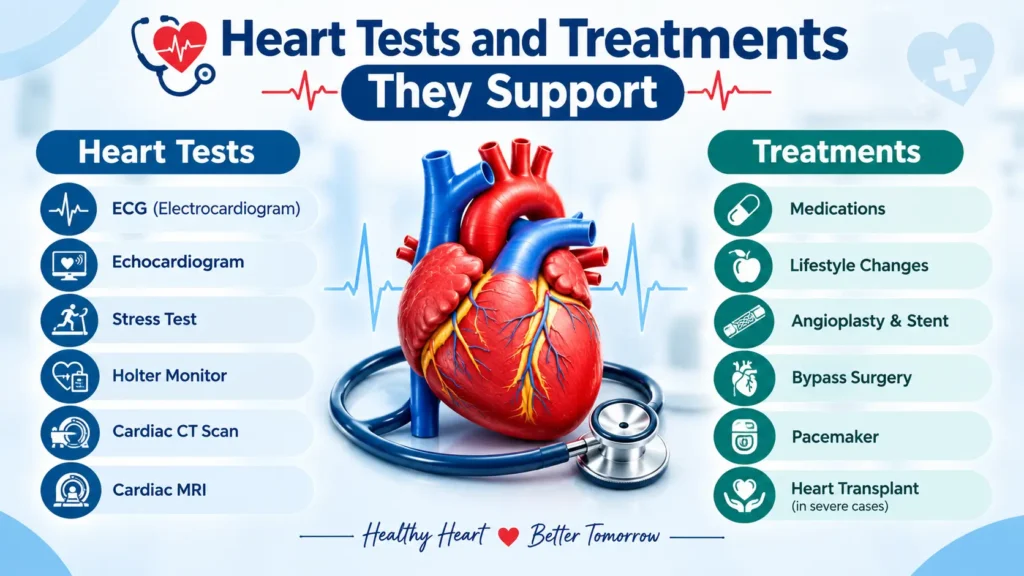
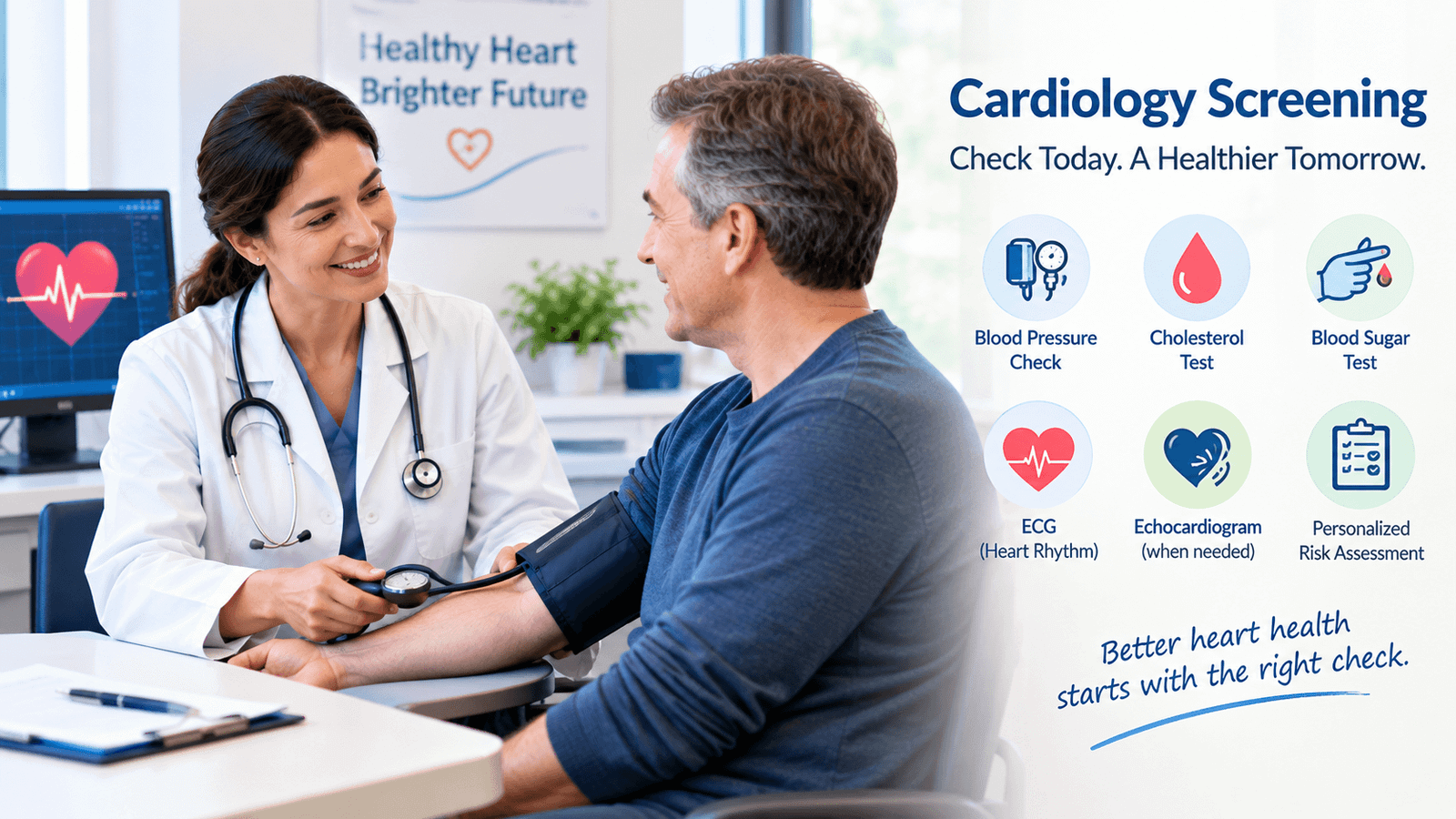
Heart nurses help patients through many common tests.
The American Heart Association (AHA) and the American College of Cardiology (ACC) support careful monitoring and patient education during heart care.
Common Heart Tests
| Test | What It Checks | Simple Meaning |
| Electrocardiogram (ECG) | Heart rhythm | Shows the heart’s electrical signals |
| Echocardiogram | Heart structure | Uses sound waves to create pictures |
| Stress Test | Heart function during activity | Shows how the heart works during exercise |
| Blood Tests | Heart damage markers | Looks for signs of heart problems |
A nurse often prepares patients for these tests. They answer questions and explain each step.
Helping After Procedures
Some patients need treatment such as:
- ✅ Cardiac catheterization
- ✅ Pacemaker placement
- ✅ Heart surgery
A catheter is a thin tube placed in a blood vessel. Nurses monitor recovery and watch for problems.
For example, a patient recovering from a stent procedure may need help with medicines and follow-up care. A nurse often provides these instructions before discharge.
📚 How to Become a Cardiac Nurse
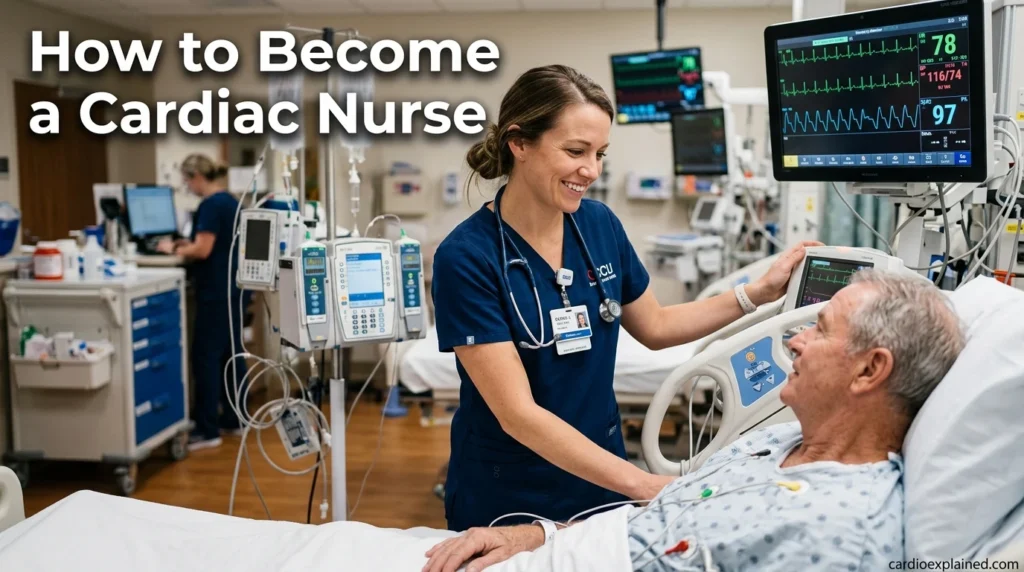
Many students ask how to become a cardiac nurse.
The path is clear and follows several steps.
Step 1: Earn a Nursing Degree
Most nurses complete one of these programs:
- Associate Degree in Nursing (ADN)
- Bachelor of Science in Nursing (BSN)
A BSN often creates more job opportunities.
Step 2: Pass the NCLEX-RN Exam
Graduates must pass the NCLEX-RN.
This national exam helps confirm nursing knowledge and skills.
Step 3: Gain Clinical Experience
Many nurses start in:
- Hospitals
- Emergency departments
- Intensive care units
- Medical-surgical units
Experience with patients builds confidence and skills.
Step 4: Move Into Heart Care
After gaining experience, nurses may join:
- Cardiology clinics
- Heart hospitals
- Cardiac rehabilitation programs
- Intensive cardiac care units
Step 5: Consider Specialty Training
Some nurses take a cardiac nurse course or specialty classes.
These programs teach:
- Heart disease management
- ECG interpretation
- Emergency heart care
- Patient education
Special training may improve career growth.
How Long Does It Take?
How long does it take to become a cardiac nurse?
The timeline depends on education choices.
| Education Path | Typical Time |
| ADN + License | About 2–3 years |
| BSN + License | About 4 years |
| Additional Heart Training | Several months to 2 years |
Many nurses continue learning throughout their careers.
⏱️ Salary and Career Outlook
Many people want to know about pay and job growth.
A cardiology nurse may earn different amounts based on location, experience, and workplace.
Cardiac Nurse Salary
The table below shows general salary ranges in the United States.
| Experience Level | Estimated Annual Salary | Estimated Monthly Salary |
| Entry Level | $65,000–$80,000 | $5,400–$6,700 |
| Mid-Career | $80,000–$100,000 | $6,700–$8,300 |
| Experienced | $100,000+ | $8,300+ |
Actual pay varies by employer and region.
Factors That Affect Earnings
Several factors may affect salary:
- 📋 Years of experience
- 📋 Education level
- 📋 Certifications
- 📋 Work setting
- 📋 Geographic location
Large cities often offer higher wages.
Job Outlook
Heart disease remains a major health concern in the United States.
Because of this need, skilled heart nurses often find strong career opportunities. Many employers seek nurses with cardiac experience and strong patient care skills.
✅ Where These Nurses Work
A cardiology nurse can work in many settings.
Each setting offers different duties and schedules.
Hospitals
Hospitals remain one of the most common workplaces.
Nurses may care for:
- Heart attack patients
- Surgery patients
- Emergency cases
Cardiology Clinics
Clinic nurses often:
- Schedule tests
- Teach patients
- Review medicines
- Answer health questions
Cardiac Rehabilitation Centers
Cardiac rehabilitation helps patients recover after heart events.
Patients often attend supervised exercise sessions and education programs.
Research and Education
Some nurses help with:
- Clinical studies
- Medical education
- Community health programs
These roles support future advances in heart care.
Cardiac Nurse Jobs
Cardiac nurse jobs may include:
- Staff nurse
- Cardiac care unit nurse
- Catheterization lab nurse
- Cardiac rehabilitation nurse
- Nurse educator
- Case manager
Many positions offer chances for career growth.
📋 Skills and Resume Tips

Strong skills help nurses provide safe care.
Important Skills
Employers often value:
- Good communication
- Teamwork
- Critical thinking
- Attention to detail
- Compassion
These skills help nurses respond quickly to patient needs.
Building a Strong Resume
A cardiac nurse resume should highlight:
- Nursing license
- Clinical experience
- Heart care experience
- Certifications
- Leadership activities
Keep information clear and easy to read.
Helpful Certifications
Some nurses pursue certifications in:
- Cardiac care
- Critical care nursing
- Advanced life support
These credentials may strengthen a resume and support career growth.
Frequently Asked Questions
Q: What is a cardiology nurse?
A: A cardiology nurse is a registered nurse who specializes in heart care. They help patients with heart conditions, support treatments, and provide education about healthy living.
Q: How long does it take to become a cardiac nurse?
A: Most people need about 2 to 4 years for nursing education. Additional heart-focused training may take several months or longer.
Q: What is the average cardiac nurse salary per month?
A: Monthly earnings vary. Many nurses earn roughly $5,400 to more than $8,300 per month, depending on experience and location.
Q: Are cardiac nurse jobs in demand?
A: Yes. Heart disease affects many Americans. Healthcare facilities often need nurses with heart care skills.
Q: Do I need a cardiac nurse course to work in heart care?
A: No. Many nurses enter the field through experience. Extra courses may improve knowledge and career options.
Q: What should a cardiac nurse resume include?
A: A strong resume should include education, licenses, work experience, certifications, and relevant heart care skills.
Conclusion
A cardiology nurse helps patients through many stages of heart care. They monitor health, explain treatments, and support recovery. These nurses work in hospitals, clinics, rehabilitation centers, and other settings.
Many patients depend on their guidance during stressful times. Their knowledge and compassion help people feel informed and supported. For students, this career offers meaningful work and strong job opportunities.
Talk to a cardiologist if you have any heart concerns. Early care may help protect your long-term heart health.