

Academic cardiology is the study and practice of heart care in teaching hospitals and medical schools. It helps doctors treat patients, train new heart specialists, and improve care through research. Many people receive advanced heart care in academic cardiology centers because they offer expert teams and the latest treatments.
Heart problems can feel scary. You may worry about your health or a loved one. You may also hear your doctor mention academic cardiology and wonder what it means. The name sounds complex, but the idea is simple.
Academic cardiology brings together patient care, medical teaching, and heart research. Doctors treat people every day while also training future heart specialists. They also study better ways to prevent and treat heart disease. This work helps improve care for families across the United States.
Many patients visit these centers for common heart concerns. Others need help with rare or complex heart problems. No matter the reason, patients often receive care from a team of skilled experts. Knowing how these centers work can help you feel more confident before your visit.
❤️ What Is Academic Cardiology?
Academic cardiology is a branch of heart medicine based in medical schools and teaching hospitals. These centers care for patients while teaching future doctors and studying new treatments.
A regular heart clinic focuses on patient care alone. An academic cardiology center has three main goals:
- 🩺 Treat patients with heart problems
- 📚 Teach medical students and future heart doctors
- 🔬 Study better ways to prevent and treat heart disease
These three goals support each other every day.
How Patient Care Comes First
Patient care always comes first. Doctors meet patients, review symptoms, order tests, and create treatment plans.
Many patients visit for common heart problems, such as:
- High blood pressure
- Chest pain
- High cholesterol
- Heart failure
- Heart rhythm problems
Some people also come after a heart attack. Others need help with rare heart conditions.
A patient may first see a general heart doctor. If needed, another specialist joins the care team. This teamwork helps many patients receive the right care quickly.
Teaching the Next Generation
Teaching hospitals help future doctors learn safely.
Medical students often watch patient visits. Doctors explain how they make decisions. Students learn by seeing real cases under close supervision.
Residents also work in these hospitals. A resident is a doctor receiving extra training after medical school.
Fellows train even longer. A cardiology fellow studies heart medicine after finishing general medical training.
An experienced heart doctor checks every important decision. Patients still receive expert care throughout the visit.
Many people enjoy helping students learn. Others prefer fewer learners in the room. Patients may ask questions or request changes if they feel uncomfortable.
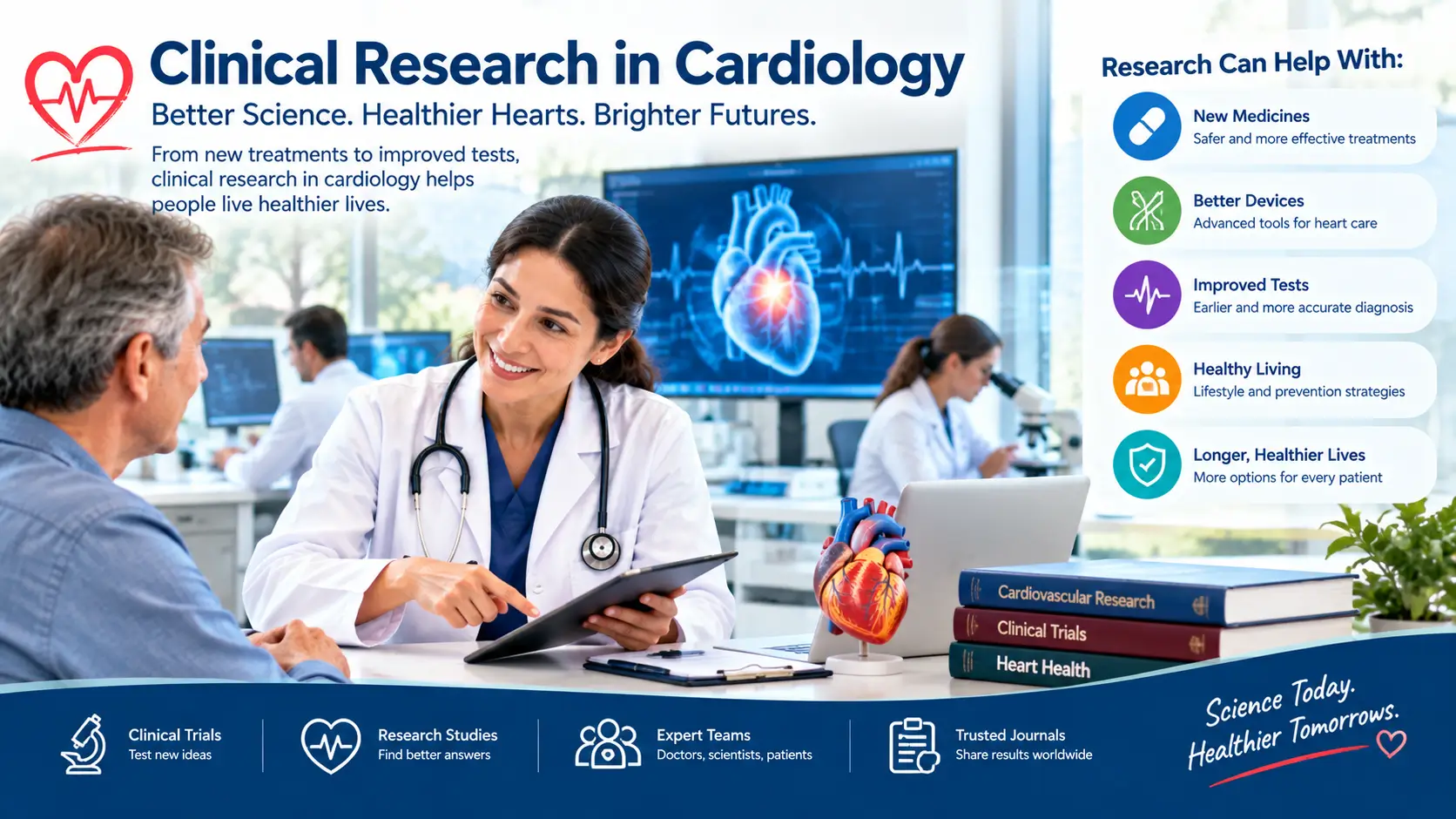
Research Improves Heart Care
Research helps doctors learn what works best.
Researchers study:
- New medicines
- Better medical devices
- Improved surgery methods
- Health habits that protect the heart
- Ways to find disease earlier
Research follows strict safety rules. Every study must protect patients.
Some patients choose to join clinical trials. A clinical trial is a carefully planned medical study. These studies test new treatments or compare current treatments.
Joining a study is always a personal choice. Patients can ask questions before deciding.
Who Works in These Centers?
Heart care often involves many professionals.
Your care team may include:
- Cardiologists
- Heart surgeons
- Nurses
- Pharmacists
- Dietitians
- Physical therapists
- Imaging specialists
- Social workers
Each person brings different skills. Together, they help patients receive complete care.
A Real-Life Example
Maria, age 67, visited a teaching hospital after feeling tired for months. Her local doctor found a heart valve problem.
At the academic center, several specialists reviewed her case together. They explained every test in simple words. After careful planning, Maria received treatment and returned home with a clear recovery plan.
Her story shows how teamwork often helps patients with complex heart conditions.
🩺 How Academic Cardiology Helps Improve Heart Care
Academic cardiology does more than treat today’s patients. It also helps improve tomorrow’s care.
Doctors learn from thousands of patient experiences each year. They compare results and look for safer ways to diagnose and treat heart disease.
Small improvements can help many families across the country.
Better Care Through Teamwork
Heart disease often affects more than one part of the body.
For example, diabetes and kidney disease can affect heart health. A patient may need care from several specialists.
Academic centers make teamwork easier.
A patient with heart failure may meet:
- A heart doctor
- A kidney specialist
- A diabetes doctor
- A nutrition expert
The team shares information and builds one treatment plan.
This approach helps reduce confusion for many patients.
Access to Advanced Technology
Teaching hospitals often use advanced medical equipment.
Doctors may offer:
| Test or Tool | Purpose | How It Helps |
| Echocardiogram | Uses sound waves to view the heart | Shows heart size and movement |
| Cardiac MRI | Creates detailed heart images | Finds damage or rare conditions |
| Cardiac CT scan | Takes detailed X-ray pictures | Checks blood vessels and calcium buildup |
| Wearable heart monitor | Records heart rhythm over time | Finds rhythm changes outside the hospital |
Doctors choose tests based on each patient’s needs.
Not every patient needs advanced testing.
Learning From Every Patient
Every patient teaches doctors something new.
Doctors review cases during meetings. They discuss what worked well and what may improve care.
These talks help future patients benefit from today’s experience.
For example, doctors may notice that one treatment works better for older adults. They may then study the finding in a larger group.
If research supports the idea, future care guidelines may change.
Organizations like the American Heart Association (AHA) and the American College of Cardiology (ACC) often review new research before updating treatment recommendations.
Clinical Trials Offer New Choices
Some patients qualify for clinical trials.
A study may test:
- A new medicine
- A new heart device
- A different treatment plan
- A new way to prevent heart disease
Doctors explain both the possible benefits and risks before enrollment.
Many patients choose standard treatment instead. Others decide a study fits their needs.
Either choice deserves respect.
Another Patient Story
James, age 54, had repeated episodes of an irregular heartbeat. Local treatments helped only for a short time.
His doctor referred him to an academic heart center.
Specialists reviewed his records together. They found another treatment option based on current research. After treatment, James noticed fewer symptoms and returned to many daily activities.
His experience shows how expert teamwork and ongoing research can support patients with difficult heart problems.
Why This Matters for Families
Families often feel less stressed when experts work together.
Academic centers may offer:
- Clear explanations
- Access to many specialists
- Updated treatment options
- Education about heart health
- Follow-up care after treatment
Many people think these centers only treat rare diseases. That is not true.
They also care for people with common heart conditions every day. Their goal remains the same: helping patients live healthier lives through skilled care, education, and research.
⚠️ Signs That May Lead Someone to an Academic Heart Center
Not everyone needs care at a teaching hospital. Many people do well with a local heart doctor. Still, some situations call for extra support.
A doctor may suggest an academic cardiology center when symptoms are hard to explain or treatment does not work as expected.
Common Heart Symptoms
Many heart problems share similar signs.
Watch for:
- ❤️ Chest pain or pressure
- 😮💨 Shortness of breath
- 💓 Fast or uneven heartbeat
- 😴 Feeling very tired
- 🦵 Swelling in the feet or legs
- 😵 Dizziness or fainting
These symptoms do not always mean heart disease. Many other health problems can cause them.
Still, they deserve medical attention, especially if they happen often.
Symptoms That Need Fast Care
Some warning signs need immediate medical help.
Call 911 if someone has:
- Chest pain lasting several minutes
- Trouble breathing that gets worse
- Fainting without a clear reason
- Severe chest pressure with sweating
- Pain spreading to the arm, neck, jaw, or back
Quick treatment may save heart muscle and even save a life.
When Your Doctor May Refer You
Your doctor may recommend a teaching hospital if:
- Your diagnosis is unclear.
- Your symptoms continue after treatment.
- You may need a special procedure.
- You have a rare heart condition.
- You want another expert opinion.
Many referrals happen because another team can offer more experience with difficult cases.
A Patient Example
Linda, age 61, felt short of breath while walking. Her first tests looked normal.
Her doctor referred her to an academic heart center. There, specialists ordered more detailed imaging. They found an early heart muscle problem that earlier tests missed.
Linda started treatment before her condition became worse.
Her story shows why a second evaluation sometimes helps.
Not Every Symptom Means Serious Disease
Many patients worry after feeling chest discomfort.
Often, the cause is not life-threatening.
Still, only a healthcare professional can decide after an exam and proper testing.
Do not ignore symptoms that keep coming back.
📋 How Doctors Check Heart Problems
Doctors begin with simple steps. They listen carefully before ordering tests.
At an academic center, several specialists may review the results together.
Your First Visit
The doctor usually asks about:
- Current symptoms
- Family heart history
- Past illnesses
- Medicines you take
- Smoking history
- Exercise habits
Honest answers help your doctor understand the full picture.
Physical Examination
The doctor also performs a physical exam.
They may:
- Listen to your heart
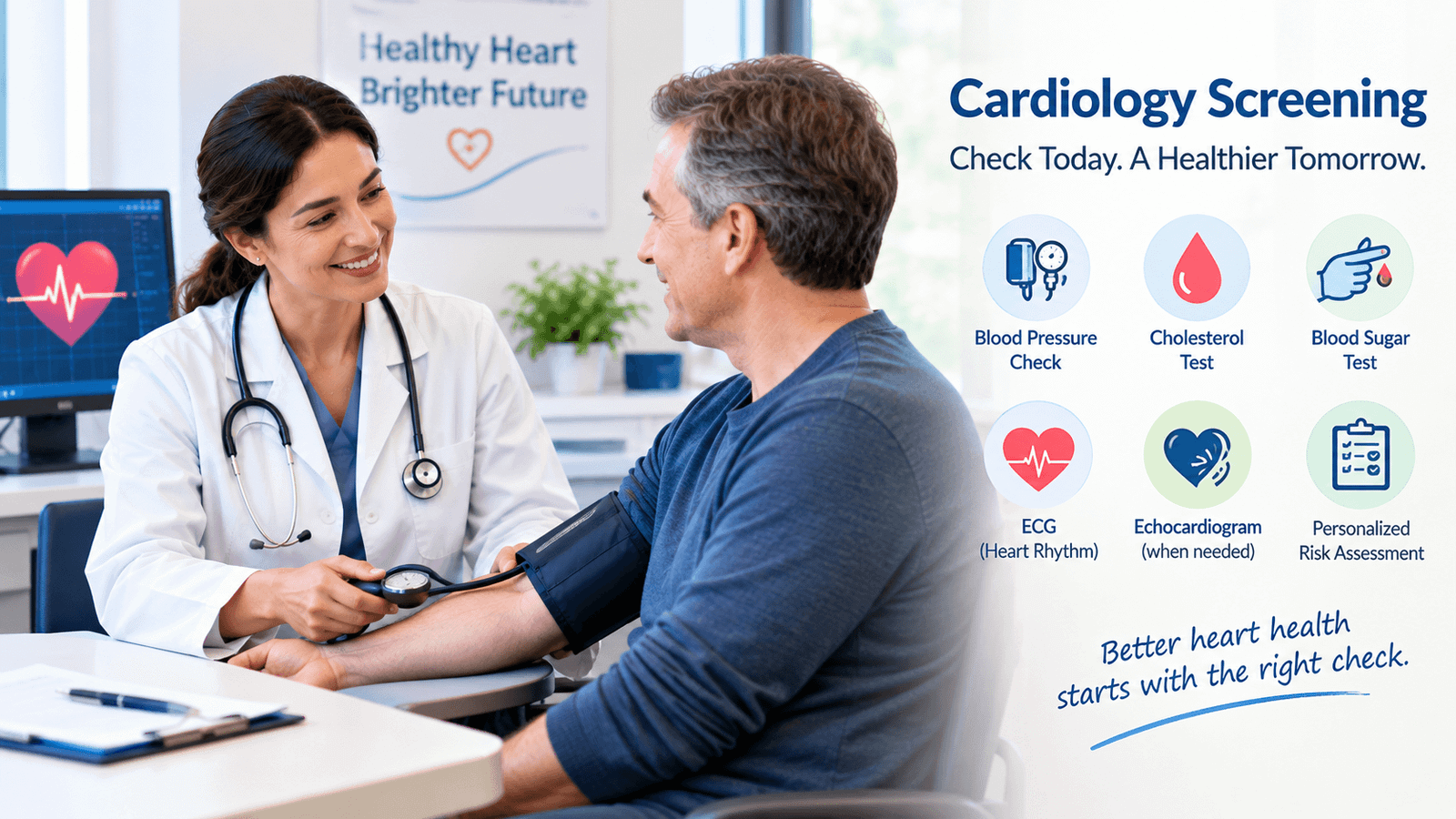
- Check your blood pressure
- Measure your pulse
- Listen to your lungs
- Look for swelling
These simple checks provide valuable information.
Common Heart Tests
Different tests answer different questions.
| Test | Purpose | What It Shows |
| Electrocardiogram (ECG or EKG) | Records heart signals | Detects rhythm changes or past heart damage |
| Echocardiogram | Uses sound waves | Shows heart size, valves, and pumping strength |
| Stress test | Checks the heart during exercise | Finds reduced blood flow |
| Blood tests | Measures important markers | Looks for heart damage or risk factors |
Doctors rarely order every test.
They choose only the ones that fit your symptoms.
Advanced Testing
Some patients need more detailed studies.
These may include:
- Cardiac MRI
- Cardiac CT scan
- Heart rhythm monitoring
- Cardiac catheterization
Cardiac catheterization uses a thin tube to study heart blood vessels.
Doctors explain why each test is needed before moving forward.
Team Discussions
One strength of academic cardiology is teamwork.
Heart doctors often meet with surgeons, imaging experts, and other specialists.
Together, they review test results and discuss treatment choices.
This process helps create a care plan based on each patient’s needs.
Guidelines Help Doctors
Doctors also follow trusted recommendations.
Organizations such as the American Heart Association (AHA) and the American College of Cardiology (ACC) publish guidelines based on strong medical research.
These guidelines help doctors choose safe and effective care.
Every patient remains unique, so treatment plans may differ.
🩺 Treatment Options and Long-Term Care
Treatment depends on the heart problem.
Some patients only need healthy lifestyle changes.
Others need medicine or procedures.
The goal is to help the heart work better and lower future risks.
Healthy Habits Come First
Doctors often recommend healthy daily choices.
These may include:
- 🥗 Eating more fruits and vegetables
- 🚶 Walking most days
- 🚭 Stopping smoking
- 😴 Getting enough sleep
- 😌 Managing stress
- ⚖️ Maintaining a healthy weight
Even small changes can improve heart health over time.
Medicines
Many heart conditions respond well to medicine.
Doctors may prescribe medicine to:
- Lower blood pressure
- Reduce cholesterol
- Control heart rhythm
- Prevent blood clots
- Help the heart pump better
Take medicine exactly as directed.
Never stop a medicine without speaking to your doctor.
Procedures
Some patients need procedures instead of medicine alone.
These may include:
| Procedure | Purpose | Who May Need It |
| Angioplasty | Opens blocked arteries | People with narrowed heart arteries |
| Stent placement | Keeps an artery open | Often follows angioplasty |
| Pacemaker | Helps control heartbeat | People with slow heart rhythms |
| Heart valve repair | Fixes damaged valves | People with severe valve disease |
Doctors explain the benefits and possible risks before any procedure.
Follow-Up Care
Heart care continues after treatment.
Regular follow-up visits help doctors:
- Check recovery
- Adjust medicines
- Answer questions
- Watch for new symptoms
Many patients feel more confident after these visits.
Working With Your Care Team
Good communication helps everyone.
Bring a list of:
- Current medicines
- Questions
- New symptoms
- Home blood pressure readings, if available
Family members may also attend appointments for support.
Living Well After Treatment
Many people return to normal activities after treatment.
Recovery takes time.
Some patients join cardiac rehabilitation.
Cardiac rehabilitation is a supervised program that combines exercise, education, and support. It helps many people recover after heart surgery or a heart attack.
The care team encourages patients every step of the way.
Many people continue enjoying work, family, and hobbies while managing heart disease.
✅ Prevention Tips for Better Heart Health

You cannot prevent every heart problem. Still, many daily habits help protect your heart.
Doctors encourage healthy choices at every age.
Many academic cardiology programs also teach patients how to lower heart disease risk.
Eat Heart-Healthy Foods
Your meals affect your heart every day.
Try to eat more:
- 🥗 Fresh fruits
- 🥦 Vegetables
- 🌾 Whole grains
- 🐟 Fish
- 🫘 Beans
- 🥜 Unsalted nuts
Limit foods high in:
- Salt
- Added sugar
- Saturated fat
- Processed meats
Small food changes can add up over time.
Stay Active
Exercise helps your heart grow stronger.
Many adults benefit from regular activity each week.
Simple choices include:
- Walking
- Swimming
- Cycling
- Dancing
- Gardening
Talk with your doctor before starting a new exercise plan if you have heart disease.
Keep Track of Important Numbers
Many heart problems have no early symptoms.
Regular checkups help find issues sooner.
Your doctor may check:
- Blood pressure
- Cholesterol
- Blood sugar
- Weight
Knowing these numbers helps you and your doctor make better decisions.
Avoid Tobacco
Smoking damages blood vessels.
It also raises the risk of heart attack and stroke.
Quitting can improve heart health at almost any age.
If quitting feels difficult, ask your healthcare team for support.
Manage Stress
Stress affects both the body and mind.
Healthy ways to lower stress include:
- Deep breathing
- Walking outdoors
- Talking with loved ones
- Reading
- Listening to music
Good sleep also supports heart health.
A Healthy Habit Story
Robert, age 49, learned he had high blood pressure during a routine visit.
His doctor suggested small lifestyle changes instead of trying to change everything at once.
Robert began walking after dinner and reduced salty foods. He also kept follow-up appointments.
Months later, his blood pressure improved. He felt more energetic and stayed motivated to protect his heart.
His story shows that steady progress often works better than sudden changes.
⚠️ When to See a Doctor
Many heart symptoms improve with early care.
Do not wait if something feels wrong.
Make an Appointment If You Notice:
- Chest discomfort during activity
- Shortness of breath
- Fast or irregular heartbeat
- Frequent dizziness
- Swollen ankles or feet
- Ongoing tiredness without a clear reason
These symptoms may have many causes.
A doctor can decide whether your heart needs more testing.
Seek Emergency Care Right Away
Call 911 if you notice:
- Severe chest pain
- Trouble breathing
- Sudden fainting
- Chest pain with sweating
- Pain spreading into the jaw, arm, neck, or back
Fast treatment may prevent serious heart damage.
Prepare for Your Visit
You can make your appointment easier by bringing:
- 📋 A list of medicines
- 📋 Recent test results
- 📋 Questions for your doctor
- 📋 A family member if you want support
Clear communication helps your healthcare team understand your needs.
Ask Questions
Never feel embarrassed to ask questions.
Your doctor wants you to understand your care.
You may ask:
- Why do I need this test?
- What do my results mean?
- What treatments fit my condition?
- What lifestyle changes should I make?
Good conversations often lead to better care.
❓ Frequently Asked Questions
Q: What is academic cardiology?
A: Academic cardiology combines patient care, medical education, and heart research. Doctors treat patients while teaching future specialists and studying better treatments. Many teaching hospitals across the United States offer this type of care.
Q: Do I need academic cardiology for common heart problems?
A: Not always. Many common heart conditions receive excellent care in local clinics. Your doctor may refer you if your case is complex, unclear, or needs special expertise.
Q: Are patients safe in teaching hospitals?
A: Yes. Experienced heart doctors supervise medical students, residents, and fellows. Senior specialists review important decisions to help provide safe care.
Q: Can I join a clinical trial?
A: Yes, if you qualify and choose to participate. Clinical trials follow strict safety rules. Your healthcare team explains the possible benefits and risks before you decide.
Q: Does insurance cover care at academic medical centers?
A: In many cases, yes. Coverage depends on your insurance plan and the hospital. Contact your insurance company before your visit to confirm your benefits.
Q: How is academic cardiology different from a regular cardiology clinic?
A: Academic cardiology includes patient care, teaching, and research. Many community clinics focus mainly on patient care. Both can provide excellent treatment, depending on your needs.
Q: Can lifestyle changes replace heart medicine?
A: Not always. Healthy habits help many people, but some conditions also need medicine or procedures. Your doctor will recommend a plan based on your health.
Final Thoughts
Academic cardiology brings together expert heart care, education, and research in one place. Patients may benefit from experienced teams, advanced testing, and treatment plans based on current medical knowledge. Many people receive care for both common and complex heart conditions at these centers.
Healthy habits, regular checkups, and early attention to symptoms can support lifelong heart health. If your doctor recommends a teaching hospital, it often means you may benefit from extra expertise and teamwork.
Talk to a cardiologist if you have any heart concerns. Early care can make a meaningful difference.