


A cardiology referral is a recommendation from a healthcare provider to see a heart specialist. It helps find, monitor, or manage heart and blood vessel concerns. Doctors use it when you may need expert heart care, testing, or treatment.
Have you ever left a doctor’s visit with more questions than answers?
Many people feel worried when they receive a cardiology referral. You may wonder if something is wrong. You may also ask what happens next.
In many cases, a referral is simply a careful step. Your doctor wants a heart expert to take a closer look. This can help rule out problems or create a care plan.
Heart specialists, called cardiologists, help with many concerns. These include chest pain, high blood pressure, high cholesterol, heart rhythm changes, and more.
Knowing what to expect can ease stress. It can also help you feel ready for your visit.
❤️ What Is a Cardiology Referral?

A referral is a request from one healthcare provider to another.
A cardiology referral sends you to a cardiologist. A cardiologist is a doctor who focuses on the heart and blood vessels.
Your primary care doctor may suggest this step if they notice signs that need expert review.
Common reasons include:
- 🩺 Chest pain
- 🩺 Shortness of breath
- 🩺 High blood pressure that stays high
- 🩺 Heart palpitations, or feelings of skipped beats
- 🩺 High cholesterol
- 🩺 Family history of heart disease
- 🩺 Abnormal test results
A referral does not always mean a serious problem exists.
Many referrals help confirm that your heart is healthy.
Why Doctors Make Referrals
Doctors often work as a team.
Your primary doctor manages general health needs. A cardiologist offers deeper knowledge about heart health.
This teamwork helps patients get the right care at the right time.
🩺 Is Being Referred to a Cardiologist Serious?
Many people ask this question right away.
The answer is not always.
A referral may happen for many reasons. Some reasons are urgent. Others are routine.
For example, a person with mild chest discomfort may need testing. Another person may have high cholesterol and need risk checks.
Many patients feel nervous before their first visit. One patient may worry for weeks. Later, tests may show no major heart issue.
Another patient may learn about a risk early. Early care often helps prevent future problems.
The key point is simple. A referral means your doctor wants more information.
Signs That May Need Faster Evaluation
Some symptoms may need quick attention.
These include:
- ⚠️ Severe chest pain
- ⚠️ Fainting
- ⚠️ Sudden shortness of breath
- ⚠️ Rapid or irregular heartbeat with symptoms
- ⚠️ New swelling in the legs
Seek emergency care if symptoms feel severe or sudden.
📋 What Happens After a Referral?

After your doctor sends the referral, several steps usually follow.
Scheduling the Visit
A clinic may call you.
Sometimes you must contact the cardiology office yourself.
Keep these items ready:
- 📋 Insurance information
- 📋 Medication list
- 📋 Medical records if requested
- 📋 Recent test results
Your First Appointment
The cardiologist will ask questions about:
- Your symptoms
- Your health history
- Your family history
- Your lifestyle habits
The doctor may listen to your heart and lungs. They may also check your blood pressure.
Possible Heart Tests
Not everyone needs testing.
If testing helps, the doctor may recommend one or more options.
| Test | What It Checks | What to Expect |
| ECG or EKG | Heart rhythm | Small stickers on skin |
| Echocardiogram | Heart structure and movement | Sound wave scan |
| Stress Test | Heart response to activity | Walking or medicine test |
| Heart Monitor | Rhythm over time | Wearable device |
The American Heart Association (AHA) and the American College of Cardiology (ACC) support using tests based on symptoms and risk factors.
Next Steps
After testing, the doctor may:
- Reassure you that results look normal.
- Recommend lifestyle changes.
- Prescribe medicine.
- Schedule follow-up visits.
- Suggest more testing if needed.
⏱️ Common Conditions Cardiologists Treat
Cardiologists care for many heart-related concerns.
Some are common and easy to manage.
Others need ongoing monitoring.
High Blood Pressure
High blood pressure means blood pushes too hard against artery walls.
Over time, it can strain the heart.
A cardiologist may help improve blood pressure control.
Heart Rhythm Problems
These affect how the heart beats.
Some people feel fluttering, racing, or skipped beats.
The doctor may use monitoring devices to learn more.
Coronary Artery Disease
This condition affects blood flow to the heart.
Arteries can narrow over time.
Treatment may include medicine, lifestyle changes, or procedures.
Heart Failure
Heart failure does not mean the heart stops working.
It means the heart cannot pump blood as well as it should.
Many people live active lives with proper treatment.
Heart Valve Problems
Valves help blood move in the correct direction.
When valves do not work well, symptoms may appear.
A specialist can check valve function through testing.
✅ Do Cardiologists Deal With Cholesterol?
Yes. Cardiologists often help manage cholesterol.
Cholesterol is a wax-like substance in the blood.
Too much “bad” cholesterol can increase heart disease risk.
Many people receive a cardiology referral because of cholesterol concerns.
The cardiologist may review:
- ✅ Cholesterol levels
- ✅ Family history
- ✅ Blood pressure
- ✅ Smoking history
- ✅ Diabetes risk
The goal is to understand overall heart risk.
Ways Cholesterol May Be Managed
Treatment plans vary.
A doctor may suggest:
- Healthy eating habits
- Regular exercise
- Weight management
- Quitting smoking
- Cholesterol-lowering medicine
For example, a patient with very high cholesterol and a strong family history may benefit from specialist care.
Another patient may improve numbers through lifestyle changes alone.
Your doctor will choose a plan based on your needs.
❤️ How to Prepare for Your Cardiology Visit
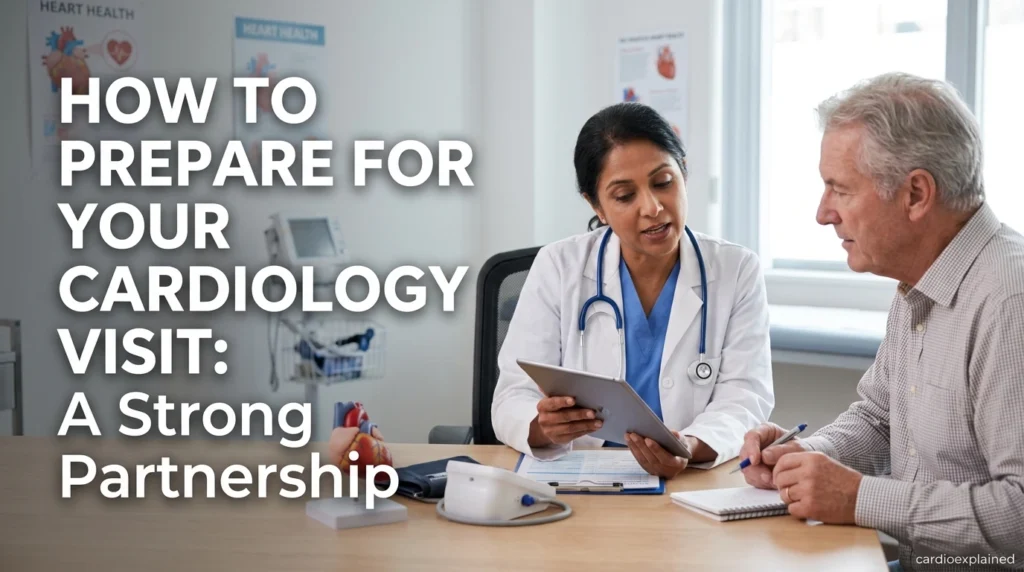
Good preparation can make the visit smoother.
Bring Important Information
Take these items with you:
- 📋 Medication list
- 📋 Symptom notes
- 📋 Family health history
- 📋 Previous test reports
Track Your Symptoms
Write down:
- When symptoms started
- How often they happen
- What makes them better
- What makes them worse
This information helps the doctor.
Prepare Questions
Consider asking:
- What may cause my symptoms?
- Do I need testing?
- What lifestyle changes help most?
- When should I follow up?
Be Honest About Habits
Tell the doctor about:
- Exercise
- Smoking
- Alcohol use
- Diet patterns
Clear information supports better care.
FAQ
Q: What is a cardiology referral?
A: A cardiology referral is a recommendation to see a heart specialist. Your doctor may suggest it when heart-related symptoms, risk factors, or test results need expert review.
Q: Is it serious to be referred to a cardiologist?
A: Not always. Many referrals are routine and done as a precaution. The goal is often to gather more information and protect your heart health.
Q: What happens after a cardiology referral?
A: You usually schedule an appointment with a cardiologist. The doctor reviews your history, examines you, and may order tests if needed.
Q: Do cardiologists only treat heart disease?
A: No. Cardiologists also help prevent heart problems. They often work with patients who have risk factors but no disease.
Q: Do cardiologists deal with cholesterol?
A: Yes. Managing cholesterol is a common part of heart care. Cardiologists help lower risk and create treatment plans when needed.
Q: Should I worry if my doctor recommends a cardiology referral?
A: No, not automatically. In many cases, it is a careful step to better understand your heart health and guide future care.
Conclusion
A cardiology referral is often a helpful step, not a reason to panic. It connects you with a heart specialist who can review symptoms, risk factors, and test results. Many people receive referrals for common concerns such as chest discomfort, blood pressure issues, or cholesterol management.
Knowing what to expect can reduce stress and help you prepare. Bring your medical information, ask questions, and share your symptoms clearly. Early evaluation may help identify risks and support better heart health over time.