
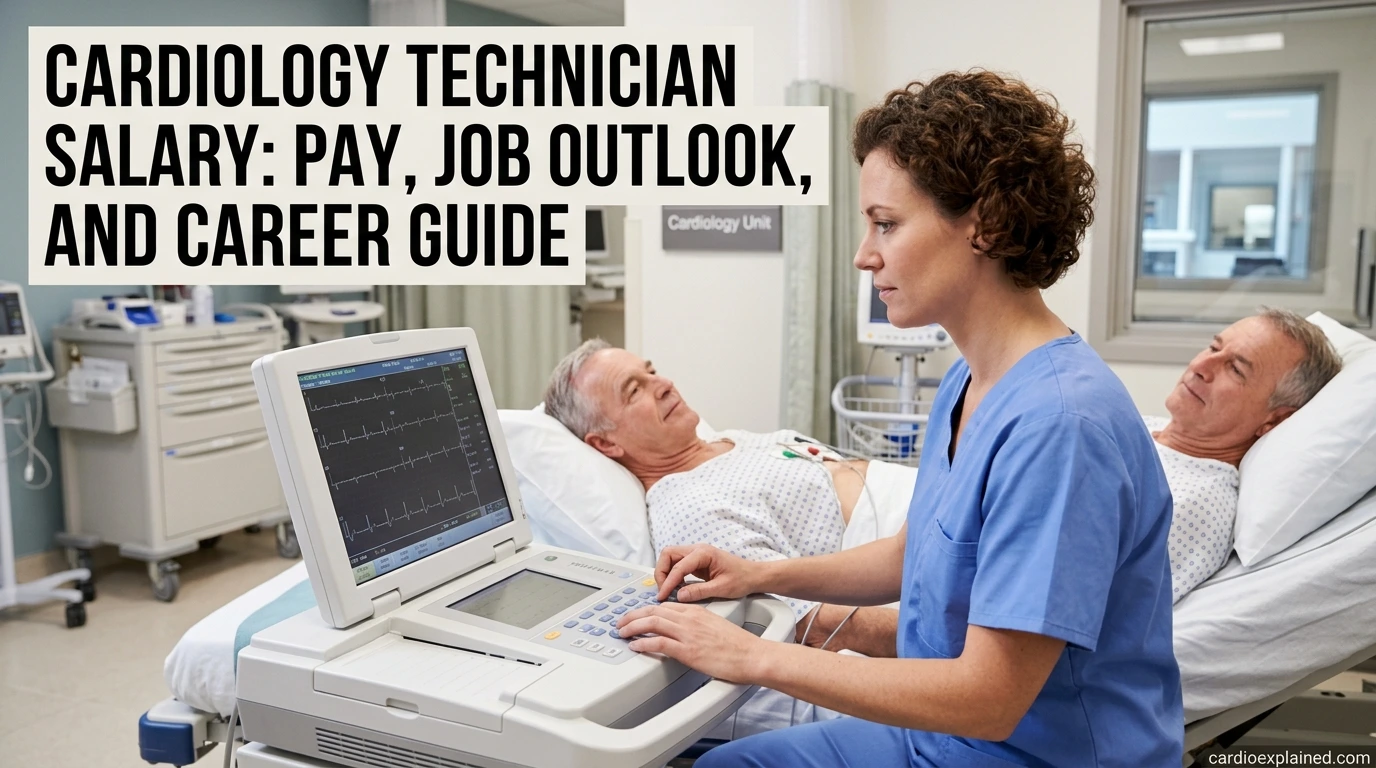

Cardiology technician salary in the United States often ranges from about $45,000 to $75,000 each year. Pay depends on your location, experience, employer, and skills. This career offers steady demand and a chance to help people with heart care every day.
Have you thought about working in health care without spending many years in school? Many people want a job with good pay and real purpose. The cardiology technician salary attracts students, career changers, and people who enjoy helping others. This role lets you work with patients who need heart testing and care. You can build new skills while making a difference each day. Some people start soon after training. Others grow into higher-paying roles over time. Knowing what affects pay helps you plan your future with more confidence.
❤️ What Is a Cardiology Technician?
A cardiology technician helps doctors care for people with heart problems.
These workers perform heart tests and prepare patients for exams. They also explain simple steps before testing. Their calm support often helps patients feel less worried.
Many technicians work in:
- 🩺 Hospitals
- 🩺 Heart clinics
- 🩺 Outpatient care centers
- 🩺 Medical offices
Common duties include:
- ❤️ Recording electrocardiograms, also called ECGs or EKGs
- ❤️ Helping with stress tests
- ❤️ Placing heart monitors on patients
- ❤️ Checking equipment before testing
- ❤️ Keeping patient records up to date
Many patients feel nervous before their first heart test. A kind technician can help them feel safe and informed.
💰 Cardiology Technician Salary in the United States
The cardiology technician salary depends on several factors. Your experience, workplace, and location all matter.
The table below shows common salary ranges.
| Experience Level | Average Yearly Salary | Average Hourly Pay |
| Entry level | $45,000–$52,000 | $22–$25 |
| Mid-career | $53,000–$65,000 | $26–$31 |
| Experienced | $66,000–$75,000+ | $32–$36+ |
These numbers are estimates. Actual pay may differ by employer and state.
Large hospitals often pay more than small clinics. Evening, weekend, or holiday shifts may also increase earnings.
States That Often Pay More
Some states offer higher wages because living costs are higher.
Examples include:
- ✅ California
- ✅ New York
- ✅ Massachusetts
- ✅ Washington
- ✅ Oregon
Higher pay does not always mean more savings. Living costs may also be much higher.
📋 What Changes Your Pay?
Several things affect how much you earn.
Experience
Most new technicians start with lower pay.
As you gain skills, employers often offer raises.
Education
Many employers accept certificate programs.
Some prefer an associate degree because it offers more training.
Certification
Professional certification may improve job options.
Many employers value workers who show extra knowledge.
Workplace
Hospitals often pay more than doctor’s offices.
Specialty heart centers may also offer better wages.
Schedule
Night shifts and weekends sometimes include extra pay.
Overtime may increase yearly earnings.
The cardiology technician salary can grow over time when you build experience and keep learning.
⏱️ Education and Training
You do not need medical school for this career.
Many people complete a certificate program in less than one year.
Others earn a two-year associate degree.
Training often covers:
- 📚 Heart anatomy
- 📚 Medical safety
- 📚 ECG testing
- 📚 Patient care
- 📚 Medical records
Students usually complete hands-on practice before graduation.
Some schools include clinical training. Students work with real patients under supervision.
🩺 Daily Work Life
Every day brings something different.
One patient may need a routine ECG. Another may need a stress test after chest pain.
A stress test checks how the heart works during exercise.
A technician may also help place a Holter monitor.
A Holter monitor records heart activity for one or two days while patients go home.
For example, an older adult may visit after feeling dizzy. The technician performs an ECG and helps the patient stay calm before the doctor reviews the results.
❤️ Skills That Help You Succeed

Good technicians do more than run machines.
Important skills include:
- ✅ Listening well
- ✅ Speaking kindly
- ✅ Staying organized
- ✅ Paying close attention
- ✅ Working well with a team
- ✅ Remaining calm during busy days
Patients often remember kindness as much as good care.
📈 Job Outlook
Heart disease remains a common health problem in the United States.
More adults need heart testing each year.
Because of this need, trained technicians may continue finding good job opportunities.
Groups such as the American Heart Association (AHA) and the American College of Cardiology (ACC) support heart care based on research and standard medical practices. Many clinics follow these trusted guidelines when caring for patients.
📋 Career Growth
Many technicians continue learning after they begin working.
Some become:
- 📈 Senior cardiology technicians
- 📈 Cardiac monitor technicians
- 📈 Echocardiography technicians
- 📈 Cardiovascular technologists
- 📈 Supervisors
Extra training may open doors to higher pay and more duties.
⚠️ Challenges and Rewards
Every job has good days and hard days.
You may spend many hours standing.
Some patients arrive scared because they worry about heart problems.
A caring technician can make those moments easier.
One young father may feel anxious before a stress test. Clear words and a friendly smile often help him relax.
Many workers say helping patients gives their work real meaning.
📋 Compare This Career With Similar Jobs
Some health careers look alike.
| Job | Main Focus | Typical Education |
| Cardiology Technician | Heart testing | Certificate or associate degree |
| Medical Assistant | General patient care | Certificate or diploma |
| Phlebotomist | Drawing blood | Certificate |
| Cardiovascular Technologist | Advanced heart imaging and tests | Associate degree or higher |
Each role serves patients in a different way.
Choose the path that matches your interests and goals.
❓ Frequently Asked Questions
Q: Does cardiology technician salary increase with experience?
A: Yes. Most technicians earn more after gaining experience. Extra skills, certification, and strong work performance may also raise pay.
Q: Do I need a college degree to become a cardiology technician?
A: Not always. Many employers accept certificate programs. Some employers prefer an associate degree.
Q: Is this a good career for someone who likes helping people?
A: Yes. You work closely with patients every day. Kindness and good communication matter.
Q: Do cardiology technicians work nights or weekends?
A: Sometimes. Hospitals often need staff around the clock. Clinics usually have more regular daytime hours.
Q: Can I become a cardiology technician without health care experience?
A: Yes. Many people start after finishing an approved training program. Clinical practice helps build confidence.
Q: Is the cardiology technician salary enough to support a family?
A: It may be, depending on your location and lifestyle. Many workers increase their income through experience, certifications, or moving into higher-paying settings.
Final Thoughts
The cardiology technician salary makes this career appealing for many people. Good training, experience, and strong people skills can increase your earning potential. You also gain the chance to support patients during important heart tests. If you enjoy science, teamwork, and helping others, this career may fit you well. Talk with a career advisor if you want to learn about training programs. If you have heart concerns, talk to a licensed cardiologist for personal medical advice.