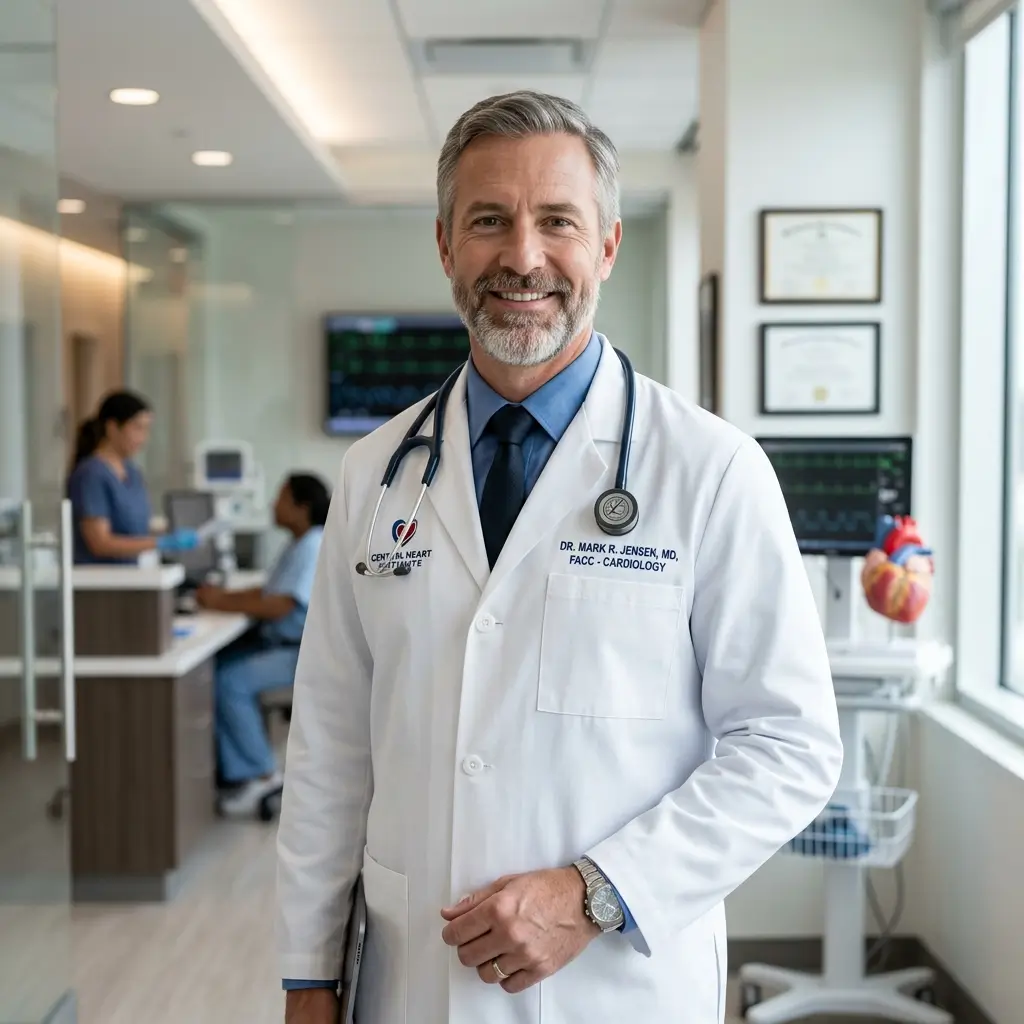
Structural cardiology jobs focus on caring for people with heart valve problems and other heart structure conditions. These roles support advanced heart procedures, patient care, and new treatment options. Many careers in this field offer strong job growth, good pay, and the chance to make a real difference.
Have you ever wondered who helps patients before, during, and after a heart procedure? Many people know about heart doctors. Fewer know about the full team behind each success. Structural cardiology jobs include many roles that support patients with heart valve disease and other heart conditions. These careers fit people with different skills and education levels. Some jobs involve direct patient care. Others focus on imaging, research, or medical devices. If you enjoy helping others and like healthcare, this field may be a great fit. You can also expect a growing need for trained workers as more people receive modern heart treatments.
❤️ What Are Structural Cardiology Jobs?
Structural cardiology jobs include careers that care for people with problems inside the heart. These problems often involve heart valves, small holes in the heart, or other heart structures.
Structural cardiology is a special part of heart care. It focuses on treating these problems without large open-heart surgery in many cases.
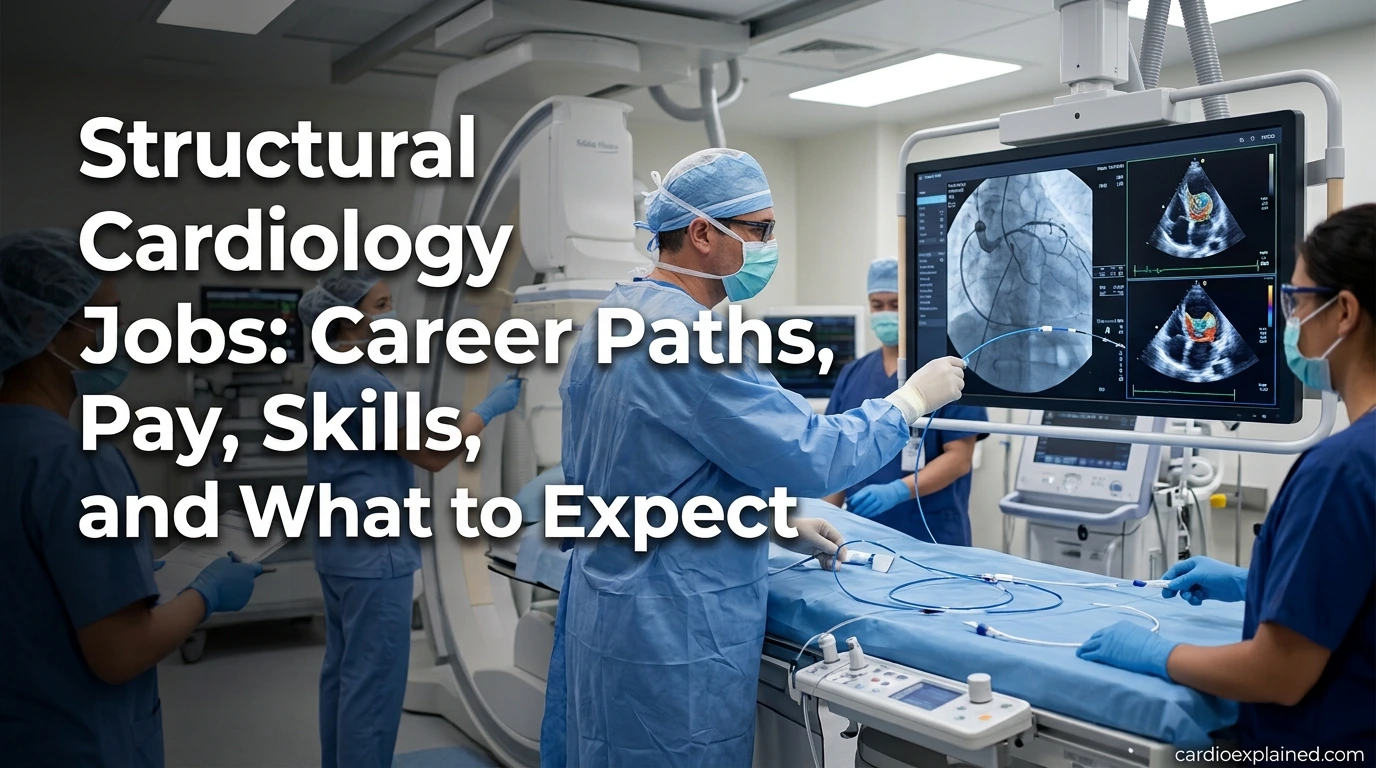
People in this field work together every day. A care team may include:
- 🩺 Structural cardiologists
- 🩺 Cardiac surgeons
- 🩺 Nurse practitioners
- 🩺 Registered nurses
- 🩺 Physician assistants
- 🩺 Sonographers who perform heart ultrasound tests
- 🩺 Cath lab technicians
- 🩺 Radiologic technologists
- 🩺 Medical device specialists
- 🩺 Clinical coordinators
Many hospitals now have special structural heart programs. These programs care for patients from the first visit through recovery.
What Conditions Do These Teams Treat?
Common conditions include:
- Heart valve disease
- Atrial septal defect, a hole between upper heart chambers
- Patent foramen ovale, a small opening that stays after birth
- Mitral valve disease
- Tricuspid valve disease
Many patients receive minimally invasive procedures. These treatments use small tubes instead of large chest cuts.
🩺 Why This Career Field Keeps Growing
Heart disease remains common across the United States.
People also live longer today. Older adults often develop valve disease that needs treatment.
New technology also creates more job openings.
Doctors now perform procedures like:
| Procedure | What It Treats | Common Care Team |
| TAVR | Aortic valve disease | Cardiologist, nurses, technicians |
| MitraClip | Mitral valve leak | Structural heart team |
| PFO closure | Small heart opening | Cardiologist and cath lab staff |
| ASD closure | Hole in the heart | Structural heart specialists |
TAVR means transcatheter aortic valve replacement. Doctors place a new valve through a blood vessel.
The American Heart Association (AHA) and the American College of Cardiology (ACC) support careful testing and team-based care for many structural heart conditions.
📋 Common Career Options
Many structural cardiology jobs do not require becoming a doctor.
Structural Cardiologist
These doctors complete many years of training.
They diagnose heart structure problems and perform advanced procedures.
Nurse Practitioner
Nurse practitioners examine patients and explain treatments.
They also manage follow-up visits.
Registered Nurse
Heart nurses prepare patients before procedures.
They also monitor recovery and answer questions.
Physician Assistant
Physician assistants work closely with heart doctors.
They examine patients and help with treatment plans.
Cardiac Sonographer
These specialists perform echocardiograms.
An echocardiogram is a heart ultrasound that shows heart movement.
Cath Lab Technologist
These workers prepare equipment during heart procedures.
They also support doctors throughout treatment.
Medical Device Specialist
Some companies hire specialists to teach hospital teams about new devices.
They may travel between hospitals.
⏱️ Education and Training
Each career follows a different path.
Here is a simple guide.
| Career | Typical Education | Extra Training |
| Registered Nurse | Nursing degree | Heart care experience |
| Nurse Practitioner | Master’s or doctoral degree | Cardiology training |
| Physician Assistant | Master’s degree | Cardiology experience |
| Sonographer | Accredited imaging program | Heart imaging certification |
| Cath Lab Technologist | Technical program | Cath lab training |
| Structural Cardiologist | Medical school and fellowship | Structural heart fellowship |
Many employers also offer on-the-job training.
Learning never stops in this field.
New procedures appear every year.
✅ Skills That Help You Succeed
Technical skills matter.
People skills matter just as much.
Helpful skills include:
- ✅ Clear communication
- ✅ Teamwork
- ✅ Calm decision-making
- ✅ Attention to detail
- ✅ Problem solving
- ✅ Compassion
- ✅ Time management
Patients often feel worried before heart procedures.
A calm healthcare worker can make a big difference.
Real Patient Example
Many patients feel nervous before their first valve procedure.
A nurse may explain each step using simple words.
That conversation often helps reduce fear.
❤️ Where People Work

Most workers stay in hospitals.
Others work in different settings.
These include:
- 🩺 Academic medical centers
- 🩺 Community hospitals
- 🩺 Outpatient heart clinics
- 🩺 Research centers
- 🩺 Medical device companies
Large cities often offer more openings.
Smaller communities also need skilled workers.
📋 Salary and Job Outlook
Pay depends on education, location, and experience.
Here are general salary ranges.
| Career | Typical Annual Pay | Job Outlook |
| Registered Nurse | $75,000–$110,000 | Strong |
| Nurse Practitioner | $120,000–$160,000 | Very strong |
| Physician Assistant | $120,000–$165,000 | Very strong |
| Cardiac Sonographer | $75,000–$110,000 | Strong |
| Cath Lab Technologist | $70,000–$105,000 | Strong |
| Structural Cardiologist | Much higher after specialty training | Strong |
Actual pay varies by employer and region.
The U.S. Bureau of Labor Statistics reports continued growth for many healthcare careers.
🩺 A Day in the Life
No two days look the same.
A typical day may include:
- 📋 Reviewing patient records
- 📋 Meeting patients
- 📋 Performing heart imaging
- 📋 Helping during procedures
- 📋 Teaching patients about recovery
- 📋 Working with other specialists
Teamwork stays important from morning through evening.
Real-World Example
An older adult may arrive with severe valve disease.
Several specialists review test results together.
They choose the safest treatment plan as one team.
❤️ Challenges and Rewards
Every healthcare career has hard days.
Some patients have complex health problems.
Emergency cases may happen without warning.
Still, many workers find deep meaning in their jobs.
They often see patients return home with better heart function.
Watching someone walk without shortness of breath can feel rewarding.
📋 How Students Can Prepare
Students can start early.
Simple steps include:
- ✅ Take science classes
- ✅ Volunteer at hospitals
- ✅ Shadow healthcare workers
- ✅ Join healthcare clubs
- ✅ Learn about heart health
- ✅ Build communication skills
Many colleges also offer healthcare internships.
These experiences build confidence.
🩺 Tips for Finding Structural Cardiology Jobs
Finding structural cardiology jobs takes planning.
Start by building strong clinical experience.
Then:
- ✅ Create a clear resume
- ✅ Earn helpful certifications
- ✅ Attend healthcare career events
- ✅ Apply at major heart centers
- ✅ Build professional connections
- ✅ Keep learning new skills
Many employers value teamwork as much as technical knowledge.
❓ Frequently Asked Questions
❓ Q: Do structural cardiology jobs require medical school?
A: No. Many structural cardiology jobs do not require medical school. Nurses, sonographers, technicians, and physician assistants all play important roles.
❓ Q: Is structural cardiology a good career choice?
A: Yes. Many people enjoy the teamwork, steady demand, and chance to help patients. Career growth also remains strong.
❓ Q: Which job pays the most in this field?
A: Structural cardiologists usually earn the highest salaries. They also complete the longest education and training.
❓ Q: Can new graduates enter this specialty?
A: Yes. Many hospitals hire new graduates for entry-level roles. Extra training often happens after hiring.
❓ Q: What skills matter most?
A: Good communication, teamwork, and careful attention help every day. Technical skills grow through practice and training.
❓ Q: Do people work nights or weekends?
A: Sometimes. Hospitals provide care every day. Some roles include evening, weekend, or on-call shifts.
Final Thoughts
Structural cardiology jobs offer many paths for people who want meaningful healthcare careers. Some roles require advanced medical training. Others begin after shorter education programs. Every team member helps patients receive safe, high-quality heart care. Many workers enjoy strong job growth, steady learning, and rewarding patient relationships. If this field interests you, explore education options and speak with healthcare professionals. If you have heart concerns, talk with a licensed cardiologist about your care. Medical information should support, not replace, personal medical advice.