
ETT cardiology is a heart test that checks how your heart works during exercise. It helps doctors find signs of heart strain, changes in heart rhythm, or possible blood flow problems. Doctors use it to learn more about your heart health and guide next steps.
Have you ever felt worried before a heart test? Many people feel unsure when their doctor orders a new exam. An ETT cardiology test may sound complex, but it is a common heart check.
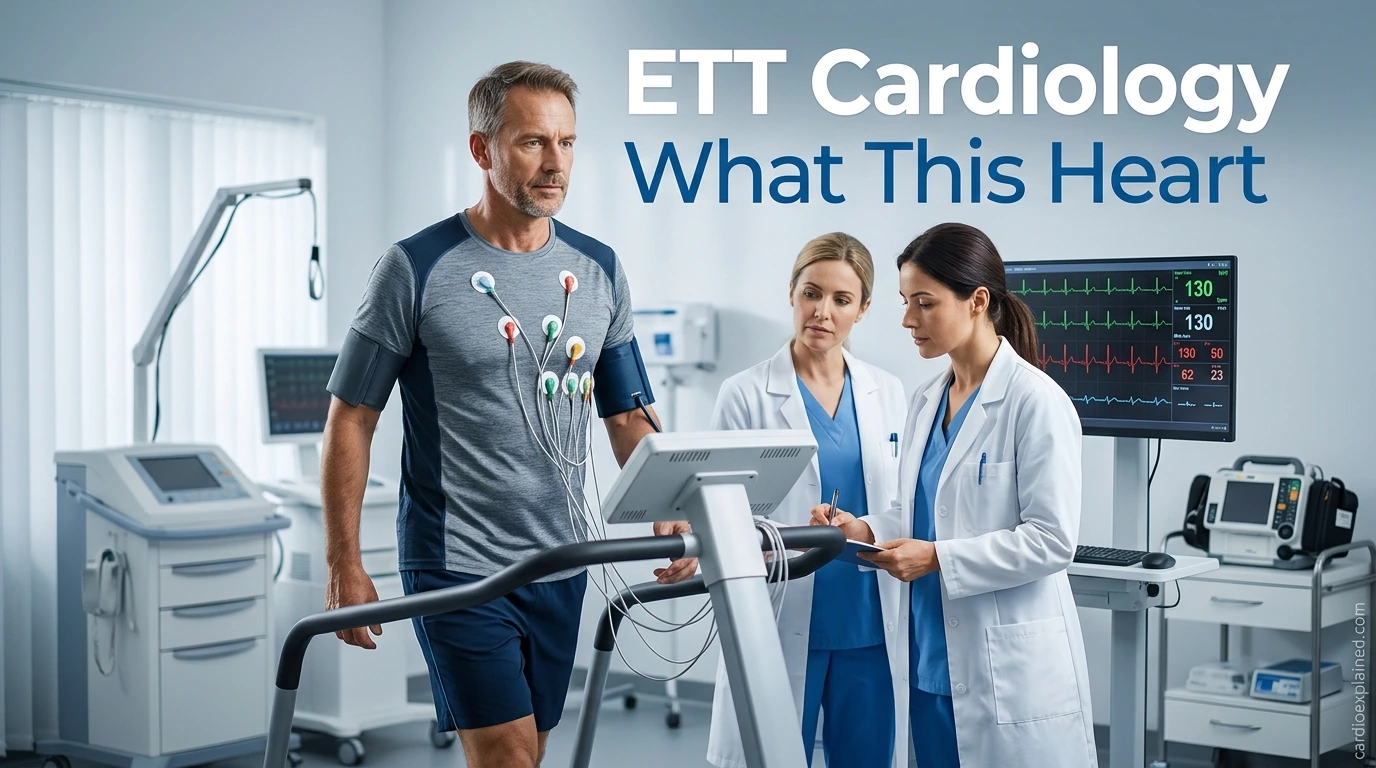
This test looks at how your heart responds while you walk on a treadmill. Your care team watches your heart rate, blood pressure, and heart signals. The goal is to learn how your heart handles physical stress.
You will learn what this test does, why doctors order it, and what happens during the visit. You will also learn about preparation, results, safety, and when to ask for help. Understanding the process can make your appointment feel less stressful.
What Is ETT Cardiology? 🩺
ETT cardiology means exercise treadmill test in heart care. It is also called a stress test or exercise stress test. Doctors use this test to see how your heart performs when your body needs more oxygen.
During the test, you walk on a treadmill while the speed and incline slowly increase. Small sticky patches called electrodes sit on your chest. These patches record your heart’s electrical activity.
Your heart sends electrical signals that control each beat. The test records these signals through an electrocardiogram, also called an ECG. An ECG is a simple test that shows the timing and pattern of your heartbeat.
The test can help doctors look for signs of coronary artery disease. This condition happens when blood vessels that feed the heart become narrow. Narrow vessels may limit blood flow during activity.
Why Do Doctors Order This Test?
Doctors may suggest an exercise treadmill test for many reasons. They may want to check chest discomfort, shortness of breath, or unusual tiredness during activity.
A doctor may also use the test to:
- Check heart function before certain exercise programs
- Look at possible rhythm changes during activity
- Learn how well treatment is working
- Understand your risk for future heart problems
Many patients feel nervous before their first test. A 55-year-old patient named Mark worried about walking on a treadmill with heart monitors. His care team explained each step, which helped him feel more comfortable.
The test does not create heart problems in most people. A trained medical team watches you during the visit. They can stop the test if you have symptoms or need a break.
Causes, Risk Factors, and How Heart Problems Develop
Heart problems can happen for many reasons. Some risks come from daily habits, while others come from age or family history. An ETT cardiology test does not show every heart issue, but it can give doctors helpful information.
Common Risk Factors for Heart Disease
Heart disease risk may increase with:
- High blood pressure
- High cholesterol levels
- Diabetes
- Smoking
- Limited physical activity
- Family history of heart disease
- Older age
High blood pressure means blood pushes too hard against artery walls. High cholesterol means your blood may contain extra fatty material. Over time, these issues can affect blood vessels.
Your heart needs a steady supply of oxygen-rich blood. When blood vessels become narrow, your heart may work harder during exercise. This change may cause symptoms that doctors want to understand.
How Exercise Brings Out Heart Changes
Resting heart tests do not always show problems. Some heart changes appear only when your heart works harder. Exercise increases your heart rate and oxygen needs.
For example, a patient named Lisa had no symptoms while sitting at home. She noticed chest pressure during walks with friends. Her doctor ordered testing to learn more about her symptoms.
The test helped her care team understand how her heart reacted during activity. Her doctor then discussed other steps based on her results and health history.
Doctors follow guidance from groups like the American Heart Association (AHA) and the American College of Cardiology (ACC). These groups provide advice on heart testing and care.
Symptoms and Signs Doctors May Watch For ⚠️
People may have different signs of heart problems. Some people notice clear symptoms, while others notice small changes. An ETT cardiology visit often starts because a person reports a concern.
Common symptoms that may lead to testing include:
- Chest pressure or discomfort
- Shortness of breath during activity
- Feeling unusually tired
- Dizziness during exercise
- A racing or uneven heartbeat
Chest discomfort does not always mean a heart problem. Many conditions can cause similar feelings. A doctor reviews your full health history before making decisions.
What Happens During Symptoms?
When your heart needs more oxygen, it may show signs of stress. A narrowed artery may not deliver enough blood during exercise. This may cause discomfort or changes on the ECG.
Some people have no symptoms during testing. Doctors still review the heart signals, blood pressure changes, and exercise level. The results add information to the overall health picture.
A 62-year-old patient named Susan felt worried because her family had a history of heart disease. Her test helped her doctor understand her exercise response. The visit also gave her a chance to discuss healthy habits.
Symptoms That Need Fast Medical Help
Some symptoms should not wait for a routine appointment. Seek urgent medical care for sudden or severe chest pain, severe breathing trouble, or fainting.
If you have new heart symptoms, contact a healthcare professional. Quick attention can help find the right cause and care plan.
How Doctors Perform ETT Cardiology Testing and Check Results 📋
Before the test begins, your healthcare team reviews your health history. They ask about medicines, symptoms, and past heart concerns. They may explain how to prepare for the appointment.
The test usually happens in a medical office, clinic, or hospital. A trained professional stays with you during the process.
Steps During the Test
The process often includes:
- A nurse places ECG patches on your chest.
- The team checks your resting heart rate and blood pressure.
- You walk on a treadmill at a slow pace.
- The team slowly increases the exercise level.
- The team stops the test when needed.
During the test, your care team watches for changes. They check your heart rhythm, blood pressure, and symptoms.
Test Results and Meaning
Doctors review several parts of the test. They look at your exercise level, heart signals, and symptoms. A result may be normal or may suggest the need for more testing.
A table can help explain common heart tests:
| Test | Main Purpose | What It Checks |
| ECG | Records heart signals | Heart rhythm and timing |
| ETT cardiology test | Checks heart response during exercise | Heart changes under stress |
| Echocardiogram | Creates heart images | Heart structure and movement |
A test result alone does not tell the whole story. Doctors combine results with your symptoms, health history, and other findings.
Some people may need more tests after an exercise test. This depends on the results and the doctor’s concerns.
Treatment Options and Heart Health Management
An ETT cardiology test does not treat heart disease. It gives doctors information that may guide care. Treatment depends on your personal health needs.
Medicines and Medical Care
Doctors may recommend medicines for conditions linked to heart health. These medicines may help control blood pressure, cholesterol, or other concerns.
Your doctor may also discuss:
- Heart-healthy eating plans
- Safe exercise goals
- Weight management
- Stress support
- Follow-up visits
A patient named David learned that his test results helped his doctor create a better care plan. His doctor focused on small changes that matched his lifestyle.
Other Tests or Procedures
Sometimes doctors need more information. They may order imaging tests or other heart checks. The choice depends on symptoms and risk factors.
Your care team will explain why they suggest each step. Ask questions if you do not understand a test or treatment.
Prevention and Lifestyle Tips for a Healthier Heart ✅

You can support heart health with daily choices. Small steps can make a difference over time. A healthy routine may lower some heart disease risks.
Helpful Daily Habits
Try these heart-friendly habits:
- Move your body regularly with safe activities
- Eat more fruits, vegetables, and whole grains
- Limit foods high in salt and unhealthy fats
- Avoid smoking and tobacco products
- Get enough sleep each night
- Keep regular health appointments
Always ask your doctor before starting a new exercise plan. Your safe activity level depends on your health and fitness.
Building Long-Term Heart Habits
Heart care works best when it fits your life. A person who enjoys walking may start with short walks. Another person may choose swimming or another gentle activity.
Many patients find that simple goals feel easier to follow. Tracking blood pressure, taking medicines as directed, and attending visits can support better health.
When to See a Doctor About Heart Concerns
You should talk with a doctor if you notice new heart-related symptoms. Do not ignore changes that worry you. A medical visit can help you understand what may be happening.
Reasons to Schedule a Visit
Consider contacting a healthcare professional if you have:
- New chest discomfort during activity
- New shortness of breath
- Frequent dizziness
- Changes in your usual exercise ability
- Concerns about family heart history
Your doctor may ask questions and perform basic checks first. They may then decide if tests like an exercise treadmill test are helpful.
Emergency Warning Signs
Call emergency services for severe symptoms that appear suddenly. These may include intense chest discomfort, trouble breathing, or fainting.
It helps to know your normal health patterns. If something feels different, seek medical advice.
Frequently Asked Questions
Q: Is ETT cardiology the same as a stress test?
A: Yes, ETT cardiology is a type of exercise stress test. It checks how your heart responds during physical activity. Doctors use it along with your health history and symptoms.
Q: How long does an exercise treadmill test take?
A: The walking part often lasts several minutes. The full visit may take longer because staff prepare you and review information. Your care team can explain the timing before the test.
Q: Can I eat before an ETT cardiology test?
A: Your doctor will give you specific instructions. Many people receive advice about meals, caffeine, and medicines before testing. Follow the instructions from your healthcare team.
Q: Is an exercise stress test painful?
A: No, the test should not be painful for most people. You may feel tired because you are exercising. Tell the team if you feel discomfort or unusual symptoms.
Q: What does a normal stress test mean?
A: A normal result can be reassuring. It may show that your heart handled the exercise well during the test. Your doctor will explain what the result means for your health.
Q: Who should avoid an exercise stress test?
A: Some people may need another type of heart test. Your doctor will decide what test fits your situation. They consider your symptoms, health history, and safety.
Q: Can an ETT cardiology test find every heart problem?
A: No, it cannot find every heart condition. The test gives useful information about your heart during exercise. Doctors may use other exams when needed.
Conclusion ❤️
ETT cardiology helps doctors understand how your heart works during exercise. The test can show changes that may not appear when you rest. It is one tool doctors use when checking heart health.
A treadmill test is usually simple and closely watched by trained staff. Your doctor will explain your results and discuss the next steps.
If you have heart concerns, talk to a cardiologist. Getting answers can help you make informed choices about your health.
Medically reviewed for accuracy. Always consult a licensed cardiologist for personal advice.