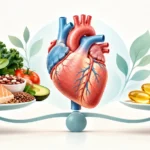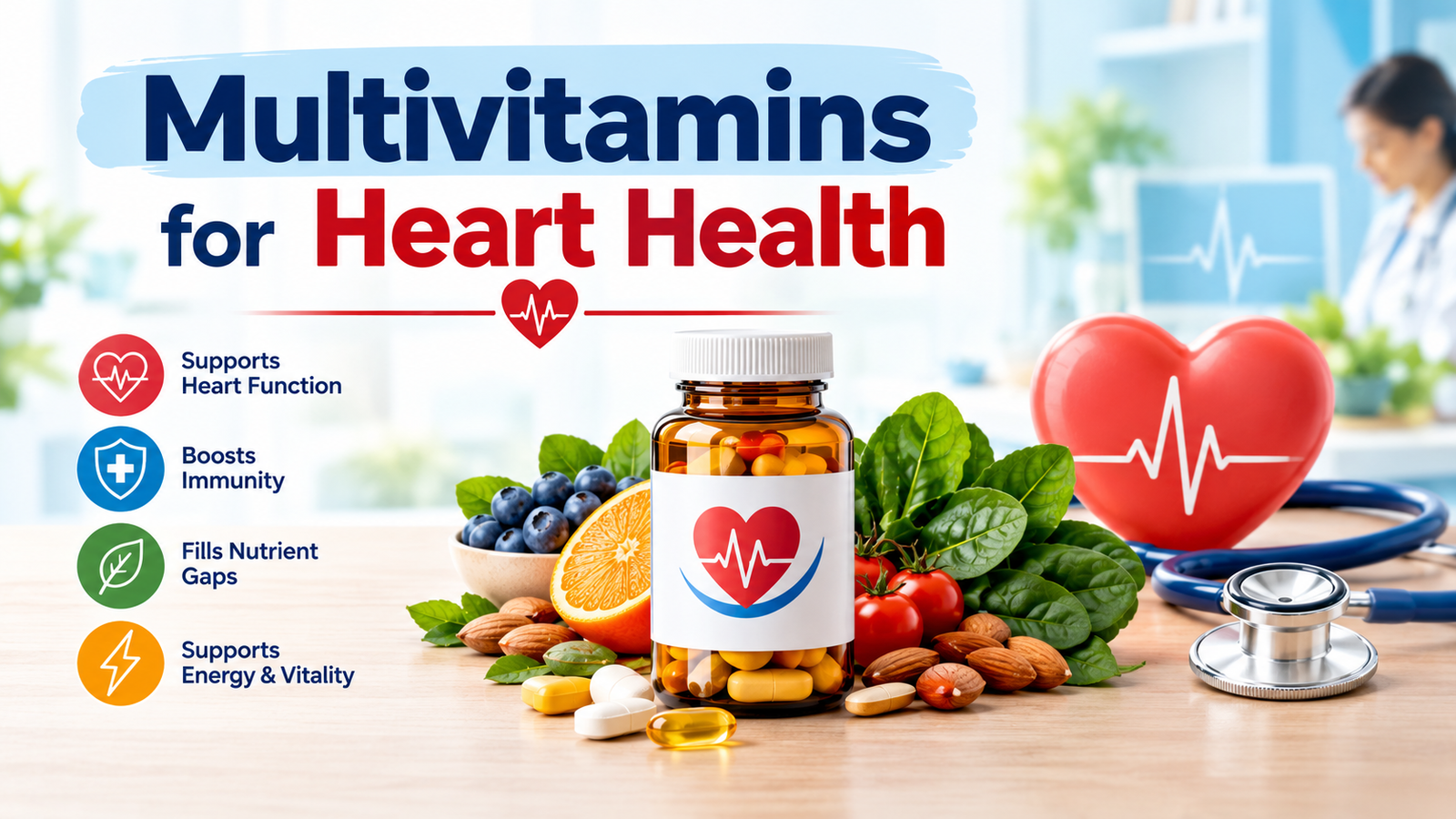
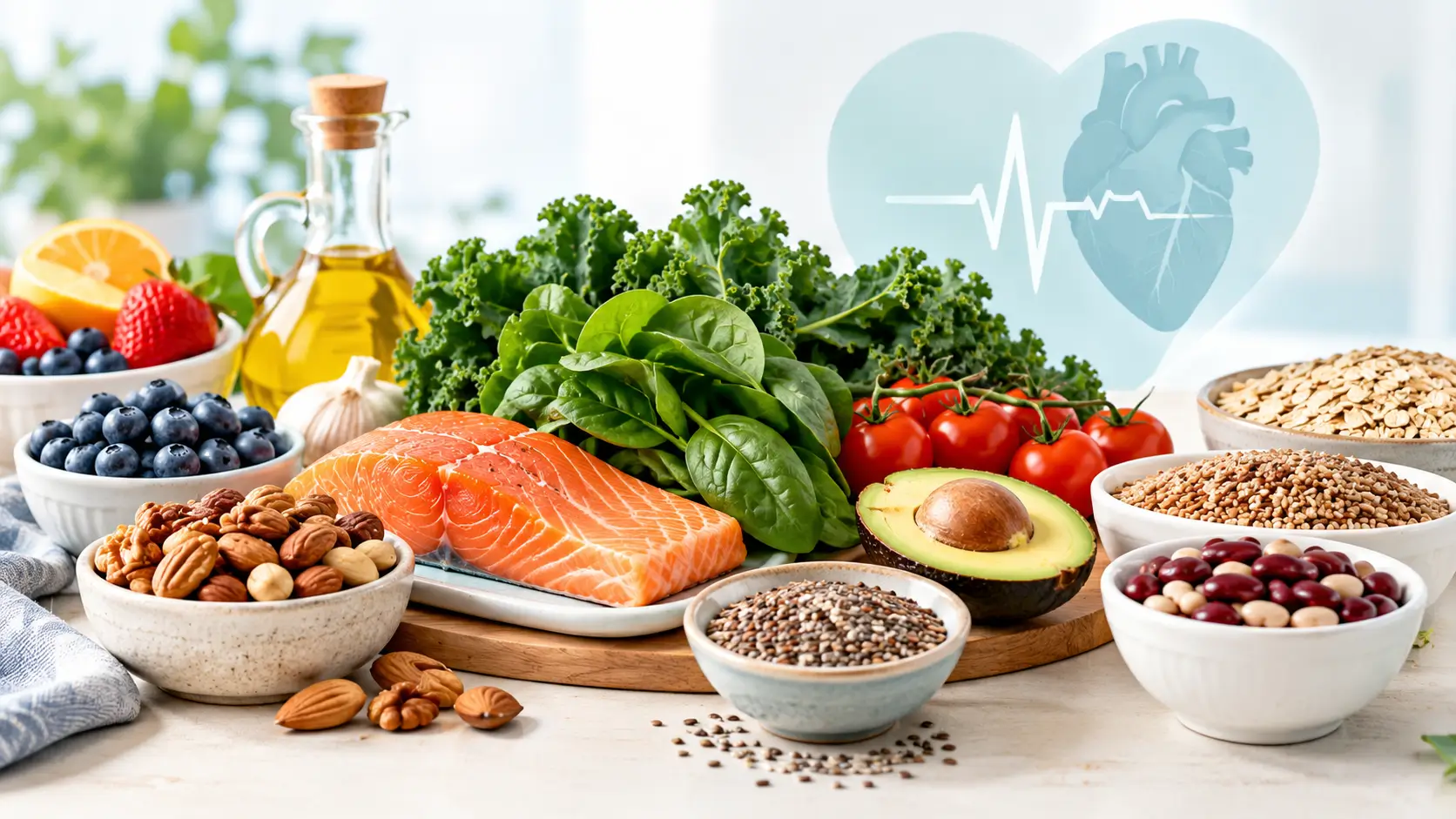

The best food for heart health is a pattern, not one superfood. Fill your plate with vegetables, fruit, whole grains, beans, nuts, and fish, cook with olive or other plant oils, and limit sodium, added sugar, processed meat, and saturated fat. This pattern can help lower blood pressure and LDL cholesterol.
People often ask which single food is best for the heart. Blueberries, oats, salmon, and olive oil all get the credit. Each has a place. But no one food protects your arteries on its own, and a good food eaten alongside a poor diet will not make up for it.
What you eat day after day matters more. Eating patterns rich in plant foods and low in salt, added sugar, and processed meat are linked with lower blood pressure, better cholesterol, and fewer heart attacks and strokes.
This article explains which foods for heart health have the best support and why. It also covers which foods to limit, with easy swaps, and how to build a simple day of eating. It notes cautions for people with kidney disease or those who take blood thinners, and says when to talk to a doctor.
Why the Whole Eating Pattern Matters Most
Food affects the heart through blood pressure, cholesterol, blood sugar, body weight, and inflammation. A single food rarely moves these much. A whole pattern can.
The American Heart Association’s dietary guidance stresses a pattern with these features:
- Plenty of vegetables and fruit
- Whole grains instead of refined grains
- Healthy protein sources, such as legumes, nuts, fish, and skinless poultry
- Liquid plant oils, such as olive oil, instead of butter and tropical oils
- Minimal added sugar, salt, and ultra-processed foods
Two well-studied examples of this pattern are the DASH diet, designed to lower blood pressure, and the Mediterranean diet, which emphasizes vegetables, legumes, fish, nuts, and olive oil.
Both are rich in plants and low in processed foods. Research suggests these patterns are linked with better blood pressure and lower heart disease risk, though most of the evidence on long-term events comes from studies that cannot prove cause alone.
No food is simply “good” or “bad.” Portion size, preparation, and what it replaces all matter. Swapping fries for a baked potato helps. Adding walnuts on top of a diet full of processed snacks helps much less.
Foods That Support Heart Health
Vegetables and fruit
They supply fiber, potassium, and plant compounds, with few calories. Potassium helps balance sodium and supports healthy blood pressure. Aim for a variety of colors, and choose whole fruit over juice. Fresh, frozen, and canned (with no added salt or sugar) all count.
Whole grains
Oats, barley, brown rice, whole wheat, and quinoa keep the bran and germ. Their fiber, especially soluble fiber from oats and barley, can help lower LDL cholesterol. Look for “whole” as the first ingredient.
Beans, lentils, and other legumes
They provide protein and fiber with little saturated fat. Swapping some red or processed meat for legumes is a simple way to improve a meal.
Nuts and seeds
Unsalted nuts such as walnuts, almonds, and pistachios provide unsaturated fat and fiber. Studies link regular small portions, such as a small handful, with better heart outcomes. They are calorie-dense, so portion size matters.
Fish, especially fatty fish
Salmon, sardines, trout, and herring are rich in omega-3 fats. The American Heart Association suggests eating fish, especially fatty fish, at least twice a week. Bake, broil, or grill instead of frying.
Healthy oils
Olive, canola, and other liquid plant oils contain mostly unsaturated fat. Using them in place of butter or tropical oils such as coconut and palm can help lower LDL cholesterol. They still have calories, so measure.
Dairy and other proteins
Low-fat or fat-free dairy and unsweetened yogurt or fortified soy options are reasonable choices for many people. Skinless poultry and eggs can fit too, in the context of the whole diet. Evidence on eggs and full-fat dairy is mixed, so ask your doctor if you have high cholesterol.
Quick comparison
| Food group | Examples | Why it helps | Watch for |
| Vegetables and fruit | Leafy greens, berries, citrus, peppers | Fiber, potassium, low calories | Juice and sweetened canned fruit |
| Whole grains | Oats, barley, brown rice | Soluble fiber may lower LDL | “Multigrain” is not always whole grain |
| Legumes | Lentils, chickpeas, black beans | Protein and fiber, low saturated fat | Added salt in canned beans (rinse them) |
| Nuts and seeds | Walnuts, almonds, flaxseed | Unsaturated fats and fiber | Salted or candied versions; portion size |
| Fish | Salmon, sardines, trout | Omega-3 fats | Frying; some fish have mercury (see guidance for pregnancy) |
| Plant oils | Olive, canola | Replace saturated fat | Calories add up |
| Low-fat dairy | Plain yogurt, milk | Protein, calcium | Added sugar in flavored yogurt |
Foods and Ingredients to Limit
- Sodium (salt). Too much raises blood pressure in many people. Most of it comes from packaged, restaurant, and processed foods, not the salt shaker. The American Heart Association advises less than 2,300 milligrams a day, with an ideal of 1,500 milligrams for most adults.
- Added sugar. Sugary drinks, sweets, and many cereals add calories without nutrients and are linked with weight gain and higher triglycerides.
- Saturated fat. Found in fatty meat, butter, cheese, and tropical oils. Replacing it with unsaturated fat can lower LDL cholesterol.
- Processed meat. Bacon, sausage, and deli meats are high in sodium and linked with higher heart disease risk.
- Refined grains and ultra-processed foods. White bread, pastries, and many snack foods have little fiber and often lots of salt, sugar, or fat.
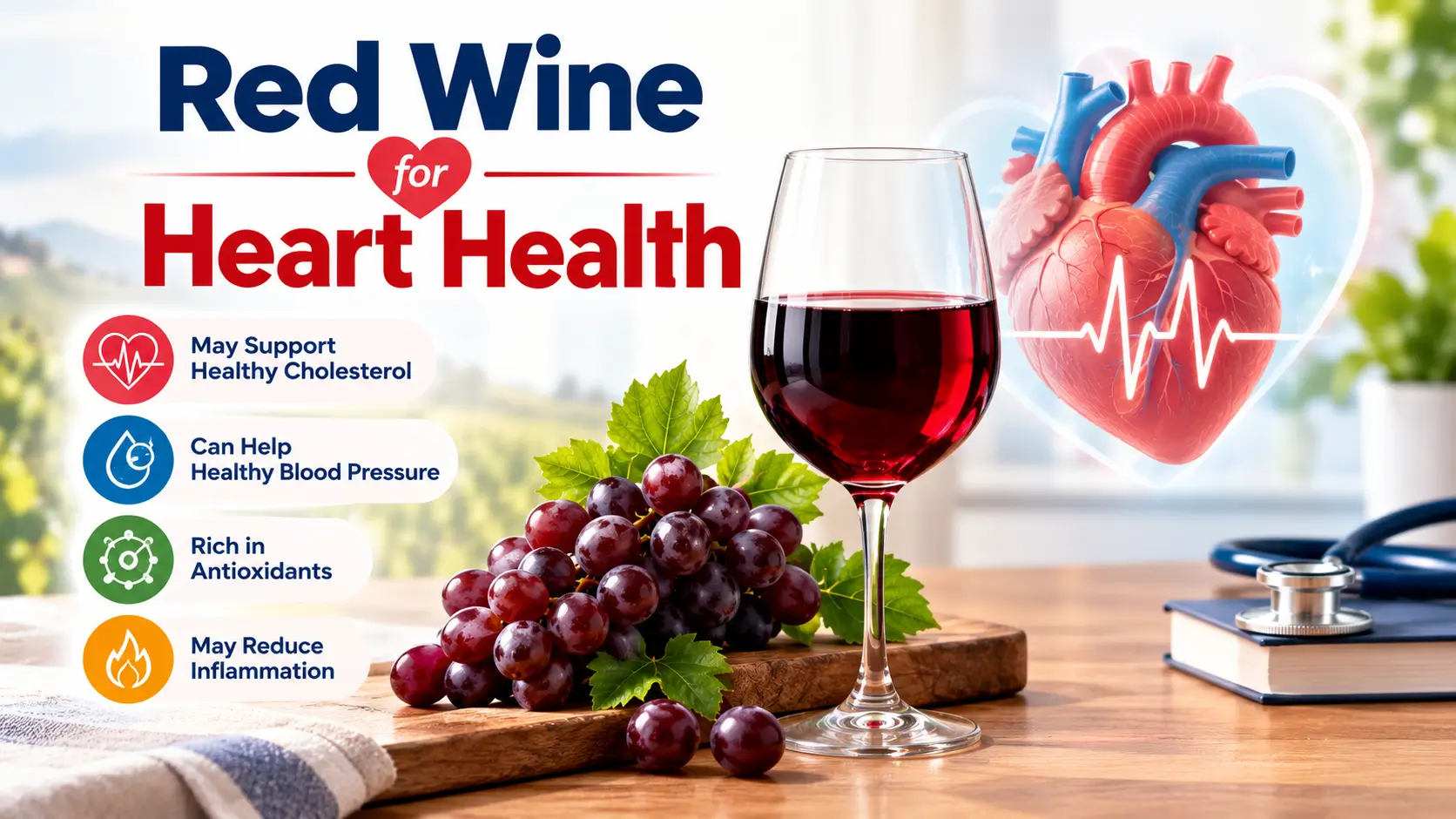
- Alcohol. Do not start drinking for heart benefits. Alcohol can raise blood pressure and carries other health risks. If you drink, keep it limited, and ask your doctor what is safe for you.
Easy swaps
| Instead of | Try | Why |
| Sugary soda or juice drinks | Water, sparkling water, unsweetened tea | Cuts added sugar |
| Bacon or deli meat | Beans, fish, or skinless poultry | Less sodium and saturated fat |
| Butter for cooking | Olive or canola oil | Swaps saturated for unsaturated fat |
| White bread or white rice | Whole-grain bread or brown rice | More fiber |
| Salty snacks | Unsalted nuts or fruit | Less sodium, more nutrients |
| Canned soup or beans | Low-sodium versions, or rinse beans | Cuts sodium |
| Creamy sauces | Tomato or herb-based sauces | Less saturated fat |
Read the Nutrition Facts label. Compare sodium per serving, and check “added sugars” and “saturated fat.”
Putting It Together
A sample day
This is an example of a heart-healthy pattern, not a personal diet plan.
| Meal | Example |
| Breakfast | Oatmeal made with milk or soy milk, topped with berries and a few walnuts |
| Lunch | Lentil soup (low sodium), whole-grain bread, and a side salad with olive oil and lemon |
| Snack | An apple with unsalted almonds, or plain yogurt with fruit |
| Dinner | Baked salmon, brown rice, and roasted vegetables |
| Drinks | Water, unsweetened tea, or coffee without added sugar |
Simple ways to start
- Change one meal at a time, not everything at once.
- Fill half your plate with vegetables and fruit.
- Cook more at home, where you control salt and fat.
- Keep frozen vegetables and canned beans (low sodium) on hand.
- Flavor food with herbs, spices, garlic, citrus, and vinegar instead of salt.
Cautions for some people
- Kidney disease or certain blood pressure medicines. Potassium-rich foods and salt substitutes made with potassium can be unsafe for people with advanced kidney disease or those who take medicines such as ACE inhibitors, ARBs, or potassium-sparing diuretics. Ask your doctor before increasing potassium.
- Blood thinners such as warfarin. Vitamin K in leafy greens affects how warfarin works. Keep your intake steady and tell your care team about big diet changes.
- Food allergies. Nuts, fish, and soy are common allergens. Pick safe substitutes.
- Pregnancy. Some fish are high in mercury. Ask your doctor which fish are safe for you.
- Diabetes or weight concerns. Portion size and carbohydrate type matter. A dietitian can tailor a plan.
Diet supports treatment but does not replace it. Do not stop prescribed blood pressure, cholesterol, or diabetes medicines because you changed how you eat.
When to Talk to a Doctor or Dietitian
Ask your provider or a registered dietitian for personal advice if you have heart disease, high blood pressure, high cholesterol, diabetes, kidney disease, or a family history of early heart disease. They can check your numbers and help build a plan you can keep.
Get emergency help right away for chest pain or pressure, severe shortness of breath, fainting, or stroke signs such as face drooping, arm weakness, or trouble speaking. Call your local emergency number. Do not wait to see if food or rest helps.
Frequently Asked Questions
What is the number one food for heart health?
There is no single top food. The strongest evidence supports a whole pattern: vegetables, fruit, whole grains, legumes, nuts, fish, and plant oils, with less salt, added sugar, and processed meat. Swapping a food that harms for one that helps usually matters more than adding a “superfood.”
What foods are good for lowering cholesterol?
Oats, barley, beans, lentils, fruit, and vegetables provide soluble fiber that may lower LDL cholesterol. Nuts and olive oil can replace saturated fats. Limiting fatty meat, butter, and full-fat cheese also helps. If your LDL stays high, your doctor may suggest medicine as well.
What foods help lower blood pressure?
Potassium-rich foods such as vegetables, fruit, and beans can help, along with cutting sodium. The DASH eating pattern was designed for this. People with kidney disease or certain blood pressure medicines should ask a doctor before raising potassium.
Are eggs bad for the heart?
Evidence is mixed. For many healthy people, moderate egg intake fits a heart-healthy diet, especially in place of processed meat. People with high cholesterol, diabetes, or heart disease should ask their doctor how many are right for them.
Is olive oil good for your heart?
Olive oil is mostly unsaturated fat. Using it in place of butter or tropical oils can help lower LDL cholesterol, and it is a staple of the Mediterranean diet. It is still high in calories, so use it in measured amounts.
Is coffee or tea good for the heart?
For most people, moderate plain coffee or tea fits a heart-healthy diet. Sweeteners, syrups, and cream add sugar and saturated fat. Caffeine can affect people with certain heart rhythm problems or high blood pressure, so ask your doctor if that applies to you.
Key Takeaway
The best food for heart health is an overall pattern: vegetables, fruit, whole grains, legumes, nuts, fish, and plant oils, with less sodium, added sugar, processed meat, and saturated fat.
This pattern can help lower blood pressure and LDL cholesterol, but no single food prevents heart disease. Change habits gradually, read labels, and cook more at home.
Check with a doctor or dietitian if you have kidney disease, take blood thinners, or have a heart condition, and never stop prescribed medicine because of diet changes.