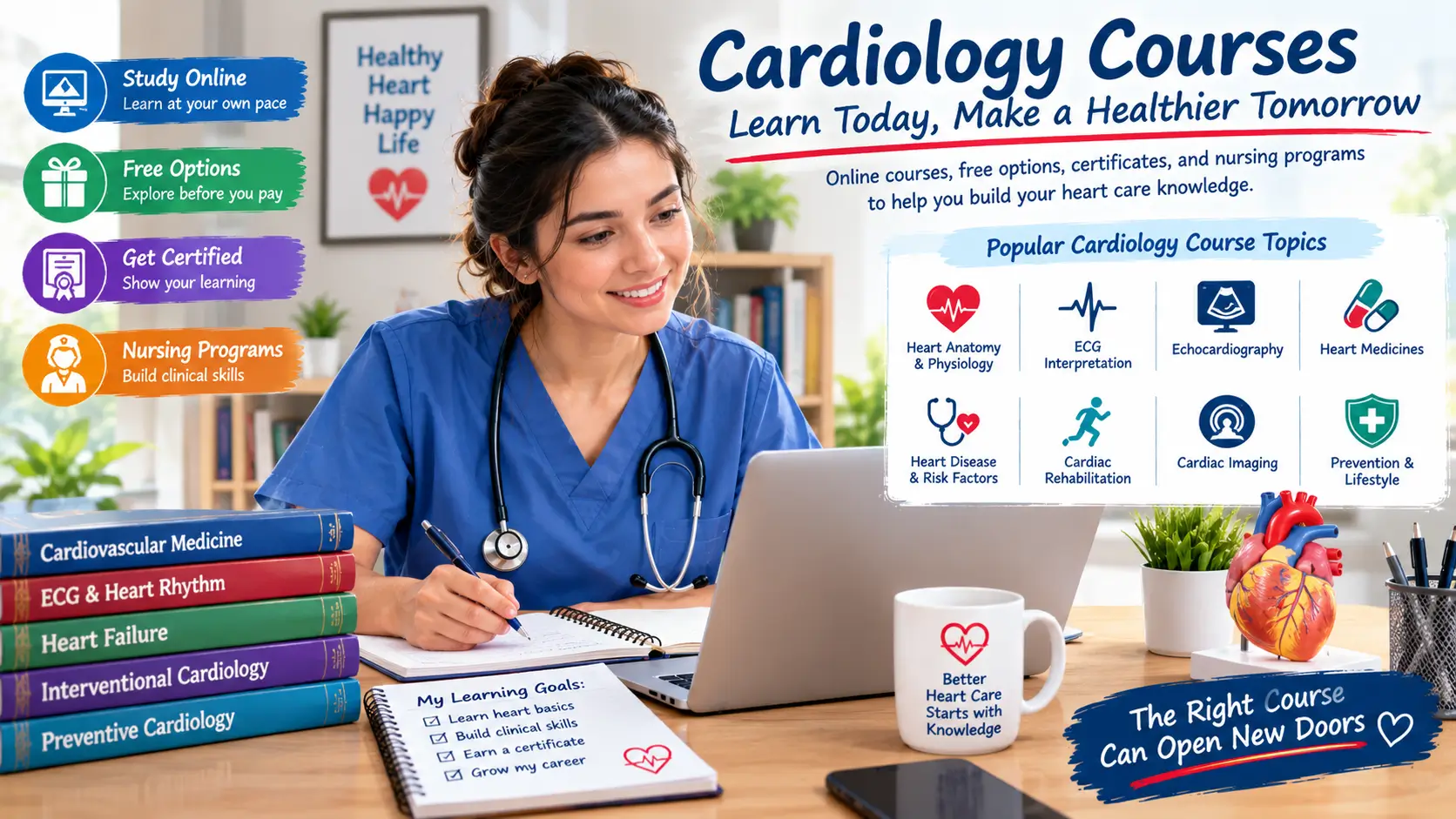

Cardiology courses teach the basics of heart health, heart disease, tests, and patient care. They can help students and healthcare workers build useful knowledge. Some courses also offer certificates, continuing education credits, or exam preparation.
Have you ever wanted to understand how the heart works but felt unsure where to start? A good course can make heart topics easier to learn.
Cardiology courses can help students, nurses, nurse practitioners, caregivers, and other learners study at their own pace.
Some courses focus on basic heart anatomy and common diseases. Others teach ECG reading, heart medicines, imaging, or advanced care.
Online options can fit busy schedules and long workdays. Free options can also help learners explore a topic before paying. Still, course quality, level, cost, and credit options can vary.
This guide explains the main course types and how to choose one. It also covers online and free choices, certificates, nursing needs, and continuing education. You will also learn how to check course details before enrolling.
What Are Cardiology Courses?
Cardiology courses are learning programs about the heart and blood vessels. They may suit beginners, students, nurses, nurse practitioners, or doctors. Course depth depends on the learner and the program.
A beginner course may explain heart chambers, blood flow, blood pressure, and common heart problems. A professional course may cover diagnosis, treatment, medicines, or advanced procedures.
Some programs use short videos and quizzes. Others use case studies, lectures, readings, and practice questions. Your goal should guide your choice.
What Can You Learn?
Common topics include:
- Heart anatomy and blood flow
- Heart disease and risk factors
- High blood pressure and cholesterol
- ECG or EKG basics
- Heart rhythm problems
- Heart failure
- Heart valve disease
- Cardiac imaging
- Heart medicines
- Prevention and lifestyle care
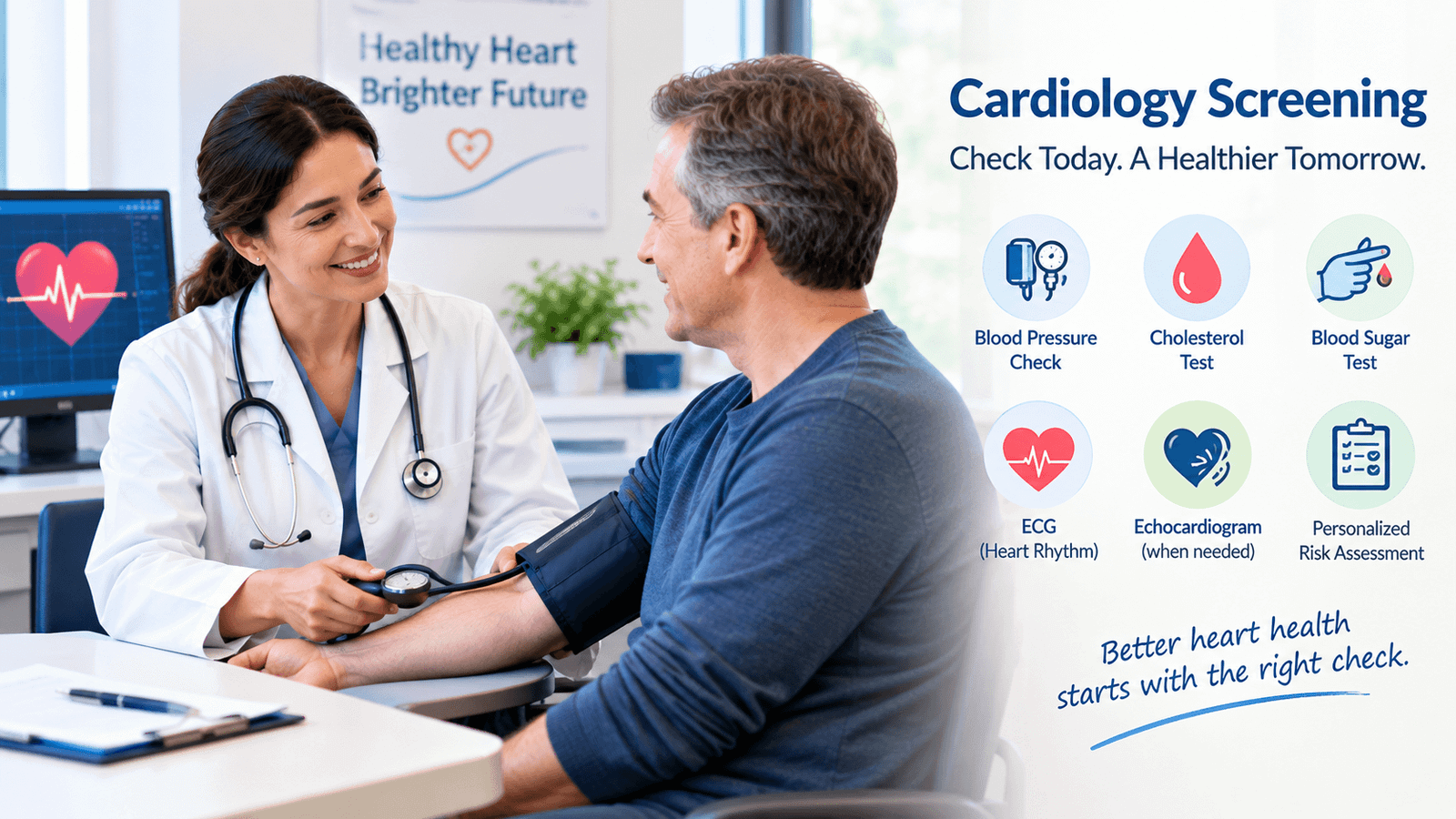
An ECG records the heart’s electrical activity. Cardiac imaging creates pictures that help clinicians study heart structure and function.
Some programs focus on patient care. Others focus on exam study or professional development. Read the course description before signing up.
Who Can Take Them?
Many programs target healthcare professionals. Others welcome students and general learners.
For example, a college student may take a basic course before clinical training. A caregiver may study heart terms to better support a family member.
A nurse may choose a course that builds skills for cardiovascular care. A nurse practitioner may need deeper content for clinical work.
The right level depends on your current knowledge and your learning goal.
What Types of Cardiology Courses Can You Choose?
The best course type depends on why you want to learn. A beginner does not need the same course as a cardiology fellow.
You may find short lessons, certificate programs, continuing education activities, or board review programs. Some programs are fully online. Others include live classes or hands-on practice.
Beginner Courses
Beginner programs explain basic heart terms in simple language. They may cover anatomy, blood flow, symptoms, and common diseases.
These courses can help students build a strong base. They may also suit caregivers or curious adult learners.
Professional and Certificate Courses
A certificate course in cardiology may provide a completion certificate after required work. The word “certificate” does not always mean professional certification.
Professional certification usually requires specific eligibility and formal testing. A course certificate often shows that you completed a learning program.
Always check who issues the certificate. Also check whether employers, schools, or licensing bodies accept it.
CME and Continuing Education
Healthcare workers may need continuing education for professional growth or license needs. CME means continuing medical education.
CNE is continuing nursing education. Other learners may see different credit types based on their profession.
Credit rules can vary by state, license, employer, and profession. Check your own requirements before paying for a course.
Specialty Courses
More advanced programs may focus on:
- ECG interpretation
- Echocardiography
- Heart failure
- Electrophysiology
- Interventional cardiology
- Cardiac imaging
- Preventive cardiology
The American College of Cardiology offers online learning across several cardiovascular topics. Its education pages include courses, self-assessment tools, and specialty learning resources.
The American Heart Association also provides online professional education and continuing education activities. Its learning catalog includes live and on-demand options.
How Do Online Cardiology Courses Work?
Online courses let you study from a computer, tablet, or phone. Many programs use recorded lessons, slides, quizzes, and case examples.
Some courses allow you to learn at your own pace. Others follow set dates and live sessions.
Online learning can help people with busy schedules. It can also help learners who live far from training centers.
What Should You Check Before Enrolling?
Look at these details first:
| Course feature | What to check | Why it matters |
| Level | Beginner or advanced | Helps match your knowledge |
| Format | Video, live class, or self-paced | Fits your schedule |
| Certificate | Type and issuer | Shows what completion means |
| Credits | CME, CNE, or other credits | May support professional needs |
Also check the course length and final assessment. Some programs require a quiz or exam before completion.
Look for the date of the content. Heart care changes as research and guidelines develop.
For professional learning, trusted groups such as the AHA and ACC can provide useful education. Still, each course has its own goals and requirements.
Are Online Courses Good for Everyone?
Online learning works well for many people. Yet some skills need hands-on training.
For example, learning heart sounds online can build knowledge. Practical patient skills may still require supervised training.
Online study should support your education. It should not replace required clinical training or professional supervision.
Where Can You Find Free Cardiology Courses Online?
Free learning can be a useful starting point. You can explore heart topics without paying for every resource.
Search for free courses from medical schools, professional groups, hospitals, and education platforms. Check whether the course is fully free or only offers free access to part of the content.
Some programs charge for a certificate even when lessons are free. Others offer free courses with no formal certificate.
Free Does Not Always Mean Simple
A free course can still have advanced content. Read the learner level before starting.
For beginners, look for clear lessons on heart anatomy and common conditions. More advanced learners may want ECG, imaging, or treatment topics.
The American College of Cardiology lists free online educational activities among its online offerings. Some activities may require a free ACC account.
The American Heart Association also provides complimentary educational resources. Its Professional Education Hub lists free webinars and other learning activities.
Course access can change over time. Always check the current course page for cost, access, and credit details.
What About Free Courses With Certificates?
Free online cardiology courses with certificates can be harder to find. Some platforms provide free learning but charge for the certificate.
Before enrolling, ask three simple questions:
- Is the entire course free?
- Is the certificate free?
- Does the certificate meet my goal?
A completion certificate may help show learning activity. It does not automatically prove clinical expertise.
If you need professional credit, check the credit rules before starting. A free certificate may not replace required CME or CNE.
Which Cardiology Courses Are Best for Nurses and Nurse Practitioners?
Nurses and nurse practitioners often need practical heart-care knowledge. Their learning needs may differ from those of medical students.
Nurses may study ECG basics, heart failure, blood pressure, medicines, and patient education. Nurse practitioners may need deeper material for assessment and treatment decisions.
Courses for Nurses
Online cardiology courses for nurses can cover patient monitoring and common cardiovascular conditions. Some may provide CNE credits.
A nurse should check whether the course supports current license requirements. The issuing body and credit type both matter.
Imagine a registered nurse working on a cardiac floor. She wants to improve her ECG skills.
A focused ECG course may fit her goal better than a broad heart course. A short program may also fit her work schedule.
Courses for Nurse Practitioners
Nurse practitioners may need more advanced cardiovascular content. Topics can include diagnosis, risk assessment, medicines, and long-term care.
The ACC also provides cardiovascular learning programs for NPs and PAs. Some programs support exam preparation and continuing education.
Course level matters here. An advanced learner may gain little from a basic heart anatomy class.
Choose content that matches your role and current skill level.
How Can You Choose the Right Cardiology Course?
Start with your main reason for learning. A clear goal makes course selection easier.
You may want basic knowledge, professional credit, exam preparation, or a certificate. Each goal points toward a different course type.
Use This Simple Checklist
Before you enroll, check:
- Who created the course?
- Who teaches the material?
- What level does it cover?
- How long does it take?
- Is the content current?
- Does it include quizzes or cases?
- Is a certificate offered?
- Are CME or CNE credits included?
- What does the course cost?
- Can you study at your own pace?
A course from a known medical organization may offer stronger professional context. Still, review the specific course details.
Check whether the content matches your role. A patient needs different information than a cardiology resident.
Compare Course Goals
| Your goal | Course type to consider | Key feature |
| Learn basics | Beginner course | Simple heart concepts |
| Build nursing skills | Nursing course | Patient-care topics |
| Earn education credit | CME or CNE activity | Approved credit |
| Prepare for an exam | Review course | Practice questions |
Do not choose a course only because it has a certificate. The learning content should match your real goal.
Also consider time. A two-hour course may suit a quick review. A longer program may offer deeper study.
When Should You Start a Cardiology Course?
You can start when the course matches your learning needs. You do not need to know everything before beginning.
Students may benefit from basic courses before advanced clinical topics. Working professionals may choose focused lessons for a current practice need.
A Simple Learning Plan
Start with basic heart anatomy and blood flow. Then study common diseases and risk factors.
Next, learn common tests such as ECGs and echocardiograms. After that, explore medicines, treatment, and prevention.
Advanced learners can then study specialty areas. These may include electrophysiology, imaging, heart failure, or intervention.
A steady plan can make difficult topics easier to manage.
If you are taking a course for work, check your employer’s requirements first. If you need license credit, check your board or state rules.
Do not use an online course to diagnose yourself or another person. Course learning can improve knowledge, but clinical decisions need qualified care.
Frequently Asked Questions
Q: Are cardiology courses available online?
A: Yes, many programs offer online lessons and self-paced learning. Some include videos, quizzes, case studies, or continuing education. Check the course format before enrolling.
Q: Can I find cardiology courses online free?
A: Yes, some free options are available. However, some courses charge for certificates or professional credits. Always check the current course terms.
Q: Are free cardiology courses useful for beginners?
A: Yes, free courses can help beginners learn basic heart topics. Look for courses with clear lessons and beginner-level content. Avoid advanced programs until you understand the basics.
Q: Do free online cardiology courses with certificates exist?
A: Yes, some programs offer certificates, but terms vary. A course may be free while charging for the certificate. Check the certificate cost and issuer before enrolling.
Q: What is a certificate course in cardiology?
A: It is a learning program that may provide a completion certificate. The certificate shows course completion, not professional board certification. Check the program’s exact requirements.
Q: Are there cardiology courses for nurse practitioners?
A: Yes, several professional groups offer cardiovascular learning for NPs. Some programs include advanced content, exam preparation, or education credits. Choose material that matches your practice role.
Q: How do I choose the best free online cardiology courses with certificates?
A: Start by checking the course level, content, certificate, and credit type. Then compare the program with your learning goal. The right choice depends on your needs.
Conclusion
Cardiology courses can help learners understand the heart in a clear, planned way. Students can build basic knowledge before advanced study. Nurses and nurse practitioners can choose focused lessons for clinical learning.
Online options can make study easier for people with busy schedules. Free resources can also help you explore a topic before paying. Certificates and professional credits need careful checking.
Look at the course level, teacher, content, format, cost, and certificate rules. Make sure the program fits your role and learning goal.
Cardiology courses can support lifelong learning when you choose them carefully. They should add to formal education and supervised clinical training.
Start with a level that feels right for you. Then build your knowledge step by step.
Talk to a qualified healthcare educator if you need help choosing professional training.
Medically reviewed for accuracy. Always consult a licensed cardiologist for personal advice.