
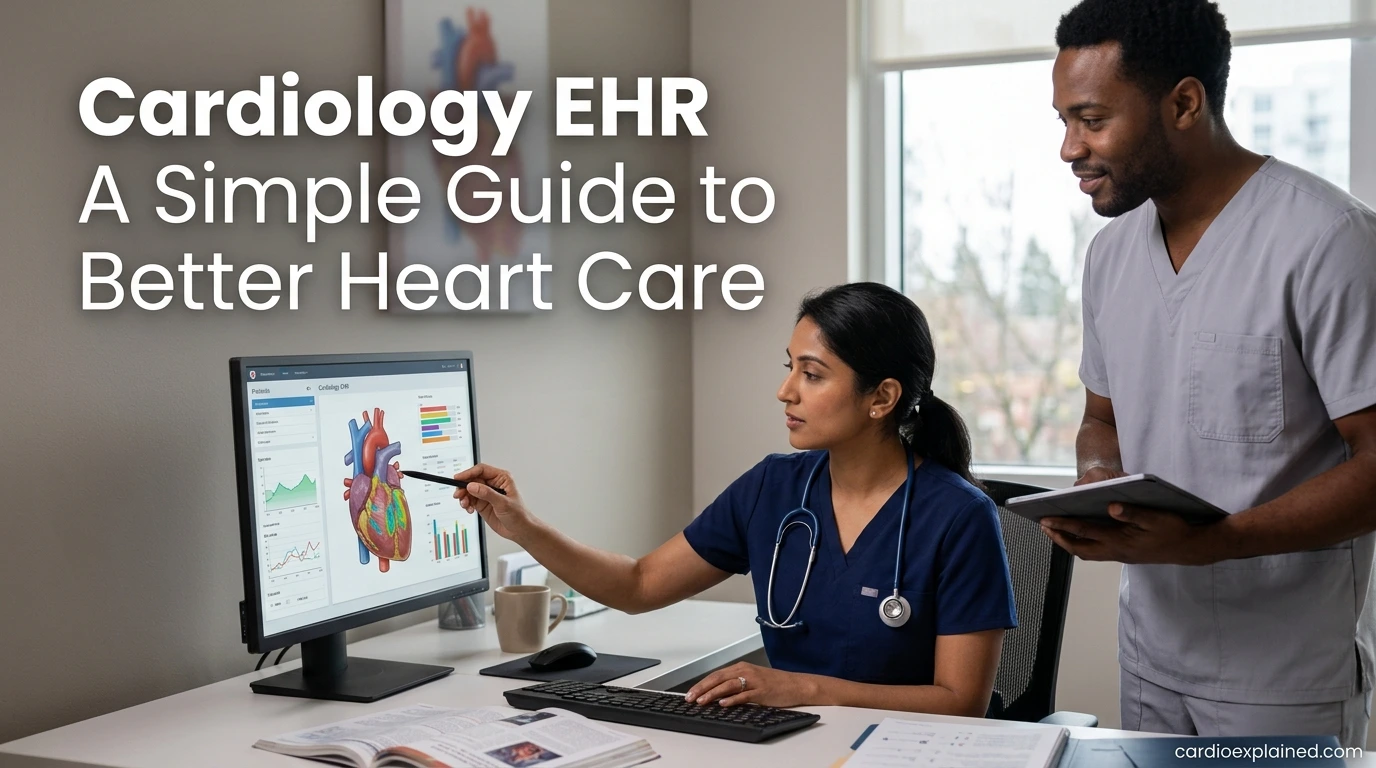

Cardiology EHR is a digital health record made for heart care. It helps cardiologists store, find, and share patient information quickly. Doctors use it to track heart health, plan treatment, and give safer care.
Heart care often needs many visits, tests, and follow-up plans. A cardiology EHR helps keep everything in one safe place. It gives doctors quick access to your health history. This can save time and help them make better choices. Patients also feel more confident when their care stays organized.
❤️ What Is Cardiology EHR?
A cardiology EHR is an electronic health record built for heart doctors. It stores your medical details in a digital system. The letters “EHR” mean Electronic Health Record. This record follows you through your care instead of staying in one office.
Heart care is different from many other medical fields. A heart doctor may need to review years of test results before making a decision. A general medical record may not include tools made for heart care. A cardiology EHR gives doctors features that match their daily work.
Why Heart Doctors Need a Special System
Heart patients often have ongoing health needs. They may visit several doctors over many years. They may also have many tests.
A cardiology EHR helps doctors keep track of:
- 🩺 Heart test results
- 🩺 Blood pressure readings
- 🩺 Medicines
- 🩺 Hospital visits
- 🩺 Family heart history
- 🩺 Treatment plans
Instead of searching through paper files, doctors can find important details within seconds.
What Information Does It Store?
The system keeps many types of health information together.
These may include:
| Record | Why It Matters |
| Medical history | Shows past heart problems and treatments |
| ECG results | Records the heart’s electrical activity |
| Echocardiogram reports | Shows heart structure and movement |
| Lab tests | Tracks cholesterol, blood sugar, and more |
| Medications | Helps prevent medicine mistakes |
| Visit notes | Reminds doctors about past care decisions |
Doctors update these records after every visit. This helps everyone stay informed.
How It Helps Patients
Patients also benefit from digital records.
Many systems include secure patient portals. A patient portal is a safe website or app. It lets patients view parts of their medical record.
Patients may use it to:
- ✅ Read test results
- ✅ Request medicine refills
- ✅ Send messages
- ✅ Check appointments
- ✅ Download visit summaries
Many patients say they feel less worried when they can see their health information.
For example, a retired teacher visited her cardiologist every six months. She once carried a folder filled with paper reports. After her clinic switched to a digital record, every report stayed in one place. Her doctor quickly reviewed her past tests. The visit became easier for both of them.
How Doctors Use It Every Day
A cardiologist may open the system before seeing the patient.
The doctor can review:
- Recent blood pressure
- Heart rhythm reports
- Imaging results
- Past treatments
- New symptoms
This quick review helps the visit stay focused.
Many cardiology clinics also connect their EHR with hospitals and labs. This allows new information to appear faster. Doctors spend less time waiting for reports.
Modern systems also support guidance from groups such as the American Heart Association (AHA) and the American College of Cardiology (ACC). These groups publish trusted care recommendations. Doctors may use these recommendations when planning treatment.
🩺 Why Heart Care Needs Good Digital Records
Heart disease often lasts for many years. Patients may need regular visits, tests, and medicine changes. Good records help doctors follow every step.
Without organized records, important details may become harder to find. A missing test result or medicine list could slow treatment.
A cardiology EHR reduces these problems by keeping information together.
Long-Term Care Needs Better Tracking
Many heart conditions need careful follow-up.
These include:
- ❤️ High blood pressure
- ❤️ Heart failure
- ❤️ Irregular heartbeat
- ❤️ Coronary artery disease
- ❤️ High cholesterol
Doctors compare old records with new ones. Small changes may help guide future care.
For example, cholesterol levels from three years ago may still help today’s treatment plan.
Many Tests Need One Home
Heart doctors often order several tests.
Common examples include:
| Test | Purpose |
| ECG | Checks heart rhythm |
| Stress test | Shows how the heart works during exercise |
| Echocardiogram | Creates moving pictures of the heart |
| Cardiac CT | Gives detailed heart images |
| Blood tests | Check heart damage or risk factors |
A digital system keeps these reports together. Doctors can compare old and new results without searching through paper charts.
Better Teamwork
Heart care often involves several healthcare workers.
These may include:
- 👨⚕️ Cardiologists
- 👩⚕️ Primary care doctors
- 👩⚕️ Nurses
- 👨⚕️ Heart surgeons
- 👩⚕️ Pharmacists
When everyone sees the same updated record, communication improves.
A patient who visits the emergency room may later see a cardiologist. Shared records help the heart doctor understand what happened during the hospital visit.
Fewer Medicine Errors
Many heart patients take several medicines.
Some medicines should not be combined.
Modern EHR systems can warn doctors about:
- Drug interactions
- Allergy risks
- Duplicate medicines
- Wrong doses
These alerts support safer care. Doctors still make the final decision.
Saving Time During Visits
Digital records reduce paperwork.
Doctors spend less time searching for files.
Staff can also:
- Schedule appointments
- Send reminders
- Share reports
- Process referrals
Patients often wait less because information is easier to find.
One middle-aged patient changed insurance and moved to another city. His new cardiologist received years of heart records electronically. The doctor reviewed everything before the visit. The patient avoided repeating several expensive tests.
📋 Signs That Show Heart Care Needs Close Follow-Up
Many people wonder when heart care becomes more organized. Some health changes need regular tracking. A digital record helps doctors watch these changes over time.
Symptoms That Should Never Be Ignored
Some symptoms deserve medical attention soon.
Watch for:
- ⚠️ Chest pain
- ⚠️ Shortness of breath
- ⚠️ Fast or uneven heartbeat
- ⚠️ Fainting
- ⚠️ Swelling in the legs or feet
- ⚠️ Extreme tiredness
These symptoms do not always mean heart disease. Many other health problems can cause them. A doctor should check the cause.
When Your Doctor May Recommend Regular Heart Monitoring
Your doctor may want closer follow-up if you have:
- High blood pressure
- Diabetes
- High cholesterol
- A family history of heart disease
- A previous heart attack
- An irregular heartbeat
Regular visits help doctors see changes early. A well-organized digital record makes each visit more useful.
📋 How Doctors Check Heart Health
Doctors do not rely on one test alone. They combine your symptoms, health history, physical exam, and test results. A digital record helps them see the full picture over time.
Many patients feel nervous before their first heart visit. That feeling is normal. Most heart tests are simple and painless.
Your First Heart Visit
The doctor starts by asking questions.
You may discuss:
- 🩺 Chest pain
- 🩺 Breathing problems
- 🩺 Family heart history
- 🩺 Daily medicines
- 🩺 Smoking or alcohol use
- 🩺 Exercise habits
The doctor also checks your:
- Blood pressure
- Heart rate
- Weight
- Oxygen level
These details become part of your health record.
Common Heart Tests
Heart specialists choose tests based on your symptoms.
| Test | What It Shows | What You May Feel |
| ECG | Heart rhythm | Small stickers on the skin |
| Echocardiogram | Heart size and movement | Gel and a small probe |
| Stress test | Heart during activity | Walking or medicine |
| Holter monitor | Heart rhythm over one or two days | Small monitor worn home |
A cardiology EHR stores these reports together. This makes it easier to compare results from different years.
Watching Changes Over Time
One normal test does not always tell the whole story.
Doctors often compare:
- Blood pressure trends
- Heart rhythm changes
- Cholesterol levels
- Weight changes
- Imaging results
Small changes may help guide future care.
For example, a patient with high blood pressure visited every six months. His readings slowly improved after medicine changes and daily walks. His doctor quickly saw the progress because every visit appeared in one digital record.
Following Trusted Medical Guidance
Heart doctors often follow guidance from the American Heart Association (AHA) and the American College of Cardiology (ACC). These groups review research and publish care recommendations.
Doctors also use their own experience. Every patient has different needs. Treatment plans may change based on age, health, and personal goals.
💙 Treatment and Daily Management
Heart treatment depends on the cause of the problem. Two people with similar symptoms may need different care.
Doctors create a treatment plan that fits each patient.
Medicines
Many heart conditions improve with medicine.
Common medicine groups include:
- 💊 Blood pressure medicine
- 💊 Cholesterol medicine
- 💊 Blood thinners
- 💊 Medicines that control heart rhythm
Doctors review your medicine list at every visit.
A cardiology EHR helps reduce mistakes by showing current medicines, allergies, and past changes in one place.
Healthy Lifestyle Changes
Medicine works best with healthy habits.
Doctors often suggest:
- ✅ Eat more fruits and vegetables.
- ✅ Choose whole grains.
- ✅ Limit salty foods.
- ✅ Stay active most days.
- ✅ Sleep well each night.
- ✅ Stop smoking if you smoke.
Small changes often add up over time.
Medical Procedures
Some people need more than medicine.
Possible treatments include:
| Treatment | Purpose |
| Cardiac catheterization | Checks blocked heart arteries |
| Stent placement | Opens a narrowed artery |
| Pacemaker | Helps control slow heartbeats |
| Heart surgery | Repairs or improves heart function |
Your doctor explains why a procedure may help. You can ask questions before making a decision.
Follow-Up Visits Matter
Heart care does not end after one appointment.
Doctors may adjust:
- Medicines
- Diet plans
- Exercise goals
- Future testing
Digital records help every visit build on the last one.
One older patient worried because she forgot medicine names. Her digital record showed every prescription. Her doctor quickly reviewed them and avoided confusion.
✅ Healthy Habits That Protect Your Heart

Many heart problems develop slowly. Daily choices can lower your risk.
Healthy habits help people of every age.
Eat Heart-Friendly Foods
Simple food changes make a difference.
Choose foods like:
- 🥗 Fresh vegetables
- 🍎 Fresh fruit
- 🐟 Fish
- 🌾 Whole grains
- 🫘 Beans
- 🥜 Unsalted nuts
Try to limit:
- Fried foods
- Sugary drinks
- Processed snacks
- Foods high in salt
Stay Active
Exercise keeps your heart stronger.
Many adults can aim for about 150 minutes of moderate activity each week. Your doctor may suggest a different goal if you have heart disease.
Good activities include:
- Walking
- Swimming
- Cycling
- Dancing
Start slowly if you have not exercised recently.
Know Your Numbers
Ask your doctor about:
- Blood pressure
- Cholesterol
- Blood sugar
- Weight
Tracking these numbers helps find problems early.
Manage Stress
Stress affects many people.
Helpful ideas include:
- Deep breathing
- Reading
- Talking with friends
- Gentle exercise
- Good sleep habits
These steps support both heart health and overall well-being.
⚠️ When to See a Doctor
Do not ignore warning signs.
Some symptoms need prompt medical care.
Call your doctor if you notice:
- Chest discomfort
- New shortness of breath
- Frequent dizziness
- Swollen feet
- Fast or irregular heartbeat
Seek emergency care right away for:
- Severe chest pain
- Trouble breathing
- Fainting
- Signs of a stroke, such as sudden weakness or trouble speaking
Quick care can improve outcomes in many cases.
Many patients wait because they hope symptoms disappear. Early care often gives doctors more treatment choices.
❓Frequently Asked Questions
❓Q: What is a cardiology EHR?
A: A cardiology EHR is a digital record made for heart care. It stores medical history, test results, medicines, and treatment plans in one secure place. It helps doctors make informed decisions during each visit.
❓Q: Is a cardiology EHR different from a regular electronic health record?
A: Yes. A cardiology EHR includes tools designed for heart specialists. It can organize heart imaging, ECG reports, and long-term heart care more efficiently.
❓Q: Can patients see their own heart records?
A: Yes, in many clinics. Many healthcare systems offer secure patient portals. Patients can review test results, appointments, and visit summaries.
❓Q: Does an electronic health record replace my doctor?
A: No. The system supports your doctor but does not replace medical judgment. Doctors still make every treatment decision based on your health needs.
❓Q: Is my health information safe?
A: Yes, in most cases. Healthcare providers use security measures to protect patient information. Only authorized healthcare workers can access your records when needed.
❓Q: Can a cardiology EHR help during emergencies?
A: Yes. If healthcare providers can access your record, they may quickly review medicines, allergies, and past heart conditions. This can help guide emergency care.
❓Q: How often should I see a cardiologist?
A: It depends on your health. Some people need yearly visits, while others need more frequent follow-ups. Your cardiologist will recommend a schedule based on your condition.
Final Thoughts
A cardiology EHR helps organize heart care from the first visit through long-term follow-up. It keeps important health information together, supports safer treatment, and improves communication between healthcare providers. Patients also benefit by viewing their records, understanding their care plans, and staying involved in their health journey.
If you have heart symptoms or an ongoing heart condition, talk with a licensed cardiologist. Regular checkups, healthy habits, and organized medical records can help you make informed decisions about your heart health.
Medically reviewed for accuracy. Always consult a licensed cardiologist for personal advice.