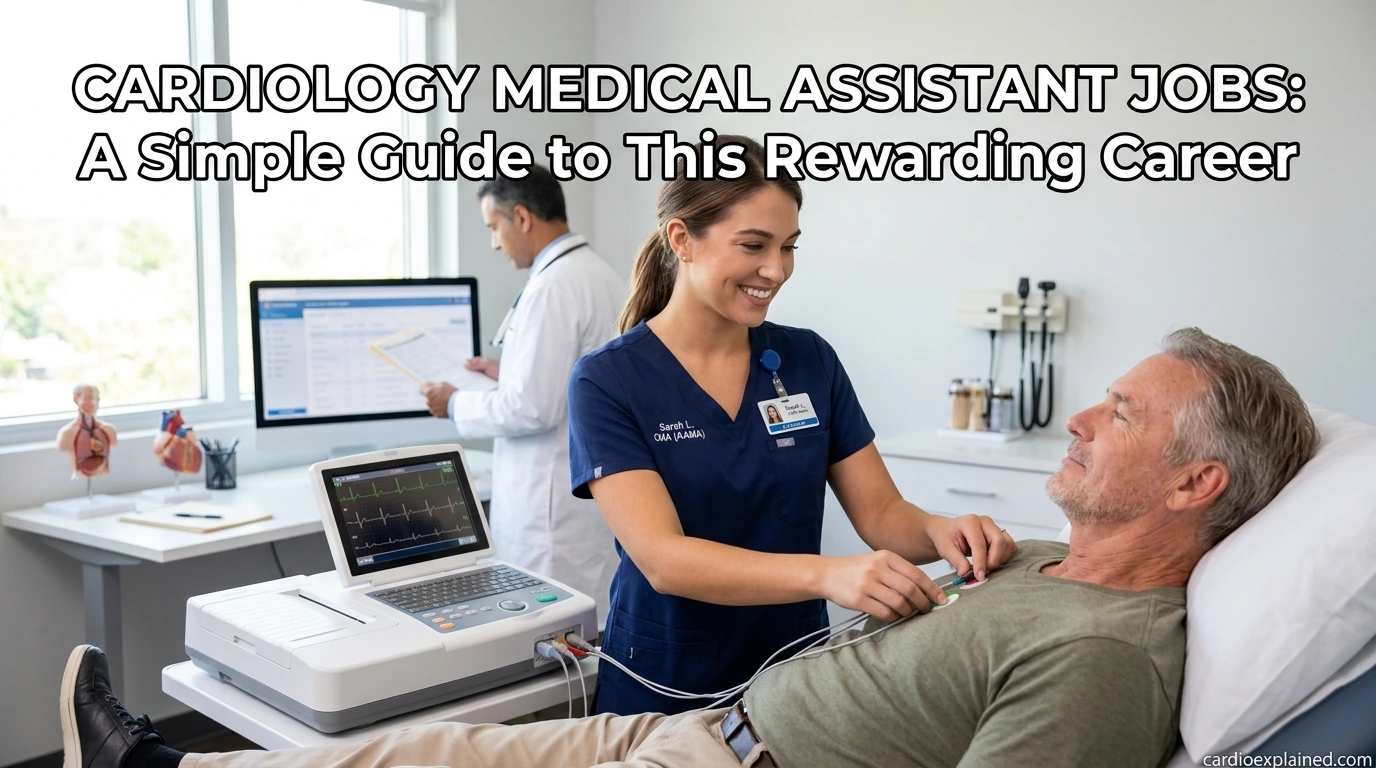

Cardiology medical assistant jobs help doctors care for people with heart health needs. These roles mix patient care, office work, and basic medical tasks. Many people choose this career because it offers steady work, meaningful patient contact, and room to grow.
Have you ever wanted a job where you help people every day? Maybe you enjoy healthcare but do not want years of school. Cardiology medical assistant jobs can offer a great path. You work with heart doctors and support patients before, during, and after visits. Every day brings new people and new tasks. You may greet patients, check vital signs, or help prepare simple heart tests. This career fits people who enjoy teamwork and care about others. It also gives many chances to learn new skills while making a real difference in patient lives.
❤️ What Are Cardiology Medical Assistant Jobs?
Cardiology medical assistants work in heart care clinics and medical offices. They support cardiologists, who are doctors that treat heart and blood vessel problems.
Their work often includes both clinical and office duties.
Daily Duties
✅ Common tasks include:
- Greeting patients with a friendly smile.
- Measuring blood pressure, weight, and pulse.
- Recording medical history.
- Preparing exam rooms.
- Helping with simple heart tests.
- Scheduling appointments.
- Updating medical records.
- Answering phone calls.
- Giving patients simple care instructions.
Many offices train new assistants on office routines and equipment.
Where They Work
Cardiology medical assistants may work in:
| Workplace | What They Do | Schedule |
| Cardiology clinic | Support heart doctors | Mostly weekdays |
| Hospital | Help with patient care | Days, nights, or weekends |
| Outpatient center | Prepare patients for testing | Regular business hours |
| Specialty practice | Focus on heart conditions | Mostly daytime |
Many jobs offer full-time hours with benefits.
🩺 What Skills Help You Succeed?
You do not need to know everything on day one. Employers often provide training after hiring.
Strong medical assistants usually have these skills.
Communication
Patients may feel worried before heart visits.
Kind words and careful listening help patients feel calmer.
Organization
A busy clinic serves many patients each day.
Good organization keeps visits running on time.
Attention to Detail
Small details matter in healthcare.
Correct records help doctors make safe decisions.
Teamwork
Medical assistants work closely with:
- Doctors
- Nurses
- Reception staff
- Medical billers
- Lab workers
Good teamwork helps patients receive better care.
📋 Education and Training
Most employers ask for a high school diploma or equivalent.
Many medical assistants also complete a training program.
Programs often last:
- Nine months to one year for certificates.
- About two years for an associate degree.
Students learn topics such as:
- Basic anatomy, or how the body is built.
- Medical terms and their meanings.
- Infection control, which helps stop germs from spreading.
- Patient care.
- Medical office skills.
Some employers prefer certification.
Common certifications include:
- Certified Medical Assistant (CMA)
- Registered Medical Assistant (RMA)
Certification may improve job opportunities.
⏱️ What Does a Typical Day Look Like?
Every clinic has its own routine.
Still, many days follow a similar pattern.
Morning
You prepare exam rooms.
You check supplies.
You greet the first patients.
Midday
Doctors may see many patients.
You record vital signs and prepare patients.
You may help with simple heart testing.
Afternoon
You schedule follow-up visits.
You update records.
You answer patient questions within your training.
No two days feel exactly the same.
❤️ Working With Heart Patients
Many heart patients feel nervous before appointments.
A calm medical assistant can make visits easier.
For example, an older patient may worry before an electrocardiogram, often called an ECG or EKG. This test records the heart’s electrical activity. A medical assistant explains each step in simple words. That reassurance often helps the patient relax.
Another patient may visit after chest discomfort. The assistant checks vital signs quickly and alerts the healthcare team. Fast teamwork helps the clinic respond safely.
The American Heart Association (AHA) and the American College of Cardiology (ACC) support standard care practices for heart health. Clinics often follow these trusted guidelines during patient care.
✅ Heart Tests Medical Assistants May Help With
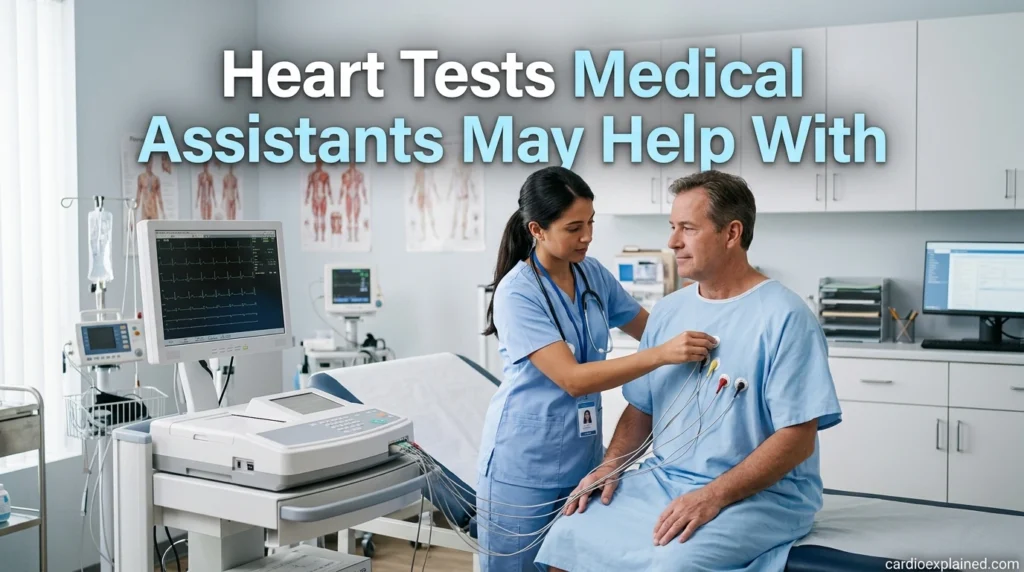
Medical assistants do not interpret test results.
Doctors review and explain findings.
Still, assistants often help prepare patients for testing.
| Heart Test | Purpose | Assistant’s Role |
| ECG or EKG | Records heart rhythm | Prepare patient and place leads |
| Blood pressure check | Measures blood pressure | Take and record readings |
| Holter monitor | Records heart rhythm over time | Explain device use |
| Stress test | Shows heart response during exercise | Prepare equipment and patient |
Every clinic has its own policies.
Medical assistants always work within their training.
📈 Job Outlook and Salary
Healthcare continues to grow across the United States.
An aging population increases the need for heart care.
That demand also supports cardiology medical assistant jobs in many areas.
Pay depends on:
- Experience.
- Education.
- Location.
- Employer.
- Certification.
| Experience Level | Estimated Annual Salary |
| Entry level | $34,000–$42,000 |
| Experienced | $43,000–$55,000 |
| Highly experienced | $56,000 and above |
These figures are general estimates.
Actual pay may differ by state and employer.
📚 Career Growth Opportunities
Many people begin as medical assistants.
Later, they continue learning.
Possible career paths include:
- Lead medical assistant.
- Office manager.
- Nursing.
- Cardiac technician.
- Healthcare administration.
- Medical coding.
Some employers help workers pay for more education.
That support can make career growth easier.
❤️ Is This Career Right for You?
This job fits people who enjoy helping others.
You should feel comfortable working with many patients.
You may enjoy this career if you like:
- Talking with people.
- Staying organized.
- Learning new skills.
- Working in healthcare.
- Being part of a team.
The work can feel busy.
Still, many assistants enjoy seeing patients improve over time.
⚠️ Challenges to Expect
Every healthcare job has challenges.
Busy days can feel stressful.
Patients may arrive feeling scared or upset.
You also spend many hours standing.
Good time management helps.
So does asking teammates for help when needed.
Many assistants say patient smiles make hard days worthwhile.
❓ Frequently Asked Questions
Q: Do cardiology medical assistant jobs require certification?
A: No. Some employers hire without certification. Many employers prefer certified applicants because they often have formal training.
Q: Can a cardiology medical assistant perform heart tests alone?
A: No. Medical assistants help prepare patients and equipment. Doctors or other licensed professionals review and explain the results.
Q: Are cardiology medical assistant jobs good for beginners?
A: Yes. Many clinics welcome new graduates from medical assistant programs. On-the-job training often helps new employees build confidence.
Q: Is working in cardiology stressful?
A: Yes, it can be busy at times. Good teamwork and organization help many assistants manage daily work.
Q: How long does it take to become a cardiology medical assistant?
A: Many people finish training within one year. Some choose a two-year associate degree instead.
Q: Can this job lead to other healthcare careers?
A: Yes. Many assistants later become nurses, managers, or cardiac technicians. The experience builds a strong healthcare foundation.
Final Thoughts
Cardiology medical assistant jobs offer a caring and steady career for many people. You help patients, support heart doctors, and learn valuable healthcare skills. Training often takes less time than many other medical careers. The job also offers room for growth and new learning. If you enjoy helping others and working with people, this path may fit your goals. Talk to a cardiologist or a healthcare career advisor if you want to learn more about this rewarding field.