

A cardiology physician is a doctor who finds, treats, and helps prevent heart and blood vessel problems. They use exams, heart tests, and proven care plans to keep your heart healthy. Many people see a cardiology physician for chest pain, high blood pressure, or a family history of heart disease.
Heart problems can feel scary. A fast heartbeat or chest pain may worry anyone. You may also wonder if your heart is healthy after a family member gets heart disease. A cardiology physician helps answer those questions with careful exams and simple tests.
Many people wait too long before asking for help. Others feel nervous about their first visit. Both feelings are common. Knowing what to expect can make the visit easier. You can learn how these doctors care for your heart, what tests they may order, and how healthy habits support long-term heart health. You will also learn when to seek medical care and what warning signs need quick attention.
❤️ What Is a Cardiology Physician?
A cardiology physician is a medical doctor who cares for the heart and blood vessels. They study heart health for many years after medical school. Their training helps them find heart problems early and guide treatment.
Your heart works every minute of the day. Even small changes can affect your health. A heart doctor checks how well your heart pumps blood and how your blood vessels work.
Many people think these doctors only treat older adults. That is not true. Adults of many ages may need heart care.
What Does a Cardiology Physician Do?
A cardiology physician helps people with many heart concerns. They may:
- ❤️ Check chest pain
- ❤️ Treat high blood pressure
- ❤️ Find the cause of an irregular heartbeat
- ❤️ Manage heart failure
- ❤️ Care for people after a heart attack
- ❤️ Help lower future heart risks
They also teach patients about healthy habits. Good food, regular exercise, and stopping smoking can improve heart health.
Common Heart Problems They Treat
These doctors care for many conditions.
- Coronary artery disease, which means narrowed heart arteries
- Heart failure, where the heart cannot pump well
- Arrhythmia, which means an uneven heartbeat
- High blood pressure
- High cholesterol
- Heart valve disease
- Congenital heart disease, which means a heart problem present at birth
Each condition needs its own care plan. Your doctor chooses treatment based on your health, age, and symptoms.
Types of Heart Doctors
Some heart doctors focus on special areas.
| Specialty | Main Focus | Common Patients |
| General cardiologist | Heart disease diagnosis and treatment | Most adults |
| Interventional cardiologist | Opens blocked arteries with small tubes | People needing heart procedures |
| Electrophysiologist | Treats heart rhythm problems | People with irregular heartbeats |
| Heart failure specialist | Manages advanced heart failure | Patients with weak heart function |
Your primary care doctor may send you to one of these experts. The choice depends on your health needs.
A Real-Life Example
Mark, age 52, felt tired while climbing stairs. He thought stress caused the problem. His family doctor referred him to a heart specialist. Tests showed early artery disease. Medicine and daily walks helped him feel stronger within months.
Stories like Mark’s happen often. Early care may help prevent bigger heart problems later.
Working With Other Doctors
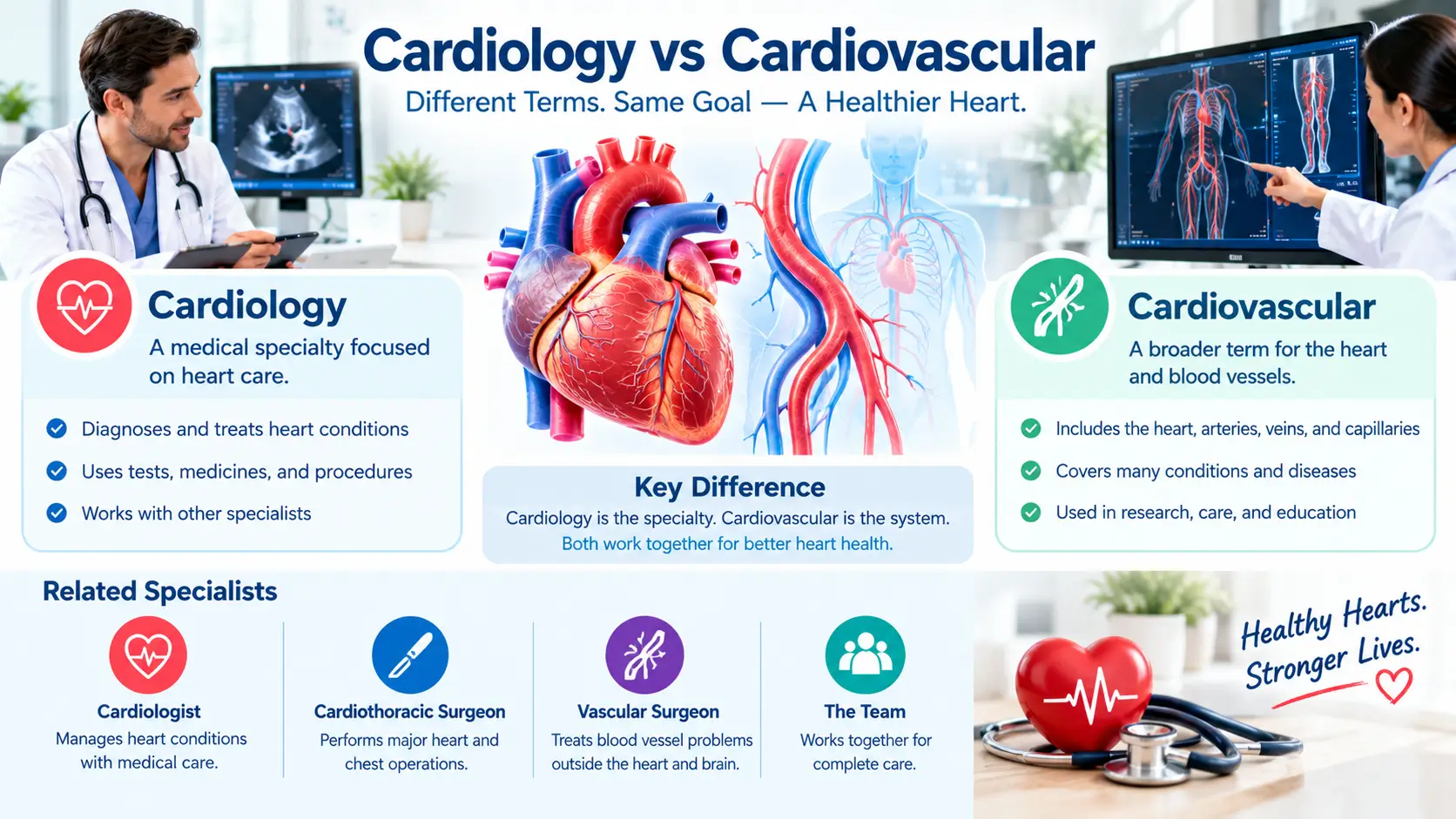
A cardiology physician often works with your primary care doctor. They may also work with surgeons, nurses, dietitians, and physical therapists.
This team approach helps patients receive steady care. Each healthcare professional shares important information. Together, they build a treatment plan that fits the patient’s needs.
The American Heart Association (AHA) and the American College of Cardiology (ACC) support regular heart risk checks for people with risk factors. These groups also encourage healthy lifestyle changes along with medical care.
🩺 Who May Need Heart Care?
Not everyone needs regular heart visits. Still, many people have risk factors that deserve attention.
Some heart diseases develop slowly. You may not notice changes for years. Regular checkups help find problems before they become serious.
Risk Factors That Raise Heart Disease Risk
Some risks cannot change.
- ❤️ Older age
- ❤️ Family history of heart disease
- ❤️ Certain inherited conditions
Other risks can improve with healthy choices.
- ❤️ Smoking
- ❤️ High blood pressure
- ❤️ High cholesterol
- ❤️ Diabetes
- ❤️ Being overweight
- ❤️ Little physical activity
- ❤️ Long-term stress
- ❤️ Poor sleep
Having one risk factor does not mean you will develop heart disease. Several risks together may increase your chance.
Lifestyle Can Affect Your Heart
Daily habits matter.
Eating fruits, vegetables, whole grains, and lean protein supports heart health. Limiting foods high in salt and added sugar also helps many people.
Regular movement keeps the heart strong. Even a 30-minute walk most days may improve blood flow and blood pressure.
Smoking damages blood vessels. Quitting lowers heart risk over time.
Good sleep also matters. Adults usually need seven to nine hours each night. Poor sleep may affect blood pressure and heart rhythm.
Family History Matters
Some people inherit a higher risk for heart disease.
Tell your doctor if a close family member had:
- ❤️ A heart attack at a younger age
- ❤️ Heart failure
- ❤️ Sudden cardiac death
- ❤️ High cholesterol
- ❤️ Certain inherited heart conditions
This information helps your healthcare team decide if more testing is needed.
Why Early Heart Care Helps
Many heart problems begin quietly. Early visits give doctors time to find warning signs before serious illness develops.
A cardiology physician may recommend simple blood tests, heart imaging, or lifestyle changes based on your personal risk. Small steps today may lower future problems.
No doctor can promise to prevent every heart condition. Still, regular care, healthy habits, and following medical advice often help people protect their hearts for many years.
📋 Signs That May Mean You Need Heart Care
Many heart problems begin with small changes. Some signs appear suddenly. Others develop slowly over weeks or months.
Do not ignore symptoms that keep coming back. Early care may help find the cause before it becomes more serious.
Common Warning Signs
Many people notice one or more of these symptoms:
- ❤️ Chest pain or pressure
- ❤️ Shortness of breath
- ❤️ Fast or uneven heartbeat
- ❤️ Feeling very tired
- ❤️ Swelling in the feet or ankles
- ❤️ Feeling dizzy or faint
- ❤️ Pain in the neck, jaw, shoulder, or arm
These signs do not always mean heart disease. Other health problems may cause them too. A doctor can find the real reason.
Chest Pain Deserves Attention
Chest pain is one of the most common reasons people seek heart care.
Some people feel tightness. Others describe pressure, burning, or squeezing. The pain may spread to the arm, back, jaw, or shoulder.
Chest pain after exercise may point to reduced blood flow. Pain that happens while resting also needs medical attention.
Call 911 right away if chest pain is severe, lasts more than a few minutes, or comes with trouble breathing, heavy sweating, or fainting.
Shortness of Breath
Breathing should feel easy during normal activities.
Feeling out of breath while walking short distances or climbing stairs may suggest a heart problem. Some people also wake up at night because they cannot breathe well.
Shortness of breath may also come from lung disease or other conditions. Your doctor will check for several possible causes.
Fast or Irregular Heartbeat
Your heart may beat faster after exercise or stress. That is normal.
Sometimes the heartbeat feels like fluttering, pounding, or skipping beats. Doctors call this an arrhythmia. An arrhythmia means the heart rhythm is not normal.
Many rhythm problems are harmless. Others need treatment to lower the risk of future problems.
A Patient Story
James noticed his heart racing while watching television. The feeling lasted several minutes. He felt lightheaded afterward.
His doctor ordered heart rhythm testing. The results showed a rhythm problem that responded well to medicine. James now follows regular checkups and feels much better.
Symptoms in Women Can Differ
Women sometimes have different warning signs.
Instead of severe chest pain, they may notice:
- ❤️ Extreme tiredness
- ❤️ Nausea
- ❤️ Back pain
- ❤️ Jaw pain
- ❤️ Mild chest discomfort
- ❤️ Shortness of breath
These symptoms still deserve prompt medical care.
Never Ignore Emergency Signs
Seek emergency help right away if you have:
- ⚠️ Severe chest pain
- ⚠️ Trouble breathing
- ⚠️ Sudden fainting
- ⚠️ Sudden weakness on one side
- ⚠️ Chest pain with sweating or nausea
Quick treatment may save heart muscle and improve recovery.
🩺 How Doctors Check Your Heart
Finding the cause starts with a careful visit. Doctors ask questions before ordering tests.
A cardiology physician wants to understand your symptoms, health history, and family history. Every answer helps guide the next step.
Your First Visit
Many patients feel nervous before their first appointment. That feeling is normal.
The doctor may ask:
- ❤️ When did your symptoms begin?
- ❤️ What makes them better or worse?
- ❤️ Do heart problems run in your family?
- ❤️ What medicines do you take?
- ❤️ Do you smoke or exercise?
Bring a list of medicines and past health records if possible.
Physical Exam
The doctor checks several things during the visit.
They may:
- ❤️ Measure blood pressure
- ❤️ Listen to your heart
- ❤️ Listen to your lungs
- ❤️ Check your pulse
- ❤️ Look for swelling in your legs
These simple steps give helpful clues about heart health.
Common Heart Tests
Doctors choose tests based on your symptoms.
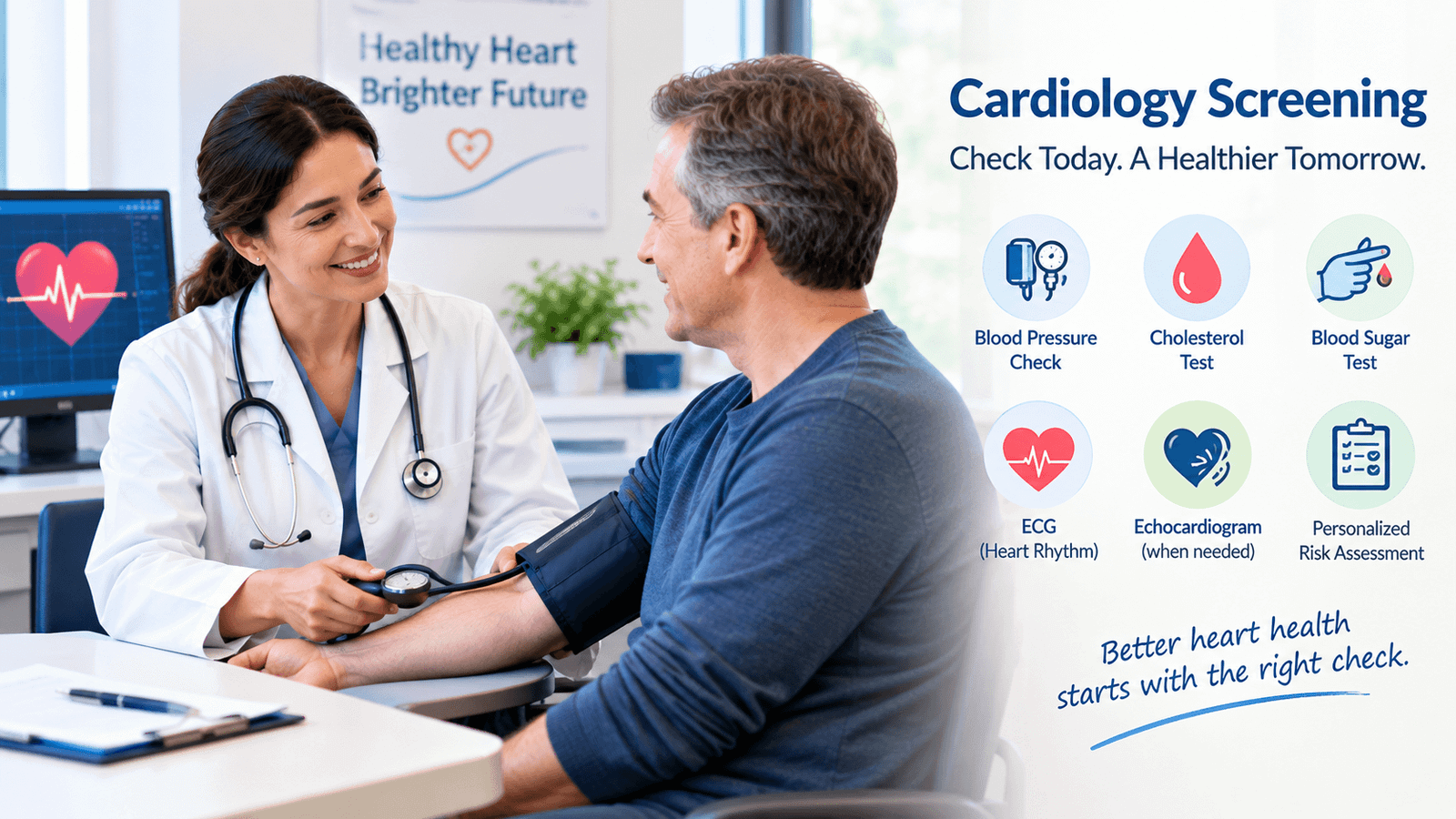
| Test | Purpose | What You Can Expect |
| Electrocardiogram (ECG or EKG) | Checks heart rhythm | Small stickers on the chest record heart signals |
| Echocardiogram | Shows heart movement | Sound waves create heart pictures |
| Stress test | Checks the heart during exercise | Walking on a treadmill or taking medicine |
| Blood tests | Look for heart damage or risk factors | Small blood sample from your arm |
These tests are common and safe. Your doctor explains each one before it begins.
Imaging Tests
Some people need more detailed pictures.
A CT scan creates detailed heart images. An MRI uses magnets to show heart structure. These tests help doctors answer specific questions.
Not everyone needs advanced imaging.
Heart Catheterization
Sometimes doctors need a closer look at the heart arteries.
Heart catheterization places a thin tube into a blood vessel. The tube moves toward the heart. Special dye helps doctors see blood flow on X-ray images.
This test helps find blocked arteries. It may also guide treatment.
Following Trusted Guidelines
Doctors often follow recommendations from the American Heart Association (AHA) and the American College of Cardiology (ACC).
These groups review medical research often. Their guidance helps doctors choose tests that match each patient’s needs.
Good care avoids unnecessary testing. The goal is to order the right test at the right time.
✅ Treatment Options for Heart Conditions
Heart treatment depends on the problem. No single plan fits everyone.
A cardiology physician builds care around your symptoms, test results, and overall health. Many people improve with a mix of healthy habits and medicine.
Lifestyle Changes Come First
Healthy choices support every treatment plan.
Many doctors recommend:
- ❤️ Eating more fruits and vegetables
- ❤️ Choosing whole grains
- ❤️ Limiting salt
- ❤️ Staying active
- ❤️ Keeping a healthy weight
- ❤️ Stopping smoking
- ❤️ Managing stress
- ❤️ Sleeping well
Small daily changes often add up over time.
Medicines
Some people need medicine to protect their hearts.
Common medicines may:
- Lower blood pressure
- Lower cholesterol
- Control heart rhythm
- Prevent blood clots
- Reduce chest pain
Take medicine exactly as directed. Never stop a medicine without speaking to your doctor.
Heart Procedures
Some heart problems need procedures instead of medicine alone.
A doctor may recommend:
- Angioplasty: A small balloon opens a narrowed artery.
- Stent placement: A tiny metal tube keeps the artery open.
- Pacemaker: A small device helps control slow heartbeats.
- Implantable cardioverter-defibrillator (ICD): This device can correct dangerous heart rhythms.
Your healthcare team explains the risks and benefits before any procedure.
Surgery
Some patients need heart surgery.
Examples include:
- Bypass surgery for blocked arteries
- Heart valve repair
- Heart valve replacement
Surgery is usually considered when other treatments cannot provide enough benefit.
Living With Heart Disease
Many people live full and active lives after heart treatment.
Robert had a heart attack at age 60. After treatment, he joined a heart rehabilitation program. Heart rehabilitation is a supervised exercise and education program.
He improved his strength over several months. He also learned healthier eating habits and returned to many daily activities.
Regular follow-up visits remain important. Doctors may adjust medicines or repeat testing over time.
✅ Protecting Your Heart Every Day

Heart disease cannot always be prevented. Still, many daily habits can lower your risk.
Small changes often work better than big changes that are hard to keep. Start with one healthy step. Then build from there.
Eat Foods That Support Heart Health
Your meals affect your heart every day.
Try to:
- ❤️ Eat more fruits and vegetables.
- ❤️ Choose whole grains.
- ❤️ Pick lean proteins like fish and beans.
- ❤️ Use healthy fats, such as olive oil.
- ❤️ Limit foods high in salt.
- ❤️ Cut back on added sugar.
- ❤️ Drink enough water.
You do not need a perfect diet. Better choices most days can help.
Stay Active
Exercise keeps your heart strong.
The American Heart Association (AHA) suggests at least 150 minutes of moderate activity each week for many adults.
Good choices include:
- ❤️ Walking
- ❤️ Swimming
- ❤️ Cycling
- ❤️ Dancing
Talk with your doctor before starting a new exercise plan if you have heart disease.
Keep Up With Regular Checkups
Many heart problems have no early symptoms.
Regular checkups help your doctor monitor:
- ❤️ Blood pressure
- ❤️ Cholesterol
- ❤️ Blood sugar
- ❤️ Weight
A cardiology physician may also recommend follow-up visits if you already have a heart condition.
Manage Stress
Long-term stress may affect heart health.
Helpful ways to relax include:
- ❤️ Deep breathing
- ❤️ Gentle exercise
- ❤️ Time with family
- ❤️ Reading
- ❤️ Prayer or meditation
- ❤️ Good sleep
Choose activities that fit your daily life.
Avoid Smoking
Smoking damages blood vessels and raises heart disease risk.
If you smoke, quitting is one of the best gifts you can give your heart. Many people succeed with support from their healthcare team, medicines, or counseling.
⚠️ When to See a Doctor Right Away
Do not wait if serious symptoms appear.
Quick treatment can make a big difference.
Make a Routine Appointment If You Have:
- ❤️ High blood pressure
- ❤️ High cholesterol
- ❤️ Diabetes
- ❤️ A family history of heart disease
- ❤️ Mild chest discomfort that keeps returning
- ❤️ Ongoing shortness of breath
- ❤️ Frequent heart palpitations
Early care may prevent future problems.
Call 911 Immediately If You Have:
- ⚠️ Severe chest pain
- ⚠️ Trouble breathing
- ⚠️ Sudden fainting
- ⚠️ Pain spreading to the arm, jaw, or back
- ⚠️ Chest pain with sweating or vomiting
- ⚠️ Sudden weakness or trouble speaking
These symptoms may signal a medical emergency.
Do not drive yourself if symptoms are severe. Emergency medical teams can begin treatment on the way to the hospital.
Many patients later say they almost stayed home because they hoped the pain would pass. Seeking help quickly often leads to better outcomes.
Frequently Asked Questions
❓ Q: What does a cardiology physician treat?
A: A cardiology physician treats diseases of the heart and blood vessels. They care for conditions such as high blood pressure, heart rhythm problems, heart failure, and blocked arteries. They also help lower future heart risks through healthy lifestyle advice and medical treatment.
❓ Q: Do I need a referral to see a heart doctor?
A: It depends on your health insurance plan. Some plans require a referral from your primary care doctor. Others let you schedule an appointment directly.
❓ Q: What happens during the first heart appointment?
A: The doctor reviews your medical history and symptoms. They perform a physical exam and may order heart tests if needed. Most first visits are simple and painless.
❓ Q: Can young adults see a cardiologist?
A: Yes. Heart problems can affect adults of many ages. Family history, high blood pressure, or unusual symptoms may lead to an evaluation.
❓ Q: Does a cardiology physician perform surgery?
A: Most cardiology physicians do not perform open-heart surgery. Cardiac surgeons perform those operations. Some cardiologists perform less invasive procedures, such as placing stents or pacemakers.
❓ Q: How often should I visit a cardiology physician?
A: The answer depends on your health. Some people only need one evaluation. Others with ongoing heart disease may need regular follow-up visits every few months or once a year.
❓ Q: Can lifestyle changes reduce heart disease risk?
A: Yes. Healthy eating, regular exercise, avoiding smoking, managing stress, and taking prescribed medicines may lower your risk. These habits also support long-term heart health.
Final Thoughts
Your heart works every minute of every day. Giving it proper care matters at every age. Learning the warning signs and making healthy choices can support a stronger heart over time.
A cardiology physician helps diagnose heart problems, guide treatment, and lower future risks. Many people benefit from early checkups, even before serious symptoms appear. Simple habits, regular medical visits, and following trusted advice often make a meaningful difference.
Talk to a cardiologist if you have any heart concerns or risk factors. Early care may help protect your heart for years to come.