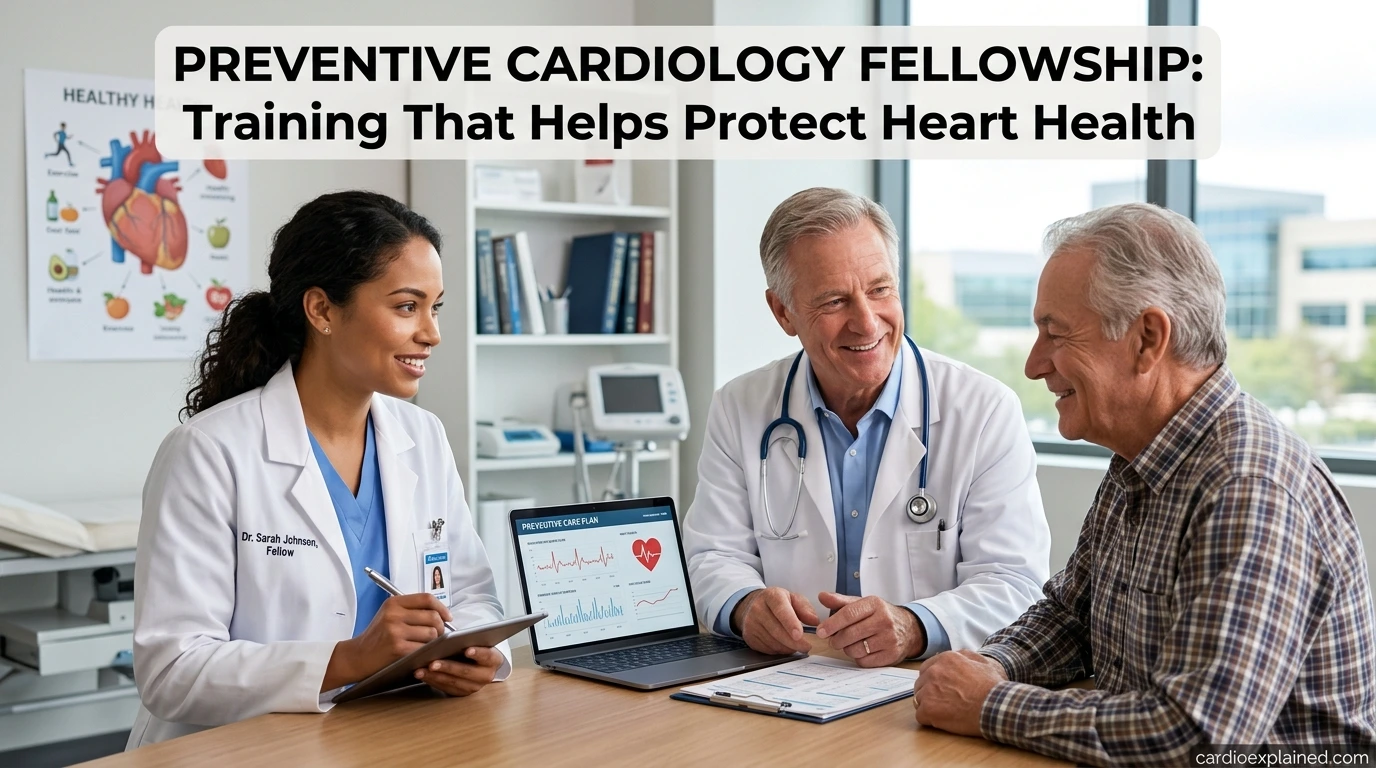

Preventive cardiology fellowship is advanced medical training for heart doctors who want to prevent heart disease before it starts or gets worse. It helps doctors learn how to lower heart risks through healthy habits, medicines, and early care. Patients may benefit from this special training because it supports better long-term heart health.
Have you ever wondered if heart disease can be stopped before it causes harm? Many people ask this after a loved one has a heart attack. Others want to avoid the same path.
A preventive cardiology fellowship prepares heart doctors to focus on stopping heart disease early. These doctors learn how to find risks, guide healthy choices, and treat problems before they become serious. They also work with people who already have heart disease and want to avoid future events. Knowing how this training works can help patients, families, and students better understand modern heart care.
❤️ What Is a Preventive Cardiology Fellowship?
A preventive cardiology fellowship is extra training after a doctor finishes heart medicine training. It focuses on preventing heart disease instead of only treating it.
Doctors in this program learn how to:
- ❤️ Lower heart disease risk
- ❤️ Manage high blood pressure
- ❤️ Treat high cholesterol
- ❤️ Help people stop smoking
- ❤️ Support healthy eating
- ❤️ Guide safe exercise plans
- ❤️ Care for people with diabetes
Many programs also teach research and public health. Doctors learn how lifestyle, family history, and daily habits affect heart health.
This training usually takes about one year. Some programs may last longer if they include research.
What Makes This Training Different?
General cardiologists treat many heart problems. Preventive cardiologists spend more time reducing future risks.
Their goal is simple. Help people stay healthier for as long as possible.
🩺 What Do Preventive Cardiologists Do?
Preventive cardiologists work with many types of patients.
Some patients already have heart disease. Others only have risk factors.
They often help people with:
- 🩺 High blood pressure
- 🩺 High cholesterol
- 🩺 Diabetes
- 🩺 Obesity
- 🩺 Family history of heart disease
- 🩺 Smoking history
Many doctors also care for young adults with inherited cholesterol problems. These conditions can raise heart risks early in life.
Common Tests They Use
Doctors may recommend simple tests to understand heart risk.
| Test | Purpose | What It Shows |
| Blood pressure check | Measure pressure in arteries | Risk for heart disease |
| Cholesterol blood test | Measure blood fats | Heart disease risk |
| Blood sugar test | Check for diabetes | Future heart risk |
| Coronary calcium scan | Look for calcium in heart arteries | Early plaque buildup |
Plaque means fatty material inside blood vessels. Too much plaque can block blood flow.
The American Heart Association (AHA) and the American College of Cardiology (ACC) support checking heart risk early. Doctors use these guidelines to help choose the best care for each person.
📋 Who May Benefit From This Care?
Preventive heart care can help many people.
You do not need heart disease to see these doctors.
You may benefit if you have:
- 📋 High blood pressure
- 📋 High cholesterol
- 📋 Diabetes
- 📋 Kidney disease
- 📋 A strong family history
- 📋 Extra weight
- 📋 Tobacco use
Some people feel healthy but still have hidden risks.
For example, a 45-year-old father may feel fine. His blood test shows very high cholesterol. His father had a heart attack at age 50. A preventive cardiologist may help lower his future risk with healthy habits and medicine.
Another patient may recover after a heart attack. She wants to avoid another one. Her doctor creates a long-term plan with diet, exercise, medicine, and regular visits.
These examples show how early care may improve long-term health.
✅ Skills Doctors Learn During a Preventive Cardiology Fellowship
A preventive cardiology fellowship teaches more than basic heart care.
Doctors learn how to build personal treatment plans.
Lifestyle Medicine
Lifestyle medicine focuses on daily habits.
Doctors learn how to discuss:
- ✅ Healthy eating
- ✅ Better sleep
- ✅ Regular movement
- ✅ Stress control
- ✅ Weight management
Small changes often make a big difference over time.
Cholesterol Care
Doctors study medicines that lower cholesterol.
They also learn when diet alone may help.
Some patients need newer medicines because standard drugs may not work well enough.
Blood Pressure Management
High blood pressure often causes no symptoms.
Doctors learn how to lower it safely.
This may include medicine, exercise, and less salt.
Diabetes and Heart Health
Diabetes raises heart disease risk.
Doctors learn how newer diabetes medicines may also protect the heart in many cases.
Research and Education
Many fellows join research projects.
They study better ways to prevent heart disease.
They also teach medical students and younger doctors.
⏱️ Why Prevention Matters
Heart disease remains one of the leading causes of death in the United States.
Many heart problems develop slowly over many years.
That gives doctors time to act.
Simple steps may lower risk.
These include:
- ⏱️ Staying active
- ⏱️ Eating more fruits and vegetables
- ⏱️ Taking medicine as directed
- ⏱️ Quitting smoking
- ⏱️ Sleeping well
- ⏱️ Managing stress
Doctors also encourage regular checkups.
Early treatment often works better than waiting for symptoms.
A preventive cardiology fellowship prepares doctors to help patients make these changes with clear guidance and ongoing support.
❤️ How Patients Can Support Their Heart Health
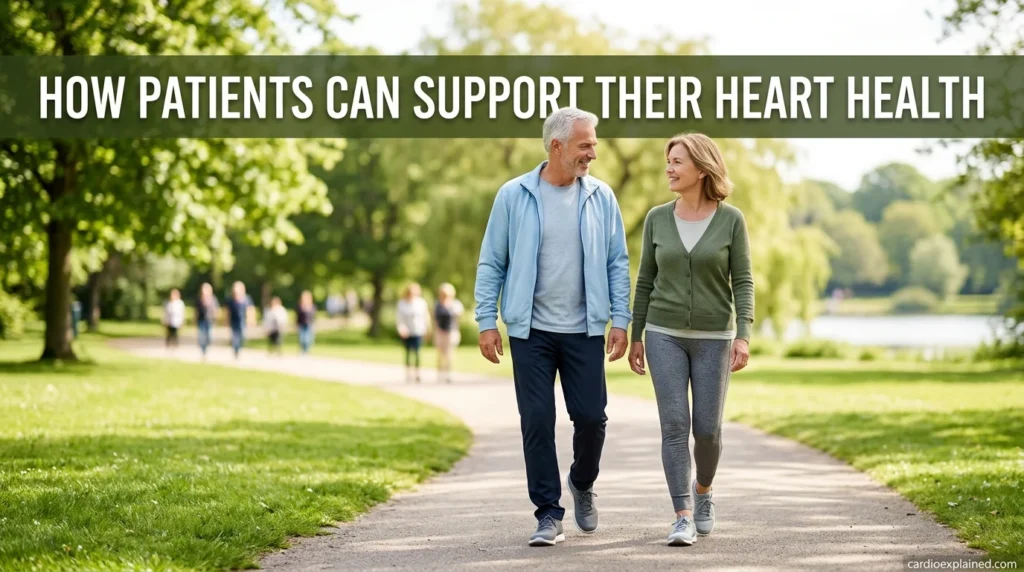
You play an important role in heart health.
Doctors provide advice. Your daily choices matter too.
Healthy Habits That Help
- ❤️ Walk most days of the week.
- ❤️ Eat more whole foods.
- ❤️ Limit sugary drinks.
- ❤️ Avoid tobacco.
- ❤️ Sleep seven to nine hours when possible.
- ❤️ Keep medical appointments.
You do not need perfect habits.
Small steps can add up over time.
Ask Questions During Visits
Bring a list before each visit.
You may ask:
- What is my heart risk?
- Should I check my cholesterol?
- Do I need more testing?
- Which foods help my heart?
- How much exercise is safe?
Good questions help you understand your care.
📋 Choosing a Preventive Cardiology Specialist
Some hospitals have special heart prevention clinics.
These clinics often include:
- 📋 Cardiologists
- 📋 Dietitians
- 📋 Diabetes educators
- 📋 Exercise specialists
- 📋 Nurses
Working together helps patients receive complete care.
If you need a specialist, ask your primary care doctor for guidance.
Medical centers connected with universities may also offer advanced prevention programs.
Frequently Asked Questions
Q: 😊 What is a preventive cardiology fellowship?
A: It is advanced training for heart doctors after standard cardiology training. The program teaches doctors how to prevent heart disease through early care, healthy habits, and risk management.
Q: 😊 How long does a preventive cardiology fellowship take?
A: Most programs last about one year. Some include extra research time and may last longer.
Q: 😊 Who should see a preventive cardiologist?
A: People with high heart risk may benefit. This includes those with high blood pressure, high cholesterol, diabetes, or a strong family history.
Q: 😊 Can preventive cardiology help if I already have heart disease?
A: Yes. Preventive care can help lower the chance of future heart problems. Your doctor may adjust medicines and suggest healthy lifestyle changes.
Q: 😊 Is preventive cardiology only for older adults?
A: No. Younger adults with strong family history or inherited cholesterol problems may also benefit from early care.
Q: 😊 Does a preventive cardiology fellowship improve patient care?
A: It gives doctors extra knowledge about preventing heart disease. That added training may help them create personalized plans based on current medical guidelines.
Conclusion
Heart disease often develops over many years, but early action can make a real difference. A preventive cardiology fellowship gives heart doctors advanced skills to find risks, guide healthy habits, and support long-term heart health. Patients, caregivers, and students can all benefit from understanding this special training. If you have heart concerns or risk factors, talk to a cardiologist. Early conversations may help you protect your heart for years to come.