
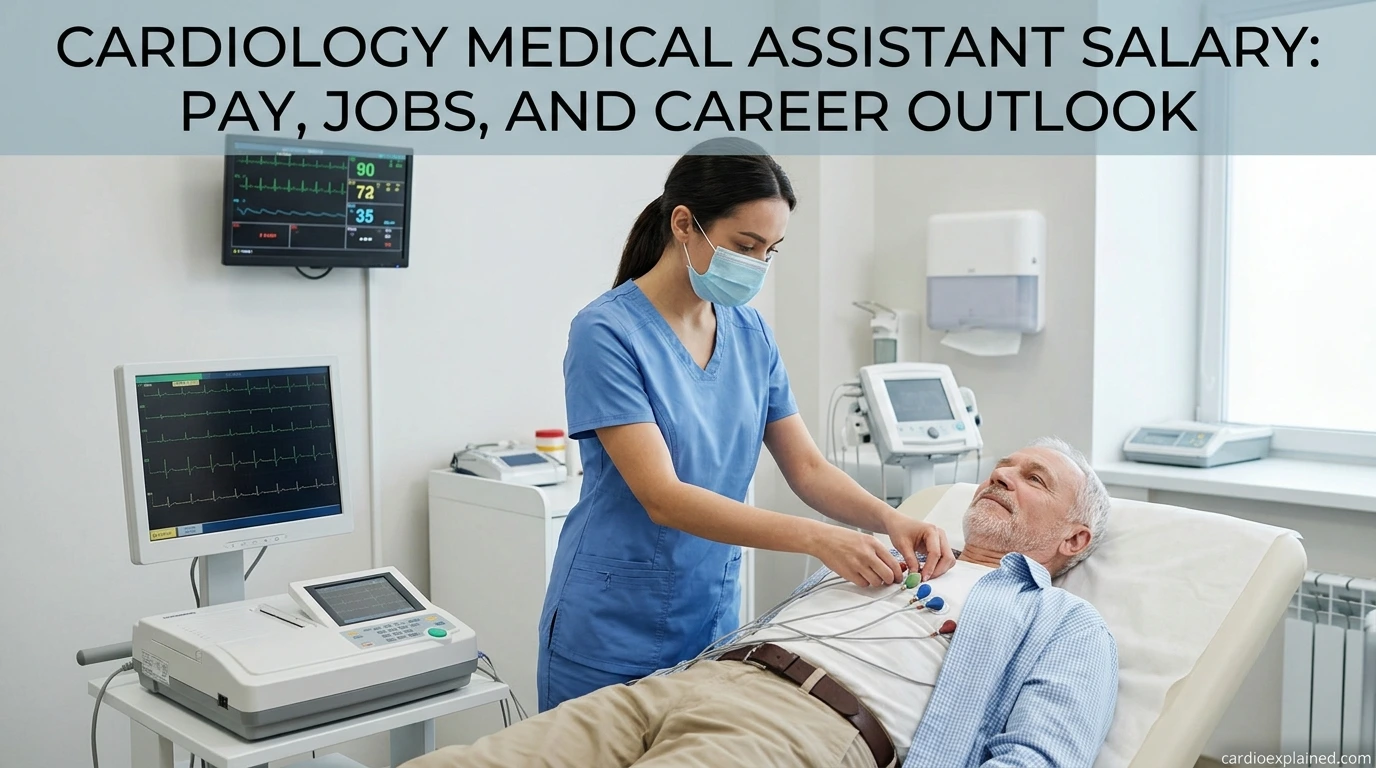

Cardiology medical assistant salary is the average pay earned by medical assistants who support heart care teams. It often ranges from about $35,000 to $50,000 per year in the United States. Pay can change based on location, skills, training, and work setting.
Have you ever wondered who helps a heart doctor prepare for a patient visit? A medical assistant often helps make each visit run smoothly. The cardiology medical assistant salary can interest students, career changers, and caregivers looking for health jobs. This role combines patient care with office skills.
Many people want to know what these workers do, how much they earn, and what training they need. You will learn about pay ranges, daily duties, career growth, and factors that affect income. You will also learn how cardiology clinics work and what skills can help you succeed.
What Does a Cardiology Medical Assistant Do?
❤️ A cardiology medical assistant helps heart care teams with daily patient care tasks. They work with doctors, nurses, and other health workers. Their job can include both patient support and office work.
Many patients feel nervous before their first heart visit. A medical assistant may greet them, explain simple steps, and help them feel more comfortable. A calm and friendly approach can make a big difference.
Common Duties in a Cardiology Clinic
A cardiology medical assistant may:
- 🩺 Check patient height, weight, blood pressure, and heart rate
- Record health history before the doctor visit
- Prepare exam rooms and medical tools
- Schedule visits and update patient records
- Help with heart tests ordered by the doctor
- Teach basic care instructions from the health team
Some assistants help with tests like an electrocardiogram, also called an ECG. An ECG records the heart’s electrical activity. It helps doctors look for heart rhythm problems.
Medical assistants do not diagnose heart problems. They support the care team and help collect important information.
A Real Patient Care Example
A patient may arrive for a first heart check and feel worried. The medical assistant may explain the visit steps and take basic measurements. This simple support can help the patient feel more at ease.
Another patient may return often for follow-up visits. The assistant may help keep records updated and prepare the patient for the doctor’s review.
Cardiology Medical Assistant Salary in the United States
The cardiology medical assistant salary can vary across the United States. Most medical assistants earn an hourly wage, yearly salary, or both depending on their job.
The national average for medical assistants is often around the low to middle $40,000 range per year. Cardiology offices may offer similar pay, with some jobs paying more because of extra skills or experience.
Here is a simple look at common pay ranges:
| Job Level | Average Yearly Pay | Common Experience | Work Setting |
| Entry-level assistant | About $35,000–$40,000 | New worker | Clinic or doctor office |
| Experienced assistant | About $40,000–$50,000 | Several years | Cardiology practice |
| Senior assistant | About $50,000+ | Advanced skills | Specialty clinics or hospitals |
Pay numbers can change by state, employer, and demand. Large cities often offer higher wages because living costs and health care needs may be higher.
Factors That Change Medical Assistant Pay
Several things may affect earnings:
- Location: Some states and cities pay more than others.
- Experience: More years of work can lead to higher pay.
- Training: Extra skills may improve job options.
- Certification: Some employers prefer certified workers.
- Workplace type: Hospitals may pay differently than small clinics.
A medical assistant who learns heart-related skills may have more choices. These skills can include ECG testing, patient records, and heart care procedures.
Education and Training Needed for Cardiology Medical Assistant Jobs
Most medical assistants complete a training program before starting work. Programs often take about one to two years.
Students usually learn:
- Basic anatomy, or how the body works
- Medical terms and common health words
- Patient safety steps
- Office tasks and records
- Basic clinical skills
Many employers also value certification. A certification shows that a person has completed training and passed a test.
Common Training Paths
People can enter this career through different paths:
- A medical assistant program at a school or college
- A certificate program
- On-the-job training with an employer
A person working in cardiology may receive extra training after being hired. This can include learning heart testing tools and clinic routines.
The American Heart Association (AHA) and the American College of Cardiology (ACC) support heart health education and quality care practices. Health teams often follow trusted medical standards when caring for patients.
Skills That Can Help You Earn More
📋 Strong skills can help medical assistants grow in their careers. Cardiology offices often value workers who can handle both people and details.
Important skills include:
Patient Communication
Heart visits can feel stressful. Good communication helps patients understand what happens next. A kind voice and clear words can build trust.
Medical Testing Skills
Some cardiology medical assistants learn how to perform ECG tests. They may also help prepare patients for other heart tests ordered by a doctor.
Record Management
Medical records must stay accurate. Assistants often enter health information and update patient files.
Organization
A busy clinic may have many patients each day. Good organization helps the team stay on schedule.
Continued Learning
Health care changes over time. Learning new skills can help medical assistants take on more duties.
Career Growth and Job Outlook for Medical Assistants
The need for health care workers continues to grow. More people need heart care as the population ages. This may create more jobs in cardiology offices and other health settings.
A medical assistant can also grow into other health roles. Some continue their education and become nurses or other health professionals.
Career paths may include:
- Cardiology medical assistant
- Senior medical assistant
- Clinical office supervisor
- Nursing career after more education
The work can be rewarding for people who enjoy helping others. Many assistants build long-term relationships with patients and care teams.
How Cardiology Work Differs From General Medical Assisting
Cardiology assistants often focus on heart care visits. General medical assistants may work with many types of health concerns.
Cardiology offices may require more knowledge about:
- Heart tests
- Heart medications
- Blood pressure checks
- Heart rhythm monitoring
This specialty knowledge can help workers stand out when applying for jobs.
How to Start a Career as a Cardiology Medical Assistant
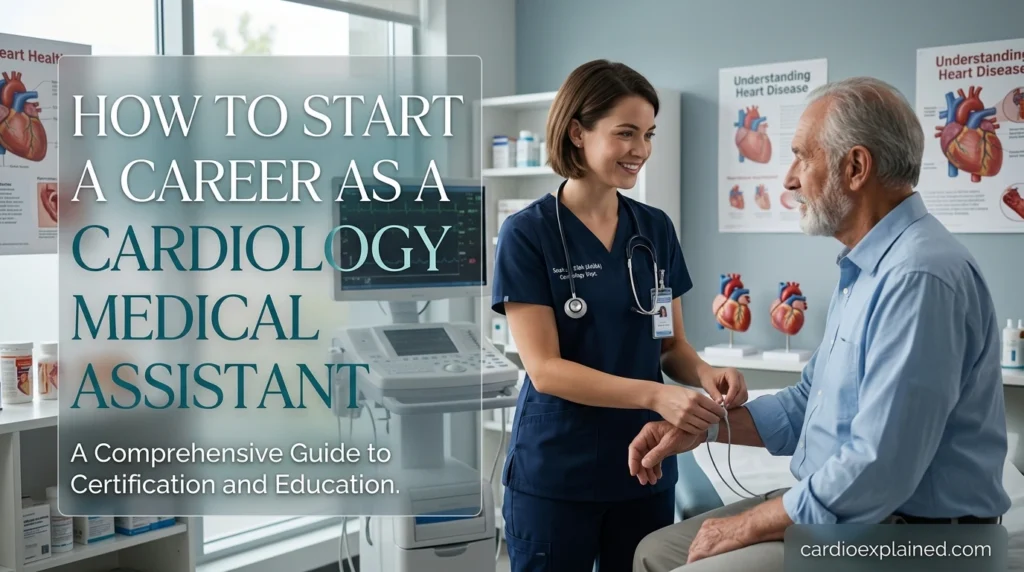
🩺 Starting this career often begins with a simple plan. You do not need years of school to enter the field.
A basic path may look like this:
- Research medical assistant programs.
- Complete required education or training.
- Gain hands-on experience.
- Apply for cardiology office jobs.
- Continue learning new skills.
Before choosing a program, check if it meets employer needs in your area. Some students choose programs that include clinical practice. This gives them real patient care experience.
A career in cardiology can fit people who enjoy science and helping others. It can also provide a steady path in health care.
Frequently Asked Questions
Q: What is the average cardiology medical assistant salary?
A: The average pay often falls near the low to middle $40,000 range each year. The amount can change based on location, experience, and employer.
Q: Do cardiology medical assistants make more than regular medical assistants?
A: Sometimes, yes. Specialty skills and experience may lead to higher pay in some cardiology jobs.
Q: How long does it take to become a cardiology medical assistant?
A: Many training programs take one to two years. Some people also complete certification to improve job options.
Q: Can a medical assistant work with heart patients without being a nurse?
A: Yes. Medical assistants support heart care teams without providing nurse-level care. They perform tasks allowed by their training and workplace rules.
Q: Is a cardiology medical assistant salary higher in hospitals?
A: It can be higher in some hospitals. Pay depends on the employer, region, experience, and job duties.
Q: What skills help increase a cardiology medical assistant salary?
A: Skills like ECG testing, patient care, and accurate records may help improve career opportunities. Extra training can also help.
Conclusion
A career as a cardiology medical assistant can offer meaningful work and steady opportunities. Pay can depend on location, experience, training, and job setting. Good patient care skills and medical knowledge can help workers grow.
The cardiology medical assistant salary is only one part of this career choice. Many people enjoy the chance to support patients during important heart care visits. Talk to a cardiologist or health career advisor if you have questions about heart care or this career path.