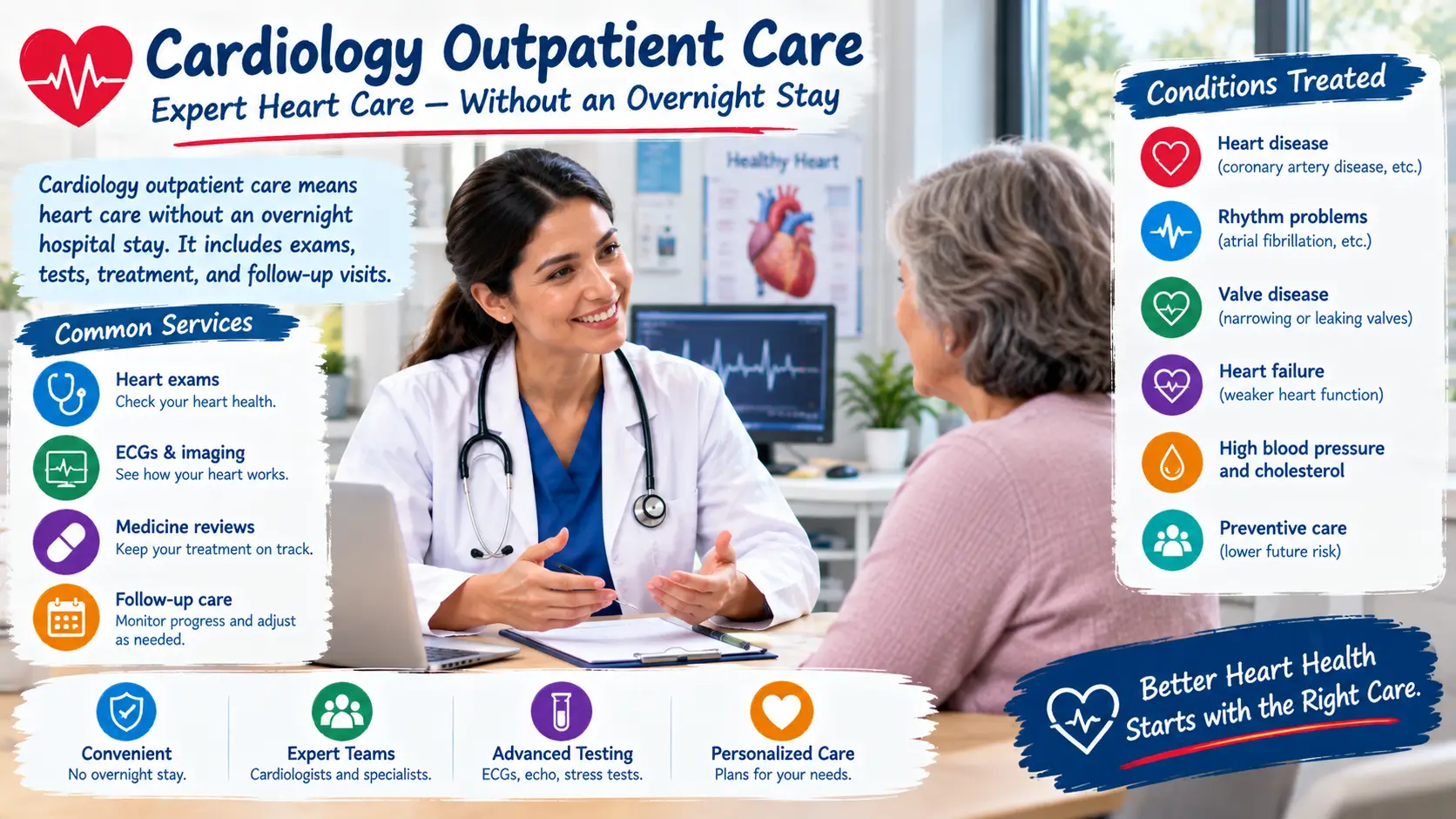

Cardiology outpatient care means heart care without an overnight hospital stay. It can include exams, heart tests, medicines, and follow-up visits. Doctors use outpatient care to check symptoms, manage heart conditions, and track progress.
A heart visit can feel stressful when you do not know what will happen. You may wonder about tests, medicines, or the time needed. Cardiology outpatient care can make heart care more planned and easier to understand.
Most visits happen in a clinic, office, or medical center. You usually go home after the visit. Some tests may take more time, but many happen during normal clinic hours. Your care team may include a cardiologist, nurse, medical assistant, or other trained staff.
This guide explains why people visit heart clinics and what they may expect. You will learn about common symptoms, tests, treatments, and daily heart care. You will also see examples of clinics people may find while searching online. These examples are not rankings or endorsements.
What Is Cardiology Outpatient Care?
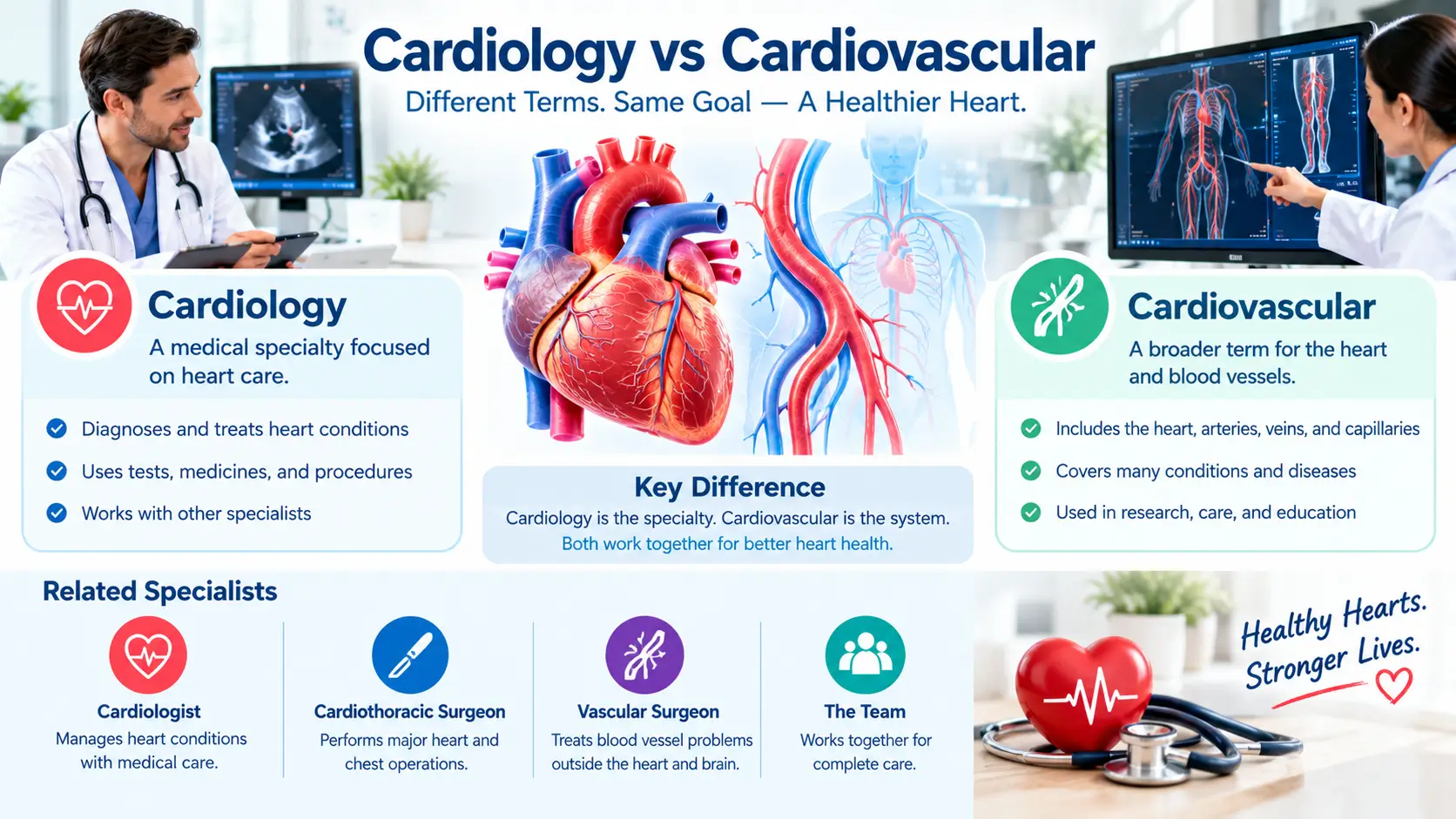
Cardiology outpatient care focuses on heart care outside an overnight hospital stay. A cardiologist is a doctor who treats heart and blood vessel problems. Some visits may also include nurse practitioners or physician assistants.
Outpatient care can cover many needs. You may visit for a new symptom, a follow-up, or a routine check. Your provider may review your health history and medicines. They may also check your blood pressure, heart rate, and other signs.
Common outpatient services can include:
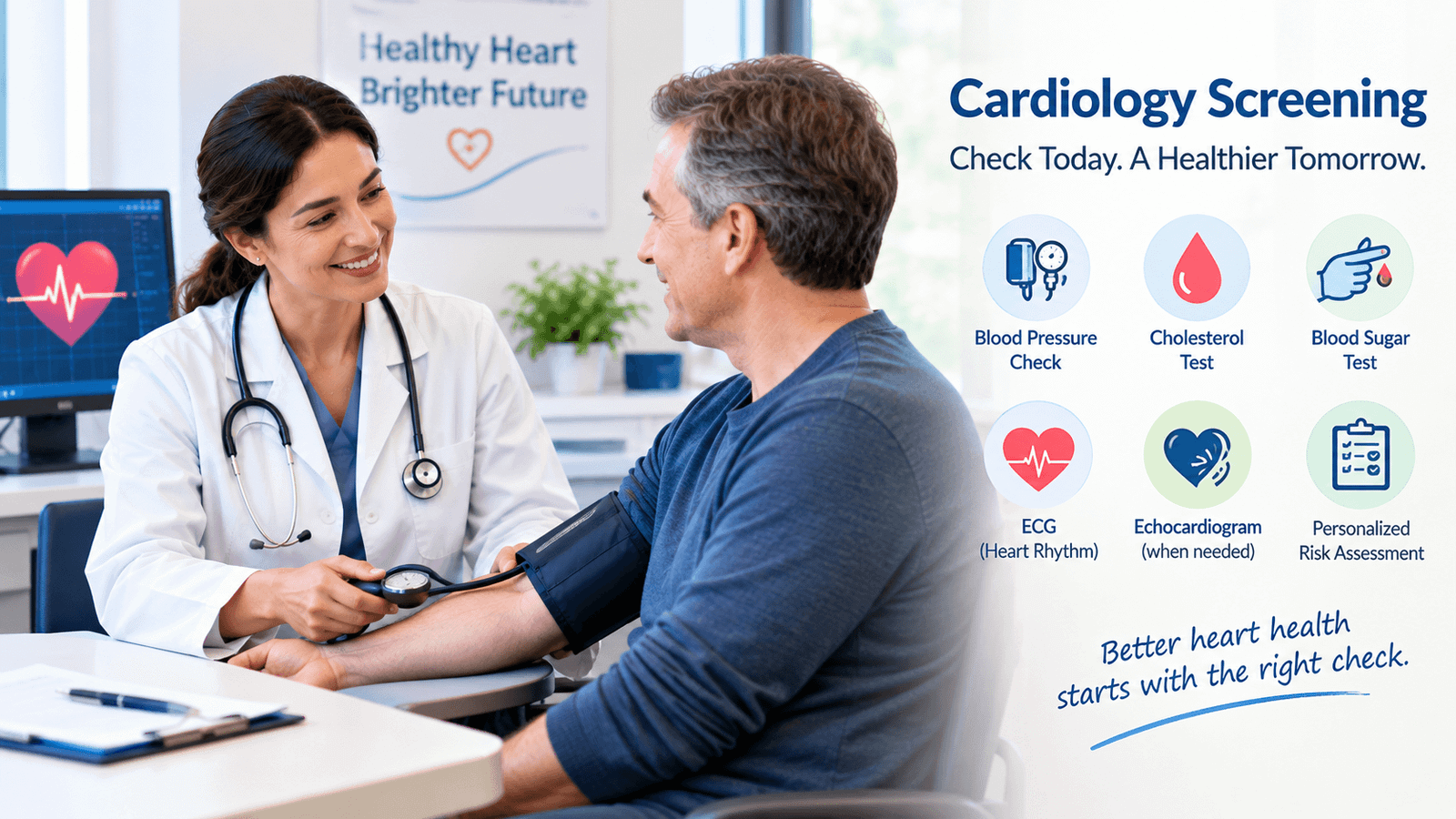
- Heart exams and health reviews
- Electrocardiograms, also called ECGs or EKGs
- Echocardiograms, which use sound waves to show the heart
- Stress tests that check the heart during activity
- Heart rhythm monitoring
- Medicine reviews and care plans
- Follow-up after a hospital visit
- Lifestyle and risk-factor support
A heart rhythm monitor can record your heartbeat over time. This can help when symptoms come and go.
Outpatient care does not mean that every heart problem is mild. Some serious problems need fast hospital care. Your care team can help decide where you need treatment.
What Happens During a Typical Visit?
First, a staff member may check your weight, blood pressure, and heart rate. Next, the provider asks about symptoms and your health history.
You may discuss chest discomfort, breathing problems, swelling, tiredness, or a racing heartbeat. Bring a list of your medicines and any recent test results.
Your provider may suggest a test or a follow-up visit. The plan depends on your symptoms and health needs.
Why Might Someone Need an Outpatient Cardiology Visit?
People may need heart care for many reasons. Some have known heart disease. Others have symptoms that need a closer look.
A primary care provider may refer you to a cardiologist. You can also have follow-up care after a hospital stay. Some people visit because heart disease runs in their family.
Risk factors can also lead to heart care. These include high blood pressure, diabetes, high cholesterol, smoking, and low activity. Age and family history can also affect heart disease risk.
Common Reasons for a Visit
A cardiology visit may help with:
- Chest pain or pressure
- Shortness of breath
- A fast or uneven heartbeat
- Dizziness or fainting
- Leg or ankle swelling
- High blood pressure
- High cholesterol
- Known heart disease
- Heart valve problems
- Heart failure
- Follow-up after a heart procedure
Not every symptom means you have heart disease. Many problems can have other causes. A provider uses your symptoms, history, exam, and tests together.
Consider a patient named Maria. She notices shortness of breath when walking upstairs. Her primary care provider sends her to cardiology.
The cardiology team asks about her symptoms and health history. They may order tests based on what they find. The visit gives Maria a clear next step without requiring an overnight stay.
What About Follow-Up Care?
Follow-up visits can help track changes over time. Your provider may review blood pressure, symptoms, test results, and medicines.
The plan may change when your health changes. Some people need only occasional visits. Others need regular care for a long-term heart condition.
What Symptoms May Lead to Outpatient Cardiology Care?
Heart symptoms can look different from person to person. Some symptoms are mild or happen only during activity. Others may appear without warning.
Common symptoms include chest discomfort, shortness of breath, dizziness, and unusual tiredness. A fluttering or racing feeling can also need medical review.
Swelling in the legs or ankles may occur with some heart conditions. A drop in exercise ability can also matter. Tell your provider when symptoms started and what makes them better or worse.
Keep a Simple Symptom Record
A short symptom log can help your visit. Write down:
- What you felt
- When it started
- How long it lasted
- What you were doing
- What made it better
- What made it worse
- Any other symptoms
This record can help your provider see patterns. It can also help you remember details during a busy visit.
Imagine James, who feels his heart race several times each week. The episodes last only a few minutes. He writes down the time, activity, and symptoms.
His cardiology team can use those details when choosing the next test. A heart rhythm monitor may help record an episode.
Symptoms Can Have Many Causes
A symptom does not always point to one condition. Anxiety, lung problems, anemia, medicines, and other issues can cause similar feelings.
That is why self-diagnosis can be risky. A heart specialist looks at the full picture before making care decisions.
A provider may ask about sleep, activity, diet, smoking, alcohol, medicines, and family history. These details can help guide the visit.
If symptoms are new, severe, or getting worse, contact a healthcare professional promptly. Do not wait for a routine visit when warning signs are severe.
How Does an Outpatient Cardiology Team Check Your Heart?
Your provider may use several tools to learn how your heart works. The choice depends on your symptoms and medical history.
An ECG or EKG records the heart’s electrical activity. It can show heart rate and rhythm. The test is quick and painless.
An echocardiogram uses sound waves to create moving pictures of the heart. It can show heart size, structure, valves, and pumping strength.
A stress test checks how your heart works during physical stress. Many stress tests use a treadmill or stationary bike. Some use medicine when exercise is not possible.
| Test | Main purpose | What you may experience |
| ECG/EKG | Records heart rhythm and electrical signals | Small skin patches and a few minutes of testing |
| Echocardiogram | Shows heart structure and pumping | Gel and an ultrasound probe on the chest |
| Stress test | Checks heart response during activity | Walking or cycling while staff monitor you |
| Heart monitor | Records rhythm over a longer time | A wearable monitor during daily life |
Your provider may also order blood tests or imaging. Some patients may need more advanced tests.
What If a Test Is Needed?
Ask why the test is needed and what it can show. You can also ask how to prepare.
Some tests need special instructions about food, drinks, or medicines. Follow the instructions from your care team.
Test results often work best when combined with your symptoms and health history. One test alone may not explain every heart concern.
These common tests support many outpatient visits. They can help guide the next step in care.
What Treatment Can Happen During Cardiology Outpatient Care?
Treatment depends on the heart problem, symptoms, and overall health. A provider may suggest medicine, lifestyle changes, monitoring, or another procedure.
Medicines may help control blood pressure, cholesterol, heart rhythm, or other problems. Your provider may adjust the dose or timing during follow-up.
Never stop a heart medicine on your own. Ask your care team before making medicine changes.
Lifestyle Support
Heart care often includes daily habits. Your provider may discuss food choices, physical activity, sleep, weight, smoking, and stress.
Small changes can be easier to maintain than large changes. Your care team can help set goals that fit your health and routine.
Cardiac rehabilitation may also help some people after certain heart events or procedures. It is a supervised program with exercise, education, and stress support.
The American Heart Association describes cardiac rehab as a medically supervised program. It can support people after heart attack, heart failure, angioplasty, or heart surgery.
What Does a Care Plan Look Like?
A care plan may include medicines and a follow-up date. It may also include home blood pressure checks or heart rhythm tracking.
For example, Daniel has high blood pressure and a history of heart disease. His cardiology team reviews his readings and medicines.
The team may adjust his plan based on those readings. Daniel also learns which symptoms should prompt a call.
Care plans can change over time. Regular follow-up helps your team see what is working.
How Can You Prepare for Better Outpatient Heart Care?
Good preparation can make a visit smoother. Start by writing down your main questions.
Bring your medicine list, including over-the-counter products and supplements. Include the dose if you know it.
You may also bring recent blood pressure readings. Write down any new symptoms and their timing.
Questions to Ask
You can ask:
- What could be causing my symptoms?
- Do I need a heart test?
- What does this test look for?
- How should I prepare?
- When will I get the results?
- Should I change any medicines?
- What warning signs should I watch for?
- When should I return?
A caregiver can join the visit when allowed. Another person may help remember instructions and questions.
Finding a Cardiology Clinic
Online searches may show many clinic names. Search terms can include “IHC cardiologists,” “Intermountain Health Cardiology Provo,” or “Provo Cardiology.”
Intermountain Health currently lists cardiology providers at its Utah Valley Clinic in Provo. Its provider directory also lists cardiology locations in American Fork and nearby communities.
People in Colorado may search for “UCHealth cardiology scheduling.” UCHealth lists its Heart and Vascular Clinic in Loveland. The clinic includes cardiology and cardiovascular providers.
Other searches include “UCHealth Heart and Vascular Clinic Longmont” or “UCHealth Heart and Vascular Center Anschutz Medical Campus.” Clinic names and services can change, so check the health system’s current site.
These search terms can help you find care near your home. They do not show that one clinic is right for every person.
When Should You See a Doctor or Seek Emergency Heart Care?
Some symptoms can wait for a planned outpatient visit. Others need urgent medical attention.
Call 911 for signs that may suggest a heart attack or another emergency. Do not drive yourself if emergency symptoms are severe.
Warning signs can include:
- Chest pressure, squeezing, or pain
- Trouble breathing that is severe or sudden
- Fainting or severe weakness
- Sudden cold sweat with chest discomfort
- Pain that spreads to the arm, back, neck, jaw, or shoulder
- New severe symptoms that feel life-threatening
Heart attack symptoms can vary. Some people may have less typical symptoms. Older adults and people with diabetes may have different symptoms.
If you are unsure, seek urgent medical help. Emergency teams can assess your symptoms and start care quickly.
When Is an Outpatient Visit More Appropriate?
A planned visit may fit symptoms that are mild, stable, or already being followed. Examples include routine blood pressure review or scheduled test results.
You may also need outpatient follow-up after a hospital stay. Your care team can explain the timing.
If symptoms suddenly change, do not assume your routine appointment is enough. Contact your healthcare professional or emergency services based on symptom severity.
Real-World Example
Sarah has mild ankle swelling that has slowly increased. She has no severe breathing trouble or chest pain.
She contacts her healthcare team and gets an outpatient appointment. The provider reviews her medicines, symptoms, and health history.
That visit may lead to tests or medicine changes. The key is matching the care setting to the symptoms.
Frequently Asked Questions
Q: What does cardiology outpatient mean?
A: It means heart care without an overnight hospital stay. You may receive exams, tests, treatment, and follow-up. The care setting depends on your symptoms and needs.
Q: Are IHC cardiologists available in Provo?
A: If you mean Intermountain Health, yes, cardiology providers are listed in Provo. Its current directory shows Utah Valley Clinic – Cardiology in Provo. Check the provider directory for current doctors and appointment details.
Q: How do I find Intermountain Health cardiology in Provo?
A: Search the Intermountain Health provider directory for Provo cardiology. The current listing includes Utah Valley Clinic – Cardiology. Availability and providers can change, so confirm details before booking.
Q: Can I find UCHealth cardiology scheduling online?
A: Yes, UCHealth provides online information for its heart and vascular locations. The Loveland clinic lists cardiology providers and patient portal access. Use the current UCHealth site for scheduling options.
Q: What is UCHealth Heart and Vascular Clinic in Longmont?
A: It is a UCHealth heart and vascular care location in Colorado. Services and providers may change over time. Check the current UCHealth location page before planning a visit.
Q: Is Provo Cardiology the same as every cardiology clinic in Provo?
A: No. Provo has more than one cardiology practice and care location. Compare location, services, insurance, and appointment options before choosing care.
Q: What happens at a first cardiology outpatient visit?
A: The provider reviews your symptoms, history, medicines, and risk factors. They may perform an exam and order heart tests. Your next steps depend on what they find.
Conclusion
Cardiology outpatient care can help people receive heart care without an overnight stay. Visits may include exams, ECGs, echocardiograms, stress tests, medicines, and follow-up.
Your symptoms and health history help guide the care plan. Good preparation can also make visits easier and more useful. Bring your medicine list, questions, and recent health readings when possible.
Online searches can help you find local heart clinics. Still, clinic details and provider availability can change. Check the health system’s current information before booking.
Cardiology outpatient visits are useful for many planned heart care needs. Emergency symptoms need faster medical attention.
Talk to a cardiologist if you have any heart concerns.
Medically reviewed for accuracy. Always consult a licensed cardiologist for personal advice.