
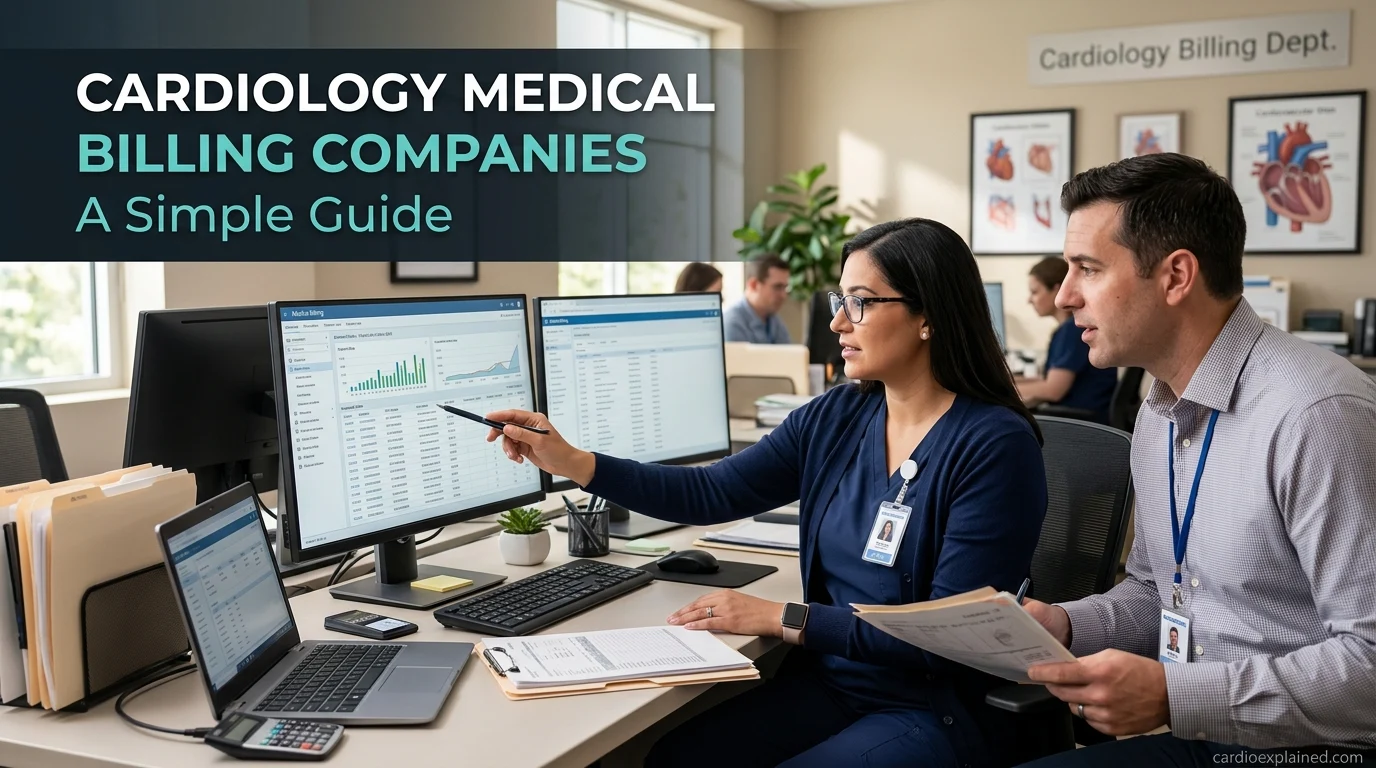

Cardiology medical billing companies help heart doctors send claims, track payments, and reduce billing errors. They support clinics by handling insurance rules and coding tasks. This lets cardiologists spend more time caring for patients and less time on paperwork.
Have you ever wondered how a heart clinic gets paid after your visit? Most people only see the doctor. They do not see the billing work behind the scenes. That work can take many hours.
Many cardiology medical billing companies help heart clinics handle this process. They prepare claims, check insurance, and follow payment rules. This support helps clinics stay organized and serve patients faster.
Patients also benefit from good billing. They may receive fewer billing mistakes and faster insurance updates. Families often feel less stress when bills make sense. Students can also learn how billing supports modern healthcare.
Heart care often includes many tests, follow-up visits, and procedures. Each service needs the correct billing code. A small mistake may delay payment or create extra work. That is why many clinics choose trained billing experts.
❤️ What Are Cardiology Medical Billing Companies?
Heart care billing is different from general medical billing. Heart doctors perform many special tests and procedures. Insurance companies have strict rules for these services.
Cardiology medical billing companies focus only on heart care billing. Their teams understand common heart procedures, insurance policies, and medical codes. Medical codes are number systems that describe each service.
How They Help Heart Clinics
These companies usually manage several billing tasks.
- 📋 Check patient insurance before visits.
- 📋 Enter the correct billing codes.
- 📋 Send claims to insurance companies.
- 📋 Track unpaid claims.
- 📋 Appeal denied claims.
- 📋 Answer billing questions.
- 📋 Create billing reports for the clinic.
This work keeps the payment process moving. Doctors and nurses can focus more on patient care.
Why Heart Care Needs Special Billing
Cardiology includes many detailed services. A patient may receive several tests during one visit.
Examples include:
| Heart Service | Why Billing Needs Extra Care |
| Electrocardiogram (ECG) | Records the heart’s electrical signals. |
| Echocardiogram | Uses sound waves to create heart images. |
| Stress test | Checks how the heart works during exercise. |
| Heart catheterization | Looks inside heart blood vessels. |
Each service follows different insurance rules. Billing teams must understand these rules before sending claims.
A Real-Life Example
Mr. Adams visited a heart clinic after chest discomfort. His doctor ordered an ECG and an echocardiogram. The billing team checked his insurance before the visit. They submitted accurate claims after the tests.
Because the paperwork was correct, his insurance processed the claim quickly. Mr. Adams received a clear bill with fewer surprises.
This type of support helps many patients every day.
🩺 Why Do Heart Clinics Use Cardiology Medical Billing Companies?
Running a heart clinic takes teamwork. Doctors care for patients. Nurses provide support. Office staff schedule visits. Billing specialists manage payments.
Many clinics choose outside billing companies because healthcare billing changes often. Insurance companies update rules throughout the year.
Better Knowledge of Heart Care Billing
Heart care includes many procedures that need exact coding.
Coding means assigning special numbers to medical services. These numbers tell insurance companies what happened during the visit.
Billing experts stay current with new coding updates. This reduces mistakes that may delay payment.
Faster Payments
When claims contain correct information, insurance companies often process them sooner.
Good billing companies may help clinics:
- ✅ Reduce claim errors.
- ✅ Lower payment delays.
- ✅ Improve cash flow.
- ✅ Track unpaid claims quickly.
- ✅ Find billing problems early.
Steady payments help clinics continue serving patients.
Less Work for Doctors
Doctors already spend long hours caring for patients.
Without billing support, they may also need to review paperwork, fix coding mistakes, and answer insurance questions.
Professional billing teams handle much of this work.
Many cardiologists say they value having more time with patients instead of dealing with billing issues.
Following Industry Standards
Heart clinics often follow guidance from groups like the American Heart Association (AHA) and the American College of Cardiology (ACC). Billing teams also stay updated on Medicare, Medicaid, and private insurance requirements.
While billing companies do not treat patients, they help clinics follow accepted billing standards.
Another Patient Story
Mrs. Lopez needed several follow-up visits after a heart procedure. She worried about receiving many confusing bills.
The clinic’s billing team explained her insurance benefits before each visit. They corrected one insurance issue early. This helped prevent a larger billing problem later.
Good communication often reduces stress for patients and families.
⏱️ Signs That a Heart Clinic May Need Better Billing Support
Patients usually do not notice billing problems until something goes wrong. Clinics often see warning signs much earlier.
Several issues may show that billing needs improvement.
Frequent Insurance Claim Denials
A denied claim means the insurance company refused payment.
This may happen because:
- ⚠️ A billing code was wrong.
- ⚠️ Patient information was incomplete.
- ⚠️ The claim arrived too late.
- ⚠️ Insurance needed more records.
Many denied claims can slow clinic income.
Long Payment Delays
Some claims take longer than expected.
Billing staff should review delayed claims and contact insurance companies when needed.
Quick follow-up often helps solve small problems before they become larger ones.
Many Patient Billing Questions
Patients want clear and simple bills.
Confusing statements may cause stress and frustration.
Good billing teams explain charges using easy language whenever possible.
Too Much Staff Time on Billing
Office workers should spend time helping patients.
If staff spend most of their day fixing billing mistakes, patient service may suffer.
Many clinics choose outside billing support to reduce this workload.
Growth Creates New Challenges
As heart clinics grow, billing becomes more complex.
A larger clinic may perform:
- More heart tests.
- More follow-up visits.
- More procedures.
- More insurance claims.
Without organized billing systems, mistakes may increase.
A Third Patient Example
James recently changed health insurance after starting a new job. His first heart clinic claim was rejected because the old insurance remained on file.
The billing team quickly updated his records and sent the claim again. His insurance approved payment after the correction.
Simple updates like this help patients avoid extra worry.
Heart clinics depend on accurate billing to stay financially healthy. Good billing also supports better patient experiences by reducing delays and confusion. The right billing partner helps both the clinic and the people it serves.
📋 How Do Doctors Check Billing Accuracy?
Good billing starts with accurate medical records. Doctors and billing teams work together. They make sure each service matches the patient’s visit.
Medical Records Matter
Every visit creates a medical record. It explains why the patient came, what tests the doctor ordered, and what treatment the patient received.
Billing specialists review these records before sending claims.
Common Heart Tests and Their Billing
Different heart tests have different billing codes.
| Test | Purpose | Why Accurate Billing Matters |
| Electrocardiogram (ECG) | Records heart rhythm | Uses the correct code for payment |
| Echocardiogram | Creates heart images | Documents the reason for the test |
| Stress Test | Checks heart during activity | Matches insurance requirements |
| Holter Monitor | Records heart rhythm over time | Bills the correct monitoring period |
Accurate records help reduce claim denials.
Insurance Verification
Many clinics check insurance before appointments.
This step helps staff confirm:
- ✅ Active insurance coverage
- ✅ Referral needs
- ✅ Copay amounts
- ✅ Prior authorization when required
Prior authorization means the insurance company approves some services before treatment.
Checking these details early helps avoid billing surprises.
Reviewing Claims Before Submission
Billing specialists look for common mistakes before sending claims.
They may check:
- Missing patient details
- Wrong billing codes
- Missing doctor notes
- Duplicate claims
Small reviews can prevent larger delays later.
✅ Treatment Options: How Good Billing Helps Patients and Clinics

Medical billing does not treat heart disease. Still, good billing supports better healthcare.
When clinics receive timely payments, they can focus on patient care instead of paperwork.
Better Patient Communication
Good billing companies explain charges clearly.
Patients often understand:
- What insurance paid
- What they may owe
- Why certain services cost more
- Payment choices
Clear answers reduce confusion.
Faster Insurance Processing
Accurate claims often move through insurance systems faster.
That may help patients receive bills sooner instead of waiting several months.
Better Support for Growing Clinics
Many heart clinics add new doctors or services.
Outside billing companies often grow with the practice.
They can manage:
- More appointments
- More insurance plans
- More procedures
- More patient accounts
Technology Helps Reduce Errors
Many billing companies use electronic health record (EHR) systems.
These systems store patient information securely.
Some systems also check claims before submission.
Technology cannot replace trained people. It simply helps them work more accurately.
A Real-Life Example
A busy heart clinic added two new cardiologists.
Patient visits increased quickly.
The clinic partnered with a billing company to manage insurance claims.
Soon, office staff spent less time fixing billing problems.
Patients also received clearer billing statements.
❤️ Tips for Choosing Cardiology Medical Billing Companies
Not every billing company offers the same services.
Heart clinics should compare several options before making a choice.
Look for Heart Care Experience
Heart care includes many special procedures.
Companies with cardiology experience often understand these services better.
Ask how long they have worked with cardiology practices.
Check Communication
Good communication matters.
Choose a company that answers questions quickly.
Patients also benefit when billing staff explain charges clearly.
Ask About Reporting
Many billing companies provide reports each month.
These reports may show:
- 📋 Claims sent
- 📋 Claims paid
- 📋 Denied claims
- 📋 Payment trends
Reports help clinics improve over time.
Data Security Matters
Medical information is private.
Billing companies should protect patient records using secure systems.
They should also follow federal privacy rules.
Compare Services
Some companies only submit claims.
Others also help with coding, payment tracking, and insurance appeals.
Choose services that match the clinic’s needs.
⚠️ When Should You Talk to Your Doctor or Billing Office?
Patients should never ignore confusing medical bills.
Many problems have simple solutions.
Contact the Billing Office If You Notice:
- ⚠️ A service you did not receive
- ⚠️ Insurance information is wrong
- ⚠️ A bill arrives after many months
- ⚠️ You do not understand a charge
The billing team can often explain or correct the issue.
Talk to Your Doctor If:
- You have questions about recommended tests.
- You need help understanding your treatment plan.
- Your insurance denied an important heart service.
- You worry about delaying needed care because of costs.
Doctors and billing staff often work together to help patients understand their options.
Never skip heart care because you feel confused about a bill. Ask questions early.
❓ Frequently Asked Questions
Q: What do cardiology medical billing companies do?
A: They manage insurance claims, medical coding, payment tracking, and billing support for heart clinics. Their work helps reduce billing errors and improve payment speed.
Q: Do cardiology medical billing companies help patients directly?
A: Yes. They may answer billing questions, explain insurance charges, and help solve claim problems. They do not provide medical treatment.
Q: Why is heart care billing different from general medical billing?
A: Heart care often includes special tests and procedures. Each service follows different insurance rules and billing codes.
Q: Can billing mistakes affect my medical care?
A: Yes, they may delay insurance payments or create confusing bills. Most billing issues can be corrected when reported quickly.
Q: Do all heart clinics use outside billing companies?
A: No. Some clinics manage billing in-house. Others choose outside specialists because they have more experience with complex cardiology claims.
Q: How can I reduce billing problems during my visit?
A: Bring your current insurance card. Check your personal information. Ask questions before tests if you have billing concerns.
Q: Are cardiology medical billing companies worth it for small clinics?
A: In many cases, yes. Small clinics may save time, reduce claim denials, and improve payment accuracy by using experienced billing professionals.
Conclusion
Good healthcare depends on more than doctors and nurses. Accurate billing also plays an important role. Cardiology medical billing companies help heart clinics submit correct claims, reduce payment delays, and improve patient communication. They support doctors by handling complex insurance rules and billing tasks. Patients also benefit from clearer bills and fewer billing problems. If you have questions about your heart care costs, talk with your doctor’s office or billing team. They can often explain your options and help resolve concerns. If you have any heart health concerns, speak with a licensed cardiologist for personal medical advice.
Medically reviewed for accuracy. Always consult a licensed cardiologist for personal advice.