
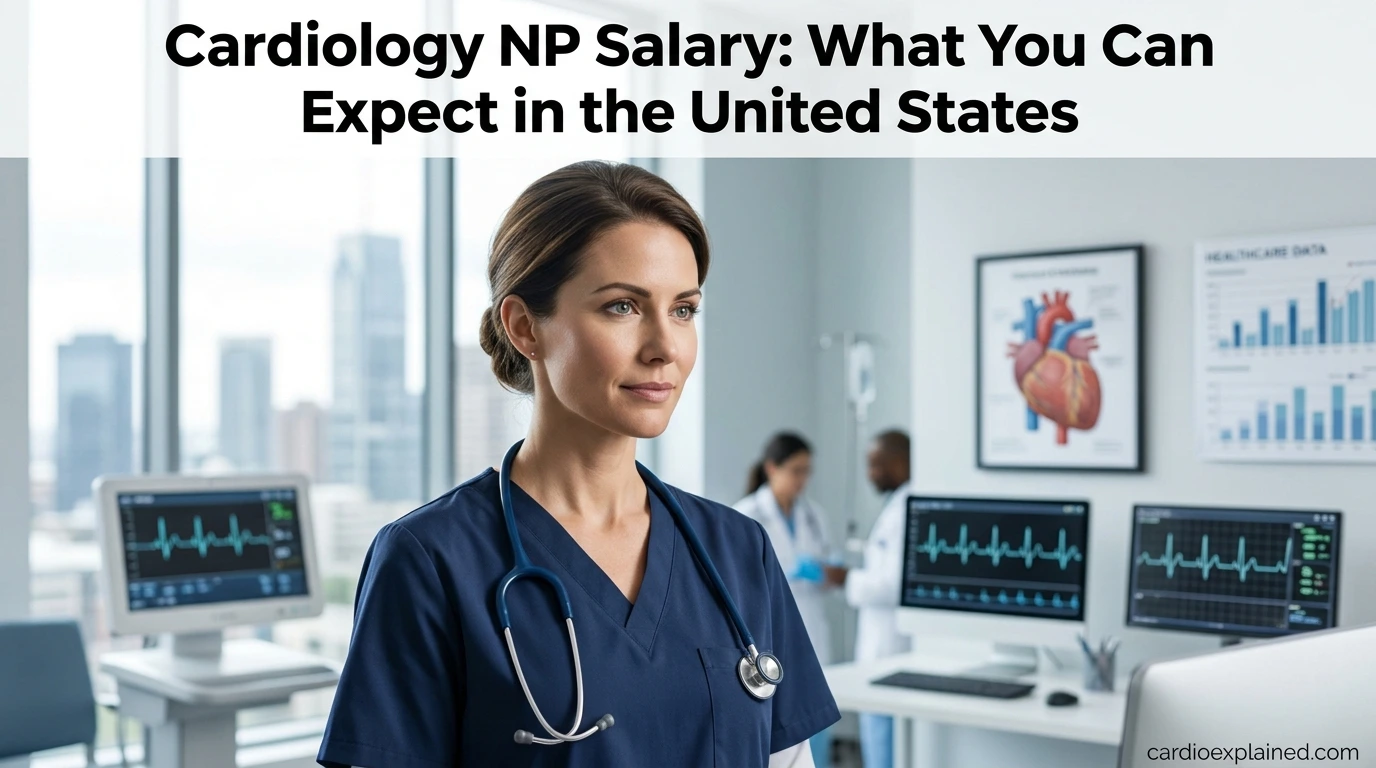

Cardiology NP salary is the average pay a nurse practitioner earns while caring for people with heart conditions. Pay depends on experience, location, work setting, and job duties. Many cardiology nurse practitioners earn strong salaries because they have advanced skills and help manage complex heart care.
Have you ever wondered why some nurse practitioners earn more than others? Maybe you enjoy heart care and want to know if this career fits your goals. The cardiology np salary often draws attention because heart specialists play an important role in patient care. They help people before, during, and after heart treatment. They also teach healthy habits and work closely with doctors. Salary is only one part of the picture, though. Daily work, job growth, and work-life balance also matter. Learning about these areas can help students, career changers, and anyone curious about this rewarding healthcare path.
❤️ What Does a Cardiology Nurse Practitioner Do?
A cardiology nurse practitioner, or NP, is an advanced practice registered nurse. They care for people with heart and blood vessel problems.
Many patients feel nervous before a heart visit. A cardiology NP often helps them feel calm. They explain test results in simple words. They answer questions and help families understand the next steps.
Common duties include:
- 🩺 Check heart health during office visits.
- 🩺 Review test results.
- 🩺 Order common tests when allowed by state law.
- 🩺 Prescribe medicines in many states.
- 🩺 Teach healthy eating and exercise habits.
- 🩺 Help patients manage long-term heart disease.
They often work with cardiologists. A cardiologist is a doctor who treats heart diseases.
The American Heart Association (AHA) and the American College of Cardiology (ACC) support team-based heart care. This means doctors, nurse practitioners, nurses, and other health workers care for patients together.
💰 Cardiology NP Salary: Average Pay and What Affects It
The cardiology np salary varies across the United States. Most cardiology nurse practitioners earn more than many registered nurses because they have advanced education and greater responsibility.
The table below shows common salary ranges.
| Experience | Typical Annual Salary | Common Situation |
| Entry level | $110,000–$125,000 | First few years |
| Mid-career | $125,000–$145,000 | Growing skills |
| Experienced | $145,000–$170,000+ | Many years or leadership |
These numbers are estimates. Actual pay may differ by employer and location.
What Changes Salary?
Several factors affect income.
- ✅ Years of experience
- ✅ State and city
- ✅ Hospital or clinic
- ✅ Extra certifications
- ✅ Call schedules
- ✅ Full-time or part-time work
Large hospitals often pay more than small clinics. Some jobs also include bonuses or overtime pay.
📋 Education and Training
Becoming a cardiology nurse practitioner takes time and dedication.
Most people follow these steps:
- Earn a nursing degree.
- Pass the registered nurse licensing exam.
- Gain nursing experience.
- Complete a nurse practitioner graduate program.
- Earn national certification.
- Find a cardiology position.
Some NPs also complete specialty training in heart care. This extra learning may improve confidence and job opportunities.
🏥 Where Cardiology Nurse Practitioners Work
Heart care happens in many places.
You may find cardiology NPs working in:
- ❤️ Hospitals
- ❤️ Heart clinics
- ❤️ Outpatient offices
- ❤️ Rehabilitation centers
- ❤️ Emergency departments
- ❤️ Telehealth programs
Each setting offers different daily tasks.
Hospital jobs may include caring for very sick patients. Clinic jobs often focus on follow-up visits and long-term care.
⏱️ A Typical Day in Heart Care
Every day looks a little different.
A cardiology NP may begin by reviewing patient charts. They meet patients, discuss symptoms, and order tests when needed.
Common heart tests include:
- Electrocardiogram (ECG or EKG). This test records the heart’s electrical activity.
- Echocardiogram. This ultrasound shows heart movement.
- Stress test. This checks how the heart works during exercise.
One patient may arrive with chest discomfort. Another may return after heart surgery. The NP explains each care plan using clear language.
Many patients appreciate having extra time to ask questions. That support can ease fear and improve understanding.
❤️ Factors That Increase Earning Potential

Many people want to increase their income over time.
The cardiology np salary may grow with smart career choices.
Gain Experience
Employers often reward experienced providers with higher pay.
Earn Specialty Certifications
Extra certifications show advanced knowledge.
Work in High-Demand Areas
Some cities and rural communities need more heart specialists.
Take Leadership Roles
Experienced NPs may supervise teams or lead quality projects.
Learn New Skills
Training in heart imaging, research, or telehealth may create new opportunities.
📈 Job Outlook and Future Demand
Heart disease remains one of the leading health concerns in the United States.
Many older adults need ongoing heart care. More patients also live longer after heart treatment. These changes increase the need for skilled healthcare providers.
Nurse practitioner jobs continue to grow across many specialties. Cardiology remains an attractive field because patients often need regular follow-up visits.
Healthcare teams also value NPs because they improve access to care.
🩺 Skills That Help You Succeed
Strong medical knowledge matters. Personal skills also matter every day.
Helpful skills include:
- ✅ Good listening
- ✅ Clear communication
- ✅ Kindness
- ✅ Teamwork
- ✅ Careful decision-making
- ✅ Time management
Many patients feel worried before heart tests.
For example, an older man may fear his first stress test. The NP explains each step using simple words. That conversation often helps reduce fear before testing begins.
📋 Benefits Beyond Salary
Pay is important, but benefits also add value.
Many employers offer:
- ✅ Health insurance
- ✅ Retirement plans
- ✅ Paid vacation
- ✅ Continuing education support
- ✅ Paid licensing fees
- ✅ Family leave
- ✅ Student loan help
These benefits may save thousands of dollars each year.
❤️ Challenges of the Job
Every healthcare career has challenges.
Heart patients may become very ill. Some visits can feel emotional.
Cardiology NPs also manage busy schedules. They review many test results each day.
Still, many enjoy helping patients improve their heart health.
One family may arrive after a loved one’s heart attack. The NP explains medicines and healthy habits before discharge. That teaching helps families feel more prepared at home.
📊 Cardiology Compared With Other NP Specialties
Different specialties often have different pay.
| NP Specialty | Typical Salary Range | Main Focus |
| Family NP | $110,000–$140,000 | General care |
| Cardiology NP | $120,000–$170,000+ | Heart care |
| Emergency NP | $120,000–$165,000 | Urgent illness |
| Psychiatric NP | $125,000–$170,000 | Mental health |
Salary ranges are estimates and may vary.
Many people choose cardiology because they enjoy long-term patient relationships and heart medicine.
❓ Frequently Asked Questions
Q: Is cardiology a good specialty for nurse practitioners?
A: Yes. Many nurse practitioners enjoy cardiology because they build lasting patient relationships. The specialty offers strong job demand and meaningful work.
Q: Does cardiology NP salary change by state?
A: Yes. Cardiology np salary often varies by location. States with higher living costs may offer higher pay.
Q: Do cardiology nurse practitioners prescribe medicine?
A: Yes, in many states they can. State laws and workplace rules decide what they may prescribe.
Q: How long does it take to become a cardiology nurse practitioner?
A: Most people need several years. Time includes nursing school, clinical experience, and graduate education.
Q: Can a new graduate work in cardiology?
A: Yes. Some employers hire new graduates. Others prefer candidates with nursing experience in heart care.
Q: Is working in cardiology stressful?
A: It can be at times. Good teamwork and experience often help manage busy days.
Final Thoughts
The cardiology np salary reflects the advanced skills and important work these professionals provide. Experience, location, and workplace all affect earnings. Many cardiology nurse practitioners also enjoy strong job demand, valuable benefits, and the chance to help patients through every stage of heart care. If you are thinking about this career, learn about local programs, talk with working nurse practitioners, and explore different heart care settings. If you have heart health concerns, talk to a licensed cardiologist or your healthcare provider for personal medical advice.