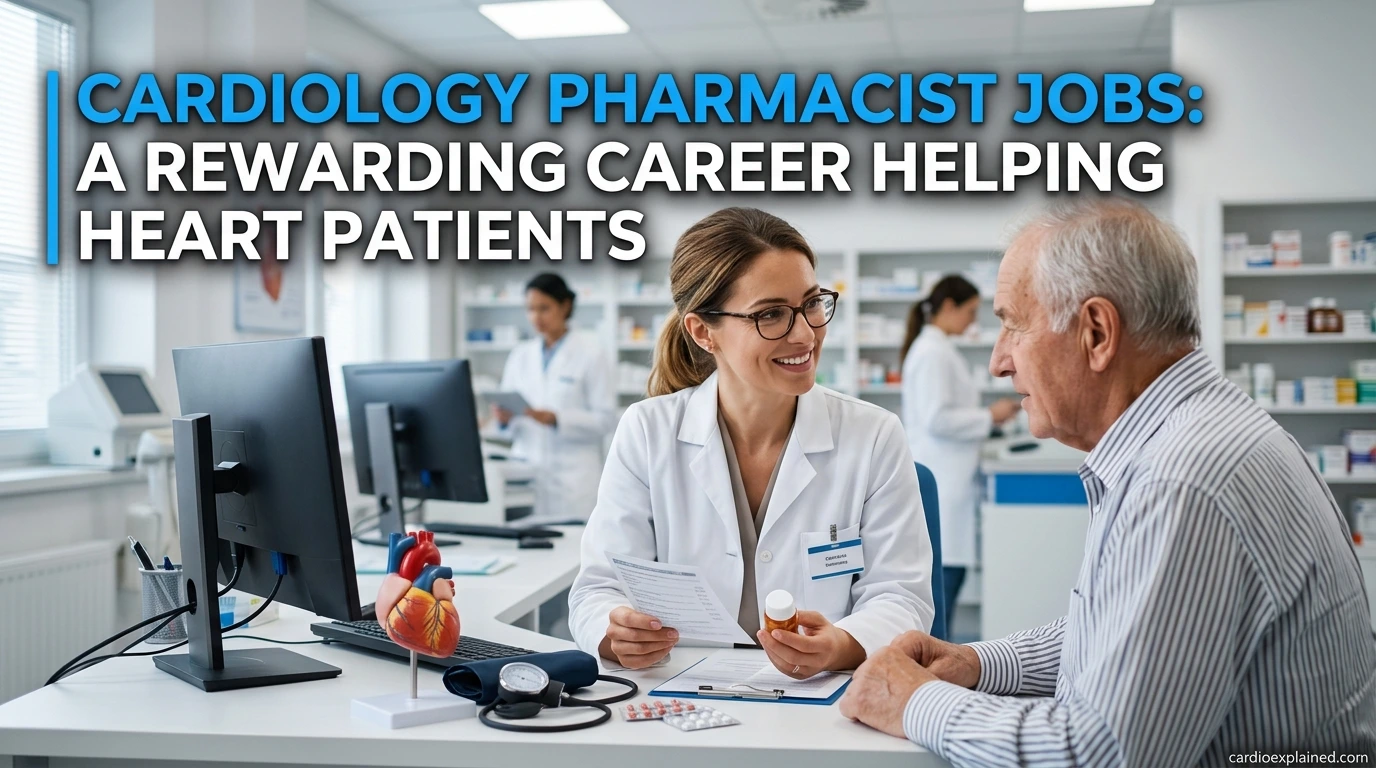

Cardiology pharmacist jobs focus on helping people with heart disease use medicines safely and correctly. These pharmacists work with heart doctors, nurses, and patients to improve care. They also help prevent medicine problems and support better heart health every day.
Heart care can feel scary for many families. Good medicine support makes a big difference. Cardiology pharmacist jobs offer a chance to help people live healthier lives. They also give pharmacy workers a meaningful career with many learning chances.
Many students wonder if this career fits their goals. Patients may also ask who helps manage their heart medicines. The answers are simple. Heart pharmacists work closely with medical teams. They help patients understand their treatment. They also check that each medicine works well and stays safe.
❤️ What Are Cardiology Pharmacist Jobs?
Cardiology pharmacists are licensed pharmacists who focus on heart care. They know how heart medicines work. They also understand how different drugs may affect each other.
These pharmacists often work with cardiologists. A cardiologist is a doctor who treats heart disease. They also work with nurses and other health workers.
Common duties include:
- ✅ Review medicine lists for safety.
- ✅ Teach patients how to take medicines.
- ✅ Watch for side effects.
- ✅ Suggest medicine changes to doctors.
- ✅ Help patients after hospital visits.
- ✅ Support long-term heart care.
Many hospitals now include pharmacists during patient rounds. Rounds are daily team visits to discuss patient care.
Where They Work
Cardiology pharmacists may work in:
| Workplace | Main Focus | Patient Contact |
| Hospital | Heart emergencies and recovery | High |
| Heart clinic | Long-term care | High |
| Medical school | Teaching and research | Medium |
| Health system office | Medicine safety | Low |
| Veterans health center | Ongoing heart care | High |
🩺 Education and Skills for Cardiology Pharmacist Jobs
Most pharmacists first earn a Doctor of Pharmacy, called a PharmD. They also pass state licensing exams.
Many employers like extra training in heart care.
Common Training Steps
- Earn a PharmD degree.
- Pass pharmacy licensing exams.
- Complete a residency if possible.
- Gain heart care experience.
- Earn specialty certification later.
Some pharmacists complete a PGY1 residency. This is one year of general pharmacy training.
Others complete a PGY2 cardiology residency. This second year focuses on heart medicine.
Helpful Skills
A successful heart pharmacist often has:
- ✅ Strong listening skills.
- ✅ Clear speaking skills.
- ✅ Careful attention to detail.
- ✅ Teamwork.
- ✅ Problem-solving skills.
- ✅ Kindness toward patients.
Many patients feel nervous after a heart attack. A calm pharmacist can explain each medicine in simple words. That support often builds confidence.
📋 Daily Work and Patient Care
Every day looks a little different.
One morning may begin with patient rounds. Later, the pharmacist may answer medicine questions. The afternoon may include reviewing new prescriptions.
Many patients take several heart medicines.
These may include:
- Blood pressure medicine.
- Blood thinners.
- Cholesterol medicine.
- Heart rhythm medicine.
- Water pills that remove extra fluid.
Blood thinners help reduce blood clots. They lower the chance of stroke in many people.
The pharmacist checks for medicine interactions. An interaction means one medicine changes how another works.
Working With Heart Specialists
Heart pharmacists often join care meetings.
They may discuss:
- Test results.
- Medicine changes.
- Patient progress.
- Hospital discharge plans.
The American Heart Association (AHA) and the American College of Cardiology (ACC) support team-based care for many heart conditions. Teamwork often improves medicine safety and patient education.
⏱️ Salary, Job Outlook, and Career Growth
Many people ask about pay before choosing this career.
Salary depends on:
- Experience.
- State.
- Employer.
- Extra training.
- Certifications.
| Career Level | Typical Annual Salary Range | Common Workplace |
| New pharmacist | $110,000–$130,000 | Hospital |
| Experienced pharmacist | $130,000–$155,000 | Heart center |
| Clinical specialist | $150,000–$180,000+ | Academic hospital |
These ranges are estimates. Actual pay may vary.
The need for skilled pharmacists remains strong across the United States. More people live with heart disease today. Many also take several medicines. This increases the need for pharmacy experts.
People searching for cardiology pharmacist jobs often find openings in hospitals, teaching centers, and large health systems.
Career Growth
Many pharmacists later become:
- Clinical pharmacy leaders.
- Residency teachers.
- Research team members.
- Medication safety experts.
- Pharmacy managers.
✅ Benefits and Challenges

Every career has good points and hard days.
Benefits
- ✅ Meaningful patient relationships.
- ✅ Strong teamwork.
- ✅ Good earning potential.
- ✅ Ongoing learning.
- ✅ Many career paths.
Helping a patient recover after heart surgery can feel rewarding. Many pharmacists remember these moments for years.
Challenges
- ⚠️ Busy hospital schedules.
- ⚠️ Fast decisions.
- ⚠️ Complex medicine plans.
- ⚠️ Emotional patient situations.
One caregiver may worry about a parent’s new medicines. The pharmacist can explain each one slowly. Clear answers often reduce fear.
📋 How to Find and Apply for These Roles
Many employers want both knowledge and good people skills.
A strong application should show:
- Pharmacy education.
- Clinical training.
- Team experience.
- Patient education work.
- Leadership activities.
Students can improve their chances through hospital rotations. These learning experiences build confidence.
Professional groups also offer networking events. Meeting experienced pharmacists may lead to future job opportunities.
Frequently Asked Questions
Q: Do cardiology pharmacists treat patients? ❤️
A: Yes, they help care for patients. They do not replace heart doctors. They focus on medicine safety, education, and treatment support.
Q: Are cardiology pharmacist jobs only in hospitals? ❤️
A: No. Cardiology pharmacist jobs are available in hospitals, clinics, universities, government health systems, and research centers.
Q: Do I need extra training after pharmacy school? ❤️
A: Not always. Many employers hire licensed pharmacists. Extra residency training may improve job options.
Q: Is this career stressful? ❤️
A: Sometimes. Busy days happen. Good teamwork and experience often make daily work easier.
Q: Can new pharmacy graduates work in heart care? ❤️
A: Yes. Some begin after graduation. Others first complete residency training before entering this specialty.
Q: Do heart pharmacists work directly with cardiologists? ❤️
A: Yes. They often meet with cardiologists every day. Together, they review medicines and patient care plans.
Final Thoughts
Cardiology pharmacist jobs offer a caring career for people who enjoy medicine and teamwork. These pharmacists help patients understand treatments and avoid medicine problems. They also support heart doctors with safe treatment plans.
Heart disease often needs long-term care. Skilled pharmacists play an important part in that care. If you hope to enter this field, keep learning and seek hands-on experience. If you have heart concerns, talk to a cardiologist or another licensed healthcare professional. They can guide your care with advice that fits your needs.