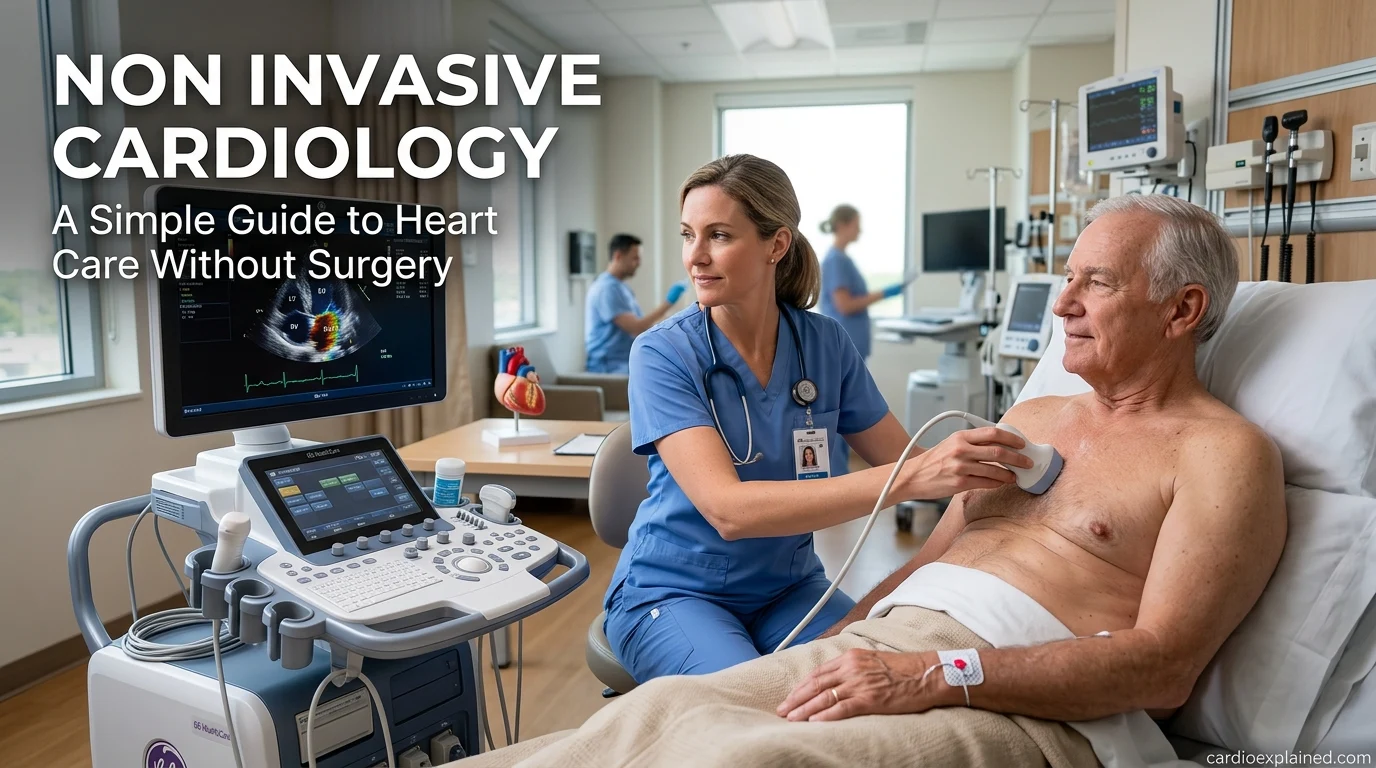

Non invasive cardiology is a type of heart care that checks and treats many heart problems without surgery. It helps doctors learn how your heart works by using safe tests and careful exams. Doctors use it to find heart issues early and plan the right care for each person.
Have you ever felt your heart race or skip a beat? Maybe you wondered if it was stress or something more. Many people feel this way. A heart check can bring peace of mind. Non invasive cardiology gives doctors many ways to look at your heart without making cuts or using surgery. These tests are often quick, safe, and easy to understand. Some happen in a doctor’s office. Others take place in a hospital or heart clinic. Knowing what to expect can help you feel calm before your visit. Many patients say they felt nervous at first. After learning about the tests, they felt much more relaxed. Good heart care starts with simple steps and the right information.
❤️ What Is Non Invasive Cardiology?
Non invasive cardiology is a part of heart medicine. It focuses on finding and managing heart problems without surgery. Doctors use special tests to see how your heart works. They also check how blood moves through your body.
Many heart problems start slowly. A simple test may find a problem before it becomes serious. Early care may help lower the risk of future heart trouble.
What Does a Non-Invasive Cardiologist Do?
A non-invasive cardiologist cares for people with many heart concerns. They do not perform heart surgery. Instead, they study test results and make care plans.
They may help people with:
- ❤️ High blood pressure
- ❤️ Chest pain
- ❤️ Fast or slow heartbeats
- ❤️ High cholesterol
- ❤️ Heart valve problems
- ❤️ Heart failure
- ❤️ Family history of heart disease
The doctor also talks about healthy habits. Small changes can make a big difference over time.
How Is It Different From Other Heart Care?
Heart care has many specialties. Each one has a different job.
| Heart Specialist | Main Focus | Uses Surgery? |
| Non-invasive cardiologist | Heart tests and medical care | No |
| Interventional cardiologist | Opens blocked arteries with tiny tubes | No major surgery, but uses catheters |
| Heart surgeon | Performs heart operations | Yes |
Each specialist may work together. Your doctor will refer you if you need another type of care.
Real-Life Example
Maria, age 58, noticed chest tightness while walking. She worried she might need surgery. Her doctor first ordered simple heart tests. The results showed mild heart disease. She started medicine and daily walks. She did not need an operation.
Stories like Maria’s are common. Many people receive answers through simple testing first.
🩺 Why Might Someone Need Heart Testing?
Doctors suggest heart testing for many reasons. Some people have symptoms. Others have risk factors. A few simply want to check their heart because of family history.
Your heart works every minute of the day. Even small changes deserve attention.
Common Risk Factors
Some things raise the chance of heart disease.
- ✅ High blood pressure
- ✅ Diabetes
- ✅ High cholesterol
- ✅ Smoking
- ✅ Being overweight
- ✅ Little physical activity
- ✅ Family history of heart disease
- ✅ Older age
Having one risk factor does not mean you have heart disease. Still, your doctor may suggest testing.
Family History Matters
Heart disease sometimes runs in families. If your parents or close relatives had heart problems early in life, tell your doctor.
Early testing may help find problems before symptoms appear.
Everyday Signs That Lead to Testing
Doctors may suggest non invasive cardiology testing if you have:
- Chest discomfort
- Shortness of breath
- Dizziness
- Fainting
- Swelling in your legs
- A racing heartbeat
- Unusual tiredness
These symptoms have many causes. Some are not serious. Others need quick medical care. Testing helps your doctor learn what is happening.
Real-Life Example
James is 46 years old. He felt fine most days. During a yearly checkup, his blood pressure stayed high. His father had a heart attack at age 52. His doctor ordered heart tests. The results helped build a care plan before serious damage happened.
The American Heart Association (AHA) and the American College of Cardiology (ACC) support checking heart risk early when people have symptoms or strong risk factors.
📋 Signs and Symptoms to Watch For
Heart problems do not always cause pain. Some people notice only small changes. Others feel sick very quickly.
Pay attention to new symptoms. Do not ignore changes that keep coming back.
Chest Pain or Pressure
Chest pain is one of the best-known warning signs. It may feel like:
- Tightness
- Pressure
- Burning
- Squeezing
- Heaviness
Not every case means a heart problem. Still, your doctor should check ongoing chest pain.
Trouble Breathing
You may notice shortness of breath while walking. You may also feel breathless while resting.
This symptom may happen because the heart cannot pump blood well.
Fast, Slow, or Skipped Heartbeats
Some people feel fluttering inside the chest. Doctors call this a heart rhythm problem, or arrhythmia. An arrhythmia means the heartbeat is not normal.
Many rhythm changes are harmless. Others need treatment.
Feeling Weak or Dizzy
Poor blood flow may make you feel weak or lightheaded.
You should tell your doctor if this happens often.
Swelling
Swollen feet, ankles, or legs may point to heart failure. Heart failure means the heart does not pump blood as well as it should.
Swelling also has other causes. Your doctor can help find the reason.
A Patient Story
Linda thought her tiredness came from working long hours. She also became short of breath after climbing stairs. Her doctor ordered non invasive cardiology tests. An ultrasound of her heart showed a valve problem. She started treatment early and felt much better over time.
⚠️ Symptoms That Need Fast Medical Care
Some symptoms need emergency care right away.
- ⚠️ Severe chest pain
- ⚠️ Trouble breathing
- ⚠️ Fainting
- ⚠️ Sudden weakness
- ⚠️ Pain spreading to the arm, jaw, or back
Call 911 if these symptoms appear. Fast treatment may save heart muscle and even save a life.
🩺 How Doctors Check Your Heart With Non Invasive Cardiology
Doctors choose heart tests based on your symptoms and health history. Most tests do not hurt. Many take less than one hour.
The goal is simple. Your doctor wants to see how your heart works. The results help guide the next steps.
Common Heart Tests
The table below explains some common tests.
| Test | What It Shows | What You May Feel |
| Electrocardiogram (ECG or EKG) | Checks your heart’s rhythm and electrical signals | Sticky pads on your chest |
| Echocardiogram | Uses sound waves to show the heart moving | A small probe on your chest |
| Stress test | Shows how your heart works during exercise or medicine | Walking on a treadmill or receiving medicine |
| Holter monitor | Records your heartbeat for one or two days | Wearing a small monitor at home |
An ECG records your heart’s electrical activity. It helps find rhythm problems.
An echocardiogram uses sound waves to create moving pictures of your heart. It lets doctors see the heart muscle and valves.
A stress test checks how your heart responds when it works harder. If you cannot exercise, medicine may safely raise your heart rate.
A Holter monitor records your heartbeat during normal daily life. It can find rhythm problems that come and go.
What Happens During Your Visit?
Many patients worry before their first visit. Most leave feeling much calmer.
Your visit may include:
- ✅ Talking about your symptoms
- ✅ A health history review
- ✅ A physical exam
- ✅ Blood pressure and pulse checks
- ✅ One or more heart tests
Your doctor explains each step before it starts.
Understanding Your Results
Some test results are normal. Others may show a problem that needs more testing.
Your doctor looks at all the results together. One test alone rarely tells the whole story.
In many cases, non invasive cardiology helps doctors find heart problems before they become more serious.
❤️ Treatment and Daily Management
Treatment depends on the cause of your symptoms. Many people improve without surgery.
Your doctor builds a care plan that fits your needs.
Healthy Lifestyle Changes
Simple habits support a healthy heart.
- ✅ Eat more fruits and vegetables.
- ✅ Choose whole grains.
- ✅ Limit foods high in salt.
- ✅ Stay active most days.
- ✅ Keep a healthy weight.
- ✅ Stop smoking if you smoke.
- ✅ Sleep well each night.
Small steps often add up over time.
Medicines
Your doctor may suggest medicine to help your heart.
Common medicines may:
- Lower blood pressure
- Lower cholesterol
- Help control heart rhythm
- Reduce chest pain
- Lower the risk of blood clots
Take medicine exactly as your doctor tells you.
Regular Follow-Up
Heart care does not end after one visit.
Your doctor may repeat tests to watch your progress. This helps show if your treatment works well.
Real-Life Example
Robert learned he had high cholesterol after a heart check. He started medicine and changed his meals. Six months later, his numbers improved. He also had more energy during daily walks.
The AHA and ACC encourage healthy habits along with medical care for many heart conditions.
✅ Tips to Help Keep Your Heart Healthy
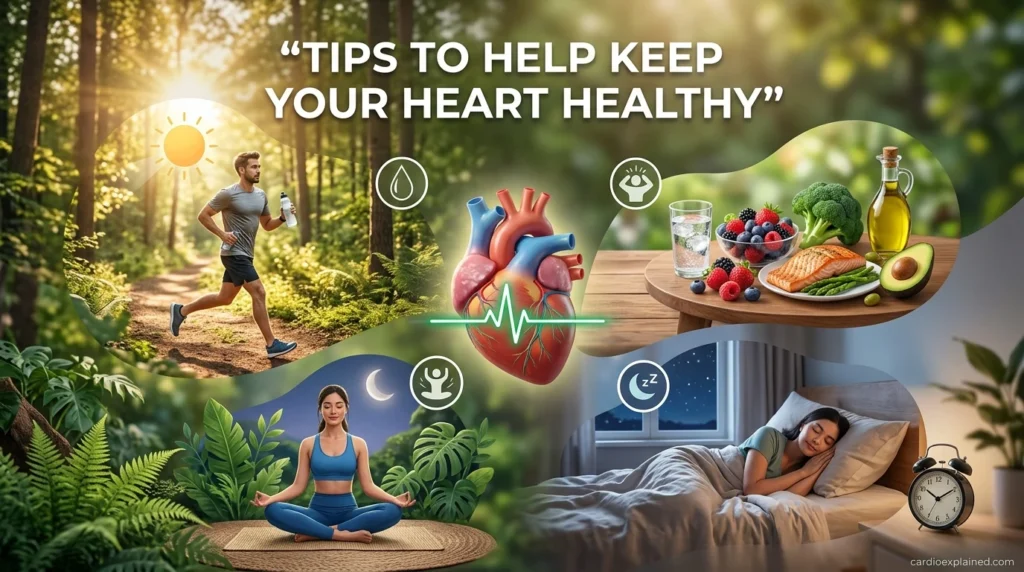
You cannot control every risk factor. You can control many daily habits.
Small choices today may protect your heart tomorrow.
Build Healthy Habits
Try these simple ideas.
- ✅ Walk for about 30 minutes most days.
- ✅ Drink plenty of water.
- ✅ Eat more fresh foods.
- ✅ Limit sugary drinks.
- ✅ Avoid tobacco products.
- ✅ Manage stress with deep breathing or quiet time.
- ✅ Keep regular doctor visits.
Know Your Health Numbers
Ask your doctor about:
- Blood pressure
- Cholesterol
- Blood sugar
- Body weight
Tracking these numbers helps you understand your heart health.
Listen to Your Body
New symptoms should never be ignored.
Many people wait because they hope symptoms disappear. Early care often makes treatment easier.
⚠️ When Should You See a Doctor?
Some symptoms deserve a medical visit soon.
Make an appointment if you notice:
- Chest discomfort that keeps coming back
- Shortness of breath
- Fast or irregular heartbeats
- Swelling in your legs
- Ongoing tiredness without a clear reason
- Dizziness or fainting
Your doctor can decide if you need more testing.
Seek emergency care right away if you have severe chest pain, sudden trouble breathing, or signs of a heart attack or stroke.
Early care may lower the risk of serious problems.
Frequently Asked Questions
❓ Q: Is non invasive cardiology safe?
A: Yes. In most cases, non invasive cardiology uses safe tests that do not require surgery. Most people return to normal activities soon after testing. Your doctor will explain any small risks before your test.
❓ Q: Do heart tests hurt?
A: No. Most common heart tests cause little or no pain. You may feel sticky pads, light pressure, or mild exercise during testing.
❓ Q: Do I need to prepare before a stress test?
A: Yes, sometimes. Your doctor may ask you to avoid food, caffeine, or certain medicines before the test. Always follow the instructions you receive.
❓ Q: Can young adults need heart testing?
A: Yes. Young adults may need testing if they have symptoms, a strong family history, or certain health conditions. Age alone does not decide who needs care.
❓ Q: Can lifestyle changes lower my heart disease risk?
A: Yes. Healthy eating, regular activity, and not smoking may lower your risk over time. These habits also support many treatments.
❓ Q: How often should I see a cardiologist?
A: It depends on your health. Some people only need yearly visits. Others need more frequent care because of heart disease or ongoing symptoms.
❓ Q: Does non invasive cardiology replace heart surgery?
A: No. It helps doctors find and manage many heart conditions without surgery. Some people may still need procedures or surgery if tests show serious heart disease.
Conclusion
Your heart works hard every day. It deserves good care. Non invasive cardiology gives doctors safe ways to check your heart without surgery. Many tests are simple, quick, and painless. Early testing may help find problems before they become serious. Healthy habits, regular checkups, and following your doctor’s advice all support a stronger heart. If you notice new symptoms or have heart concerns, talk to a cardiologist. Early answers often bring peace of mind and better care.