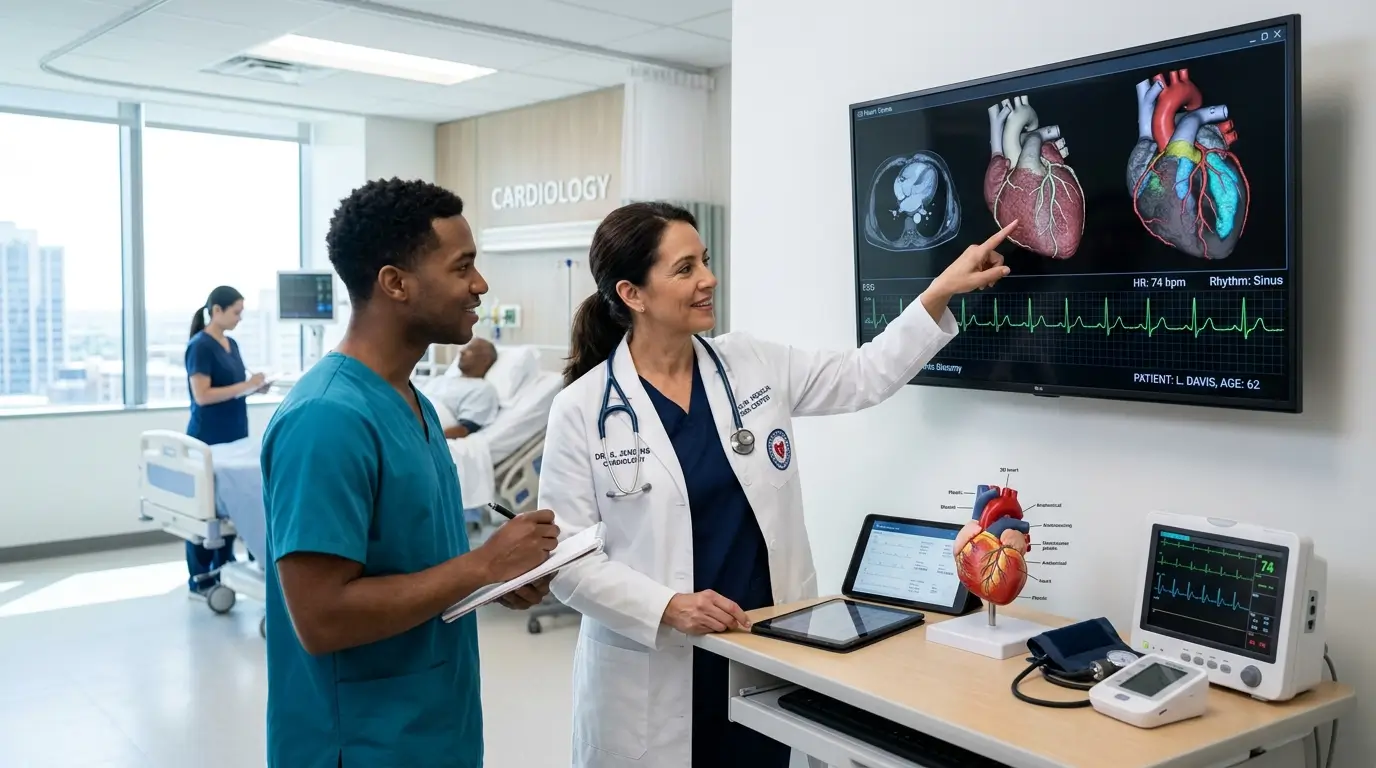

SDN cardiology refers to cardiology discussions, training advice, and career information shared on Student Doctor Network (SDN). It helps students learn about cardiology fellowships, programs, salaries, and daily practice. Many future heart doctors use it to explore training paths and connect with others in medicine.
Have you ever wondered how heart doctors train?
Many students ask this question before choosing a specialty. Others want to know what heart doctors do each day. Some patients also enjoy learning about the people who care for their hearts.
When people search for sdn cardiology, they often want trusted advice. They may look for fellowship details, salary information, or program reviews. They may also compare comments from online forums. Learning from several sources can help you understand the field better and make informed choices.
❤️ Understanding SDN Cardiology

Student Doctor Network, often called SDN, is an online community. It supports students and healthcare trainees.
The site includes forums for many medical specialties. Cardiology is one of the most active topics.
People discuss:
- 🩺 Medical school plans
- 🩺 Residency training
- 🩺 Fellowship applications
- 🩺 Career choices
- 🩺 Work-life balance
- 🩺 Salary expectations
Many users share personal experiences. Others ask questions and receive feedback from physicians and trainees.
Still, online advice has limits. Always compare forum opinions with official information.
What Is Student Doctor Network?
Student Doctor Network is a long-running education community. It serves students interested in healthcare careers.
The platform offers:
- Career guidance
- School information
- Interview advice
- Specialty discussions
- Community support
Many future doctors visit the site during training.
Why People Read Cardiology Discussions
Cardiology is a popular specialty. It combines science, patient care, and procedures.
Students often want answers about:
- Training length
- Daily responsibilities
- Earnings
- Fellowship competitiveness
Forum discussions can provide helpful insights from real people.
🩺 Cardiology Training and Fellowship Paths

Becoming a cardiologist takes years of training.
A typical path includes:
- College
- Medical school
- Internal medicine residency
- Cardiology fellowship
Most cardiology fellowships last about three years.
After fellowship, some doctors pursue extra training.
Examples include:
- Interventional cardiology
- Electrophysiology
- Heart failure medicine
- Imaging specialties
SDN Cardiology Fellowship Discussions
Many users search for SDN cardiology fellowship advice.
Forum members often discuss:
- Application strategies
- Interview experiences
- Program rankings
- Research expectations
Some posts describe successful application stories. Others explain common mistakes.
Remember that every applicant has unique strengths. One person’s experience may differ from yours.
Choosing Fellowship Programs
Students often compare programs based on:
- Clinical training
- Research opportunities
- Faculty support
- Location
- Patient volume
Strong programs usually offer broad clinical exposure. They also provide mentorship from experienced cardiologists.
📋 Comparing Cardiology Programs
Choosing a program can feel overwhelming.
Many students create comparison charts. Simple comparisons can make decisions easier.
| Program Factor | Why It Matters | Questions to Ask |
| Clinical Experience | Builds practical skills | How many patients are seen? |
| Research Access | Supports academic growth | Are projects available? |
| Faculty Mentorship | Helps career planning | Is guidance available? |
| Fellowship Placement | Shows training strength | Where do graduates go? |
Students often review cardiology program discussions online. They also speak with mentors before making choices.
What Makes a Strong Program?
Strong programs often provide:
- Diverse patient cases
- Experienced faculty
- Modern technology
- Educational conferences
Training quality matters more than internet popularity alone.
❤️ Interventional Cardiology and Advanced Heart Care

Some cardiologists perform procedures.
Interventional cardiology focuses on treating heart and blood vessel problems through small tubes called catheters.
Doctors may use these procedures to open blocked arteries.
SDN Interventional Cardiology Topics
Students frequently ask about interventional cardiology.
Common questions include:
- How competitive is the field?
- What are work hours like?
- How much extra training is required?
Interventional cardiology usually requires an additional fellowship after general cardiology training.
Common Heart Procedures
Here are a few examples:
| Procedure | Purpose | Simple Explanation |
| Angiogram | Check arteries | Uses dye and imaging |
| Stent Placement | Open blockage | Keeps blood flowing |
| Heart Catheterization | Evaluate heart function | Uses a thin tube |
| Balloon Angioplasty | Widen artery | Expands narrowed areas |
Doctors select procedures based on individual patient needs.
⏱️ Salary, Career Growth, and Daily Life
Many students wonder about earnings.
Cardiology often ranks among higher-paying medical specialties.
Salary varies by:
- Experience
- Location
- Practice type
- Subspecialty
Sdn Cardiology Salary Discussions
Salary conversations appear often in cardiology forums.
Reported numbers vary widely. Academic physicians may earn less than private practice physicians. Procedural specialists may earn more than general cardiologists.
The figures below are broad examples only.
| Career Stage | Typical Salary Range | Notes |
| Fellowship Training | Lower training income | Educational stage |
| Early Career Cardiologist | Moderate to high income | Depends on region |
| Experienced Cardiologist | Higher income potential | Experience matters |
| Interventional Specialist | Often higher earnings | Extra training required |
Compensation changes over time. Local market conditions also affect income.
A Day in a Cardiologist’s Life
Many cardiologists split time between:
- Office visits
- Hospital rounds
- Diagnostic testing
- Patient education
One patient may need help managing high blood pressure. Another may need care after a heart attack.
Many patients feel nervous before their first heart visit. A cardiologist often explains tests and answers questions clearly.
✅ Learning From Online Communities
Online forums can provide useful support.
They also require careful reading.
SDN Versus Reddit Discussions
People often compare SDN with Reddit.
SDN focuses heavily on medical education. Reddit includes broader conversations from many backgrounds.
Both communities can offer valuable perspectives.
When reading any forum:
- ✅ Verify important information
- ✅ Check official sources
- ✅ Speak with mentors
- ✅ Consider multiple opinions
Real-World Example
A medical student may worry about fellowship applications.
They might read forum discussions for guidance. Then they can speak with advisors and review official program requirements.
This approach often provides a more balanced view.
Another example involves a patient curious about cardiology careers. Reading discussions may help them understand the training their doctor completed.
⚠️ Understanding Heart Care Beyond Forums
Online discussions can teach useful lessons.
They cannot replace medical care.
Professional organizations help guide heart treatment.
Examples include the American Heart Association and the American College of Cardiology.
These groups support evidence-based care. Evidence-based care means treatment guided by research.
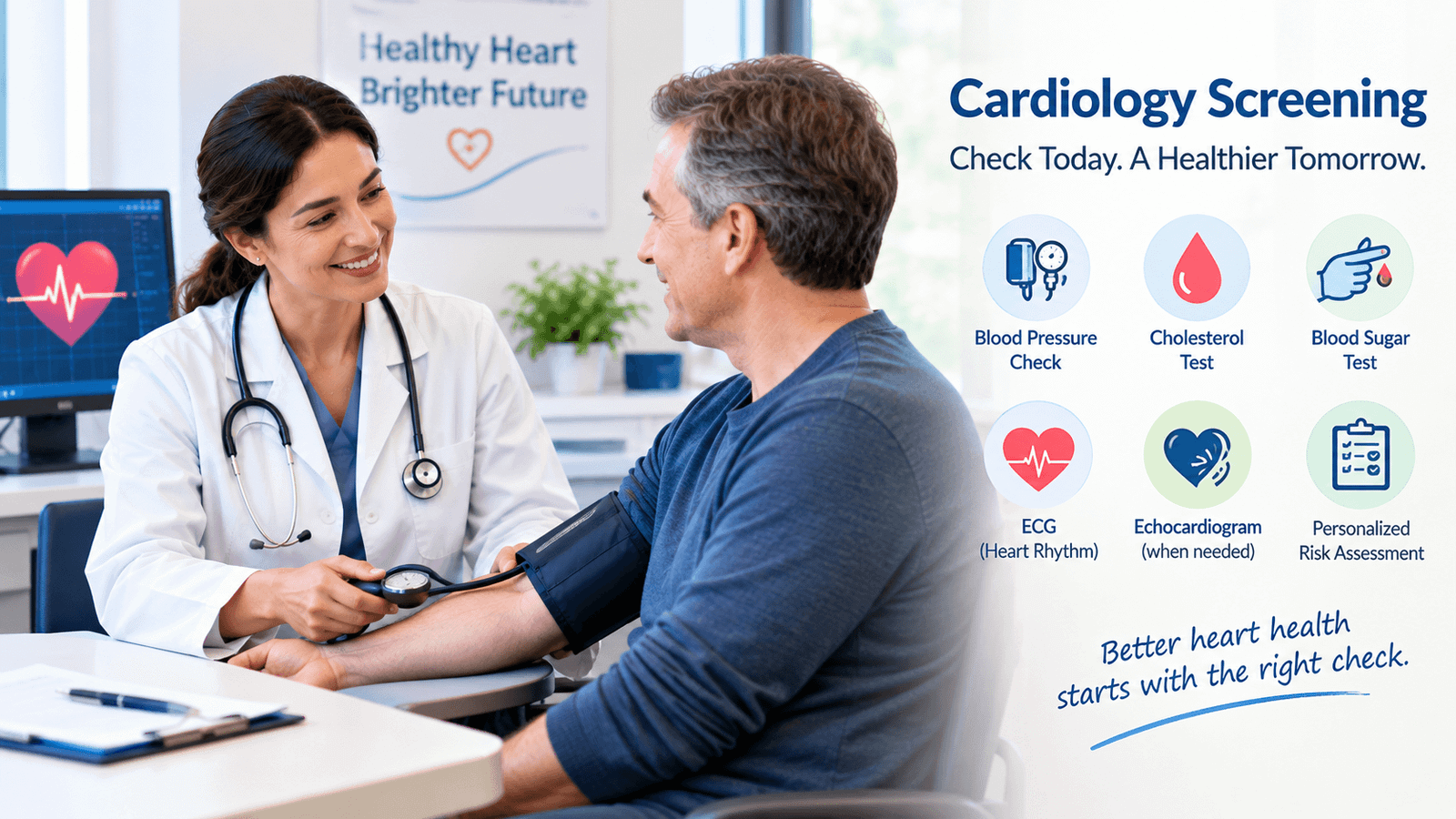
Common heart tests include:
- Electrocardiogram (ECG)
- Echocardiogram
- Stress test
- Cardiac CT scan
Doctors choose tests based on symptoms and health history.
If you have chest pain, shortness of breath, or other concerns, seek medical care promptly.
Frequently Asked Questions
Q: ❓ What is SDN cardiology?
A: SDN cardiology refers to cardiology discussions found on Student Doctor Network. Users share training advice, career insights, fellowship experiences, and educational resources.
Q: ❓ Is Student Doctor Network reliable?
A: Yes, many users find it helpful. Still, forum posts reflect personal experiences. Always verify important information through official sources and mentors.
Q: ❓ How competitive are cardiology fellowship programs?
A: Cardiology fellowships can be competitive. Strong academic performance, research work, and good recommendations may improve an applicant’s chances.
Q: ❓ What do Reddit cardiology discussions usually cover?
A: Reddit cardiology conversations often discuss career paths, daily work, salaries, training experiences, and board examinations. Topics may vary by community.
Q: ❓ Are Reddit cardiology boards useful for students?
A: Yes, they can provide personal perspectives. However, users should compare advice with trusted educational resources and program information.
Q: ❓ How much do cardiologists earn?
A: Cardiologist salaries vary widely. Income depends on location, experience, practice setting, and subspecialty training.
Final Thoughts
The world of sdn cardiology offers valuable insights into heart medicine. Students can learn about fellowships, programs, and career paths. Patients and caregivers can better understand how cardiologists train.
Online discussions work best when combined with trusted medical guidance. Use forums to gather ideas, not final answers. Compare opinions, ask questions, and seek expert advice when needed.
Heart care continues to evolve through research and education. If you have heart concerns, talk to a cardiologist. They can guide you based on your personal health needs.
Medically reviewed for accuracy. Always consult a licensed cardiologist for personal advice.