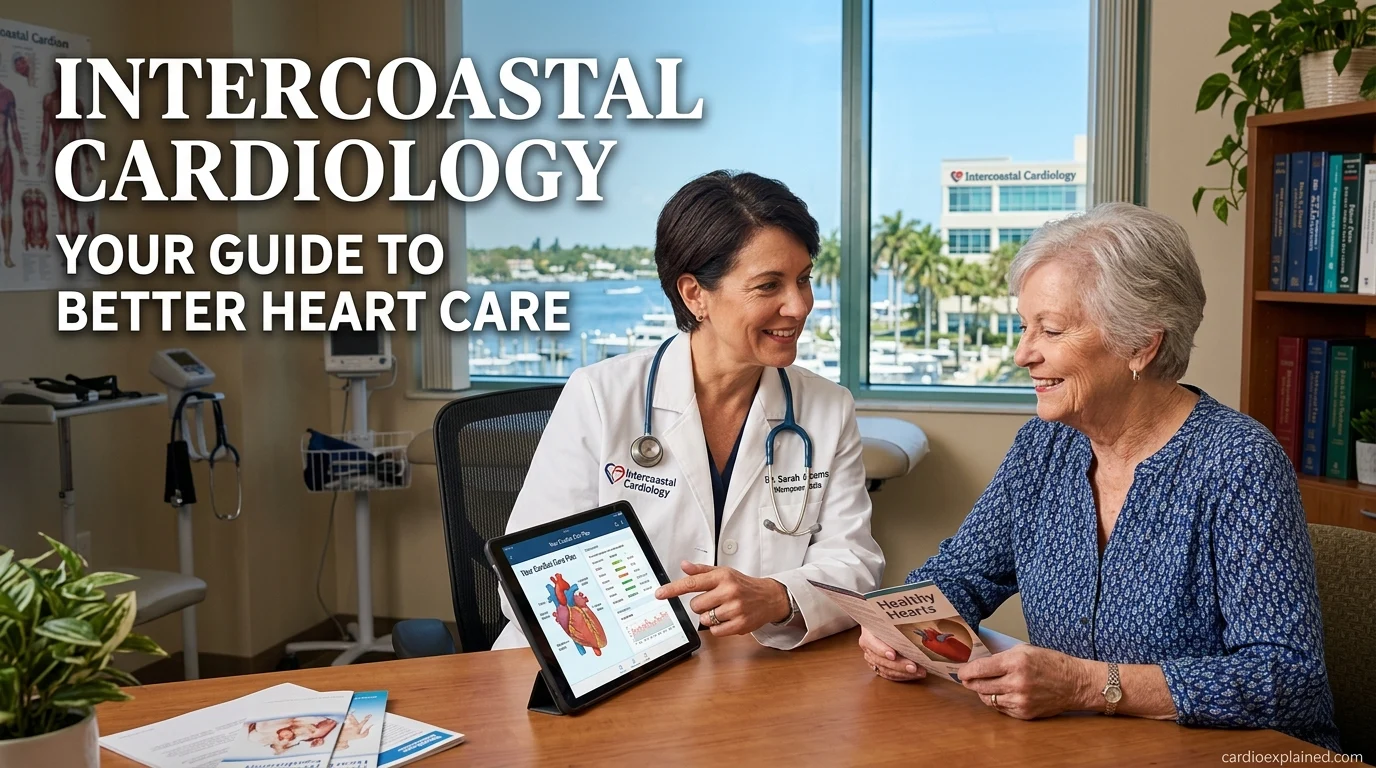

Intercoastal cardiology refers to heart care services offered by cardiologists who diagnose, treat, and help prevent heart and blood vessel problems. It helps people manage heart health through exams, tests, medicines, healthy habits, and, when needed, advanced treatments. Doctors use this care to find heart problems early and improve long-term health.
Have you ever felt chest pain or noticed your heart beating too fast? Many people worry when this happens. They may wonder if the problem is serious or temporary. Learning about intercoastal cardiology can help you understand what heart doctors do and when to seek care.
Heart disease affects millions of people across the United States. Early care often leads to better results. A cardiologist can check your heart, explain your symptoms, and create a care plan that fits your needs. Whether you have a family history of heart disease or simply want to protect your heart, knowing what to expect makes the process less stressful. Good heart care focuses on both treatment and prevention. Small daily changes may also lower your risk over time.
❤️ What Is Intercoastal Cardiology?
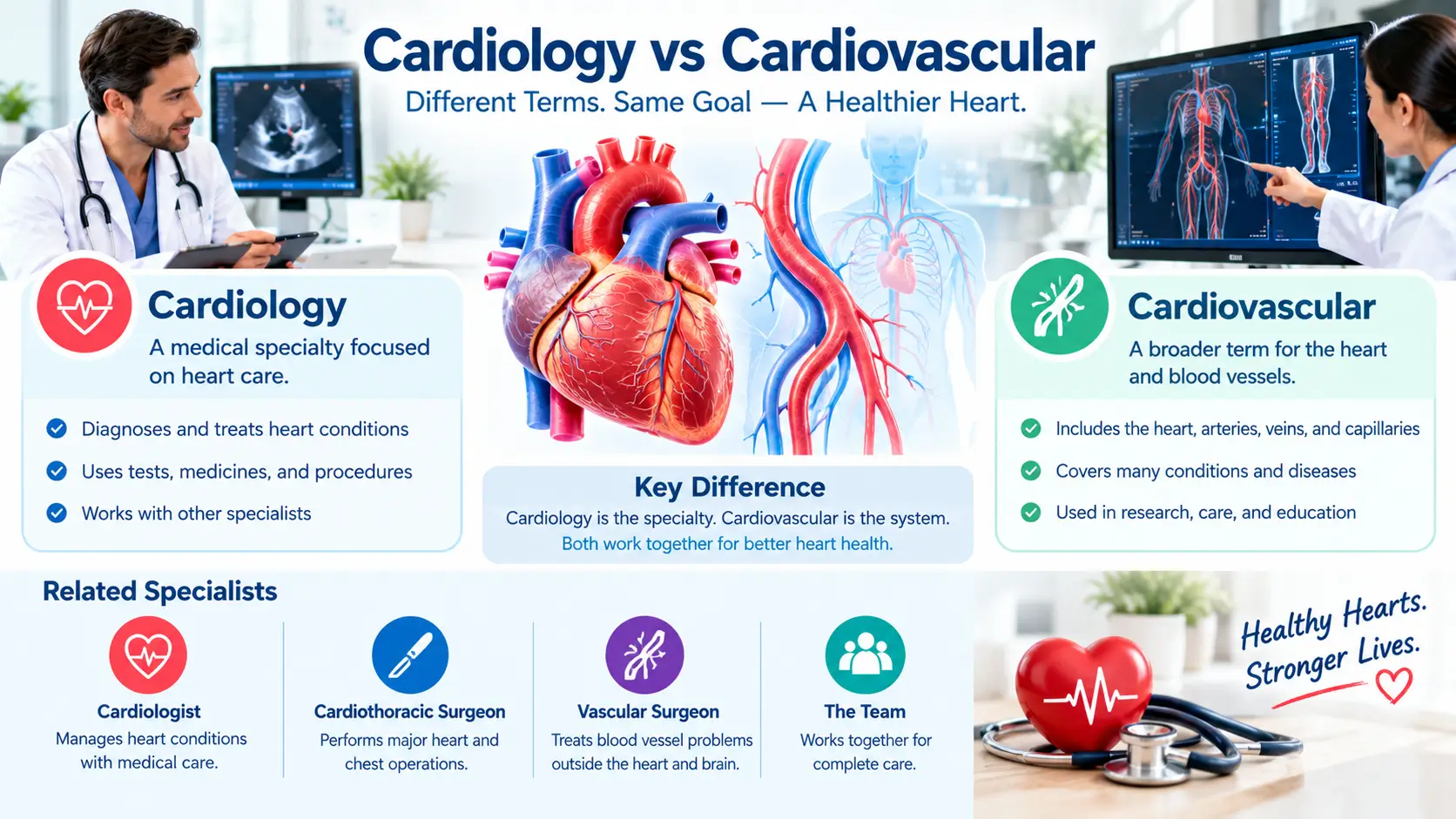
Intercoastal cardiology focuses on caring for people with heart and blood vessel problems. A cardiologist is a doctor who specializes in heart health. These doctors help people of all ages.
Many heart problems develop slowly. Some people have no warning signs. Regular heart care helps find problems before they become serious.
What Does a Cardiologist Do?
A cardiologist may:
- 🩺 Check your heart health during office visits.
- ❤️ Listen to your heart and review your symptoms.
- 📋 Order tests to learn how your heart works.
- 💊 Prescribe medicine when needed.
- ✅ Help you lower your risk of heart disease.
- 🏃 Guide you toward healthy lifestyle changes.
Some cardiologists focus on special areas. These may include heart rhythm problems, heart failure, or blocked arteries.
A Real-Life Example
Many patients feel nervous before their first heart visit. One woman visited after feeling short of breath while climbing stairs. Her doctor found high blood pressure during a simple exam. Early treatment helped lower her risk of future heart problems.
Heart care is not only for older adults. Younger adults with diabetes, high cholesterol, or a strong family history may also benefit from regular checkups.
🩺 What Raises the Risk of Heart Problems?
Many factors affect heart health. Some risks cannot change. Others improve with healthy habits.
Risk Factors You Cannot Change
These include:
- 🎂 Older age
- 👨 Family history of heart disease
- 🧬 Certain inherited conditions
- 🚹 Male sex at younger ages
Risk Factors You Can Change
Many risks improve with daily choices.
These include:
- Smoking
- High blood pressure
- High cholesterol
- Diabetes
- Being overweight
- Little physical activity
- Poor diet
- Long-term stress
Doctors often recommend regular screenings if you have several risk factors.
Daily Habits Matter
Small changes often make a big difference.
You can:
- 🚶 Walk most days.
- 🥗 Eat more fruits and vegetables.
- 🧂 Reduce salt intake.
- 🚭 Stop smoking.
- 😴 Get enough sleep.
- 💧 Drink enough water.
Many people improve their heart health by making one change at a time.
❤️ Signs and Symptoms to Watch For
Heart problems do not always cause pain. Some signs appear slowly.
Common symptoms include:
- Chest pain or pressure
- Shortness of breath
- Fast or irregular heartbeat
- Dizziness
- Fainting
- Swollen feet or legs
- Unusual tiredness
Women sometimes notice different symptoms. They may feel nausea, back pain, jaw pain, or unusual fatigue instead of chest pain.
Do Not Ignore Warning Signs
Call emergency services right away if you have:
- ⚠️ Severe chest pain
- ⚠️ Trouble breathing
- ⚠️ Pain spreading to your arm, neck, or jaw
- ⚠️ Sudden loss of consciousness
Quick treatment may save heart muscle and improve recovery.
Patient Example
One man thought his chest discomfort came from heartburn. After testing, doctors found blocked heart arteries. Early treatment helped prevent a heart attack.
📋 How Doctors Check Your Heart
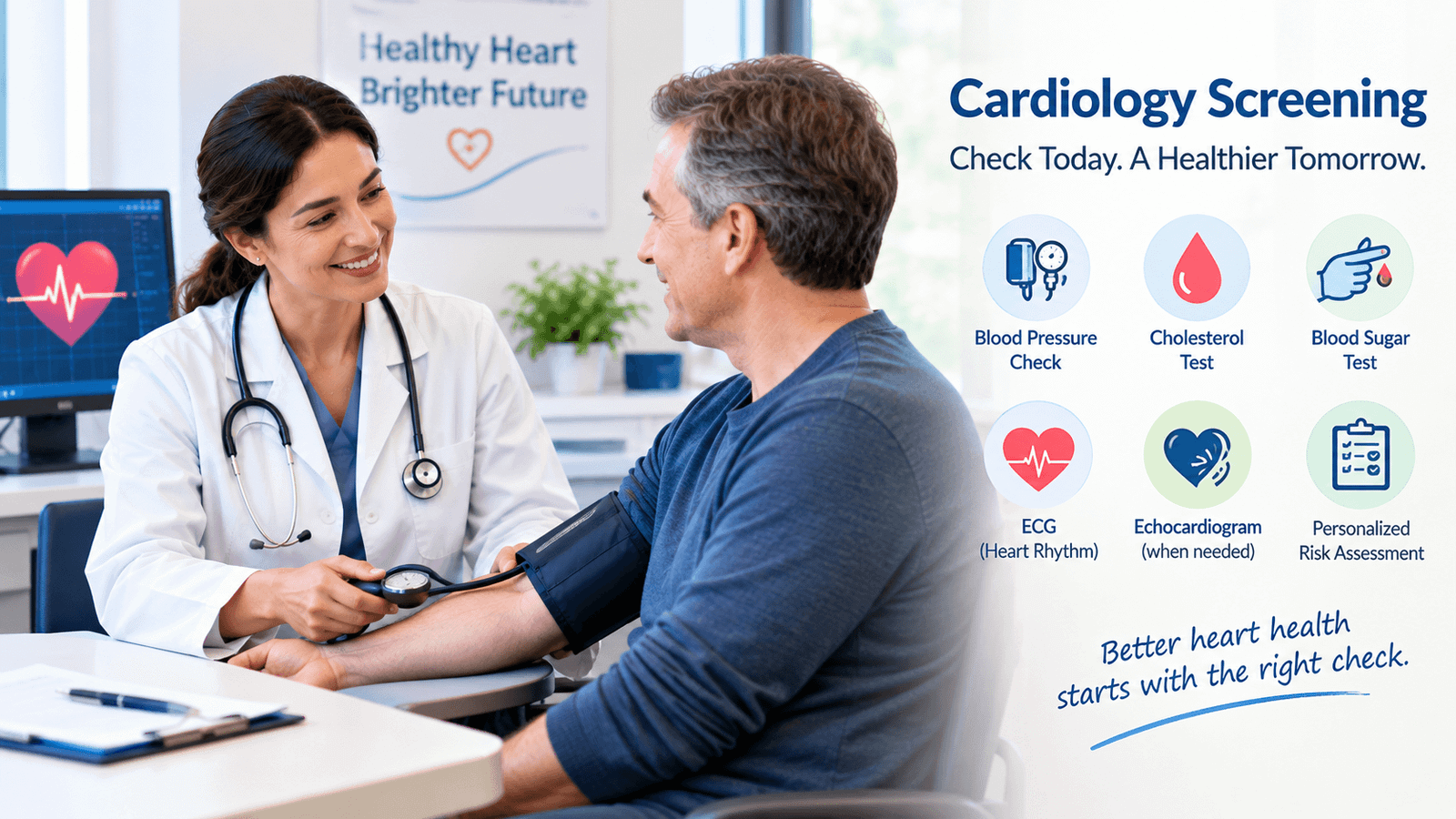
Doctors use several tools to understand your heart health. They choose tests based on your symptoms and medical history.
Physical Exam
Your visit often starts with:
- Blood pressure check
- Heart rate check
- Weight measurement
- Listening to your heart
The doctor also asks about your symptoms and family history.
Common Heart Tests
| Test | Purpose | What Happens |
| Electrocardiogram (ECG or EKG) | Checks heart rhythm | Sticky pads record heart signals |
| Echocardiogram | Shows heart structure | Sound waves create heart pictures |
| Stress Test | Checks heart during activity | Walking or medicine raises heart activity |
| Blood Tests | Looks for heart risk | Small blood sample |
Understanding Test Results
Most tests finish quickly. Your doctor explains each result in simple language. If another test is needed, the reason will also be explained.
Groups like the American Heart Association (AHA) and the American College of Cardiology (ACC) encourage testing based on symptoms and personal risk.
💊 Treatment Options in Intercoastal Cardiology
The goal of intercoastal cardiology is to keep your heart working well. Treatment depends on your condition.
Medicines
Doctors may prescribe medicines to:
- Lower blood pressure
- Reduce cholesterol
- Control heart rhythm
- Prevent blood clots
- Ease chest pain
Always take medicine exactly as directed.
Lifestyle Changes
Healthy habits remain an important part of treatment.
These include:
- Healthy eating
- Regular exercise
- Better sleep
- Stress control
- Quitting smoking
Even small improvements may help your heart.
Medical Procedures
Some people need procedures.
These may include:
| Procedure | Purpose | When It May Help |
| Cardiac Catheterization | Checks heart arteries | Suspected blocked arteries |
| Angioplasty and Stent | Opens blocked arteries | Poor blood flow |
| Pacemaker | Helps control heartbeat | Slow heart rhythm |
Your cardiologist explains the risks and benefits before any procedure.
Patient Story
A retired teacher struggled with fatigue for months. Tests showed a slow heartbeat. After receiving a pacemaker, she returned to daily walks with more energy.
✅ Healthy Habits That Protect Your Heart

Good heart care starts at home.
Simple habits support your treatment and lower future risk.
Eat Heart-Friendly Foods
Choose:
- Fresh fruits
- Vegetables
- Whole grains
- Fish
- Beans
- Nuts
Limit:
- Sugary drinks
- Fried foods
- Processed meats
- Foods high in salt
Stay Active
Most adults benefit from regular movement.
Good choices include:
- Walking
- Swimming
- Cycling
- Dancing
Always ask your doctor before starting a new exercise plan.
Keep Regular Checkups
Regular visits help your doctor:
- Check blood pressure
- Monitor cholesterol
- Review medicines
- Answer questions
People with diabetes or high blood pressure often need more frequent visits.
Manage Stress
Stress can affect your heart.
Helpful ideas include:
- Deep breathing
- Reading
- Spending time with family
- Gentle exercise
- Good sleep habits
Healthy habits work best when practiced every day.
⚠️ When Should You See a Doctor?
Some symptoms need medical care soon.
Schedule a visit if you notice:
- Chest discomfort during activity
- Frequent shortness of breath
- New swelling in your legs
- Fast or irregular heartbeat
- High blood pressure readings
Seek Emergency Care
Call emergency services immediately for:
- Severe chest pain
- Trouble breathing
- Sudden fainting
- Symptoms of a heart attack
Do not drive yourself if symptoms are severe.
Preparing for Your Appointment
Bring:
- A medicine list
- Recent test results
- Family medical history
- Questions for your doctor
This helps your visit go smoothly.
Frequently Asked Questions
❓ Q: Is intercoastal cardiology only for people with heart disease?
A: No. Intercoastal cardiology also helps people prevent heart disease. Many patients visit because they have risk factors or want regular heart checkups.
❓ Q: Do I need a referral to see a cardiologist?
A: It depends on your health insurance. Some plans require a referral. Others allow you to schedule directly.
❓ Q: How often should I have my heart checked?
A: It depends on your age and health. People with risk factors may need more frequent visits than healthy adults.
❓ Q: Are heart tests painful?
A: Most common heart tests do not hurt. Some involve sticky pads, sound waves, or walking on a treadmill.
❓ Q: Can lifestyle changes really improve heart health?
A: Yes. Healthy eating, exercise, and not smoking may lower many heart risks. Your doctor can help build a plan that fits your life.
❓ Q: What should I bring to my first cardiology visit?
A: Bring your medicine list, insurance card, medical records if available, and questions about your symptoms. This helps your doctor understand your health.
❓ Q: Can younger adults benefit from heart care?
A: Yes. Younger adults with diabetes, high blood pressure, high cholesterol, or a family history may benefit from early heart care.
Conclusion
Good heart health starts with simple steps and regular medical care. Intercoastal cardiology helps people prevent, find, and manage many heart conditions. Early checkups, healthy habits, and following your doctor’s advice may improve your long-term health. Remember that every person has different needs. Talk to a cardiologist if you have chest pain, breathing problems, or concerns about your heart. Early care often brings peace of mind and better health.
Medically reviewed for accuracy. Always consult a licensed cardiologist for personal advice.