
Asheville Cardiology Associates provides heart care in Asheville and nearby Western North Carolina communities. Its services include heart tests, specialist visits, and treatment for many heart conditions. Patients can explore doctors, office locations, appointments, and online patient services.
Have you noticed chest discomfort, a racing heartbeat, or unusual tiredness? You may wonder whether a heart specialist can help.
Asheville cardiology services help patients understand and manage many heart concerns. These services can include routine heart checks, advanced tests, and long-term care.
Asheville Cardiology Associates is part of the Mission Health Physicians network. Its team includes cardiologists and heart rhythm specialists. The practice also lists pediatric heart care for children and teens.
Finding a clinic can feel confusing when you need care. You may need a doctor, office address, phone number, or patient portal.
This guide explains common services and ways to prepare for a visit. It also covers doctors, locations, testing, treatment, and urgent symptoms. Confirm current office details before traveling or booking an appointment.
What Is Asheville Cardiology?
Asheville Cardiology Associates is a heart care practice in Western North Carolina. It provides general and specialized care for heart and blood vessel conditions.
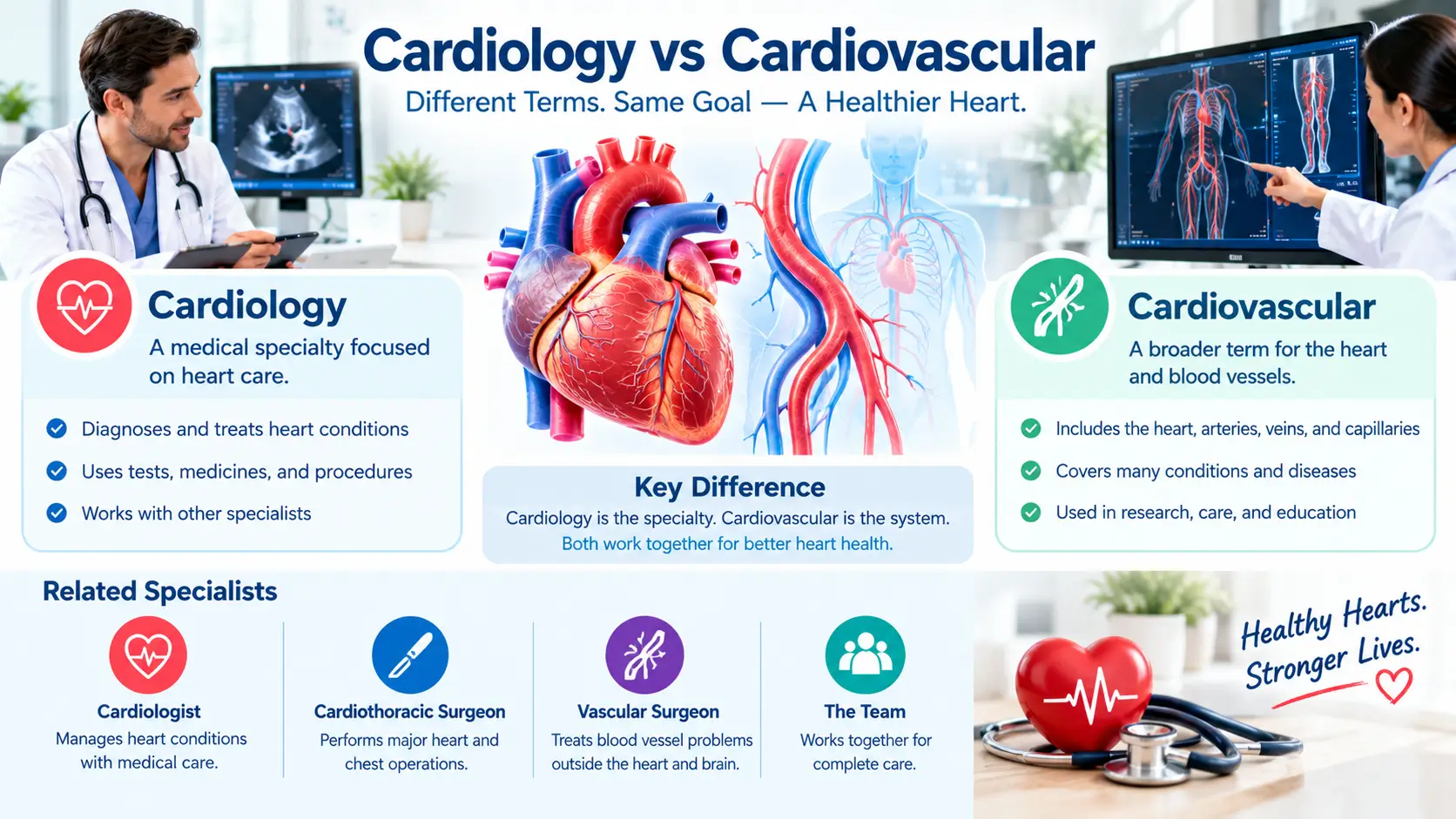
Cardiology is the medical field that focuses on the heart. A cardiologist is a doctor trained to assess and treat heart problems.
The practice is part of Mission Health Physicians. Its official website describes care across several communities.
What services does the practice offer?
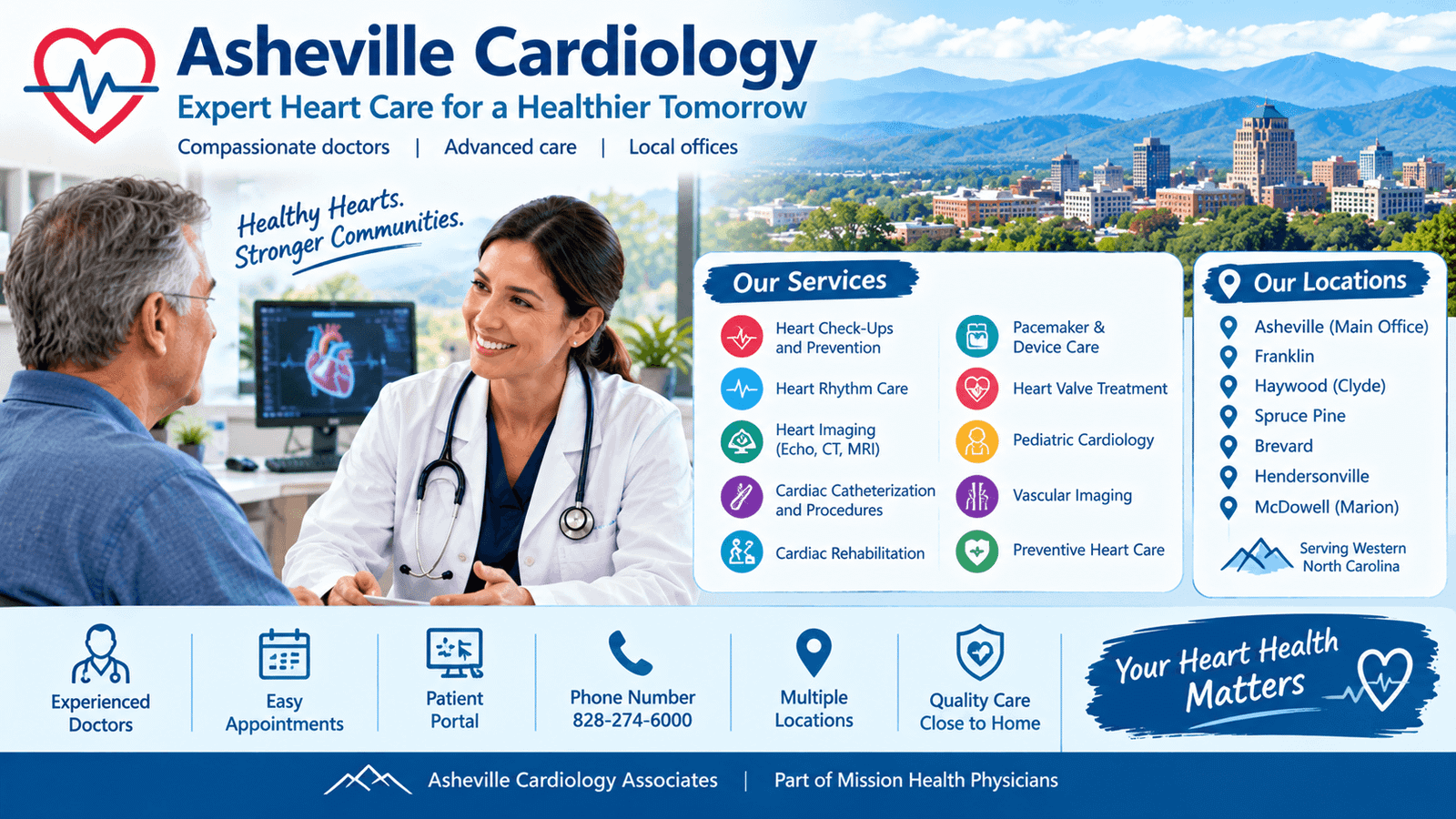
Its listed services include:
- Heart health visits
- Heart rhythm care
- Heart imaging
- Cardiac catheterization
- Cardiac rehabilitation
- Pacemaker care
- Heart valve procedures
- Pediatric heart care
- Vascular imaging
- Preventive heart care
A cardiac catheterization uses a thin tube to examine heart blood vessels. Doctors may also use it during certain treatments.
Cardiac rehabilitation is a supervised program after some heart events or procedures. It may include safe exercise, education, and support.
What conditions can cardiologists assess?
The practice lists care for many conditions, including:
- Atrial fibrillation
- Heart failure
- Coronary artery disease
- Congenital heart conditions
- Heart valve problems
- High cholesterol
- Peripheral vascular disease
- Pulmonary hypertension
Atrial fibrillation is an irregular heart rhythm. It can raise the risk of blood clots and stroke.
Heart failure means the heart does not pump or fill as well as needed. Treatment may help control symptoms and support daily activity.
Who may need a heart specialist?
A person with high blood pressure may need a heart risk review. Someone with a family history may ask about prevention.
A patient with a fast heartbeat may need rhythm testing. Another patient may need follow-up after a hospital stay.
For example, a person may feel tired during normal walks. A primary care doctor may suggest a heart evaluation.
A cardiologist reviews symptoms, medical history, and test results. The doctor then discusses possible next steps.
Asheville Cardiology Doctors and Specialists
Choosing a cardiologist depends on your symptoms and health needs. Different doctors focus on different parts of heart care.
Asheville Cardiology Associates has a physician directory on its official website. Patients can use it to review provider information.
Types of heart specialists
A general cardiologist treats many common heart conditions. These may include high blood pressure and coronary artery disease.
An electrophysiologist focuses on heart rhythm problems. These doctors assess conditions such as atrial fibrillation.
An interventional cardiologist performs certain procedures through blood vessels. These may help assess or treat narrowed heart arteries.
A heart failure specialist helps patients manage weak heart pumping. Care may include medicine, monitoring, and daily habit changes.
Pediatric cardiologists care for babies, children, and teens with heart conditions. The practice lists pediatric heart services for young patients.
How can you find a doctor?
Start with the official provider directory. Review each doctor’s training, specialty, and available office information.
You can also ask your primary care doctor for a referral. Your health plan may have rules for specialist visits.
Before booking, ask:
- Is the doctor accepting new patients?
- Does the doctor treat my condition?
- Is the doctor in my insurance network?
- Do I need a referral?
- Which office should I visit?
- Should I bring past test results?
What should you bring?
Prepare a list of your medicines and health concerns. Include vitamins and non-prescription products.
Bring your insurance card and photo ID. Share earlier heart tests or hospital records when available.
For example, a patient with past rhythm problems may bring an old ECG report. This can help the doctor review the patient’s history.
New patients should check the practice’s forms before their visit. Ask how early to arrive and whether staff need records beforehand.
Asheville Cardiology Locations and Contact Details
Asheville Cardiology Associates lists offices across Western North Carolina. These include Asheville, Franklin, Haywood, Spruce Pine, Brevard, Hendersonville, and McDowell.
Office details can change. Check the official location page before traveling.
Asheville main office
The listed Asheville office is:
Asheville Cardiology Associates
5 Vanderbilt Park Drive, First Floor
Asheville, NC 28803
Phone: 828-274-6000
The official location page lists this address and phone number. Call before visiting to confirm your appointment.
Other listed locations
| Location | Address | Phone |
| Asheville | 5 Vanderbilt Park Drive, First Floor | 828-274-6000 |
| Franklin | 55 Medical Park Drive, Suite 114 | 828-349-6611 |
| Haywood, Clyde | 360 Hospital Drive, Suite 202 | 828-558-6150 |
| Spruce Pine | 189 Hospital Drive, Second Floor | 828-766-3555 |
| Brevard | 89 Medical Park Drive, Suite C | 828-883-2131 |
| Hendersonville | 691 Blythe Street Court | 828-693-5010 |
The practice also lists a McDowell office in Marion. Confirm the current address and contact details before your visit.
How do you choose a location?
Choose the office shown on your appointment notice. Some tests or procedures may take place elsewhere.
Ask whether the office offers your needed service. Also check parking, building access, and arrival instructions.
Patients traveling from nearby towns may need extra time. Call if you need help with directions or accessibility.
Heart Symptoms and Conditions That May Need Care
A cardiologist can assess symptoms that may relate to the heart. Some symptoms have other causes, so testing may be needed.
Symptoms can start slowly or appear without warning. Keep notes about when they happen and what makes them change.
Common symptoms
People may seek heart care for:
- Chest pressure or discomfort
- Shortness of breath
- A fast or uneven heartbeat
- Dizziness
- Fainting
- Swelling in the legs or feet
- Unusual tiredness
- Reduced ability to exercise
These signs do not always mean heart disease. A healthcare professional can help find the cause.
Common heart conditions
Coronary artery disease: Fatty material can narrow blood vessels that feed the heart. This may reduce blood flow.
Atrial fibrillation: This condition causes an irregular heart rhythm. Doctors may use medicines or procedures to manage it.
Heart failure: The heart cannot pump or fill as well as the body needs. Care may help manage symptoms.
Valve disease: A heart valve may become narrow or leak. Imaging can show how well it works.
Peripheral vascular disease: Blood flow becomes reduced in blood vessels outside the heart. It often affects the legs.
What details should you track?
Write down when symptoms begin and how long they last. Note activity, meals, stress, and medicine use.
For example, someone may feel breathless after climbing stairs. Another person may notice a racing heartbeat while resting.
Share these details during your visit. They may help the doctor choose useful tests.
Do not wait for a routine appointment during severe or sudden symptoms. Call 911 for emergency warning signs.
Heart Tests and Diagnostic Services
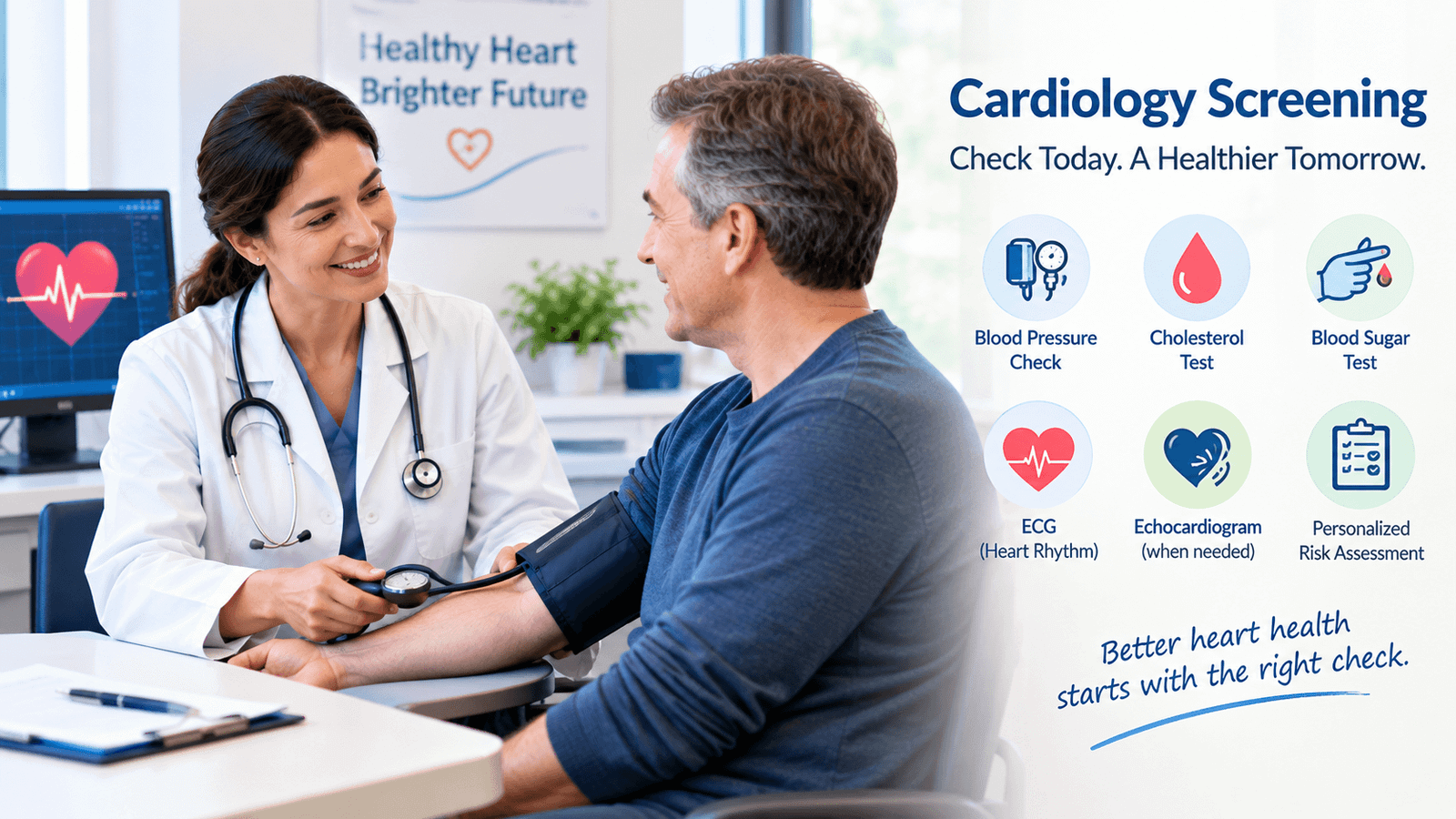
Heart tests help doctors check structure, rhythm, and blood flow. The right test depends on symptoms and medical history.
Asheville Cardiology Associates lists several diagnostic services. These include ECG testing, echocardiograms, CT scans, MRI, and nuclear heart testing.
Common heart tests
| Test | What It Checks |
| ECG or EKG | Heart rhythm and electrical signals |
| Echocardiogram | Heart structure and valve movement |
| Stress test | Heart response during activity |
| Cardiac CT | Detailed images of heart structures |
| MRI | Images of the heart and nearby tissues |
| Nuclear stress test | Blood flow to the heart muscle |
Not every patient needs every test. Your doctor will explain which test may help.
What is an echocardiogram?
An echocardiogram uses sound waves to create heart images. It can show how the heart pumps and how valves move.
A technician places a probe on the chest. The test is often painless and does not use X-rays.
What is an ECG?
An ECG records the heart’s electrical signals. Small sticky patches connect to a recording machine.
The test is quick and does not hurt. It can help doctors find certain rhythm changes.
What is cardiac catheterization?
Cardiac catheterization uses a thin tube called a catheter. A doctor guides it through a blood vessel toward the heart.
The test can show blood flow and pressure inside the heart. Doctors may also use it during certain treatments.
How should you prepare?
Follow the instructions from your care team. Ask whether you should change food, drink, or medicine before testing.
Wear comfortable clothes when needed. Bring your medicine list and insurance details.
Ask when you will receive results. Your doctor can explain what the findings mean for your care.
Treatment, Prevention, and Ongoing Heart Care
Heart care may include medicines, procedures, and daily habit changes. The plan depends on your condition and health goals.
Some patients need routine follow-up. Others may need a procedure or closer monitoring.
Medicines
Heart medicines can help control blood pressure, cholesterol, rhythm, or fluid buildup. Take them as prescribed.
Do not stop a medicine without speaking with your doctor. Tell the care team about side effects or cost concerns.
Procedures and devices
Some patients may need a heart procedure. Options can include catheter-based treatments or implanted devices.
A pacemaker helps control certain slow heart rhythms. An implantable defibrillator can help treat some dangerous rhythms.
The practice lists procedures such as ablation, pacemaker insertion, and valve treatments. Your doctor can explain whether any option fits your condition.
Cardiac rehabilitation
Cardiac rehabilitation is a supervised program after certain heart events or procedures. It may include exercise, education, and support.
A care team helps patients build activity safely. Ask whether your doctor recommends a referral.
Daily habits that support heart health
Discuss these steps with your care team:
- Choose meals with vegetables, fruit, and whole grains.
- Follow advice about salt and portion sizes.
- Stay active within your health limits.
- Avoid smoking and tobacco.
- Take medicines as directed.
- Keep follow-up visits.
- Check blood pressure when advised.
- Ask about sleep and stress.
For example, a patient with high blood pressure may check readings at home. The doctor can review those numbers during follow-up.
Preventive heart care
Preventive care focuses on risks before serious problems occur. It may include cholesterol checks and family history review.
Share any family history of early heart disease. Your doctor can discuss personal risk and screening needs.
Appointments, Patient Portal, and When to Seek Help
Before booking, confirm the office, provider, and appointment type. This can help prevent delays or travel to the wrong location.
Asheville Cardiology phone number
The official Asheville location lists this phone number:
828-274-6000
Call to ask about appointments, office details, and patient questions. Confirm the right department before sharing private medical information.
Asheville Cardiology patient portal
The practice offers an online patient portal. Patients can use it to connect with their care team.
The portal can support appointment scheduling and access to personal medical history. Patients may use the website or app.
Use the official Mission Health Physicians website to reach the portal. Keep your login details private.
If you cannot sign in, contact the practice for help. Do not send passwords through ordinary email.
Asheville Cardiology Associates website
The official website is part of Mission Health Physicians. It provides provider profiles, location details, patient resources, and appointment information.
Patients can also find forms and payment resources. Check the site for current instructions before your visit.
What should you ask before an appointment?
You may want to ask:
- Do I need a referral?
- Should I bring test results?
- Does my insurance cover this visit?
- Where should I park?
- How do I access the patient portal?
- When will I receive test results?
Write down your questions before the visit. This can help you remember important details.
When should you seek urgent help?
Call 911 for sudden chest pain, severe breathing trouble, fainting, or stroke signs. Do not drive yourself during a possible emergency.
Stroke signs may include sudden face drooping, arm weakness, or trouble speaking.
For new or worsening symptoms, contact a healthcare professional promptly. If you are unsure, seek medical guidance.
Frequently Asked Questions About Asheville Cardiology
Q: What is the Asheville Cardiology Associates phone number?
A: The Asheville office lists 828-274-6000. Call to confirm appointments and office details. Ask which department can help with your question. Check the official site for changes.
Q: Where is Asheville Cardiology Associates located?
A: The listed Asheville office is at 5 Vanderbilt Park Drive, First Floor, Asheville, NC 28803. The practice has other offices across Western North Carolina. Confirm your appointment location before traveling. Ask about parking and building access.
Q: Does Asheville Cardiology have a patient portal?
A: Yes, the practice provides an online patient portal. Patients can connect with doctors and review personal medical history. The portal also supports appointment scheduling. Use the official practice website to access it.
Q: How can I find Asheville Cardiology Associates doctors?
A: Use the provider directory on the official website. It includes information about the practice’s doctors and specialties. You can also ask your primary care doctor for a referral. Confirm insurance and appointment availability directly.
Q: Does Asheville Cardiology provide pediatric care?
A: Yes, the practice lists pediatric heart care. This care can support infants, children, and teens with heart conditions. Ask whether the needed service is available at your preferred office. A pediatrician may also help arrange a referral.
Q: Does Asheville Cardiology offer heart tests?
A: Yes, the practice lists several heart tests. These include ECGs, echocardiograms, CT, MRI, and nuclear testing. Your doctor will choose tests based on your health needs. Ask how to prepare and when results will arrive.
Q: Does Asheville Cardiology have offices outside Asheville?
A: Yes, the practice lists locations in nearby communities. These include Franklin, Clyde, Spruce Pine, Brevard, Hendersonville, and Marion. Office services may differ by location. Confirm the address and service before booking.
Conclusion
Asheville Cardiology Associates provides heart care in Asheville and nearby Western North Carolina communities. Its listed services include heart testing, specialist care, treatment, and pediatric cardiology.
Patients can review doctors and office locations through the official website. The Asheville office lists 828-274-6000 as its phone number. The patient portal can support online access to care information.
A cardiology visit may help explain symptoms or manage a known heart condition. Bring your medicine list, insurance card, and past test records when asked.
Seek emergency help for severe chest pain, sudden breathing trouble, fainting, or stroke signs. For other heart concerns, contact a qualified healthcare professional.
Medically reviewed for accuracy. Always consult a licensed cardiologist for personal advice.