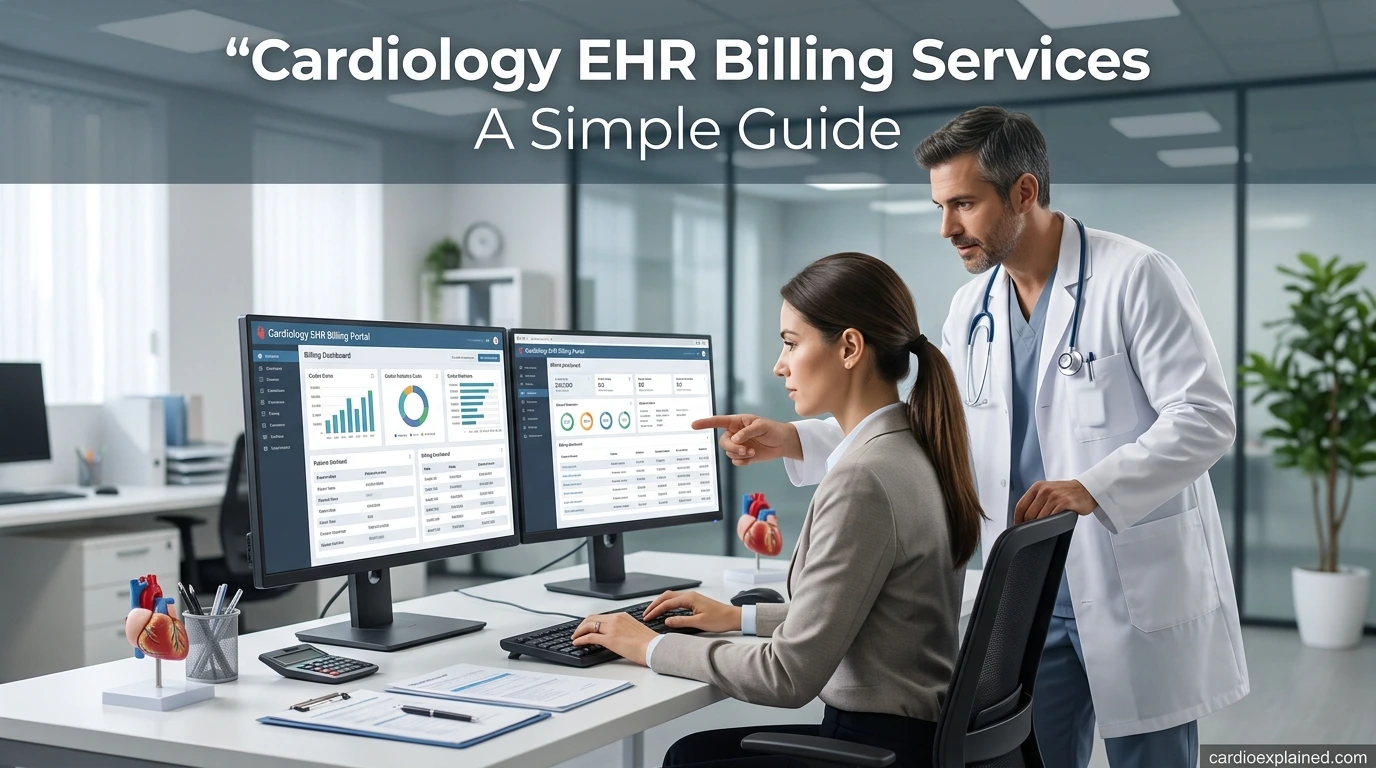

Cardiology EHR billing services help heart clinics manage patient records, medical billing, and insurance claims in one smooth system. They help doctors save time, reduce billing mistakes, and focus more on patient care. Many heart clinics use these services to improve payments, keep records safe, and provide better care for every patient.
Have you ever wondered why some doctor visits seem quick and well organized? Behind the scenes, many heart clinics use smart tools to keep everything running well. Cardiology EHR billing services help doctors store health records, send insurance claims, and track payments in one place.
Heart care often includes many visits, tests, and treatments. Keeping every detail correct matters. Even a small billing mistake can delay care or confuse patients. A good system helps doctors and office staff stay organized while giving patients a better experience.
Patients also benefit from faster insurance processing and fewer billing problems. Caregivers can spend less time handling paperwork. Students can better understand how modern heart clinics work. Learning about these services makes it easier to see why technology plays such an important role in today’s healthcare system.
❤️ What Are Cardiology EHR Billing Services?
Heart doctors care for patients with many different heart problems. They also manage large amounts of health information every day. Cardiology EHR billing services combine electronic health records, called EHRs, with medical billing tools.
An electronic health record is a digital patient chart. It stores health information safely on a computer instead of paper.
These services help clinics:
- ✅ Keep patient records organized
- ✅ Record doctor visits
- ✅ Track medicines
- ✅ Save test results
- ✅ Send insurance claims
- ✅ Receive payments faster
- ✅ Reduce paperwork
Instead of switching between different programs, doctors and staff can use one connected system.
How an EHR Helps Heart Doctors
Heart care often involves many tests and follow-up visits. Doctors need quick access to patient history.
An EHR can store:
- Blood pressure readings
- Heart rhythm reports
- Test results
- Imaging reports
- Medicine lists
- Past procedures
- Follow-up plans
This information stays together in one secure place.
How Billing Fits Into the System
Billing starts after a patient visit.
The office staff records the services provided. The billing system creates an insurance claim using those records.
The insurance company reviews the claim.
If everything is correct, payment usually arrives faster.
If information is missing, the claim may return for correction.
Because the billing system connects with the patient’s record, staff can avoid many common errors.
A Real-Life Example
Many patients visit a heart clinic after chest pain.
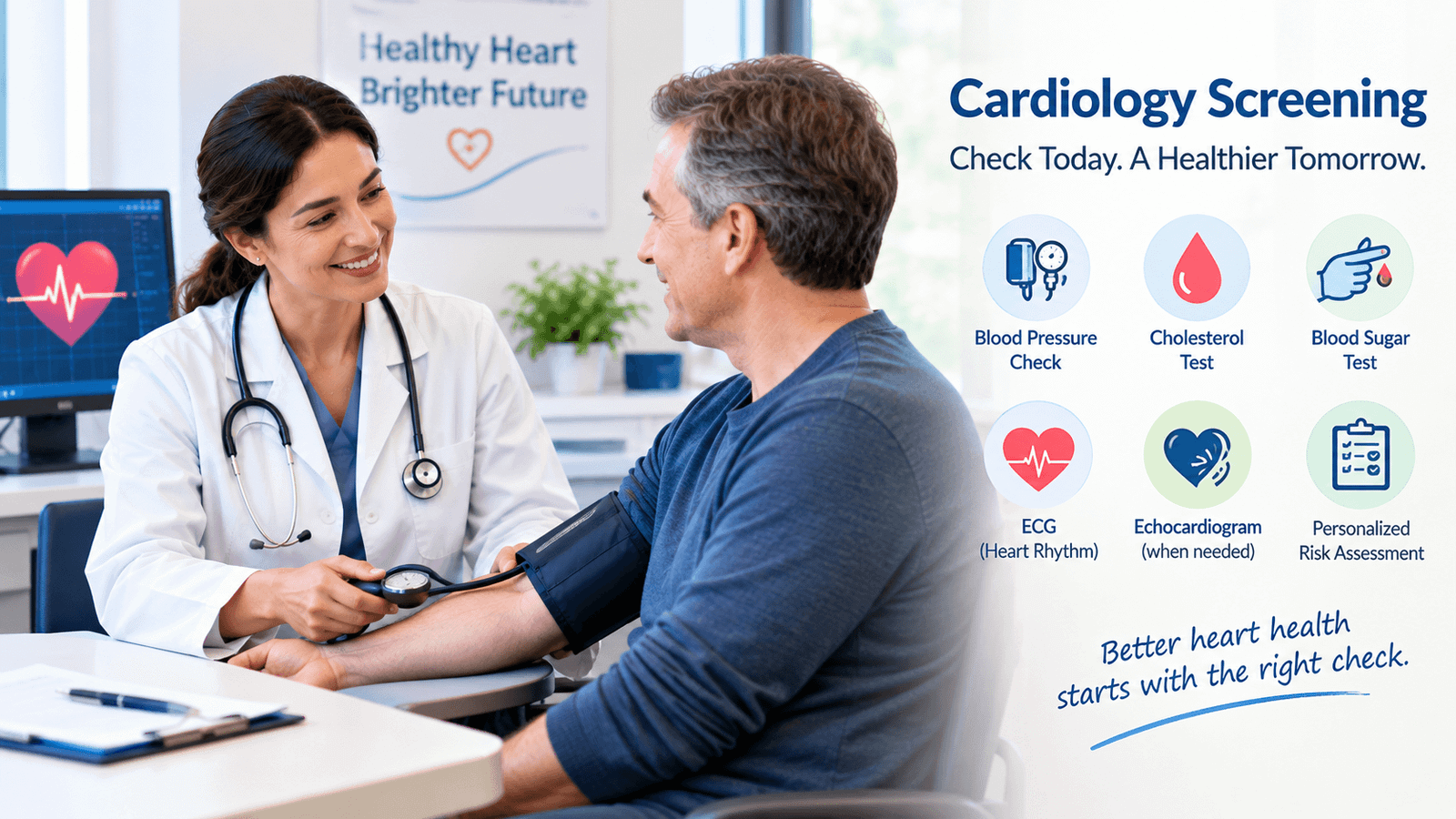
The doctor orders an electrocardiogram, also called an ECG. This test checks the heart’s electrical activity.
The results enter the patient’s EHR.
The billing system records the visit and sends the insurance claim using the same information.
This process saves time and reduces duplicate work.
🩺 Why Heart Clinics Need Good Billing Systems
Cardiology clinics handle many different services every day.
A patient may need:
- Office visits
- Heart scans
- Stress tests
- ECG tests
- Ultrasounds
- Follow-up appointments
- Long-term treatment
Each service needs correct records and proper billing.
Without a good system, mistakes can happen.
Common problems include:
- Missing patient information
- Wrong billing codes
- Lost paperwork
- Delayed insurance claims
- Payment delays
- Duplicate records
Good software helps clinics prevent these issues.
Cardiology Services Often Need Detailed Records
Heart care is more complex than many routine checkups.
Doctors may compare current results with older records.
A connected EHR makes this easy.
The billing system also pulls information from those records when preparing claims.
This reduces manual work.
Insurance Rules Can Change
Insurance companies often update payment rules.
Billing teams must follow these rules carefully.
Modern systems can alert staff when information is missing.
This lowers the chance of rejected claims.
Better Team Communication
Many people help care for heart patients.
This may include:
- Cardiologists
- Nurses
- Medical assistants
- Billing specialists
- Front desk staff
Everyone needs accurate information.
A shared EHR allows the team to see updated records quickly.
That helps everyone work together.
A Patient Story
Mr. Allen visited a heart clinic after feeling short of breath.
The doctor reviewed his past ECG, blood pressure history, and medicines within minutes.
After the visit, the billing team sent the insurance claim using the same record.
Mr. Allen received his insurance statement sooner and had fewer billing questions.
📋 Signs That a Clinic May Need Better Cardiology EHR Billing Services
Patients may not notice billing problems right away.
Still, some warning signs appear over time.
Frequent Billing Errors
Repeated billing mistakes can confuse patients.
They may receive bills with:
- Wrong dates
- Missing insurance details
- Incorrect charges
- Duplicate payments
These problems create stress for everyone.
Long Insurance Delays
Insurance claims should move through the process without unnecessary delays.
If claims return often, staff must spend more time fixing errors.
Patients may wait longer to understand what they owe.
Missing Patient Information
Doctors need complete records during every visit.
Missing notes or test results can slow care.
A strong EHR keeps information together.
Too Much Paperwork
Paper files take time to organize.
Staff may spend hours searching for records.
Digital systems make information easier to find.
Patients Ask Many Billing Questions
Patients expect clear bills.
When bills contain errors, phone calls increase.
Office staff spend valuable time solving payment issues instead of helping patients schedule care.
A Second Patient Story
Mrs. Lopez visited her cardiologist several times after heart surgery.
Before her clinic upgraded its system, insurance claims often needed corrections.
After using better software, her appointments, records, and billing stayed connected.
She received clearer statements and spent less time calling the office.
Signs Patients May Notice
Patients may notice:
- ✅ Bills arriving much later
- ✅ Insurance claims taking longer
- ✅ Repeated paperwork requests
- ✅ Confusing payment statements
- ✅ Appointment delays because records are missing
These signs do not always mean something is seriously wrong.
Still, they may show that a clinic could benefit from better technology.
Modern cardiology EHR billing services help many practices reduce these problems while improving the patient experience.
⏱️ How Doctors Check Billing and Patient Records
Good heart care depends on accurate records. Doctors also need correct billing information. A strong system helps both happen together.
Many clinics use cardiology EHR billing services to keep records complete and claims accurate.
Common Records Doctors Review
Doctors may check:
- Blood pressure history
- Medicine lists
- Past office visits
- ECG reports
- Echocardiogram results
- Lab reports
- Hospital notes
Seeing everything together helps doctors make better decisions.
Tests Often Used in Heart Care
| Test | What It Checks | Why It Matters |
| ECG | Heart’s electrical activity | Finds rhythm problems |
| Echocardiogram | Heart structure and movement | Shows how the heart pumps |
| Stress Test | Heart during exercise | Looks for reduced blood flow |
| Blood Tests | Heart-related markers | Helps guide treatment |
These tests also need correct records for insurance claims.
Billing Review
After the visit, trained billing staff review:
- Patient details
- Insurance information
- Services provided
- Medical codes
- Doctor notes
If something looks missing, staff fix it before sending the claim.
This careful review helps lower claim denials.
Following Trusted Guidelines
Many heart clinics follow guidance from the American Heart Association (AHA) and the American College of Cardiology (ACC).
These groups support accurate records and quality patient care.
A Patient Example
Many patients feel nervous before their first heart test.
A complete digital record helps the doctor explain past results.
The billing team also finds the needed information quickly.
This saves time for everyone.
✅ Treatment and Management Through Better Systems
Good technology does not treat heart disease.
Doctors, nurses, and medicines provide treatment.
The system helps the care team work together.
Better Visit Planning
Before each visit, the doctor reviews:
- Recent symptoms
- Test results
- Medicines
- Previous treatments
This helps the visit stay focused.
Faster Insurance Claims
Connected records reduce missing information.
That means many insurance claims move faster.
Patients often receive clearer billing statements.
Better Follow-Up Care
Heart care often lasts many months.
Patients may return for:
- Blood pressure checks
- Medicine changes
- New heart tests
- Recovery visits
The EHR keeps every visit connected.
Fewer Billing Problems
Modern cardiology EHR billing services help reduce:
- Duplicate claims
- Missing documents
- Incorrect patient details
- Billing delays
No system removes every mistake.
Still, many clinics see fewer problems.
Working as One Team
Doctors, nurses, and billing specialists share the same information.
This helps patients avoid repeating the same details during every visit.
❤️ Healthy Habits That Support Heart Care

Technology helps clinics.
Healthy choices help patients.
Both matter.
Build Heart-Healthy Habits
- ✅ Stay active most days.
- ✅ Eat more fruits and vegetables.
- ✅ Choose whole grains.
- ✅ Limit salty foods.
- ✅ Take medicines as directed.
- ✅ Keep follow-up visits.
- ✅ Ask questions if something feels unclear.
Keep Your Health Information Updated
Tell your clinic if:
- Your insurance changes.
- Your address changes.
- You start a new medicine.
- Another doctor treats you.
- You visit the hospital.
Updated records help doctors and billing staff.
Bring Important Information
Bring:
- Insurance card
- Medicine list
- Photo ID
- Questions for the doctor
Being prepared makes the visit easier.
A Family Story
A caregiver brought her father’s updated medicine list to every visit.
The doctor quickly noticed an old prescription.
The billing staff also confirmed the insurance details.
The visit finished smoothly because everyone had current information.
⚠️ When Should You Contact Your Doctor?
Good records help every visit.
Still, patients should never wait during a heart emergency.
Seek Emergency Care Right Away If You Have
- 🚨 Chest pain that does not stop
- 🚨 Trouble breathing
- 🚨 Fainting
- 🚨 Severe dizziness
- 🚨 Sudden weakness
- 🚨 A very fast or very slow heartbeat
Call emergency services if these symptoms appear.
Contact Your Heart Clinic If You Notice
- New swelling
- Ongoing tiredness
- Medicine side effects
- New insurance information
- Billing questions
- Missing appointments
Early communication helps solve many problems.
Billing Questions Matter Too
Call the clinic if:
- A bill seems incorrect.
- Insurance denied a claim.
- You received duplicate statements.
- You do not understand your balance.
Many issues have simple answers.
The billing team can often explain the charges.
Frequently Asked Questions
❓ Q: What are cardiology EHR billing services?
A: They combine electronic health records with medical billing tools. They help heart clinics manage patient information and insurance claims more accurately. Many clinics use cardiology EHR billing services to improve workflow and reduce billing mistakes.
❓ Q: Do these services help patients?
A: Yes. Patients may receive clearer bills and faster insurance processing. They may also spend less time solving billing problems.
❓ Q: Can billing mistakes affect my care?
A: Sometimes. Billing errors may delay insurance payments or create confusion. They usually do not change medical treatment, but they should be corrected quickly.
❓ Q: Is my health information safe in an electronic record?
A: In many cases, yes. Clinics use security measures to protect patient information. Staff also follow privacy laws to keep records secure.
❓ Q: Why do heart clinics need special billing systems?
A: Heart care often includes many tests and follow-up visits. Special systems help organize records and support accurate insurance claims.
❓ Q: Should I bring my insurance card to every visit?
A: Yes. Insurance details may change over time. Updated information helps prevent claim delays and billing errors.
❓ Q: Can I ask questions about my bill?
A: Yes. Patients should always ask if something seems unclear. The clinic’s billing team can explain charges and discuss insurance information.
Conclusion
Good heart care depends on teamwork, clear records, and accurate billing. Cardiology EHR billing services help clinics organize patient information, prepare insurance claims, and reduce common billing mistakes. Patients also benefit from clearer records, smoother visits, and fewer payment questions.
Technology supports doctors, but it never replaces personal care. Healthy habits, regular checkups, and open communication remain important. If you have heart concerns or questions about your care, talk to a cardiologist. If you have billing concerns, contact your clinic early. Small questions today can prevent bigger problems later.