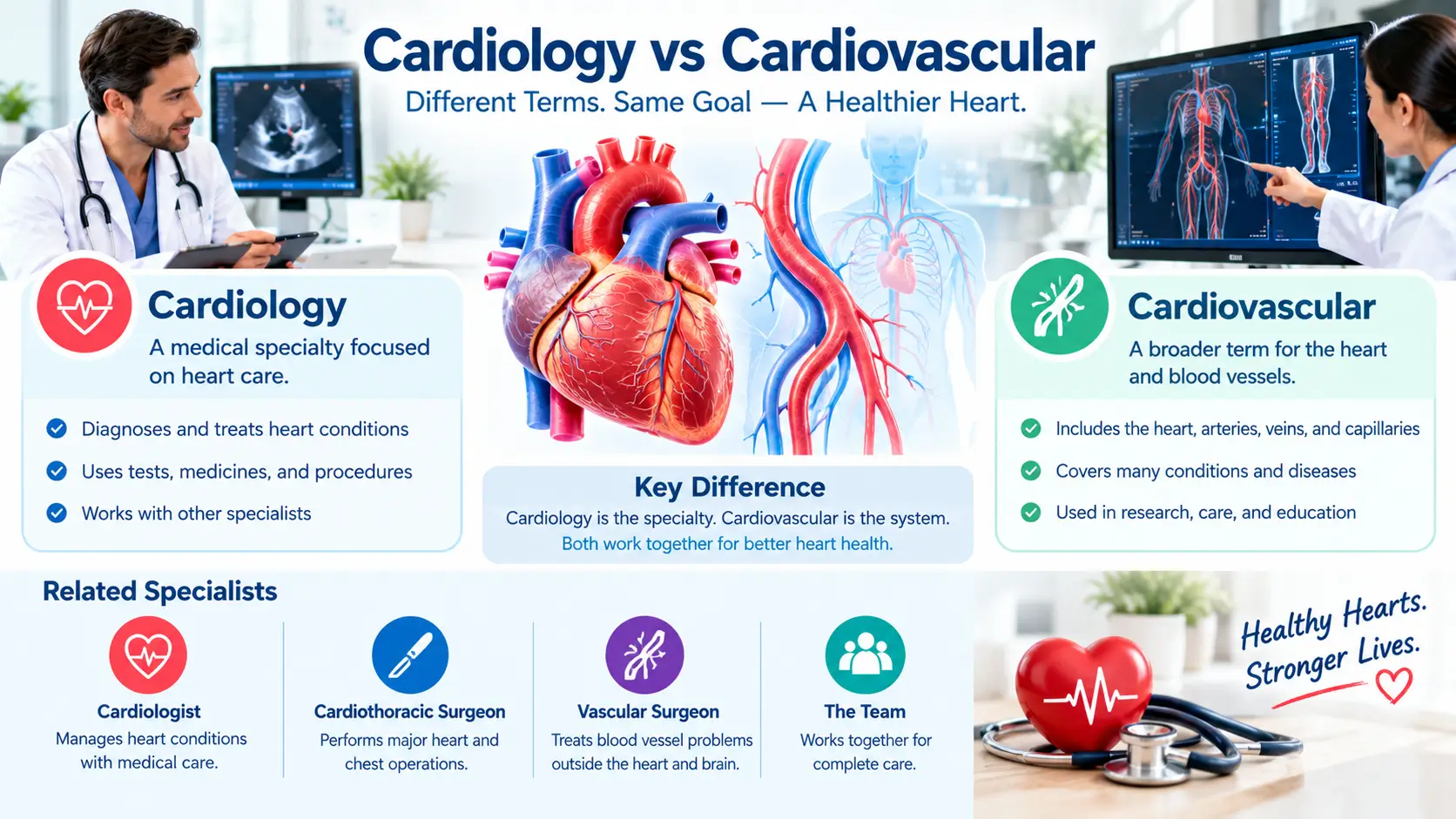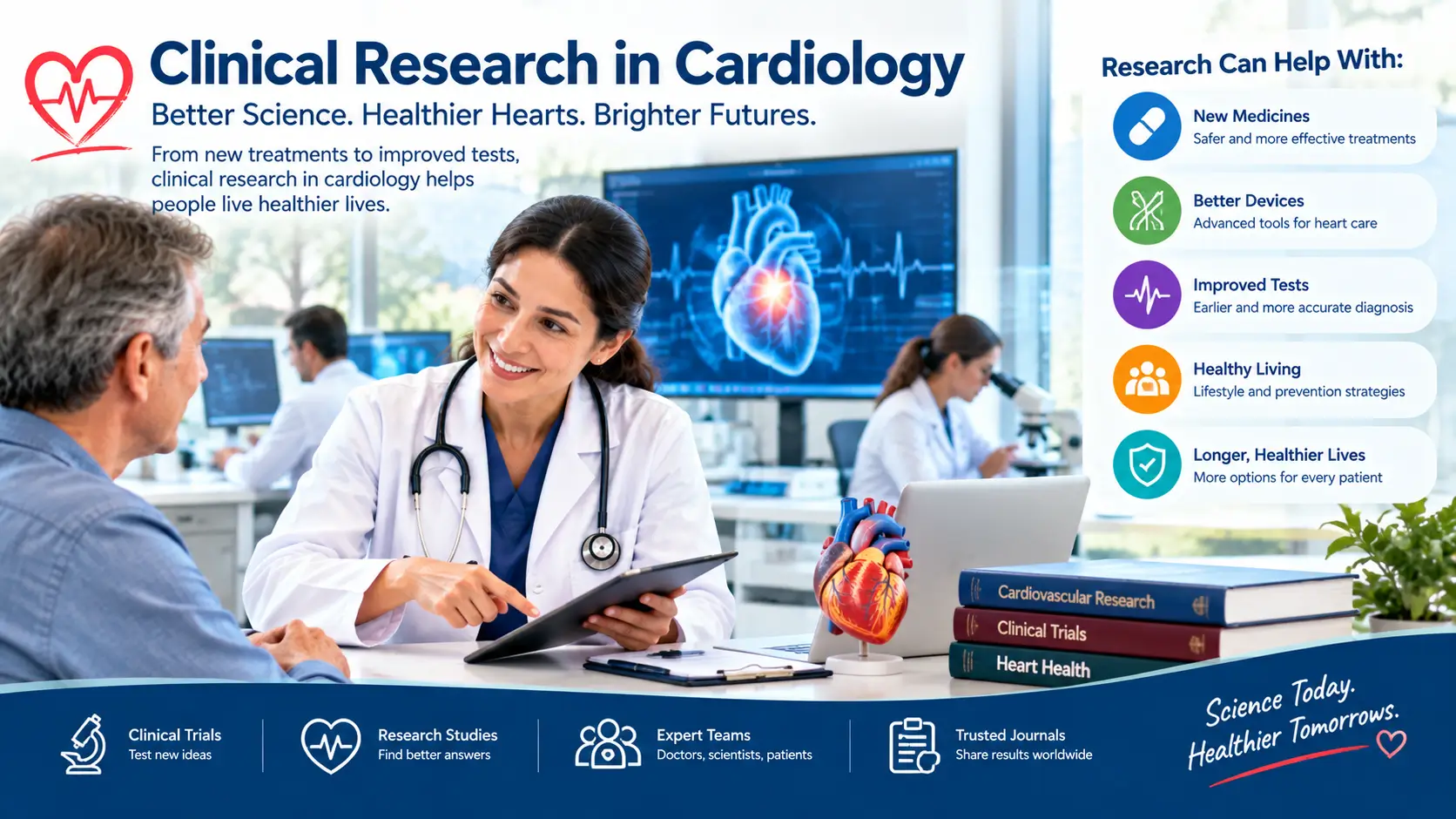


Early childhood cardiology focuses on heart health in babies, toddlers, and young children. It helps doctors find heart problems, check symptoms, and guide care as children grow.
❤️ What Is Early Childhood Cardiology?
Have you ever worried after a doctor hears an unusual heart sound?
That moment can feel scary for any parent. Early childhood cardiology focuses on heart care during the first years of life. It covers babies, toddlers, preschoolers, and young children.
A pediatric cardiologist is a doctor trained to care for children’s hearts. They check heart structure, blood flow, heart rhythm, and related concerns. They also help families understand test results and treatment choices.
Children can have heart problems for many reasons. Some heart conditions exist at birth. These are called congenital heart defects. Other problems can appear later.
Some children have no clear symptoms. A doctor may find a concern during a routine checkup. Other children may have breathing trouble, feeding problems, or poor weight gain.
Early childhood cardiology can help find the cause. It can also help families know what to expect next.
A heart concern does not always mean a serious problem. Many childhood heart findings are mild. Some need only regular checks as the child grows.
🩺 Why Might a Young Child Need a Heart Doctor?
A child may see a pediatric cardiologist after a doctor notices something unusual. A heart murmur is one common reason for referral.
A heart murmur means an extra sound during a heartbeat. Many murmurs in children are harmless. Doctors call these innocent murmurs.
Still, some murmurs can point to a heart problem. A specialist can decide if testing may help.
Other reasons for a referral may include:
- A fast or unusual heartbeat
- Fainting or near-fainting
- Trouble breathing
- Blue or gray lips
- Poor feeding
- Slow weight gain
- Chest pain during activity
- Unusual tiredness
- A family history of certain heart conditions
- A known heart defect
- An abnormal newborn screening result
Some children have a heart condition before birth. Doctors may find it during pregnancy. A fetal echocardiogram uses ultrasound to create detailed images of the baby’s heart.
A child may also need care after an earlier heart procedure. Regular visits can help doctors watch heart function over time.
A heart murmur does not always mean disease
Parents often hear the word “murmur” and fear the worst. Most childhood murmurs are not caused by serious heart disease.
An innocent murmur can sound louder when a child feels sick or excited. It may also change as the child grows. Many children with innocent murmurs need no treatment.
For example, imagine a healthy four-year-old at a routine visit. The pediatrician hears a soft murmur. The child runs, plays, eats, and grows normally.
The doctor may simply listen again or refer the child for another opinion. A referral does not automatically mean the child has a heart defect.
🧬 Common Causes and Heart Conditions in Young Children
Congenital heart defects develop before birth. They affect the heart’s structure or the way blood flows. These defects can range from mild to severe.
Doctors may find some defects soon after birth. Others may not appear until later childhood.
Common examples include:
| Heart condition | What it means |
| Atrial septal defect | A hole between two upper heart chambers |
| Ventricular septal defect | A hole between two lower heart chambers |
| Patent ductus arteriosus | A blood vessel stays open after birth |
| Coarctation of the aorta | Part of the main artery becomes too narrow |
| Tetralogy of Fallot | A group of four related heart changes |
| Heart rhythm problem | The heartbeat becomes too fast, slow, or irregular |
A small heart defect may cause few or no symptoms. Some small defects may close on their own. Other defects need medicine, a procedure, surgery, or long-term follow-up.
The cause of many congenital heart defects remains unknown. Genes can play a role in some cases. Pregnancy exposures and certain health conditions may also increase risk.
A family history can matter too. A parent or sibling with congenital heart disease may increase a baby’s risk. Doctors may suggest a fetal echocardiogram in some higher-risk pregnancies.
This does not mean parents caused the condition. Many families never learn an exact cause.
⚠️ Signs of Heart Problems in Young Children
Some children with heart conditions look completely healthy. Others show clear signs.
The symptoms depend on the child’s age and heart condition. Some defects cause few symptoms. More serious problems may cause symptoms early in life.
Parents should tell the child’s doctor about changes such as:
- Fast or difficult breathing
- Blue or gray lips or nails
- Sweating during feeding
- Getting tired while eating
- Poor weight gain
- Unusual sleepiness
- Fainting
- Fast or irregular heartbeats
- Low energy during normal play
Feeding can give parents useful clues in babies. A baby may stop often while feeding because they become tired. They may also breathe fast or sweat during feeds.
Consider a six-month-old who takes a long time to finish every bottle. The baby also sweats during feeds and gains weight slowly.
Those signs do not prove a heart problem. However, they deserve medical attention.
Older children may show different signs. A child might tire much faster than friends during normal activity. Another child may report repeated dizziness or a racing heartbeat.
These symptoms can have many causes. A doctor can help determine whether the heart plays a role.
Not every symptom comes from the heart
Children can have breathing problems during colds. They can also feel tired after poor sleep or illness.
Chest pain can happen for many reasons too. Most childhood chest pain does not come from the heart.
Still, parents should share repeated or concerning symptoms with a healthcare professional. The doctor can decide whether a heart evaluation makes sense.
📋 How Doctors Check a Young Child’s Heart
A pediatric cardiology visit often starts with questions and a physical exam.
The doctor may ask about symptoms, growth, activity, feeding, and family history. They may listen to the heart with a stethoscope.
The doctor may then recommend tests based on the child’s needs.
Common tests include:
Electrocardiogram
An electrocardiogram, or EKG, records the heart’s electrical activity. Small stickers sit on the child’s skin during the test.
The test can help doctors look for certain rhythm or electrical problems.
Echocardiogram
An echocardiogram is an ultrasound of the heart. It uses sound waves to create moving heart pictures.
It can show the heart’s structure and how blood moves through it. The test does not use radiation.
Young children may need extra comfort during the test. Parents can ask the care team how they prepare children.
Chest X-ray
A chest X-ray can give doctors information about the heart and lungs. It may help in selected cases.
Heart rhythm monitor
Some rhythm problems come and go. A wearable monitor can record heartbeats for a longer period.
Doctors may use a Holter monitor or another wearable device. The choice depends on the child’s symptoms.
Other tests
Some children need more detailed testing. Doctors may use MRI, CT scans, exercise testing, or cardiac catheterization.
Doctors choose tests based on the child’s needs. A child does not need every test.
For parents, the best step is simple. Ask what each test looks for and why your child needs it.
💊 Treatment and Long-Term Care
Treatment depends on the heart condition and its severity.
Some children need no treatment. They may only need regular checkups.
Other children may need medicine. Some may need a catheter procedure or surgery. Doctors may also recommend regular heart imaging or rhythm checks.
A catheter procedure uses a thin tube to reach the heart through a blood vessel. Doctors can use this approach for some heart problems.
Surgery may help repair certain structural heart defects. The exact treatment depends on the child’s condition.
Early childhood cardiology can also support children after treatment. A repaired heart defect may still need long-term follow-up. Some children need care through later childhood and adulthood.
For example, imagine a toddler with a small heart defect. The cardiologist may recommend regular visits without immediate treatment.
Another child may have a more serious defect. That child may need medicine or a procedure early in life.
These examples show why treatment plans cannot follow one simple pattern.
What parents can do at home
Follow the care plan from your child’s medical team. Keep appointments and give medicines as directed.
Write down new symptoms before appointments. Include when they happen and how long they last.
You can also keep a list of your child’s medicines and past heart tests. This information can help during new visits.
Ask about activity, sleep, nutrition, dental care, and school needs. Your child’s care team can give advice based on the heart condition.
🌱 Supporting Heart Health as Children Grow
Healthy habits matter for every child. Children need regular activity, balanced food, enough sleep, and routine healthcare.
Children with heart conditions may have different activity needs. Never assume that a diagnosis means your child cannot play or exercise.
Ask the cardiologist about safe activities for your child.
Dental care also matters for some children with heart disease. Good brushing, flossing, and dental visits help protect oral health. Only certain children need antibiotics before specific dental procedures.
Parents should follow their child’s personal medical plan.
Routine checkups can also help doctors watch growth and development. Some children with complex heart conditions may need extra developmental support.
Pregnancy and prevention
Parents cannot prevent every congenital heart defect. The causes of many defects remain unknown.
Some known factors can raise risk during pregnancy. These include certain health conditions, infections, medicines, and smoking.
Pregnant patients should discuss medicines and health conditions with their healthcare team. They should not stop prescribed medicine without medical advice.
Some higher-risk pregnancies may need a fetal echocardiogram. This test usually happens around 18 to 22 weeks.
🚨 When Should a Child See a Doctor?
Call your child’s healthcare professional when you notice repeated or concerning symptoms.
A doctor may want to assess symptoms such as:
- Repeated fainting
- Trouble breathing
- Poor feeding
- Poor weight gain
- Unusual tiredness
- Repeated racing heartbeats
- Blue or gray lips
- A new heart murmur
- Chest pain linked with activity
Some symptoms need urgent medical attention. A child with severe breathing trouble, blue or gray skin, fainting, or serious weakness needs prompt care.
Newborn screening can also help find some critical heart defects. Pulse oximetry checks oxygen levels and can help identify babies who need further evaluation.
If your child has a known heart condition, follow the emergency plan from the child’s medical team.
Do not wait for a routine visit when severe symptoms appear.
Finding pediatric cardiology care
Families often search for terms such as “pediatric cardiology near me.” They may also search for a pediatric cardiologist in a specific city.
Large children’s hospitals often have pediatric heart programs. Search results may also mention centers such as Sibley Heart Center or Children’s Healthcare of Atlanta.
Search terms like “Children’s Cardiology Hamilton Mill” or “pediatric cardiologist Stockbridge, GA” may help local families find nearby services.
However, families should confirm the provider’s location, services, and contact details directly. Online search results can change.
The right specialist depends on the child’s needs. A pediatrician can often help with the referral process.
❓ Frequently Asked Questions
Q: What does early childhood cardiology include?
A: It includes heart care for babies and young children. It can cover heart defects, murmurs, rhythm problems, and follow-up care. A pediatric cardiologist can choose tests based on the child’s symptoms and history.
Q: Does a heart murmur mean my child has heart disease?
A: No, many childhood heart murmurs are harmless. These are called innocent murmurs. A doctor may refer your child when the murmur needs closer review.
Q: When should I look for a pediatric cardiology doctor?
A: Consider a referral when a doctor finds a possible heart concern. Symptoms can include fainting, breathing trouble, poor feeding, or poor weight gain. A family history may also support a specialist visit.
Q: What is Sibley Heart Center pediatric cardiology?
A: Sibley Heart Center is a pediatric heart care program in the Atlanta area. Families may encounter it while searching for pediatric cardiology services. Check the center’s current website for locations and services.
Q: Does Children’s Healthcare of Atlanta have cardiology care?
A: Yes, Children’s Healthcare of Atlanta provides pediatric heart care. Families can check its current locations, services, and career information online. Local families may also see related searches for CHOA cardiology phone numbers.
Q: Is pediatric cardiology near me available in most areas?
A: Many communities have access to pediatric heart care through children’s hospitals. Rural families may need to travel to a larger medical center. A pediatrician can help identify suitable local or regional options.
Q: Can early childhood cardiology find a heart problem before birth?
A: Yes, some heart problems can be found before birth. A fetal echocardiogram uses ultrasound to study the baby’s heart. Some heart problems can still appear only after birth.
❤️ Conclusion
Early childhood cardiology helps doctors care for young hearts during important years.
Some children need heart care because of a condition present at birth. Others need evaluation after a murmur, symptom, or unusual test result.
Many childhood heart findings are mild. Some children need only regular follow-up. Others may need medicine, procedures, or surgery.
Parents should share concerning symptoms with their child’s healthcare professional. Early evaluation can help the care team understand what may be happening.
If your child has a heart concern, ask questions and keep follow-up visits. A pediatric cardiologist can explain your child’s specific needs.
Talk to a cardiologist if you have any heart concerns about your child.
Medically reviewed for accuracy. Always consult a licensed cardiologist for personal advice.