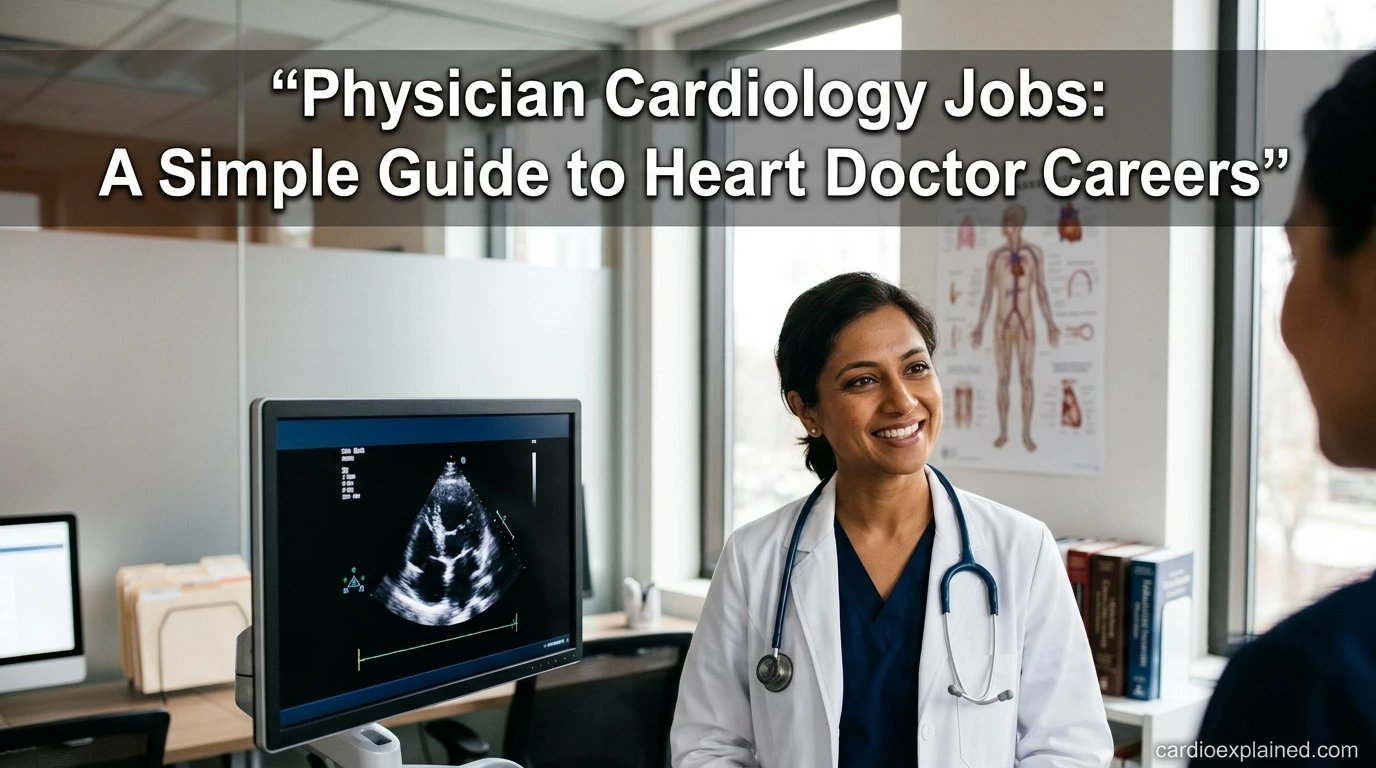
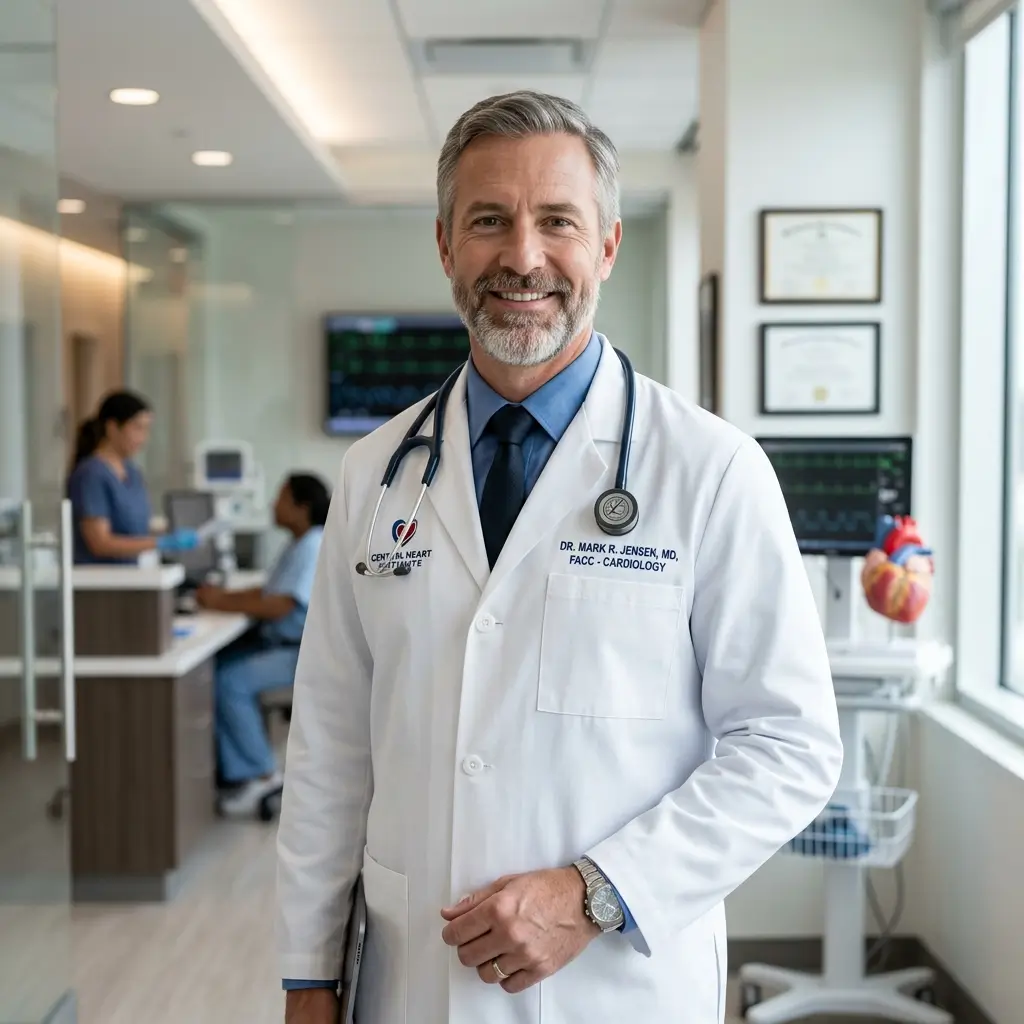
Physician cardiology jobs are medical careers that focus on heart health. These doctors help prevent, find, and treat heart problems. They work in many settings and support people of all ages with heart care.
Have you ever wondered who helps people with heart disease every day? Many families meet a heart doctor after chest pain or high blood pressure. Some students also dream about caring for patients with heart problems. Physician cardiology jobs offer many ways to help people live longer and healthier lives. These roles need years of training, but they also bring purpose and steady career growth. Heart doctors work in clinics, hospitals, and emergency rooms. Some also teach students or study new treatments. Learning about this career can help patients, caregivers, and future doctors understand what these specialists do.
❤️ What Are Physician Cardiology Jobs?
Physician cardiology jobs are roles for doctors who care for the heart and blood vessels. Blood vessels carry blood around the body.
These doctors help people with many heart problems. They may care for someone with high blood pressure. They also help people after a heart attack.
A cardiologist does not usually perform open-heart surgery. Heart surgeons handle those operations. Cardiologists focus on testing, diagnosis, treatment, and long-term care.
Many heart doctors treat adults. Some care for children with heart problems.
Common places where cardiologists work
- 🩺 Hospitals
- 🩺 Private clinics
- 🩺 Heart centers
- 🩺 Medical schools
- 🩺 Research programs
Each setting offers different daily tasks. Some doctors spend more time with patients. Others focus on special procedures.
📋 What Does a Cardiologist Do Each Day?
Every day looks a little different.
A cardiologist may:
- ✅ Meet patients during office visits
- ✅ Review health history
- ✅ Listen to the heart
- ✅ Check blood pressure
- ✅ Read heart tests
- ✅ Create treatment plans
- ✅ Explain healthy lifestyle changes
- ✅ Work with nurses and other doctors
Many patients feel worried before their first visit. A calm doctor often helps them feel safer. Good communication matters as much as medical skill.
Common heart tests
Heart doctors often use safe tests to learn more.
| Test | Purpose | What Happens |
| Electrocardiogram (ECG or EKG) | Checks heart rhythm | Small stickers record heart signals |
| Echocardiogram | Shows heart movement | Sound waves create pictures |
| Stress test | Checks the heart during activity | Walking or medicine raises heart work |
| Holter monitor | Tracks heart rhythm over time | A small monitor records signals for one or two days |
The American Heart Association (AHA) and the American College of Cardiology (ACC) support many standard heart care guidelines. Doctors use these recommendations along with each patient’s needs.
🩺 Types of Cardiology Careers
Not every heart doctor does the same work.
General cardiology
General cardiologists treat many common heart problems. They often manage long-term care.
Interventional cardiology
These doctors perform procedures through small tubes called catheters. A catheter is a thin, flexible tube.
They may open blocked heart arteries with balloons or stents. A stent is a small metal tube that keeps an artery open.
Electrophysiology
These specialists treat heart rhythm problems.
Heart rhythm problems happen when the heart beats too fast, too slow, or unevenly.
Heart failure care
Some doctors focus on weak hearts. They help patients manage symptoms and improve daily life.
Preventive cardiology
These doctors help lower future heart risks.
They guide patients with healthy eating, exercise, blood pressure control, and cholesterol care.
⏱️ Education and Training Needed
Becoming a cardiologist takes time.
Most doctors complete these steps:
- Finish college.
- Attend medical school.
- Complete internal medicine residency.
- Finish cardiology fellowship training.
- Earn board certification when needed.
A residency gives doctors hands-on learning after medical school.
A fellowship provides extra training in one specialty.
Training may take more than ten years after high school.
Many students choose this path because they enjoy science and helping others.
❤️ Skills That Help Heart Doctors Succeed
Medical knowledge matters.
People skills matter too.
Strong cardiologists often have these qualities:
- ✅ Good listening skills
- ✅ Clear communication
- ✅ Patience
- ✅ Careful decision-making
- ✅ Teamwork
- ✅ Attention to detail
Many patients ask many questions during visits.
Doctors explain test results using simple words whenever possible.
That builds trust and lowers fear.
📋 Job Outlook and Work Settings

Heart disease remains common across the United States.
Because of this, many communities need heart specialists.
Physician cardiology jobs may continue to offer good career opportunities as the population grows older.
Doctors may choose large cities or smaller towns.
Some rural areas need more heart specialists.
Common work settings
| Workplace | Main Focus | Typical Schedule |
| Hospital | Emergency and inpatient care | Days, nights, weekends |
| Clinic | Office visits and follow-up care | Mostly daytime |
| Academic center | Teaching and research | Mixed schedule |
| Heart center | Advanced heart care | Clinic and hospital work |
Each workplace offers different experiences.
Some doctors enjoy fast-paced hospital care.
Others prefer long-term patient relationships.
🩺 Salary and Career Growth
Income depends on several factors.
These include:
- ✅ Experience
- ✅ Location
- ✅ Specialty
- ✅ Employer
- ✅ Work hours
Doctors with advanced procedure skills may earn more.
However, many people choose cardiology because they enjoy helping others.
Career growth also includes teaching, research, and leadership roles.
Some cardiologists become medical directors.
Others help improve hospital heart programs.
❤️ Why Patients Value Cardiologists
Patients often meet a cardiologist during stressful times.
A caring doctor can make a big difference.
For example, a patient may feel scared after chest pain.
The doctor explains the test results step by step.
The patient leaves with a treatment plan and greater peace of mind.
Another patient may have high blood pressure for years.
Regular visits help track progress.
Healthy habits and medicine may lower future heart risks.
These real-life situations happen every day.
📋 Is This Career Right for Future Doctors?
Students often ask if cardiology fits their goals.
People who enjoy science, teamwork, and patient care may enjoy this field.
The training takes many years.
The work also brings emotional rewards.
Heart doctors often build long relationships with patients.
Watching someone recover after treatment can feel very meaningful.
The job also requires lifelong learning.
New research helps improve heart care every year.
⏱️ Frequently Asked Questions
❓ Q: What are physician cardiology jobs?
A: They are careers for doctors who diagnose and treat heart and blood vessel conditions. These doctors work in hospitals, clinics, and other healthcare settings.
❓ Q: How many years does it take to become a cardiologist?
A: It often takes more than ten years after high school. The path includes college, medical school, residency, and fellowship training.
❓ Q: Do cardiologists perform heart surgery?
A: No, not usually. Heart surgeons perform open-heart surgery. Cardiologists focus on testing, treatment, and many minimally invasive procedures.
❓ Q: Are physician cardiology jobs in demand?
A: Yes. Many areas need more heart specialists because heart disease remains common and the population continues to age.
❓ Q: What skills make a good cardiologist?
A: Good communication, careful thinking, kindness, and teamwork all help. Medical knowledge also plays a major role.
❓ Q: Can cardiologists help prevent heart disease?
A: Yes. They often help patients improve diet, exercise, blood pressure, cholesterol, and other heart health habits.
Final Thoughts
Heart doctors play an important role in keeping people healthy. They diagnose heart problems, guide treatment, and support patients over many years. Physician cardiology jobs also offer many career paths, from clinic care to advanced procedures and teaching. Patients benefit from skilled, caring doctors who explain each step clearly. Students who enjoy science and helping others may find this career rewarding. If you have heart concerns or questions, talk to a licensed cardiologist. Early care may help protect your heart and improve your health.