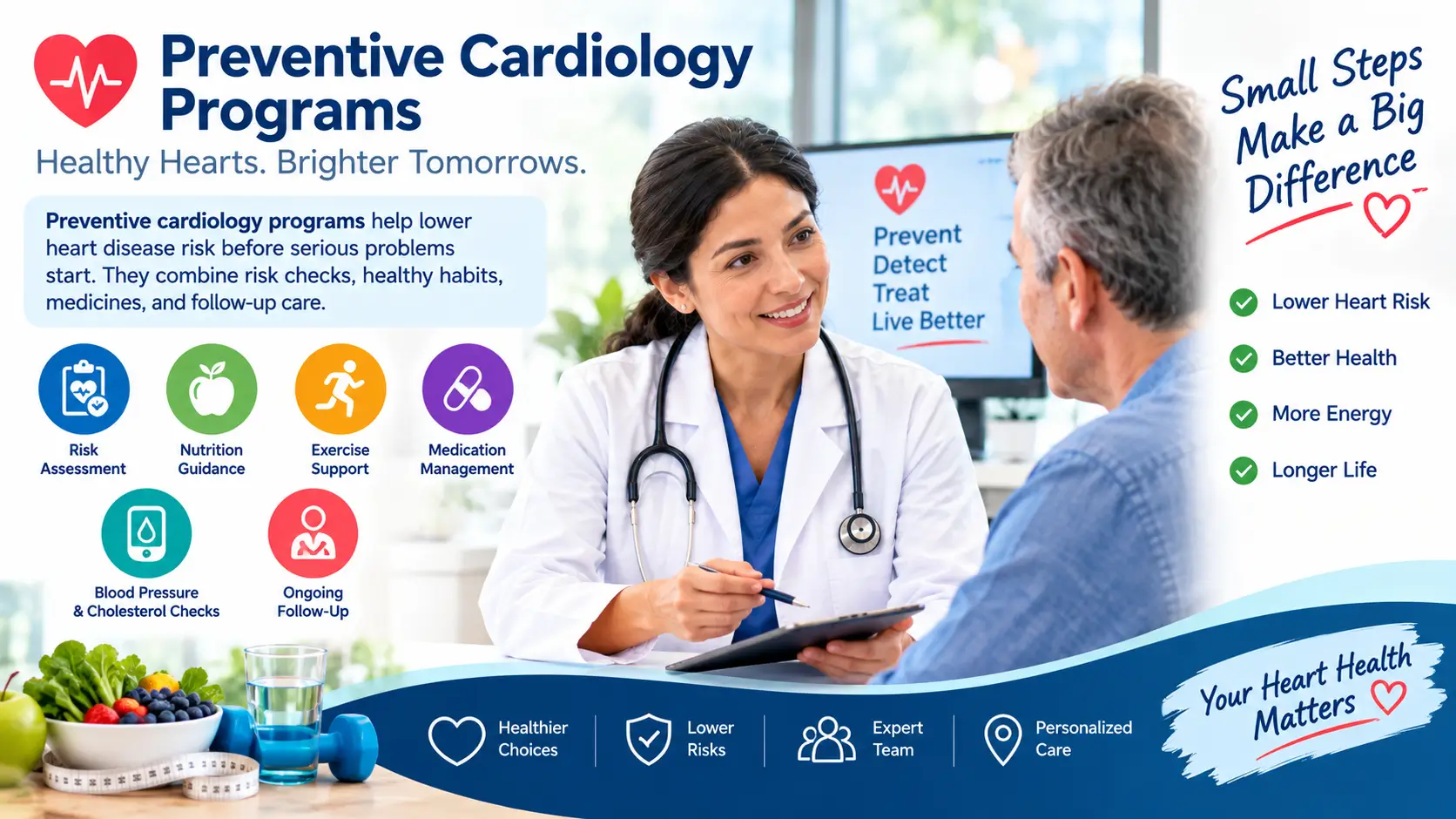

Preventive cardiology programs help people lower heart disease risk before serious problems develop. They combine risk checks, healthy habits, medicines, and follow-up care. Doctors may use these programs for people with risk factors or known heart disease.
What Are Preventive Cardiology Programs?
Have you ever wondered if heart disease could be prevented before symptoms start? Preventive cardiology programs focus on that early step. They help find heart risks and build a plan around your needs.
Preventive cardiology is a part of heart medicine. It focuses on lowering the risk of heart attack, stroke, and other heart problems. Care may start before you have heart disease. It can also help after a heart attack or stroke.
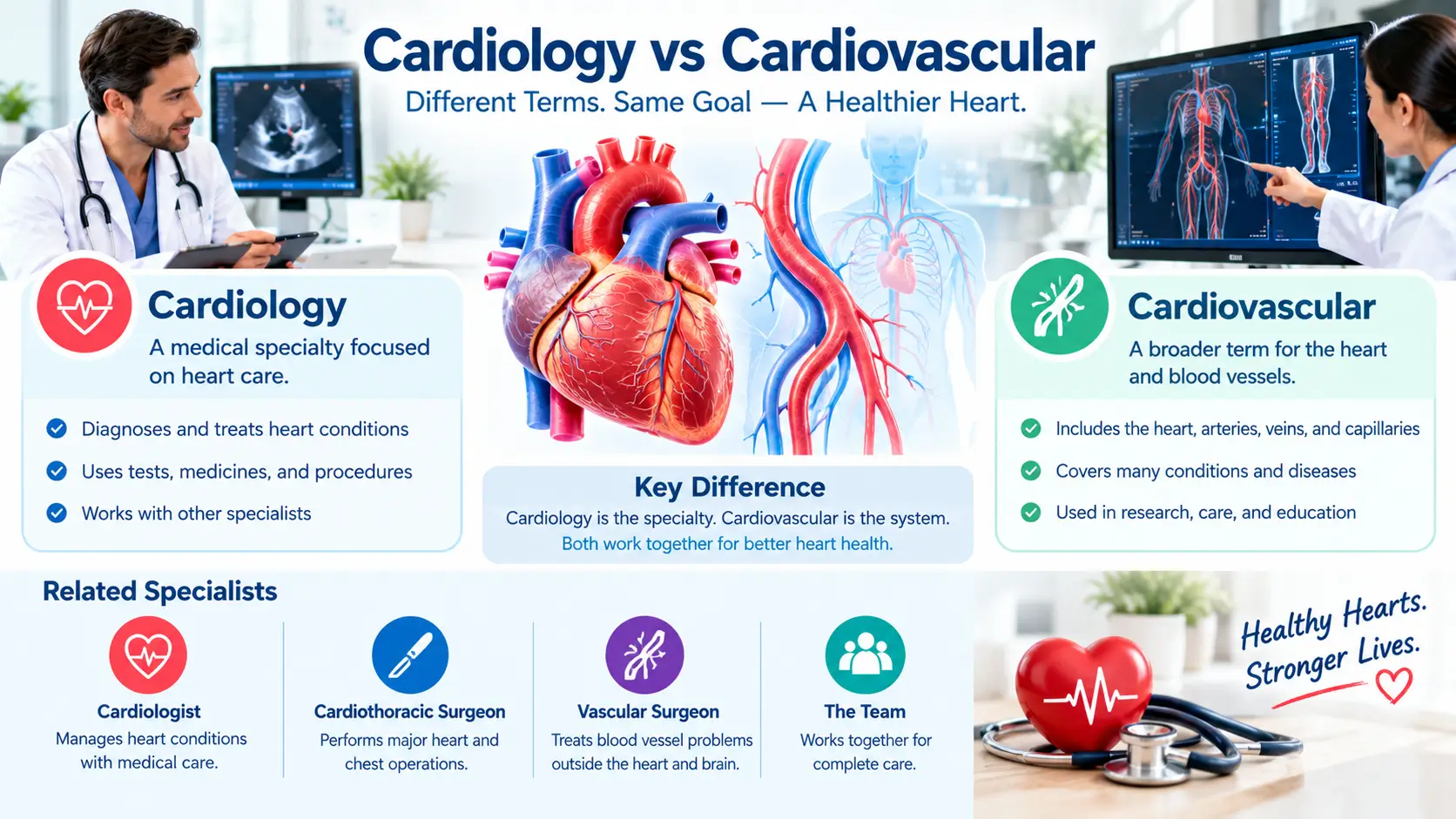
A program may include several health experts. These can include cardiologists, nurses, dietitians, and exercise experts. Some programs also work with diabetes, kidney, or blood pressure specialists.
The goal is not just one test or one visit. The team looks at your full heart risk. They may review your family history, habits, blood tests, and current health.
Your plan can change as your health changes. Some people need regular visits every few months. Others may need less frequent follow-up.
Primary and secondary prevention
Doctors often use two simple terms.
Primary prevention means lowering risk before a major heart event happens. You may have risk factors but no known heart disease.
Secondary prevention means lowering risk after heart disease already exists. This can include care after a heart attack or stroke.
Both approaches can include food changes, exercise, tobacco support, and medicines. Your doctor chooses care based on your health and risk.
Who May Benefit From Preventive Cardiology?
Many people can benefit from prevention care. You do not need to have chest pain before asking about heart risk.
Risk can increase with several factors. These include high blood pressure, high cholesterol, diabetes, tobacco use, and excess weight. Poor sleep and low physical activity can also affect risk. Family history can matter too.
A person may have several risks without feeling sick. That makes regular health checks important.
Family history matters
Some heart risks can run in families. A strong family history may suggest a higher risk. This can happen even when someone feels healthy.
For example, a 42-year-old woman may have a parent who had an early heart attack. Her own cholesterol may also be high. A preventive visit can help her understand her risk.
Doctors may ask about heart attacks, strokes, high cholesterol, and diabetes. They may also ask when these problems happened in relatives.
Cholesterol and blood pressure
High cholesterol can contribute to plaque buildup inside blood vessels. LDL is often called “bad” cholesterol. Doctors may use other lipid tests when needed.
The 2026 AHA and ACC cholesterol guideline adds newer risk tools. It supports the use of PREVENT risk equations for many adults. It also discusses lipoprotein(a), apolipoprotein B, and calcium scoring.
High blood pressure also raises cardiovascular risk. The 2025 AHA and ACC blood pressure guideline stresses lifestyle care. Medicines may also be needed for some people.
Diabetes and other conditions
High blood sugar can damage blood vessels over time. Diabetes can raise the chance of heart disease and stroke. Kidney disease can also affect cardiovascular risk.
Your doctor may review all these factors together. This gives a clearer picture than one number alone.
Symptoms and Warning Signs to Know ❤️
Preventive care often starts before symptoms appear. Still, some people already have signs of heart disease.
Common symptoms can include:
- Chest pain or pressure
- Shortness of breath
- Unusual tiredness
- Fast or irregular heartbeats
- Dizziness
- Fainting
- Leg or ankle swelling
- Reduced ability to exercise
Some people have no clear warning signs. High blood pressure and high cholesterol can remain silent for years.
That is one reason routine checks matter. A person may feel fine while several risk factors are rising.
For example, a 55-year-old man may feel healthy and exercise sometimes. His blood pressure and LDL cholesterol may still be high. A prevention visit can identify those risks early.
Women may have different symptoms
Heart problems can affect women in ways that seem less typical. Symptoms may include unusual tiredness, nausea, or discomfort in the back or jaw.
The American Heart Association lists chest discomfort and shortness of breath among heart attack warning signs. It also lists symptoms such as sweating, nausea, and upper-body discomfort.
Do not assume a symptom is harmless because it feels mild. New or worsening symptoms deserve medical attention.
Younger adults need heart awareness too
Heart risk does not start only in older age. Risk factors can build during young adulthood.
A 28-year-old person may have diabetes, high blood pressure, and a family history. That person may benefit from early risk assessment.
The AHA also reports growing interest in early cardiovascular-kidney-metabolic risk. Recent research highlights heart health during young adulthood.
Prevention can begin with simple steps. Knowing your numbers is one useful starting point.
How Do Preventive Cardiology Programs Check Heart Risk? 🩺
A first visit often starts with a detailed risk review. Your doctor may ask about your health, family, food, exercise, sleep, and tobacco use.
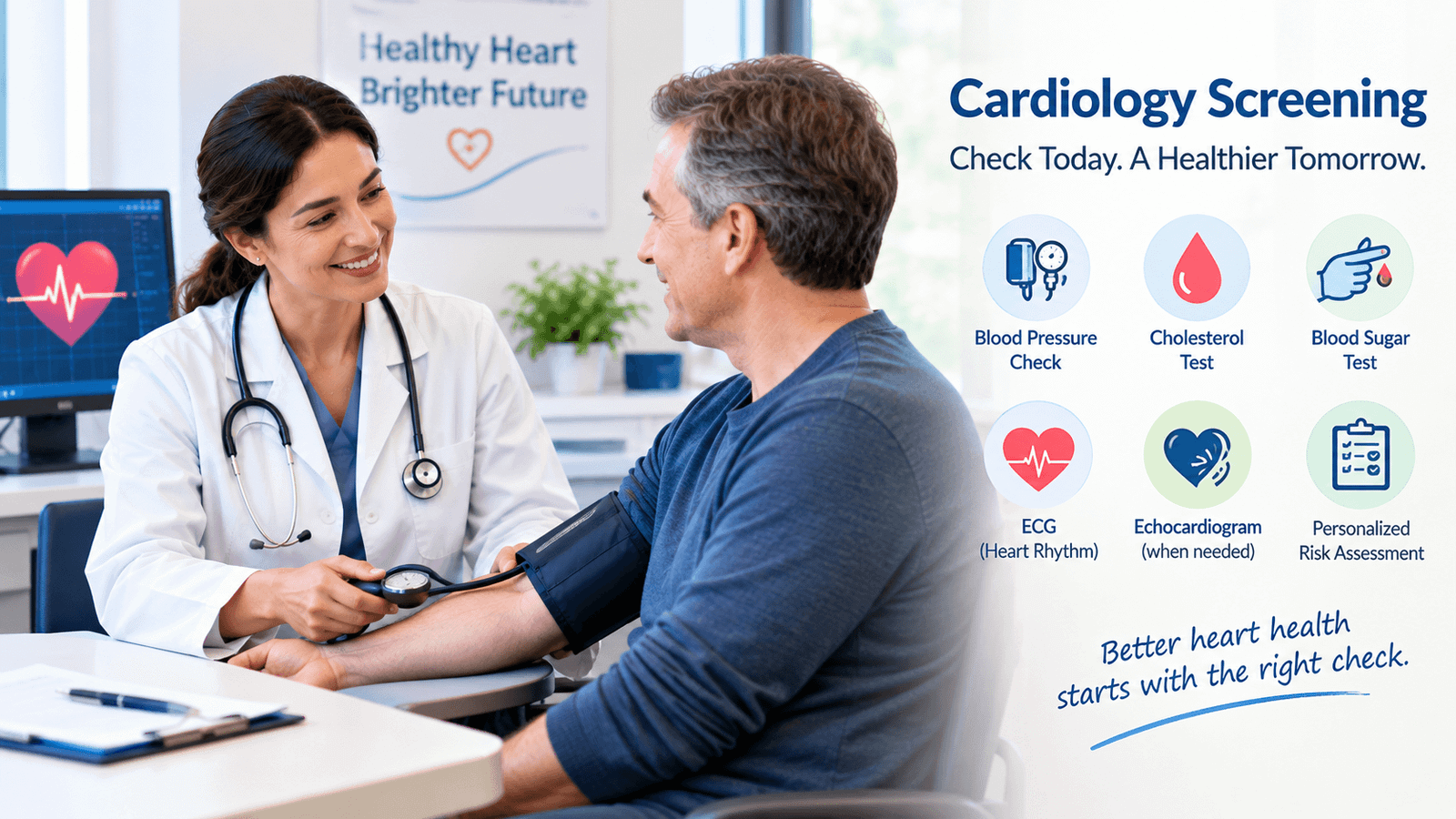
The team may check:
| Check or Test | What It Looks At | Why It May Help |
| Blood pressure | Pressure in your arteries | Finds high blood pressure |
| Lipid panel | Cholesterol and other fats | Helps assess lipid risk |
| Blood sugar | Glucose levels | Finds diabetes or prediabetes |
| Risk calculator | Overall heart risk | Supports treatment discussions |
Doctors may use risk calculators to estimate future cardiovascular risk. The AHA’s PREVENT equations estimate risks for heart attack, stroke, and heart failure. They use factors such as age, blood pressure, cholesterol, smoking, kidney health, and diabetes.
The result does not tell your future with certainty. It helps guide a discussion with your healthcare team.
Heart tests
Some people need heart tests beyond blood work. Your doctor chooses testing based on your symptoms and risk.
Possible tests include:
- ECG or EKG
- Echocardiogram
- Exercise stress test
- Coronary artery calcium scan
- Coronary CT imaging
An ECG records the heart’s electrical activity. An echocardiogram uses sound waves to create heart images.
A calcium scan looks for calcium in the coronary arteries. This can help some adults understand their heart risk.
The 2026 lipid guideline supports selective use of coronary artery calcium testing. Doctors may use it when risk remains unclear.
Not everyone needs advanced imaging. More testing does not always mean better care.
What happens after testing?
Your team reviews the results with you. They may compare current numbers with older results.
The next step can include food changes, exercise goals, medicine, or more testing. Your plan should match your personal risk and health needs.
Treatment and Care in Preventive Cardiology Programs
Prevention care can include lifestyle changes and medicines. The exact plan depends on your risk and health history.
A doctor may recommend treatment for high blood pressure. They may also suggest cholesterol medicine when appropriate.
The 2026 AHA and ACC lipid guideline supports earlier attention to lifelong lipid exposure. It also includes newer tools for risk assessment.
Lifestyle counseling
Food is an important part of heart care. A dietitian may help you choose simple meals. They can also help with portion size and food planning.
Exercise support may also be part of care. Some programs create activity plans based on your current fitness.
The American Heart Association’s Life’s Essential 8 includes eight health areas. These include eating well, activity, tobacco avoidance, sleep, weight, cholesterol, blood sugar, and blood pressure.
Medicines when needed
Lifestyle changes may not be enough for everyone. Some people need medicine to control blood pressure or cholesterol.
Your doctor may also treat diabetes or other conditions that affect heart risk.
Do not stop a heart medicine without speaking with your healthcare team. Your doctor can explain the reason for each medicine.
Team-based care
Preventive care often uses more than one health professional. A cardiologist may work with a dietitian and primary care doctor.
Some programs also include exercise specialists and behavioral health support. Cleveland Clinic describes this team-based approach in its preventive cardiology service.
This can make prevention feel more practical. You can address several risk factors with one coordinated plan.
Prevention and Daily Heart Habits ✅
Healthy daily habits are a major part of preventive heart care. Small changes can become easier when you set clear goals.
Eat more heart-friendly foods
Build meals around vegetables, fruits, whole grains, beans, nuts, and lean proteins. Fish can also fit into a heart-friendly eating pattern.
Try to limit highly processed foods and excess sodium. Sugary drinks and foods high in saturated fat may also need limits.
The AHA recommends an overall healthy eating pattern instead of focusing on one special food.
You do not need to change everything in one day. Start with one habit you can repeat.
Move your body
Regular activity supports heart health. The AHA recommends 150 minutes of moderate activity each week for many adults.
Walking can be a simple starting point. You can also try cycling, swimming, or other activities.
If you have heart disease, ask your doctor about safe exercise levels.
Control blood pressure
Check your blood pressure as your doctor recommends. Home readings can help track changes over time.
The 2025 AHA and ACC guideline supports home monitoring for many patients. It can help confirm high blood pressure and track treatment.
Protect sleep and avoid tobacco
Most adults need about seven to nine hours of sleep. Poor sleep can affect many parts of health.
Tobacco use also raises cardiovascular risk. Ask your healthcare team about support for quitting.
Make goals simple
A prevention plan works best when it fits your daily life. Set one or two goals at a time.
For example, you might walk for 20 minutes after dinner. You might also replace one sugary drink with water.
Your care team can help you adjust goals over time.
Preventive Cardiology Careers and Fellowship Programs
Preventive cardiology is also a growing medical training area. Doctors can receive focused training in cardiovascular disease prevention.
The American College of Cardiology maintains a list of prevention fellowship programs in the United States. The list includes programs in states such as California, Connecticut, Georgia, Minnesota, New York, Rhode Island, and Texas.
Training paths vary by program. Some accept doctors after internal medicine training. Others focus on people who already completed cardiovascular fellowship training.
What does a preventive cardiologist do?
A preventive cardiologist helps people lower cardiovascular risk. Their work can include risk assessment, lipid care, blood pressure management, and lifestyle support.
They may also help patients with known heart disease lower future risk.
ACC training resources include preventive cardiovascular medicine within cardiovascular fellowship competencies.
Preventive cardiology salary
Salary can vary by location, employer, experience, practice type, and training. There is not one national salary figure for preventive cardiology alone.
Federal wage data for May 2025 listed an annual wage of $454,940 for cardiologists. This figure covers cardiologists as an occupation, not only prevention specialists.
Doctors should compare salary with workload, benefits, call duties, and training needs. Job offers can differ greatly between health systems.
Students interested in prevention can review ACC training resources. Fellowship programs may also provide direct details about eligibility and applications.
When Should You See a Doctor? ⚠️
You do not need to wait for serious symptoms before discussing heart prevention.
Consider a preventive visit if you have:
- A strong family history of heart disease
- High blood pressure
- High cholesterol
- Diabetes
- Tobacco use
- Excess weight
- Kidney disease
- A previous heart attack or stroke
- Known artery disease
A primary care doctor can often start the risk review. They may refer you to a cardiologist when needed.
You can search for a preventive cardiologist near me through major health systems or professional directories. Check the doctor’s training, location, insurance details, and appointment options.
Ask whether the clinic provides prevention-focused care. Some cardiology clinics mainly treat existing heart conditions.
When symptoms need emergency care
Call 911 for signs of a possible heart attack. These can include chest pressure, shortness of breath, sweating, nausea, or upper-body pain.
Do not wait for a preventive visit during an emergency.
A person with sudden chest pressure should seek emergency help. A person with stable high cholesterol can usually schedule routine care.
Knowing the difference can help you act at the right time.
Frequently Asked Questions
Q: Are preventive cardiology programs only for people with heart disease?
A: No. These programs can help people with risk factors but no known heart disease. They can also support people after a heart attack or stroke. Care depends on your personal risk and health history.
Q: How can I find a preventive cardiologist near me?
A: You can search local hospital systems and cardiology clinics. Ask whether they offer prevention-focused heart care. Your primary care doctor can also provide a referral when needed.
Q: What do preventive cardiology programs include?
A: They may include risk checks, blood tests, lifestyle counseling, and medicines. Some programs also offer nutrition, exercise, and behavioral support.
Q: What guidelines do preventive cardiologists follow?
A: Doctors use current guidance from groups such as the AHA and ACC. The 2026 lipid guideline includes updated risk tools and cholesterol guidance. Blood pressure care also follows updated AHA and ACC guidance.
Q: Is preventive cardiology a separate fellowship?
A: Yes, some U.S. centers offer dedicated prevention fellowships. ACC lists prevention-focused fellowship programs by state. Requirements vary by program and training background.
Q: What is the salary for a preventive cardiologist?
A: There is no single national salary for preventive cardiologists. Federal data for cardiologists listed $454,940 annually in May 2025. Actual pay can vary by job and location.
Q: Can preventive cardiology help if I feel healthy?
A: Yes. Risk factors can develop without clear symptoms. A prevention visit can review blood pressure, cholesterol, blood sugar, family history, and habits.
Conclusion
Preventive cardiology programs focus on finding heart risks early. They can help people build healthier habits and manage medical risks. Care may include blood tests, risk tools, lifestyle support, and medicines.
The right plan depends on your age, health, family history, and current risk. Some people need regular cardiology visits. Others may only need support from primary care.
The AHA and ACC continue to update guidance for heart risk, cholesterol, and blood pressure. These tools help doctors make better-informed care plans.
Do not wait for severe symptoms before thinking about heart health. Talk with your doctor about your personal risk and prevention goals.
Talk to a cardiologist if you have heart concerns or several risk factors.
Medically reviewed for accuracy. Always consult a licensed cardiologist for personal advice.