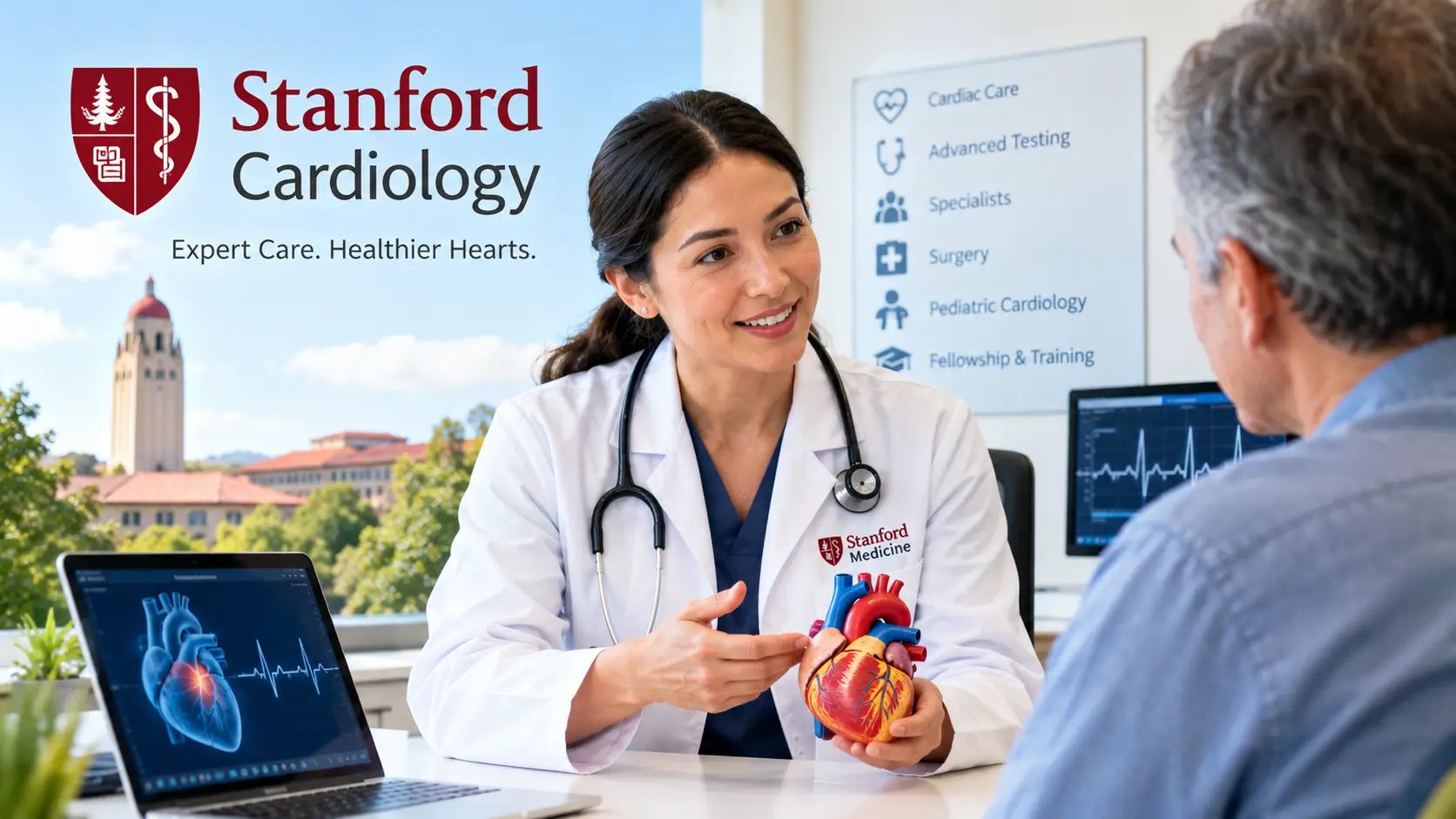

Stanford Cardiology is a heart care service within Stanford Medicine in California. It helps adults and children with heart problems through testing, medical care, procedures, and surgery. Patients may receive general heart care or see specialists for rhythm problems, heart failure, imaging, or other needs.
Have you ever felt worried after a strange heartbeat or chest pain?
You may wonder where to get trusted heart care. Stanford Cardiology brings many heart services together through Stanford Medicine. Its care network includes Palo Alto and other Bay Area locations.
A heart visit can feel less stressful when you know what to expect. Your doctor may review your symptoms, health history, and family history. They may also order tests to learn how your heart works.
Stanford offers care for many heart conditions. Services include general cardiology, rhythm care, heart imaging, and surgery. The system also provides special care for children with heart problems.
The medical school trains future heart doctors through cardiovascular fellowship programs. This combines patient care, research, and medical education.
This guide explains services, testing, treatment, locations, appointments, pediatric care, and training. It also explains when heart symptoms need urgent help.
What Does Stanford Cardiology Offer?
Stanford Cardiology covers many areas of adult heart care. General cardiology can help people with known heart disease or new concerns. Stanford Health Care says its general cardiology clinic treats cardiovascular disease and related heart conditions.
Several heart specialists may help during your care.
| Specialty | Main focus | Common examples |
| General cardiology | Overall heart care | Blood pressure, chest pain |
| Electrophysiology | Heart rhythm | Atrial fibrillation |
| Interventional cardiology | Catheter procedures | Artery procedures |
| Heart failure care | Weak heart function | Medicines, devices |
Electrophysiology focuses on the heart’s electrical system. Doctors may use an EP study to study abnormal rhythms. The test uses thin tubes called catheters to record heart signals.
Heart surgery is another part of Stanford’s cardiovascular services. Procedures include valve surgery, bypass surgery, heart transplant, and other operations. Some patients may qualify for minimally invasive surgery.
Pediatric heart care
Stanford Medicine Children’s Health provides pediatric cardiology for babies, children, teens, and young adults. Its team treats congenital and acquired heart disease. Congenital heart disease means a heart problem present from birth.
Services include heart imaging, rhythm care, catheter procedures, and heart surgery. A child may need one specialist or several heart experts.
For example, a child with a heart murmur may need simple follow up. Another child may need detailed imaging and surgery.
Who May Need Heart Care?
People seek Stanford Cardiology for many different reasons. Some already have heart disease. Others need help after new symptoms or an abnormal test.
Common reasons include:
- Chest pain or pressure
- Shortness of breath
- Fast, slow, or uneven heartbeats
- High blood pressure
- High cholesterol
- Heart valve disease
- Heart failure
- Coronary artery disease
- Congenital heart disease
- Family history of heart disease
Heart risk can rise with smoking, diabetes, high blood pressure, and high cholesterol. Excess weight and family history can also raise risk.
Age affects heart risk, but younger adults can also develop heart problems. Some conditions run in families. Others may develop after years of high blood pressure or unhealthy cholesterol.
Your doctor may ask about sleep, diet, exercise, medicines, and tobacco use. These details can help explain your overall risk.
Consider a 52 year old person with high blood pressure. They may feel healthy but still have several risk factors. A heart visit can help review those risks.
Preventive cardiology can also focus on lowering future heart risks. This may include lifestyle changes, risk checks, and medicines when needed.
Symptoms and Signs to Watch For ❤️
Heart symptoms can look different from person to person. Some people have clear chest pain. Others notice tiredness, breathlessness, dizziness, or heartbeat changes.
Common symptoms can include:
- Chest pain, pressure, or tightness
- Shortness of breath
- Racing or irregular heartbeat
- Dizziness or fainting
- Unusual tiredness
- Swelling in the legs or feet
- Reduced ability to exercise
- Pain in the arm, back, neck, or jaw
Not every symptom means heart disease. Many conditions can cause similar problems. A doctor can help find the cause.
The American Heart Association lists chest discomfort and shortness of breath as heart attack warning signs. Nausea, sweating, and upper body pain may also occur. Call 911 when these signs suggest a heart attack.
Women may have less typical symptoms during a heart attack. These can include unusual tiredness, nausea, or back pain.
Imagine someone who feels mild chest pressure after walking. They stop and feel better. That does not prove the cause is harmless. Repeated symptoms still deserve medical review.
Children may show different warning signs. They may tire quickly during play or become short of breath. Babies may have poor feeding or slow weight gain.
Blue lips, fainting, or sudden breathing problems also need medical attention. Pediatric cardiology can assess these concerns with child friendly testing.
How Doctors Check the Heart 🩺
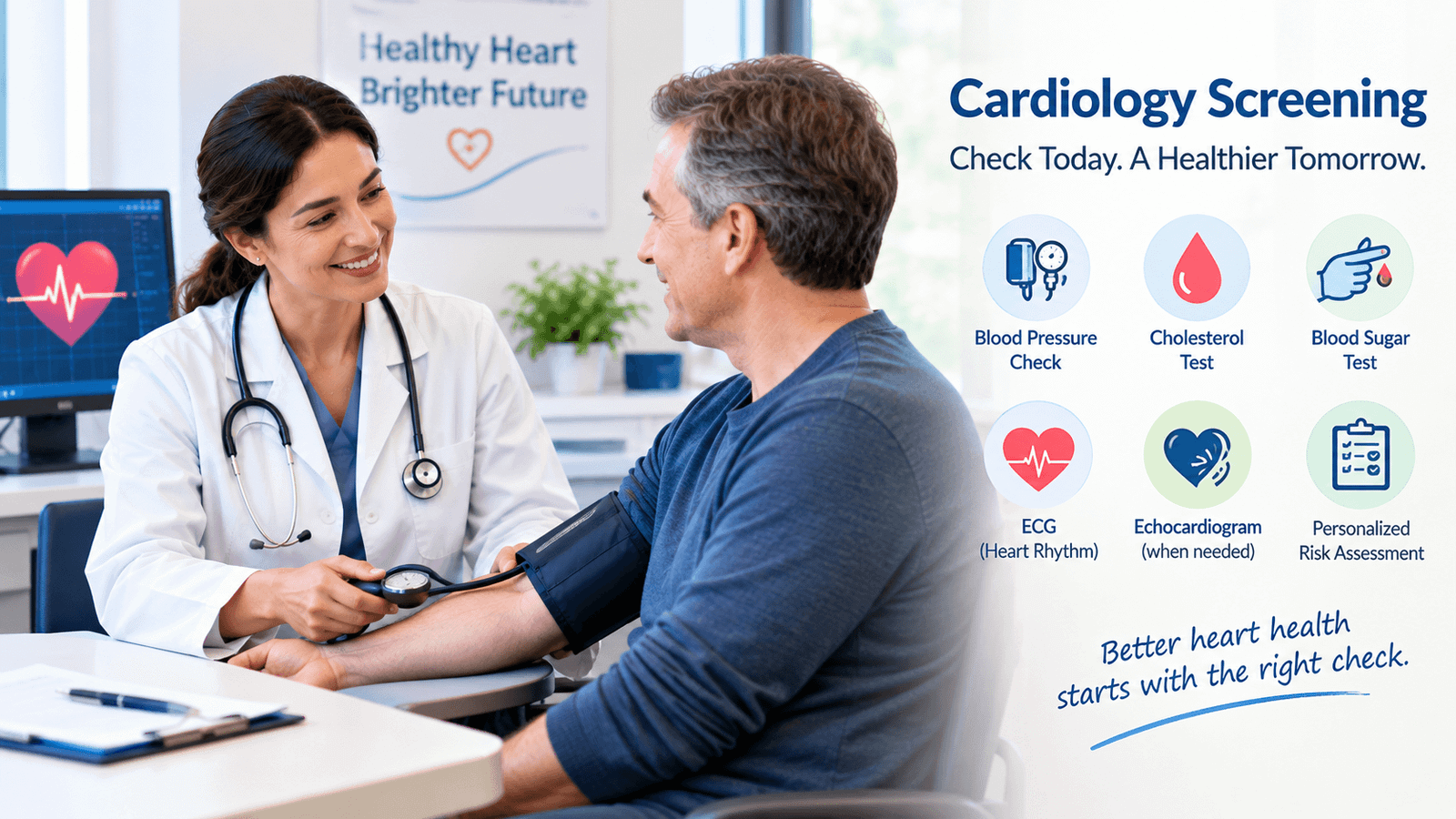
Doctors choose tests based on symptoms and health history. You may not need every test listed below.
| Test | What it checks | What you may experience |
| ECG or EKG | Heart electrical activity | Small skin stickers |
| Echocardiogram | Heart structure and movement | Ultrasound on the chest |
| Stress test | Heart response to activity | Walking or exercise |
| CT or MRI | Detailed heart images | Lying still during scanning |
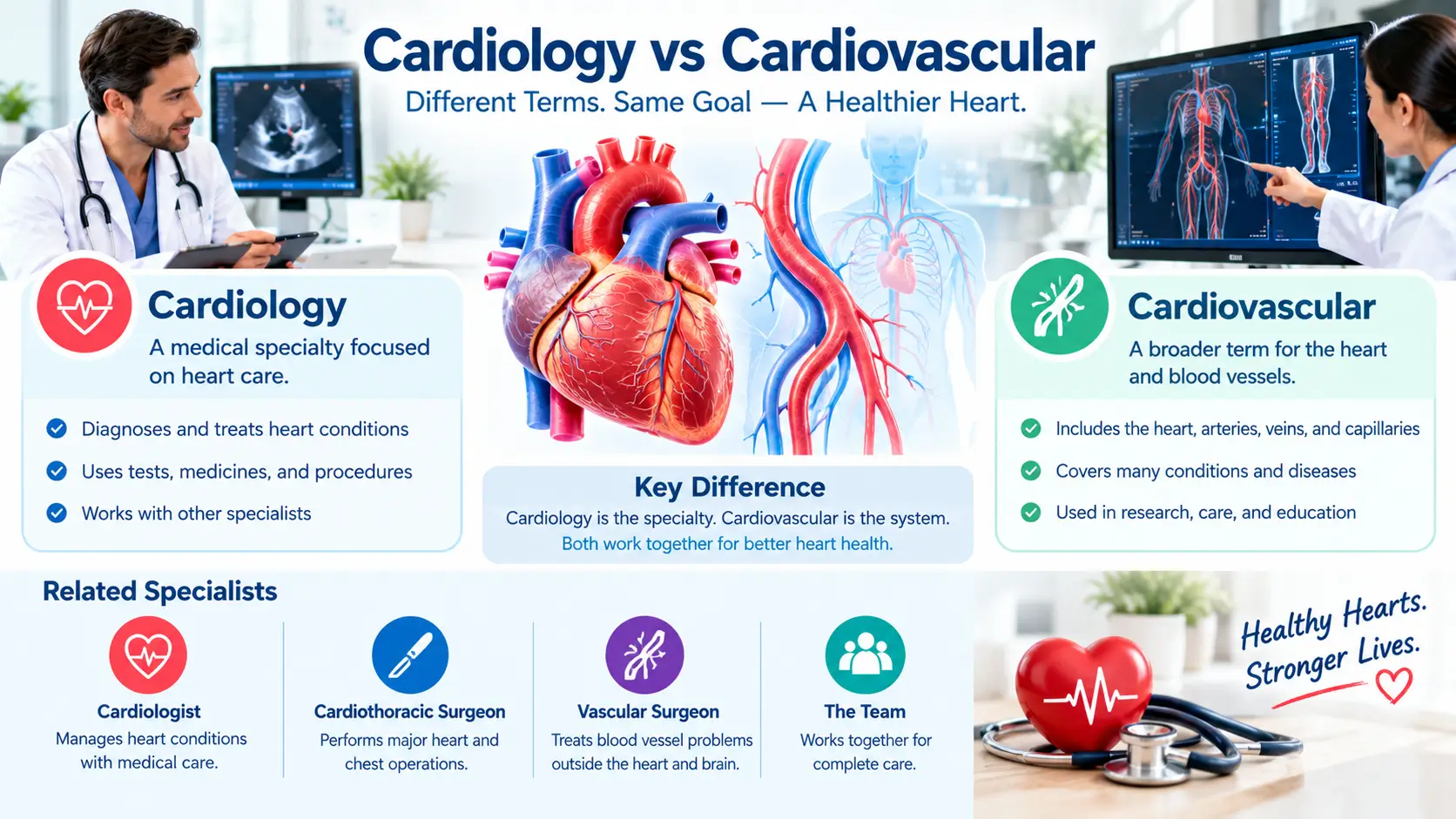
An ECG records the heart’s electrical signals. It can help find certain rhythm problems. An echocardiogram uses sound waves to create heart images.
A stress test checks how your heart responds during exercise. Some patients cannot exercise enough. A medicine may help stress the heart in some cases.
Doctors may also order blood tests. A lipid panel checks cholesterol and other blood fats. Blood sugar testing can also help assess heart risk.
For rhythm problems, an electrophysiology study may help. Doctors place thin catheters through a blood vessel. They guide them into the heart to study its electrical activity.
Pediatric heart care may use advanced imaging too. Tests can include echocardiography, MRI, CT, and fetal echocardiography. Fetal echocardiography checks a baby’s heart before birth.
Many patients feel nervous before their first heart test. Your care team can explain each step before testing begins.
Treatment Options and Management
Treatment depends on the heart problem, symptoms, test results, and overall health. Some people need lifestyle changes and regular checks. Others need medicines or procedures.
Medicines may help control blood pressure, cholesterol, abnormal rhythms, or heart failure. Doctors may adjust treatment based on your response.
Cardiac ablation is one procedure for certain rhythm problems. It uses thin catheters to find and treat tissue causing an abnormal rhythm. Stanford says ablation may help some people with arrhythmias.
Interventional cardiologists may use catheters for certain artery or valve treatments. These procedures can sometimes avoid open surgery.
Surgery may be needed for some valve, artery, aorta, or heart conditions. Stanford’s heart surgery program offers bypass surgery, valve surgery, transplant, and other procedures.
Team based heart care
Complex cases may involve several specialists. A patient may see a cardiologist and surgeon. Another patient may need a rhythm specialist and imaging expert.
For example, someone with severe valve disease may first need detailed imaging. The heart team can then discuss medicines, a catheter procedure, or surgery.
Stanford also offers minimally invasive heart surgery when appropriate. This approach uses smaller chest cuts in selected cases. It may support faster recovery for some patients.
No single treatment fits every patient. Ask your doctor about benefits, risks, other options, and recovery time.
Prevention and Healthy Heart Habits ✅
Heart care is not only about treating disease. Prevention can help lower the chance of future heart problems.
Know your health numbers
Check blood pressure, cholesterol, and blood sugar when advised. These numbers can show risks before symptoms appear. The American Heart Association links heart risk with several health factors.
Stay active
Regular activity supports heart health. The American Heart Association recommends at least 150 minutes of moderate activity weekly for many adults.
Walking can be a simple starting point. You can also choose cycling, swimming, or another activity you enjoy.
Choose heart friendly foods
Try meals with vegetables, fruit, whole grains, beans, nuts, fish, and lean protein. Limit foods high in saturated fat, added sugar, and excess salt.
Your doctor may suggest a diet based on your blood pressure, cholesterol, or diabetes.
Avoid tobacco
Smoking damages blood vessels and raises heart disease risk. Quitting can support better heart health. Ask your healthcare team about counseling and quit programs.
Keep follow up visits
Follow up care helps doctors track changes over time. Bring a list of medicines and supplements to visits. Write down new symptoms before your appointment.
One patient may need yearly risk checks. Another may need closer follow up after a procedure. Your schedule depends on your health needs.
Stanford Locations, Phone Numbers, and Appointments 📋
Stanford Health Care provides cardiovascular services across several Bay Area locations. Palo Alto offers inpatient and outpatient heart care. Other locations include Emeryville, Pleasanton, San Jose, and more.
For general cardiology in Palo Alto, Stanford lists the Boswell Building. The address is 300 Pasteur Drive, Palo Alto, CA 94305. The general cardiology phone number is 650 723 6459. New patients can select option 3.
General cardiology is also available in Emeryville. The clinic is at 5800 Hollis Street, Emeryville, CA 94608. Its listed phone number is 510 806 2100.
For heart surgery in Palo Alto, the Heart Surgery Clinic is at 300 Pasteur Drive. Stanford lists 650 724 7500 for appointments.
Pediatric appointments
Pediatric cardiology has separate locations and contacts. The Betty Irene Moore Children’s Heart Center is at Lucile Packard Children’s Hospital Stanford. Its listed phone number is 650 337 3766.
Pediatric cardiology also has locations in Los Gatos and Salinas. Phone numbers vary by site. Families should confirm the location before traveling.
Appointment details can change. Check the official clinic page before calling or visiting. Insurance coverage can also differ by plan.
Stanford Cardiology Fellowship and Medical Training
Stanford also trains doctors who want careers in cardiovascular medicine. Its Cardiovascular Disease Fellowship focuses on patient care, research, and education. The program includes invasive and noninvasive cardiology training.
The current program includes general cardiology fellows and advanced fellows. Advanced areas include electrophysiology, interventional cardiology, heart failure, imaging, and adult congenital heart disease.
Who can apply?
Stanford’s general cardiovascular disease fellowship requires an ACGME accredited internal medicine or medicine pediatrics residency. Applicants must also meet the program’s exam and licensing requirements. Applications go through ERAS and the Match.
The program also supports research training. Fellows can work with mentors on scientific projects. This can support careers in academic medicine and research.
A fellowship is different from a patient appointment. It is medical training after residency. Patients should use Stanford Health Care appointment services for care.
When to See a Doctor or Seek Emergency Help ⚠️
Call 911 for possible heart attack symptoms. Do not wait for a clinic appointment when symptoms may be life threatening. The American Heart Association advises urgent action for chest discomfort, shortness of breath, and related warning signs.
Seek prompt medical care for new or worsening symptoms such as:
- New chest pain during activity
- Fainting or repeated near fainting
- New shortness of breath
- A new racing or irregular heartbeat
- New leg swelling
- A major drop in exercise ability
A sudden severe symptom needs faster attention. Do not drive yourself if you may be having a heart attack. Emergency teams can begin care during transport.
For non emergency concerns, schedule a visit with your primary doctor or cardiologist. Bring your medicine list and recent test results.
A person with repeated palpitations may have no symptoms during the visit. The doctor can still review the pattern and decide if heart monitoring may help.
Online information cannot replace an exam. A healthcare professional can assess your personal risks and symptoms.
Frequently Asked Questions
Q: What is Stanford Cardiology?
A: Stanford Cardiology refers to heart care services within Stanford Medicine. Services include adult cardiology, testing, procedures, and surgery. Pediatric heart care is provided through Stanford Medicine Children’s Health.
Q: What is the Stanford Cardiology phone number in Palo Alto?
A: The general cardiology clinic lists 650 723 6459. New patients can select option 3. Confirm the clinic details before calling.
Q: Does Stanford have a cardiology fellowship?
A: Yes. Stanford has a Cardiovascular Disease Fellowship Program. It combines clinical training, research, and education. Advanced training areas are also available.
Q: Does Stanford offer pediatric cardiology?
A: Yes. Stanford Medicine Children’s Health provides pediatric cardiology for children and young adults. Services include testing, rhythm care, catheter procedures, and surgery.
Q: Where is Stanford Cardiology in Palo Alto?
A: General cardiology is listed at 300 Pasteur Drive in Palo Alto. Heart surgery services are also available there. Other Bay Area locations provide cardiovascular care.
Q: Does Stanford offer electrophysiology care?
A: Yes. Electrophysiology focuses on abnormal heart rhythms. Stanford offers EP testing and treatments such as catheter ablation.
Q: Does Stanford offer heart surgery?
A: Yes. Stanford provides valve surgery, bypass surgery, transplant, and other heart procedures. Some patients may qualify for minimally invasive approaches.
Conclusion
Stanford Cardiology offers many types of heart care for adults and children. Services can include heart testing, medicines, catheter procedures, and surgery. Different specialists can work together when a condition is complex.
Palo Alto is a major Stanford heart care location. The network also serves patients in other Bay Area communities. Pediatric services are available through Stanford Medicine Children’s Health.
Heart symptoms should never be ignored when they are new or severe. Call 911 for possible heart attack warning signs. For non emergency concerns, arrange a medical visit and share your symptoms.
Talk to a cardiologist if you have any heart concerns. Bring your questions, medicine list, and recent test results. Good communication can help you understand your care choices.
Medically reviewed for accuracy. Always consult a licensed cardiologist for personal advice.