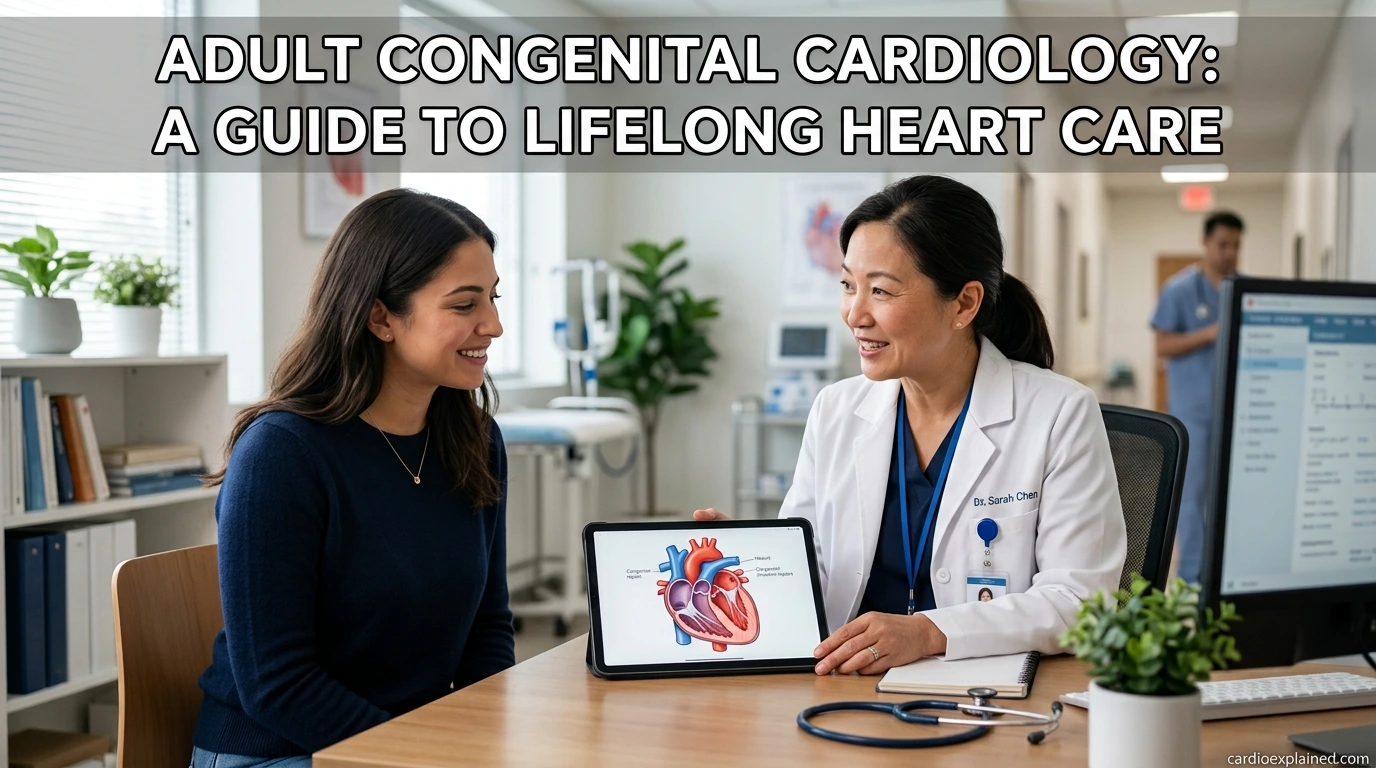

Adult congenital cardiology is a medical specialty that cares for adults born with a heart defect. It helps people stay healthy through regular checkups, testing, and treatment when needed. Many adults with congenital heart disease live full, active lives with the right care.
Have you lived with a heart condition since birth? Maybe your child had heart surgery years ago and is now an adult. You may wonder if regular heart care still matters. The answer is yes.
Adult congenital cardiology focuses on adults who were born with a heart defect. Many people feel healthy for years. Still, their hearts may need lifelong care. Regular visits help doctors spot changes early. They also help people stay active and enjoy daily life.
Many adults believe childhood treatment fixed everything. In many cases, the heart still needs careful follow-up. Learning about this care can help you feel more confident. It also helps families understand what to expect. With the right medical team, many people work, travel, exercise, and raise families safely.
❤️ What Is Adult Congenital Cardiology?
Adult congenital cardiology is a special part of heart care. It treats adults born with heart problems. A congenital heart defect means the heart formed differently before birth.
Some heart defects are mild. Others are more complex. Many children receive surgery or other treatment early in life. Even after successful treatment, the heart may change over time.
Doctors in this field understand both childhood heart defects and adult health needs. They know how aging affects repaired or unrepaired hearts.
What Is Congenital Heart Disease?
Congenital heart disease means a person was born with a heart defect. It does not mean someone caused the problem. In many cases, doctors never find one clear reason.
Some common heart defects include:
- ❤️ A hole between heart chambers
- ❤️ A narrow heart valve
- ❤️ Blood vessels in unusual places
- ❤️ Heart chambers that formed differently
Some people learn about their condition at birth. Others find out much later.
Why Adults Need Special Care
Children with heart defects often see pediatric heart doctors. Pediatric means doctors who treat children.
As people grow older, they need care from specialists trained for adult hearts. These doctors understand:
- ❤️ Aging with a repaired heart
- ❤️ Pregnancy planning
- ❤️ Exercise safety
- ❤️ Work and daily activities
- ❤️ Long-term heart health
Many people feel surprised when they hear they still need heart checkups. Yet regular care helps lower the chance of serious problems.
A Real-Life Example
Sarah had heart surgery when she was five. She felt healthy through college. At age 28, she began feeling tired while climbing stairs. Her adult congenital cardiologist found a leaking heart valve during a routine visit. Early treatment helped her avoid more serious problems.
Stories like Sarah’s remind people why lifelong care matters.
🩺 How Does Congenital Heart Disease Happen?
Congenital heart defects develop before birth. They happen while the baby’s heart is forming.
Most families never know the exact cause. Parents should not blame themselves.
Common Causes
Doctors believe several things may play a role.
These include:
- ✅ Changes in genes
- ✅ Family history
- ✅ Certain health problems during pregnancy
- ✅ Some medicines taken during pregnancy
- ✅ Rare infections during pregnancy
Many babies with heart defects have no known risk factors.
Risk Factors
Some families have a slightly higher chance of congenital heart disease.
Risk factors may include:
- ✅ A close family member with a heart defect
- ✅ Certain genetic conditions
- ✅ Diabetes during pregnancy
- ✅ Smoking during pregnancy
- ✅ Heavy alcohol use during pregnancy
Having a risk factor does not mean a baby will have a heart defect.
Can Adults Develop Congenital Heart Disease?
No. People are born with congenital heart disease.
Some adults discover their condition later. Mild defects sometimes cause few symptoms during childhood. Doctors may find them during a routine exam or heart test.
Another Patient Story
David was 42 when his doctor heard an unusual heart sound. A heart ultrasound showed a small hole between heart chambers. He had lived with it since birth without knowing it. Regular follow-up now helps protect his heart health.
⚠️ Symptoms and Signs to Watch For
Some adults feel well for many years. Others notice new symptoms as they get older.
Never ignore changes that last several days or become worse.
Common symptoms include:
- ⚠️ Shortness of breath
- ⚠️ Feeling tired often
- ⚠️ Chest pain
- ⚠️ Fast or uneven heartbeat
- ⚠️ Dizziness
- ⚠️ Fainting
- ⚠️ Swollen feet or ankles
- ⚠️ Blue lips or fingertips
Many of these symptoms also have other causes. Only a doctor can find the reason.
Symptoms Can Change Over Time
A repaired heart may still change with age.
Scar tissue from surgery can affect heart rhythm. Heart valves may weaken. Blood vessels may also change.
These problems often develop slowly.
Watch for Daily Changes
Pay attention if you notice:
- ✅ Less energy during normal activities
- ✅ Trouble walking short distances
- ✅ More swelling than usual
- ✅ New breathing problems
- ✅ Frequent heart pounding
Keeping a symptom diary can help your doctor.
Pregnancy and Symptoms
Pregnancy places extra work on the heart.
Women with congenital heart disease should speak with their heart doctor before becoming pregnant. Careful planning helps lower risks for both mother and baby.
The American Heart Association (AHA) and the American College of Cardiology (ACC) support early planning and regular follow-up for women with congenital heart disease.
📋 How Doctors Check Heart Health
Finding heart problems early often leads to better care.
Doctors begin with a simple conversation. They ask about symptoms, daily activities, family history, and past surgeries.
Next comes a physical exam.
The doctor checks:
- 📋 Heart sounds
- 📋 Blood pressure
- 📋 Pulse
- 📋 Oxygen level
- 📋 Swelling
Common Heart Tests
Doctors choose tests based on each person’s needs.
| Test | What It Does | Why It Helps |
| Electrocardiogram (ECG) | Records heart signals | Finds rhythm problems |
| Echocardiogram | Uses sound waves to show the heart | Checks heart structure and blood flow |
| Cardiac MRI | Creates detailed heart pictures | Shows heart muscle and blood vessels |
| Exercise stress test | Monitors the heart during activity | Measures how the heart works with exercise |
An ECG records the heart’s electrical activity. It is painless and takes only a few minutes.
An echocardiogram uses sound waves to create moving heart pictures. It helps doctors see valves, chambers, and blood flow.
A cardiac MRI gives detailed images without surgery. Doctors often use it for more complex heart defects.
An exercise stress test shows how the heart responds during physical activity.
Regular Follow-Up Visits
The schedule depends on each person’s heart condition.
Some people need yearly visits. Others may visit every few years.
Even people who feel healthy should keep these appointments.
A Patient Experience
Maria skipped heart visits for almost ten years because she felt fine. During a routine checkup, doctors found changes before serious symptoms appeared. Early treatment helped her stay active and avoid bigger health problems.
Regular follow-up is one of the best ways to protect lifelong heart health.
🩺 Treatment Options and Long-Term Management
Treatment depends on your heart condition. No single plan fits everyone.
Many people do well with regular checkups alone. Others need medicine or another procedure. Your heart team builds a plan that matches your needs.
The goal is to help your heart work well. Treatment also lowers the risk of future problems.
Medicines
Some people need medicine every day.
Your doctor may prescribe medicine to:
- ✅ Control blood pressure
- ✅ Help the heart pump better
- ✅ Treat an uneven heartbeat
- ✅ Lower the risk of blood clots
- ✅ Reduce extra fluid in the body
Always take medicine as directed. Do not stop it without talking to your doctor.
Procedures and Surgery
Some adults need another heart procedure later in life.
This may happen because:
- A repaired valve wears out.
- A blood vessel becomes narrow.
- The heart rhythm changes.
- A childhood repair needs an update.
Many procedures today use thin tubes called catheters. A catheter is a small tube placed through a blood vessel. These treatments often need smaller cuts than open-heart surgery.
Some people still need surgery. Your doctor explains the benefits and risks before making a plan.
Building Your Care Team
Many adults benefit from a team approach.
Your care team may include:
- ❤️ An adult congenital cardiologist
- ❤️ A primary care doctor
- ❤️ A heart surgeon
- ❤️ A heart rhythm specialist
- ❤️ A pregnancy specialist, if needed
These doctors work together to give safe care.
Living Well After Treatment
Many patients worry after hearing they need another procedure.
James felt nervous before replacing an old heart valve. His care team answered every question. After recovery, he returned to hiking with his family.
Many people return to normal activities after proper treatment. Recovery time depends on the procedure and each person’s health.
✅ Healthy Living With Adult Congenital Cardiology

Healthy habits support your heart every day.
They do not replace medical care. Still, they help your body stay strong.
Eat Heart-Healthy Foods
Choose foods that support good heart health.
Try to eat:
- ✅ Fruits
- ✅ Vegetables
- ✅ Whole grains
- ✅ Lean proteins
- ✅ Low-fat dairy
- ✅ Healthy fats from fish and nuts
Limit foods high in salt, sugar, and unhealthy fats.
Stay Active
Exercise helps many people.
The best activity depends on your heart condition.
Your doctor may suggest:
- Walking
- Swimming
- Cycling
- Gentle strength exercises
Some people should avoid heavy lifting or very hard exercise.
Ask your doctor before starting a new workout plan.
Avoid Smoking
Smoking harms the heart and blood vessels.
If you smoke, ask your healthcare team for help quitting.
Manage Stress
Stress can affect your body.
Simple ways to lower stress include:
- ✅ Deep breathing
- ✅ Quiet walks
- ✅ Reading
- ✅ Spending time with family
- ✅ Getting enough sleep
Keep Regular Appointments
This step often makes the biggest difference.
Adult congenital cardiology focuses on lifelong care. Even if you feel well, regular visits help doctors find changes early.
The AHA and ACC recommend ongoing follow-up for most adults born with heart defects.
⚠️ When to See a Doctor
Some symptoms need quick medical care.
Call your doctor if you notice:
- ⚠️ New shortness of breath
- ⚠️ More swelling
- ⚠️ Fast or uneven heartbeats
- ⚠️ Less energy than usual
- ⚠️ Chest discomfort that keeps returning
Do not wait for your next visit if symptoms become worse.
Get Emergency Help Right Away
Call 911 if you have:
- ⚠️ Severe chest pain
- ⚠️ Trouble breathing
- ⚠️ Fainting that does not quickly improve
- ⚠️ Blue lips with breathing trouble
- ⚠️ Signs of a stroke, such as weakness or trouble speaking
Quick treatment can save lives.
Keep Your Health Records
Bring important information to every visit.
This may include:
- Past surgeries
- Current medicines
- Test results
- Allergy list
- Emergency contacts
These records help new doctors understand your heart history.
Frequently Asked Questions
❓ Q: What is adult congenital cardiology?
A: Adult congenital cardiology is a medical specialty for adults born with heart defects. These doctors understand both childhood heart conditions and adult heart care. They help patients stay healthy through lifelong follow-up.
❓ Q: Can adults develop congenital heart disease later in life?
A: No. Congenital heart disease is present at birth. Some people simply do not learn about a mild defect until adulthood.
❓ Q: Do I still need checkups after childhood heart surgery?
A: Yes. Many repaired hearts still need regular care. Your doctor can watch for changes before they become serious.
❓ Q: Can people with congenital heart disease exercise?
A: Yes, in many cases. The safest type of exercise depends on your condition. Your cardiologist can recommend activities that fit your health.
❓ Q: Can women with congenital heart disease have children?
A: Yes, many women can. Pregnancy should be planned with both a heart doctor and an obstetric specialist. Careful planning helps lower risks for mother and baby.
❓ Q: How often should I visit an adult congenital cardiologist?
A: The schedule depends on your condition. Some people need yearly visits, while others need less frequent care. Never skip follow-up without speaking to your doctor.
❓ Q: Does adult congenital cardiology help people who feel healthy?
A: Yes. Adult congenital cardiology supports people even when they have no symptoms. Regular visits may find small changes before they become larger problems.
Conclusion
Living with a heart defect does not stop you from enjoying life. With the right care, many adults stay active for many years. Adult congenital cardiology provides lifelong support through regular checkups, testing, and treatment when needed. Healthy habits, good communication, and routine follow-up all help protect your heart. If you have questions about a heart condition present since birth, talk to a cardiologist. Early care can help you make informed choices and feel more confident about your future.