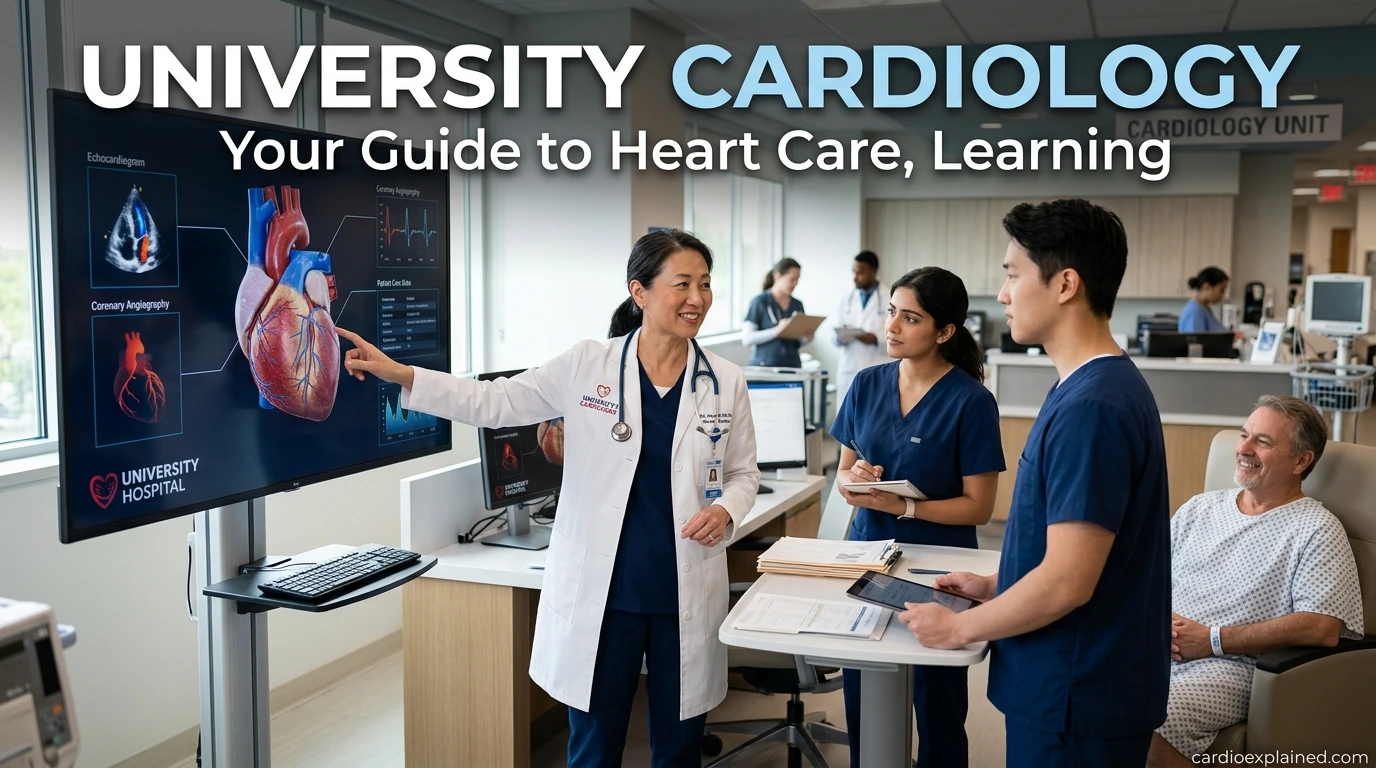

University cardiology is heart care offered through a university medical center. It brings together skilled heart doctors, advanced testing, research, and medical education. Many people choose university cardiology for complex heart problems, second opinions, and access to new treatments.
Have you ever wondered where people go for expert heart care? Many families want trusted doctors and the latest treatment options. That is why many people choose university cardiology services. These centers care for simple and complex heart problems. They also teach future doctors and study better ways to treat heart disease.
A university heart center often gives patients access to many specialists in one place. You may meet heart doctors, nurses, imaging experts, and surgeons during your care. This team works together to create a treatment plan that fits your needs. Learning about these centers can help you feel more confident before your first visit.
❤️ What Is University Cardiology?
University cardiology refers to heart care provided through a university hospital or medical school. These centers care for patients while teaching medical students and training future heart specialists.
Doctors at these centers often treat common heart problems such as:
- ❤️ High blood pressure
- ❤️ Heart failure
- ❤️ Heart rhythm problems
- ❤️ Coronary artery disease
- ❤️ Heart valve disease
Many centers also care for rare or difficult heart conditions.
Why do people choose a university heart center?
People often visit because they need:
- 🩺 A second opinion
- 🩺 Advanced heart testing
- 🩺 A team of specialists
- 🩺 Complex heart surgery
- 🩺 New treatment options through research studies
Many patients first see a local doctor. Their doctor may refer them when they need extra support.
For example, Maria had chest pain that continued after several clinic visits. Her doctor referred her to a university center. A team reviewed her tests together. They found the cause and created a clear treatment plan.
These centers also follow guidance from the American Heart Association (AHA) and the American College of Cardiology (ACC). Those groups help doctors provide safe and effective care.
🩺 How Does University Cardiology Work?
University hospitals combine patient care, teaching, and research.
Doctors work closely with many healthcare professionals. Every patient receives care based on current medical knowledge.
Your care team may include
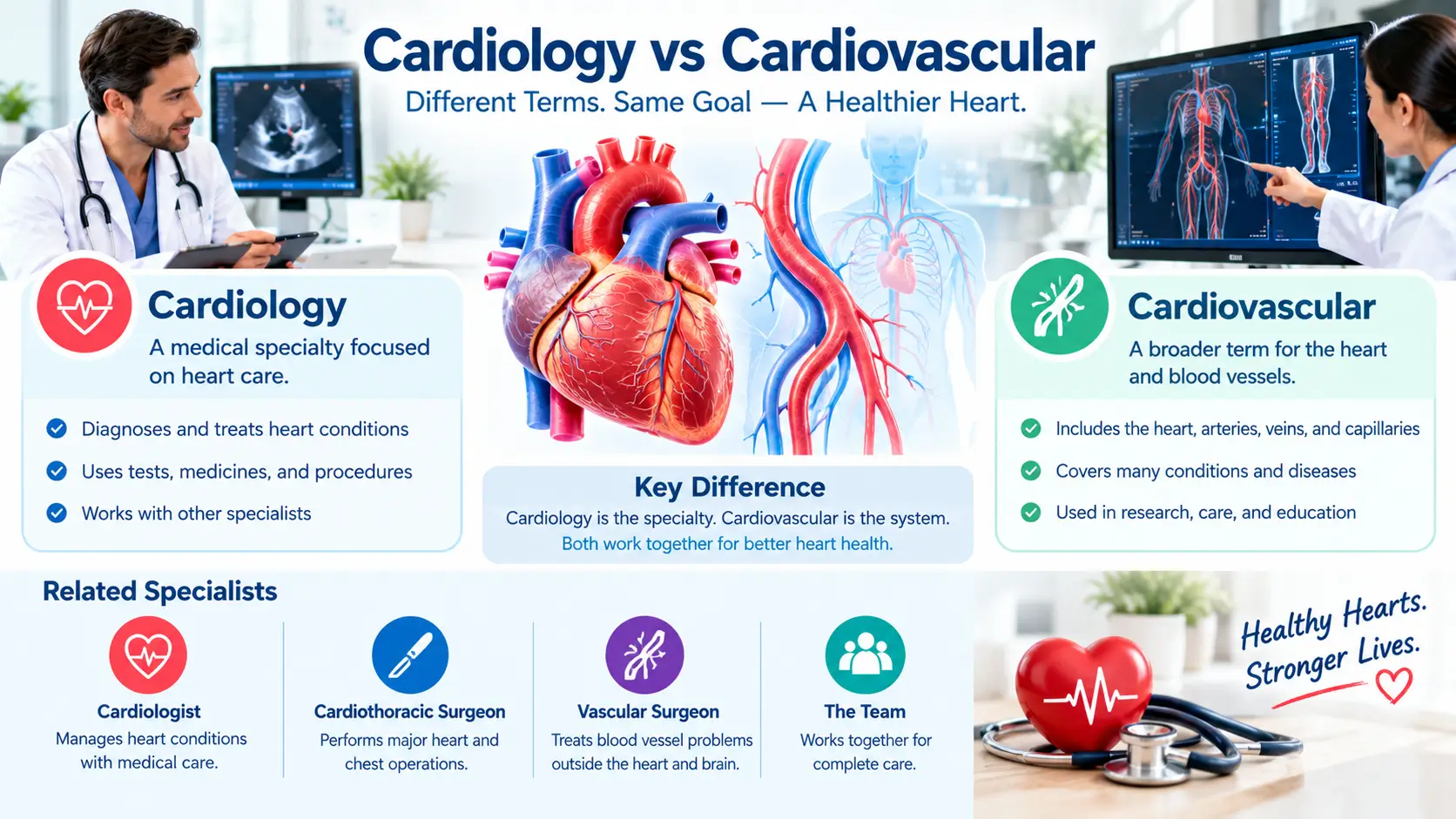
- ✅ Cardiologist, or heart doctor
- ✅ Cardiac surgeon
- ✅ Heart rhythm specialist
- ✅ Nurse practitioner
- ✅ Dietitian
- ✅ Pharmacist
- ✅ Cardiac rehabilitation team
Each person plays an important role.
Learning and research
Medical students watch experienced doctors during patient visits. Fellows, who are doctors receiving extra heart training, also help with care. Experienced cardiologists supervise every step.
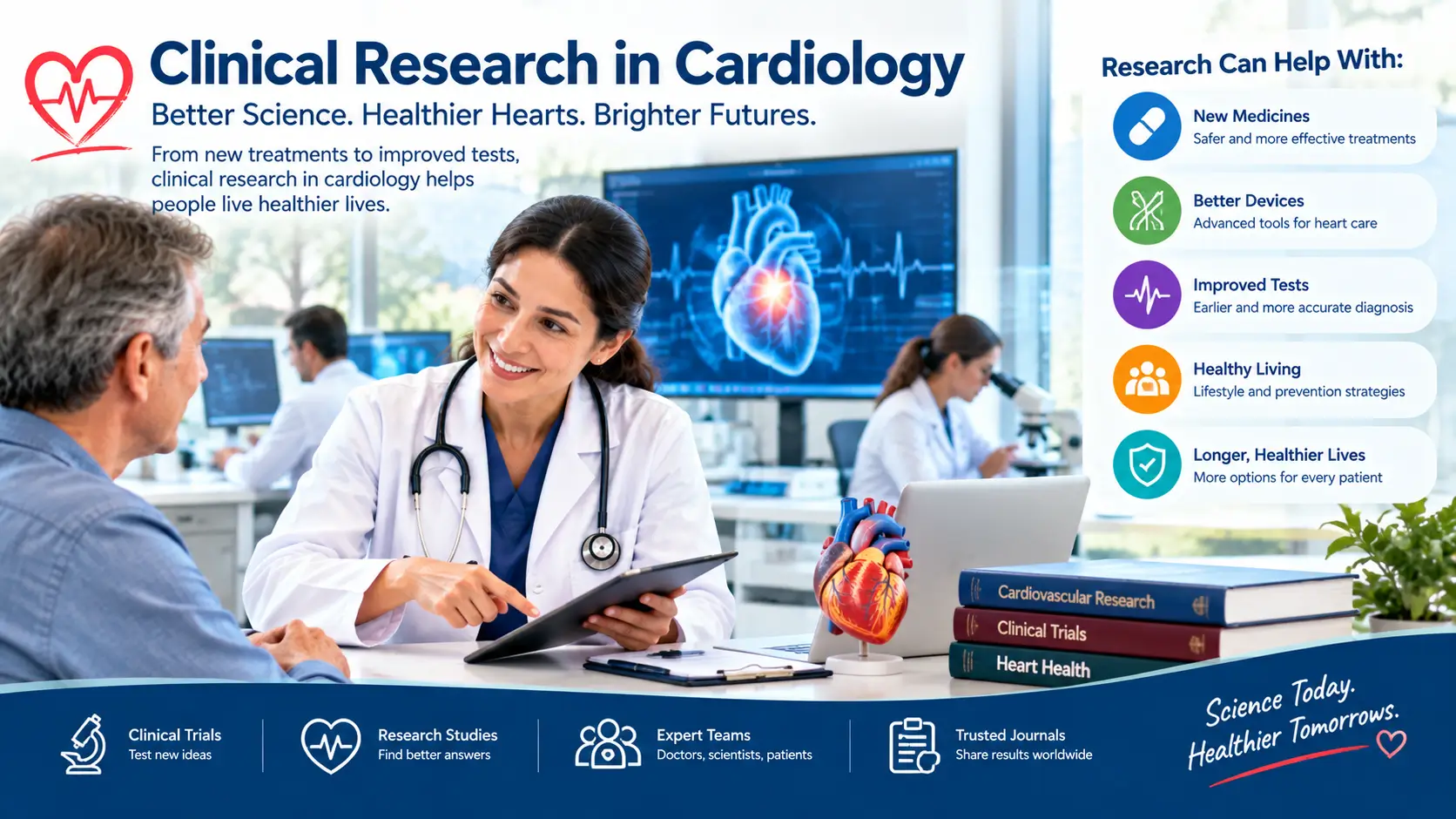
Research studies may also take place. Some patients qualify for clinical trials. These studies test new medicines or treatments. Joining a study remains your choice.
Patients often appreciate knowing several experts discuss their case before making decisions.
❤️ Signs That May Need Heart Care
Many heart problems begin quietly. Some symptoms appear suddenly.
Watch for these warning signs:
- ⚠️ Chest pain
- ⚠️ Shortness of breath
- ⚠️ Fast or irregular heartbeat
- ⚠️ Swelling in the legs
- ⚠️ Dizziness
- ⚠️ Fainting
- ⚠️ Extreme tiredness
Some symptoms may come and go. Others need emergency care.
Older adults may notice different symptoms than younger people. Women sometimes report unusual tiredness, nausea, or back pain instead of strong chest pain.
James ignored mild chest pressure for weeks. His wife encouraged him to visit a cardiologist. Testing showed blocked heart arteries. Early treatment helped prevent more serious problems.
Never ignore chest pain that lasts several minutes or returns often.
📋 How Doctors Check Your Heart
Doctors begin with simple questions. They ask about symptoms, family history, medicines, and daily habits.
Next comes a physical exam.
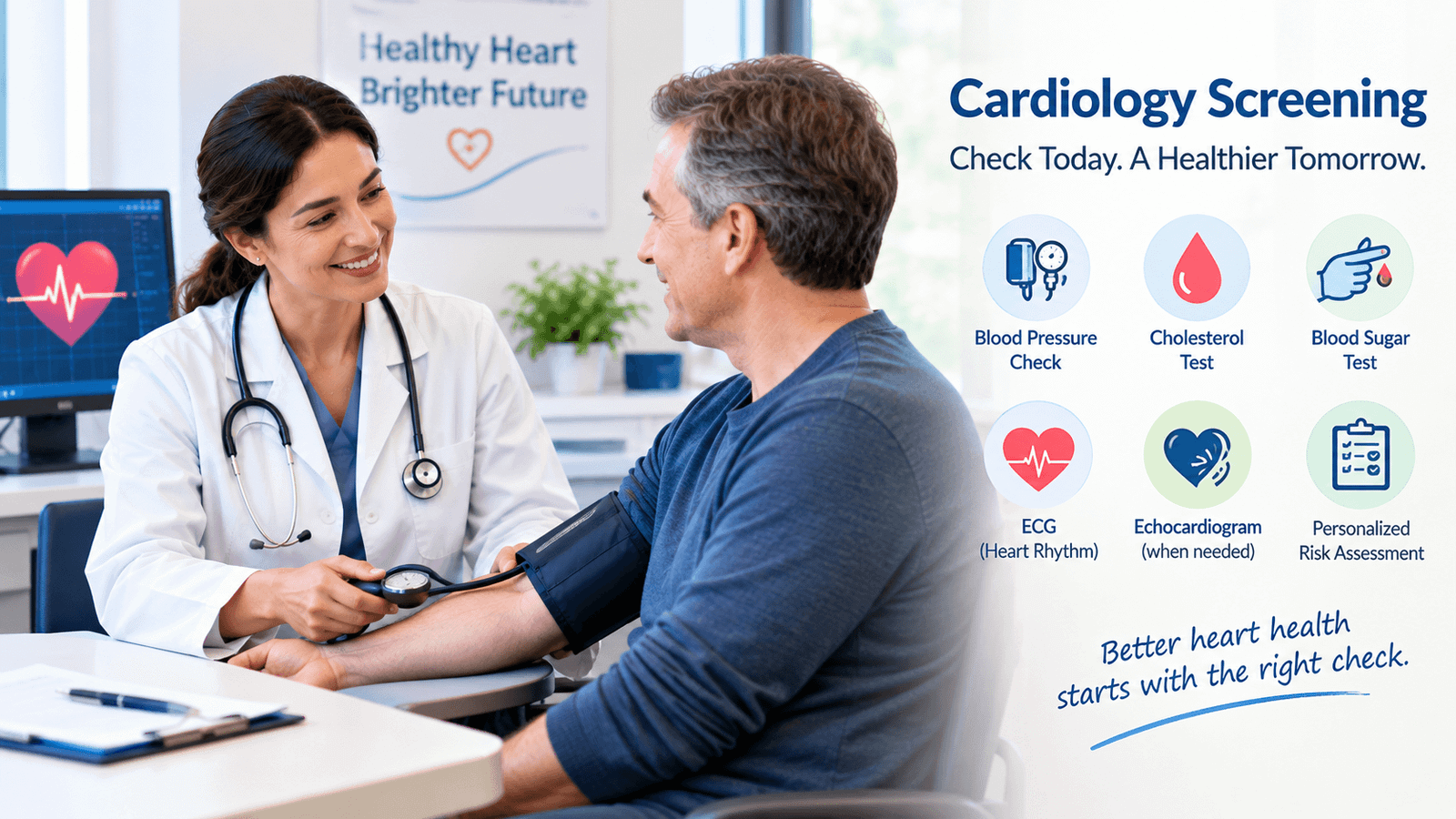
Several tests may help.
| Test | Purpose | What Happens |
| Electrocardiogram (ECG) | Checks heart rhythm | Sticky patches record heart signals |
| Echocardiogram | Shows heart movement | Sound waves create heart pictures |
| Stress test | Checks heart during activity | Walking or medicine raises heart workload |
| Blood tests | Look for heart damage | Small blood sample |
| Cardiac CT or MRI | Creates detailed pictures | Advanced imaging scans |
Understanding common tests
An electrocardiogram records the heart’s electrical activity. It only takes a few minutes.
An echocardiogram uses sound waves. It does not use radiation.
A stress test helps doctors see how your heart works during exercise.
Some patients need cardiac catheterization. Doctors place a thin tube into a blood vessel. This test checks for blocked arteries.
Many people worry before testing. Most heart tests cause little discomfort.
🩺 Treatment Options at a University Cardiology Center
Treatment depends on your diagnosis.
Some people only need lifestyle changes. Others need medicine or procedures.
Common treatments include:
- ❤️ Blood pressure medicine
- ❤️ Cholesterol medicine
- ❤️ Blood thinners
- ❤️ Pacemakers
- ❤️ Heart stents
- ❤️ Heart surgery
- ❤️ Cardiac rehabilitation
Advanced care through university cardiology
Some patients need advanced treatment unavailable at smaller hospitals.
These centers may offer:
- ✅ Structural heart procedures
- ✅ Complex rhythm treatments
- ✅ Heart transplant evaluation
- ✅ Mechanical heart pumps
- ✅ Specialized heart imaging
Doctors discuss the benefits and risks before treatment.
Susan developed heart failure after a virus. Her local doctor referred her for advanced care. Several specialists worked together. Her symptoms improved after careful treatment and rehabilitation.
The best treatment varies for each person.
✅ Healthy Habits That Protect Your Heart
Healthy choices support your heart every day.
You do not need perfect habits.
Small changes help over time.
Try these steps:
- ❤️ Eat more fruits and vegetables.
- ❤️ Choose whole grains.
- ❤️ Walk most days.
- ❤️ Stop smoking if you smoke.
- ❤️ Sleep seven to nine hours.
- ❤️ Manage stress.
- ❤️ Keep a healthy weight.
- ❤️ Take medicine as directed.
Regular checkups also matter.
Doctors may recommend checking:
- Blood pressure
- Blood sugar
- Cholesterol
- Weight
Families can build healthy habits together. Simple walks after dinner help many people stay active.
⚠️ When Should You See a Heart Doctor?

Some symptoms need quick medical care.
Call 911 if you have:
- ⚠️ Severe chest pain
- ⚠️ Trouble breathing
- ⚠️ Fainting
- ⚠️ Sudden weakness
- ⚠️ Pain spreading to your arm, jaw, or back
Schedule a heart visit if you notice:
- Ongoing chest discomfort
- High blood pressure
- Strong family history
- Fast heartbeat
- New swelling
- Frequent dizziness
Early care often helps doctors find problems sooner.
Many patients delay appointments because they feel nervous. Heart doctors understand these concerns. They explain each step carefully and answer questions.
❓ Frequently Asked Questions
Q: Is university cardiology only for very sick patients?
A: No. Many people visit for common heart concerns. Others need second opinions or advanced treatment. Your primary doctor may refer you based on your needs.
Q: Do I need a referral before visiting a university heart center?
A: It depends on your insurance plan. Some plans require a referral. Others allow you to schedule directly. Call the clinic before your visit.
Q: Does university cardiology cost more?
A: Costs vary by insurance, tests, and treatment. Many centers accept major insurance plans. Ask for an estimate before your visit.
Q: Can students help with my care?
A: Yes. Medical students and fellows may participate. Experienced cardiologists supervise every part of your care. Your safety remains the top priority.
Q: Can I get a second opinion through university cardiology?
A: Yes. Many patients seek another opinion before surgery or complex treatment. A fresh review may provide more choices or greater peace of mind.
Q: What should I bring to my first appointment?
A: Bring your medicine list, insurance card, past test results, and questions. A family member may also attend for support.
Q: Are university heart centers good for research studies?
A: Yes. Many university hospitals offer clinical trials. These studies may provide access to new treatments. Your doctor will explain whether one fits your situation.
❤️ Conclusion
Choosing university cardiology can give you access to experienced heart specialists, modern testing, and team-based care. Many patients benefit from expert opinions and personalized treatment plans. Healthy habits and regular checkups also protect your heart over time. If you notice chest pain, breathing trouble, or other warning signs, seek medical care without delay. Talk to a cardiologist if you have any heart concerns.
Medically reviewed for accuracy. Always consult a licensed cardiologist for personal advice.