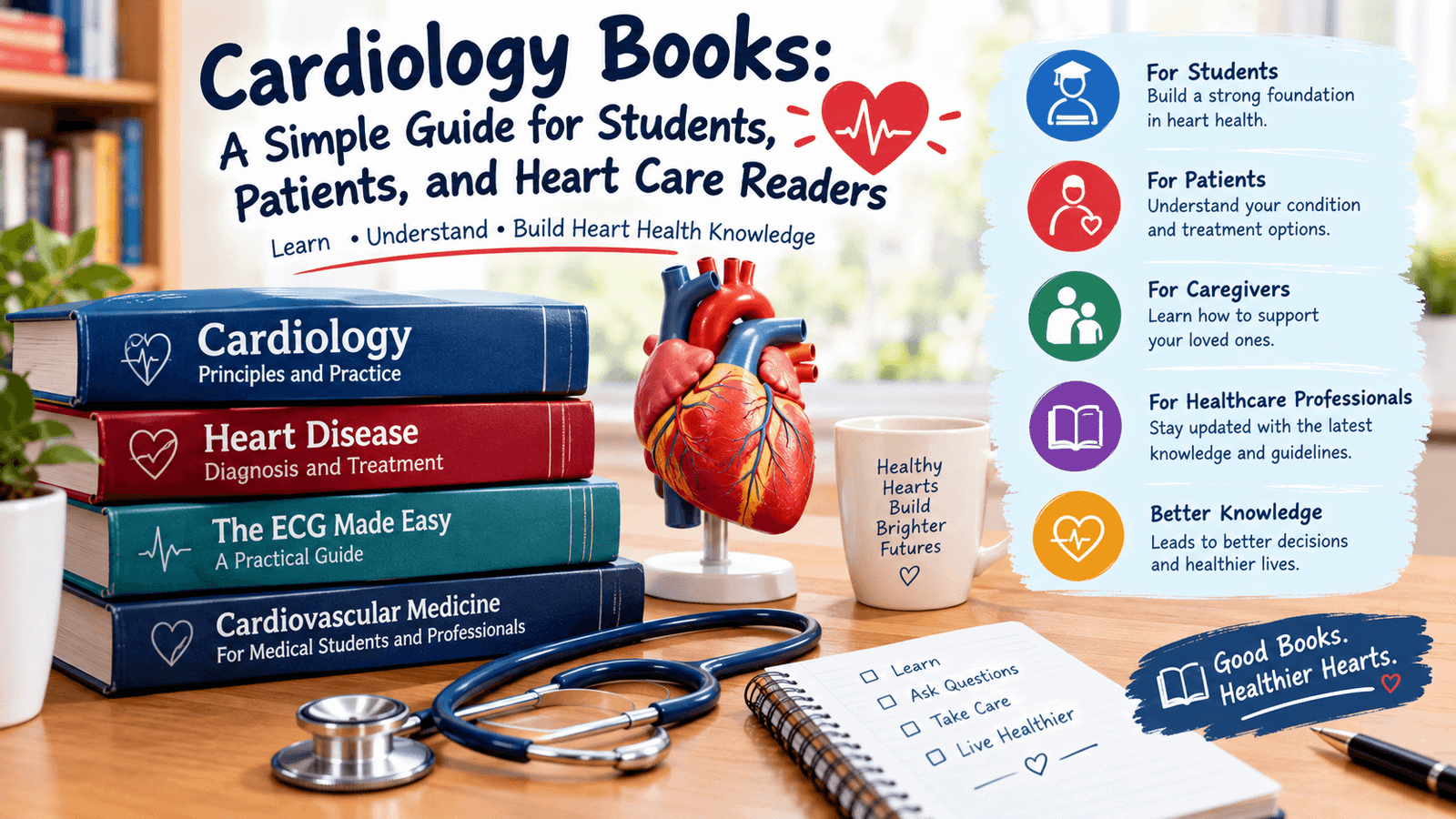

Cardiology books are trusted learning resources about the heart, blood vessels, heart diseases, tests, and treatments. They range from simple guides for beginners to detailed textbooks for medical students, residents, and cardiologists.
The right book can help readers understand heart health, review medical topics, and prepare for clinical training. Books should support medical care, not replace advice from a qualified healthcare professional.
Have you ever opened a heart health book and felt unsure where to start? You are not alone. The heart has many parts, tests, diseases, and treatments to learn.
Good cardiology books can make this learning path easier. Some books explain basic heart anatomy and common diseases. Others focus on ECGs, heart medicines, imaging, or clinical cases.
A medical student may need a clear textbook for daily study. A resident may need a deeper reference for patient care. A patient may want a simple guide about a heart condition.
The best choice depends on the reader’s goal, training level, and reading needs. A large textbook may help advanced learners. A short guide may work better for beginners.
The American Heart Association also provides patient education resources. These resources help people understand heart conditions and prepare for doctor visits. (www.heart.org)
What Are Cardiology Books?
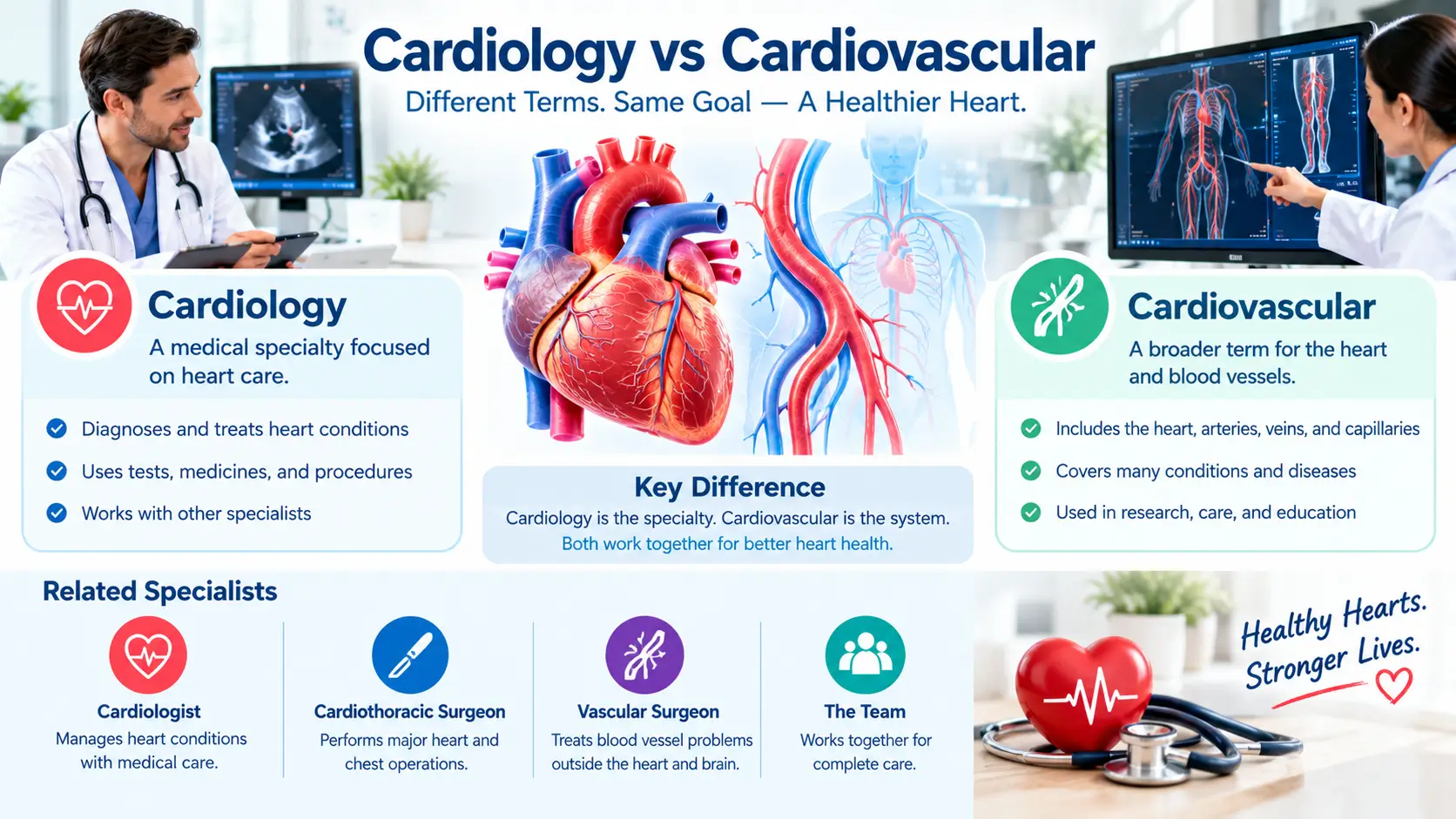
Cardiology books are books that focus on the heart and blood vessels. Cardiology is the medical field that studies, diagnoses, and treats heart problems.
These books can cover many areas, including:
- Heart anatomy
- Heart function
- High blood pressure
- Coronary artery disease
- Heart failure
- Arrhythmias
- Heart valve disease
- Congenital heart problems
- ECG testing
- Heart imaging
- Heart medicines
- Cardiac procedures
- Prevention and lifestyle care
The level of detail can differ greatly. A beginner book may explain terms with pictures and simple examples. A specialist textbook may discuss complex tests, medicines, and treatment decisions.
For example, The ECG Made Easy is designed as an introductory ECG guide. Its ninth edition is aimed at medical and health students. (Elsevier Shop)
A major reference such as Braunwald’s Heart Disease covers a much wider range of cardiovascular medicine. Its 12th edition is intended for practicing cardiologists and fellows. (Elsevier Shop)
How Cardiology Books Explain Heart Causes and Risk Factors
A useful heart book does more than name diseases. It can explain how heart problems develop.
For example, books may discuss risk factors for cardiovascular disease. These can include high blood pressure, high cholesterol, smoking, diabetes, and physical inactivity.
Some risks cannot be changed. Age and family history can play a role. Other risks may respond to lifestyle changes and medical care.
Learning Through Simple Patient Scenarios
Imagine a 55-year-old patient with high blood pressure. The patient may feel well but still need regular care.
A good textbook can explain why blood pressure matters. It can also describe common tests and treatment options.
Another patient may have high cholesterol. A learning resource can explain how cholesterol relates to artery disease.
These examples help readers connect medical facts with real situations. They also show why heart care should be personal.
The American Heart Association supports patient education as part of cardiovascular self-management. It also highlights tailored education and shared decision-making. (professional.heart.org)
Symptoms and Signs Discussed in Cardiology Books
Heart books often explain symptoms linked with different conditions. They may also explain that symptoms can differ from person to person.
Common heart-related symptoms can include:
- Chest pressure or discomfort
- Shortness of breath
- Fast or irregular heartbeat
- Dizziness
- Fainting
- Unusual tiredness
- Swelling in some conditions
A book can help readers understand what these terms mean. It cannot tell a reader what diagnosis they have.
For example, a person may read about chest pressure and feel worried. The person should not use a book to decide the cause.
Some symptoms require urgent action. The American Heart Association says heart attack warning signs can include chest discomfort, shortness of breath, and upper-body discomfort. (www.heart.org)
A Real-World Example
A patient may have chest pressure after physical activity. Reading about heart disease may help the patient understand possible causes.
Still, the patient needs professional medical assessment. A book cannot replace an ECG, blood test, or physical exam.
Tests and Diagnosis Explained in Cardiology Books
One major benefit of cardiology learning resources is test education.
Many books explain why doctors order specific tests. They may also explain what each test can show.
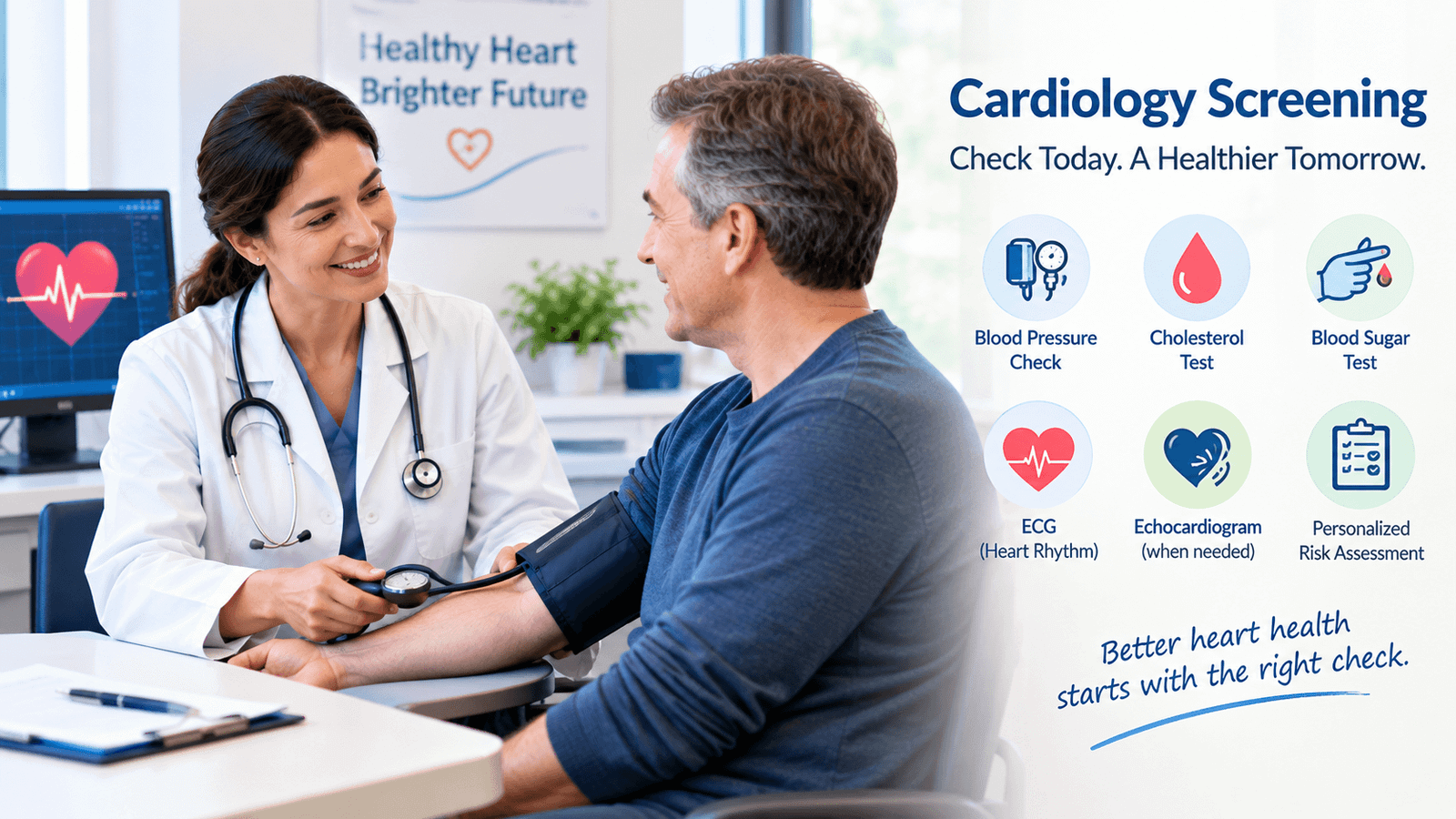
Common tests include:
- ECG or EKG
- Echocardiogram
- Stress testing
- Blood tests
- Holter monitoring
- Cardiac CT
- Cardiac MRI
- Coronary angiography
An ECG records the heart’s electrical activity. An echocardiogram uses sound waves to create pictures of the heart.
Blood tests can help doctors look for signs of heart muscle injury. Imaging tests can show heart structure and blood flow.
A good learning book should explain these tests in context. It should not encourage readers to interpret results alone.
The AHA notes that heart attack evaluation may include blood tests and imaging tests. These can include ECG, echocardiography, coronary angiography, CT, and MRI. (www.heart.org)
Why Medical Students Need Test-Based Learning
Students need to understand both the test and its purpose. Memorizing test names is not enough.
For example, a student should know what an ECG measures. The student should also understand why doctors may order one.
This approach builds useful clinical thinking.
Treatment Topics Found in Cardiology Books
Cardiology textbooks cover many forms of heart treatment. The exact treatment depends on the condition and the patient.
Books may explain:
- Medicines
- Lifestyle changes
- Cardiac rehabilitation
- Catheter procedures
- Stents
- Heart surgery
- Pacemakers
- Ablation
- Valve procedures
A medicine chapter may explain how a drug class works. It may also discuss common uses, risks, and monitoring.
A procedure chapter may explain why doctors perform a procedure. It may describe preparation, basic steps, and possible risks.
Why Treatment Books Need Regular Updates
Heart care changes over time. New research can change how doctors manage certain conditions.
The American College of Cardiology maintains clinical guidelines and updates. Its current library includes guidance from 2026 and earlier years. (American College of Cardiology)
This is why readers should check the edition date. Older books can still teach basic concepts. However, treatment recommendations may change.
For advanced study, readers should compare textbook information with current guidelines.
Prevention and Lifestyle Learning
Many cardiology books also cover prevention. This area matters to patients, families, and healthcare workers.
Topics may include:
- Healthy eating
- Physical activity
- Weight management
- Smoking cessation
- Blood pressure control
- Cholesterol management
- Diabetes care
- Stress management
- Medication use
- Regular medical visits
These topics can help readers understand heart health beyond disease treatment.
For example, a book may explain why regular physical activity matters. Another chapter may explain how high blood pressure can affect the heart.
Patient education can also help people prepare questions for their healthcare team. The AHA offers patient materials about conditions, tests, treatments, and risk reduction. (www.heart.org)
A Simple Family Example
Imagine a family learning that a parent has high cholesterol. The family may want to understand the condition together.
A simple book can explain basic terms. It can also help the family prepare questions for the next appointment.
That knowledge can support better conversations with the healthcare team.
How to Choose Cardiology Books for Different Readers
The right book depends on your current knowledge.
Cardiology Books for Beginners
Beginners usually need simple explanations. Pictures, short chapters, and clear examples can help.
Look for books that explain:
- Basic heart anatomy
- Common heart conditions
- Simple ECG concepts
- Common medical terms
- Basic prevention
Avoid starting with a huge specialist textbook. It may contain more detail than you need.
Cardiology Books for Medical Students
Medical students often need a balance between detail and readability.
A useful book should explain core concepts clearly. It should also include diagrams, clinical cases, and review questions.
The ECG Made Easy is one example of an introductory ECG resource. Elsevier lists medical students among its readers. (Elsevier Shop)
Cardiology Books for Residents
Residents often need more clinical detail. They may study diseases, tests, medicines, procedures, and clinical decisions.
A review book can also help with exam preparation.
Braunwald’s Heart Disease Review and Assessment is designed for fellows, residents, and practicing cardiologists. Its 12th edition includes more than 700 questions and answers. (Elsevier Shop)
Cardiology Books for Fellows and Cardiologists
Advanced readers may need detailed reference texts. These books can cover complex disease and modern treatment.
Braunwald’s Heart Disease is a major reference for cardiology trainees and practicing cardiologists. The 12th edition covers areas such as imaging, new drugs, guidelines, and precision medicine. (Elsevier Shop)
Cardiology Books for PDF and Digital Study
Many readers search online for cardiology books PDF resources. Digital books can be useful for study and quick reference.
However, readers should use legal sources. Choose publisher websites, medical libraries, university resources, or authorized eBook platforms.
Avoid unauthorized copies of copyrighted textbooks. A legal digital edition supports the authors and publishers.
Digital books can offer useful features. Search tools can help readers find terms quickly. Some platforms also include videos, quizzes, or updated content.
For example, the digital version of Braunwald’s Heart Disease includes access to an eBook format. (Evolve)
When Should You Stop Reading and Seek Medical Help?
Books can support learning. They should never delay emergency care.
A person with new or severe heart symptoms should seek medical help. Do not wait to find the answer in a textbook.
Call 911 for possible heart attack symptoms. These can include chest pressure, shortness of breath, or pain in the arm, back, neck, jaw, or stomach. (www.heart.org)
Stroke signs also require urgent action. Sudden face drooping, arm weakness, or speech trouble can be warning signs.
Another Real-World Example
Imagine a reader studying heart disease at home. Suddenly, the reader develops chest pressure and shortness of breath.
This is not the time to search through cardiology books. Emergency medical help is more important.
The American Heart Association advises calling 911 for heart attack or stroke warning signs. (www.heart.org)
How to Use Cardiology Books Safely
Books can improve knowledge when readers use them wisely.
Try these simple steps:
- Choose a book that matches your learning level.
- Check the publication date and edition.
- Use trusted medical publishers.
- Compare treatment information with current guidelines.
- Write down questions for your healthcare professional.
- Do not self-diagnose from a textbook.
- Seek urgent care for emergency symptoms.
Students can use books for study and review. Patients can use simple resources for general education.
The goal is understanding, not replacing professional care.
FAQ About Cardiology Books
Q: What are the best cardiology books for medical students?
A: Medical students often need clear books that explain core concepts. The ECG Made Easy is an introductory ECG resource listed for medical students. Larger textbooks can provide broader cardiovascular coverage. (Elsevier Shop)
Q: Are cardiology books useful for beginners?
A: Yes, many books are written for beginners. Choose resources with simple language, diagrams, and basic heart concepts. Avoid highly specialized texts at first.
Q: Can I find cardiology books PDF online?
A: Yes, legal digital editions are available from publishers and authorized platforms. Avoid unauthorized copies of copyrighted books. Digital editions may also include useful search and study tools.
Q: Which cardiology books are useful for residents?
A: Residents often need detailed textbooks and review resources. Braunwald’s Heart Disease Review and Assessment is designed for residents, fellows, and practicing cardiologists. (Elsevier Shop)
Q: Are cardiology books enough to diagnose a heart problem?
A: No. Books provide general education and cannot diagnose an individual patient. Doctors use history, examination, tests, and clinical judgment.
Q: How often should I replace an old cardiology textbook?
A: Check the edition and publication date before relying on treatment advice. Basic science may remain useful, but clinical guidance can change.
Q: Can patients read cardiology books?
A: Yes. Patients can learn basic terms and prepare questions for appointments. Simple patient guides may be easier than specialist textbooks.
How Cardiology Books Are Useful for Our Surroundings
Heart knowledge can help families communicate better about health.
A caregiver may learn what an ECG means. A student may learn how blood moves through the heart. A patient may learn which questions to ask during a visit.
These small steps can improve health conversations.
Books can also help families recognize warning signs. Early recognition may encourage faster medical attention.
Healthcare workers can use learning resources for review. Students can use them for exams and clinical practice.
The AHA describes patient education as an important part of cardiovascular self-management. Its patient resources also help people prepare questions for healthcare visits. (professional.heart.org)
Final Thoughts on Cardiology Books
Choosing a heart book does not need to feel difficult.
Start with your goal. A beginner needs a different book than a cardiology fellow.
Look for clear explanations, trusted authors, current editions, and useful diagrams. Check whether the book focuses on basic science, ECGs, clinical medicine, or patient education.
For students, review questions can add value. For patients, simple language may matter most.
Remember that textbooks are learning tools. They cannot replace personal medical advice.
Use them to learn, prepare questions, and understand heart care. Then discuss personal concerns with a qualified healthcare professional.
Conclusion
Cardiology books can help readers understand the heart in a clear and organized way. Beginners can learn basic heart terms and common conditions.
Medical students can study ECGs, diseases, tests, and treatment principles. Residents and fellows may need deeper clinical references and review questions.
A good book should match the reader’s level and purpose. Current editions matter because medical guidance can change. Digital books can also offer convenient search and study features.
Books should support medical care, not replace it. Use trusted resources and current clinical guidance when studying heart health. If you develop serious symptoms, seek medical help instead of relying on a book.
Talk to a cardiologist if you have any heart concerns.
Medically reviewed for accuracy. Always consult a licensed cardiologist for personal advice.